
Althea Braithwaite (1947–2020)
Author of Nature Club: Trees and Leaves
About the Author
Althea Braithwaite was an author, illustrator, printer, publisher and bookseller. She was born in 1940 and lived most of her life in East Anglia, U.K. She wrote more than 200 books. Her best-known fiction books were The Desmond the Dinosaur series which included Desmond and the Monsters (1975) and show more Desmond and the Stranger (1979). She wrote a popular nonfiction series, The Talk It Over series, which later was updated and reissued as Talking It Through. She had a simple and direct style of writing and illustrating that appealed to children. Her career included being head of Polyhedron printers and co-owning a mobile bookshop. On August 27, 2020, she died at the age of 80. (Bowker Author Biography) show less
Series
Works by Althea Braithwaite
Trees And Leaves 1 copy
Ik ga bij mensen wonen 1 copy
Tagged
Common Knowledge
- Legal name
- Braithwaite, Althea Mary
- Other names
- Althea
Parker, Althea - Birthdate
- 1947-05-06
- Date of death
- 2020-08-27
- Gender
- female
- Education
- Felixstowe
- Occupations
- author
publisher
bookseller
painter
glass artist
illustrator - Organizations
- Dinosaur Publications
Stained Glass Museum, Ely Cathedral - Relationships
- Graham-Cameron, Mike (ex-spouse)
- Nationality
- UK
- Birthplace
- Pinner, Middlesex, England, UK
- Places of residence
- Pinner, Middlesex, England, UK
Malta
London, England, UK
Felixstowe, Suffolk, England, UK
Singapore, Republic of Singapore
Cambridge, Cambridgeshire, England, UK - Map Location
- England, UK
Members
Reviews
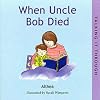
Before Uncle Bob dies, the narrator finds a dead butterfly, which is used to explain death to him. The narrator is angry with Uncle Bob for leaving. The reality of Uncle Bob's death makes him worry that he will lose his father when his father is ill. He comes to terms with Uncle Bob's death by talking to his cousins, Uncle Bob's children, listening to them and playing with them. The importance of a child's attendance at funerals, to provide closure, is also mentioned. A useful starting point show more for discussing death with ages five and up. show less
When someone special dies a child may need to talk about them and share their feelings of confusion and sadness. This book offers a good starting point for discussing death and their concerns about it.

Genre: Informational
Age Appropriateness: Primary
Review: This picture book is a great example of the information genre. It tells the readers more about the emotion of feeling scared and gives lots example about the different types of being scared. It isn't biased and addresses many of the fears children may face.
It didn't really have a plot, characters or even a setting. It interviewed children about the emotion of being scared and included their direct answers. It also had pictures of kids show more the the students could relate to.
Media: Photographs show less
Age Appropriateness: Primary
Review: This picture book is a great example of the information genre. It tells the readers more about the emotion of feeling scared and gives lots example about the different types of being scared. It isn't biased and addresses many of the fears children may face.
It didn't really have a plot, characters or even a setting. It interviewed children about the emotion of being scared and included their direct answers. It also had pictures of kids show more the the students could relate to.
Media: Photographs show less
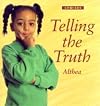
This book explains what it means to tell the truth. It also includes examples of when it may be ok to tell a small lie and how children feel after they have told a big lie. The book explains why it is beneficial for a person to tell the truth. At the back of the book, there is a note for teachers and parents, suggestions for discussion, and a glossary.
Lists
You May Also Like


Associated Authors
Statistics
- Works
- 181
- Members
- 1,702
- Popularity
- #15,076
- Rating
- 3.6
- Reviews
- 22
- ISBNs
- 390
- Languages
- 1