
Malcolm Bosse (1926–2002)
Author of The Warlord
About the Author
Series
Works by Malcolm Bosse
Associated Works
A second tale of a tub; or, The history of Robert Powel, the puppet-show-man (1973) — Introduction, some editions — 1 copy
Tagged
Common Knowledge
- Legal name
- Bosse, Malcolm Joseph, Jr.
- Birthdate
- 1926
- Date of death
- 2002-05-03
- Gender
- male
- Education
- New York University (PhD - Literature)
University of Michigan (MA - English)
Yale University (BA) - Occupations
- teacher
novelist
young adult writer
children's book author - Organizations
- City College of New York
United States Navy - Nationality
- USA
- Birthplace
- Detroit, Michigan, USA
- Place of death
- Manhattan, New York, USA
- Associated Place (for map)
- USA
Members
Reviews

The Basics
A virus has hit the world and greatly diminished its population. Those that are left range between levels of blindness and being unable to breathe, but one group in particular has banded together with the intention of surviving. The Skulls, full of crazy nicknames and with strict rules about never speaking of the past. Their leader, Mister Touch, wants them to make a journey from New York to Arizona, but with a laundry list of disabilities and trauma, can they hope to make it?
My show more Thoughts
This is probably the most hopeful apocalypse you’ll ever have the good fortune to read. The world is not in good shape, for sure. Most of the survivors are now disabled in some way. Most of them didn’t really have much to offer the world before a virus destroyed it, much less after. Yet this book is all about people finding where they belong, surviving against the odds, moving forward and refusing to inhabit the past, and overcoming adversity. There is darkness to be found here and villains, because there is no such thing as a good story without conflict, but there’s a spirit of hope that suffuses this book and glows from it all the same.
It’s easy to make comparisons between Mister Touch and The Stand by Stephen King. Rest assured that both have a lot to offer, different and similar things, but I was pleasantly surprised to see that Mister Touch stands on its own. It’s not particularly supernatural, not at all, so don’t approach it waiting for a Randall Flagg or Mother Abigail to show up. What it offers is a more realistic approach, humanistic in the same way as The Stand, but unique.
The cast of characters was huge, and there was an appendix that named them all with a blurb about their story, but I found I didn’t need it. Bosse managed to make each of them so themselves and smoothly reminded us within the text of their importance. There was never any confusion on my part, and the fact that he did juggle all those people so well deserves some applause.
I thought this book was wonderful. I’m sure I’m making that plain. It was raw and yet touching, hopeful but not saccharine. I was moved, but I never felt manipulated into being moved. That’s a rare thing, and this book is so ignored and forgotten that I urge anyone reading this review to track down a copy and give it a shot.
Final Rating
5/5 show less
A virus has hit the world and greatly diminished its population. Those that are left range between levels of blindness and being unable to breathe, but one group in particular has banded together with the intention of surviving. The Skulls, full of crazy nicknames and with strict rules about never speaking of the past. Their leader, Mister Touch, wants them to make a journey from New York to Arizona, but with a laundry list of disabilities and trauma, can they hope to make it?
My show more Thoughts
This is probably the most hopeful apocalypse you’ll ever have the good fortune to read. The world is not in good shape, for sure. Most of the survivors are now disabled in some way. Most of them didn’t really have much to offer the world before a virus destroyed it, much less after. Yet this book is all about people finding where they belong, surviving against the odds, moving forward and refusing to inhabit the past, and overcoming adversity. There is darkness to be found here and villains, because there is no such thing as a good story without conflict, but there’s a spirit of hope that suffuses this book and glows from it all the same.
It’s easy to make comparisons between Mister Touch and The Stand by Stephen King. Rest assured that both have a lot to offer, different and similar things, but I was pleasantly surprised to see that Mister Touch stands on its own. It’s not particularly supernatural, not at all, so don’t approach it waiting for a Randall Flagg or Mother Abigail to show up. What it offers is a more realistic approach, humanistic in the same way as The Stand, but unique.
The cast of characters was huge, and there was an appendix that named them all with a blurb about their story, but I found I didn’t need it. Bosse managed to make each of them so themselves and smoothly reminded us within the text of their importance. There was never any confusion on my part, and the fact that he did juggle all those people so well deserves some applause.
I thought this book was wonderful. I’m sure I’m making that plain. It was raw and yet touching, hopeful but not saccharine. I was moved, but I never felt manipulated into being moved. That’s a rare thing, and this book is so ignored and forgotten that I urge anyone reading this review to track down a copy and give it a shot.
Final Rating
5/5 show less
If I had rated this book just after finishing it, I would probably have given it 2 or 3 stars. I don't remember whether it was exceptionally written; I remember being so affronted by the coarseness of the tale, and how it was presented. It was so raw, so ugly -- painful even. Entirely ungilded. I don't like reading things like that. I don't need rainbows and ponies, but I don't need my face rubbed into harsh reality either. But I'm now 15 years or so out, and I often think of this story. It show more stays with you. show less

This book is conflicting for me. The story was interesting, the characters and their motivations were interesting and realistic, the historical view of China (though I cannot speak as to the accuracy) was interesting. The writing was good, and I mostly enjoyed the book, until the end. Ah, the end. The book follows the intertwined lives of several characters. And in the end... is misery. I don't want to spoil anything, but I'm just going to say now, there is no happy endings involved in this show more book. And there was no reason it should have been that way. Things could have taken all sorts of turns, but no, Bosse decided everyone should just...be miserable. Why?? That ruined the book for me. show less
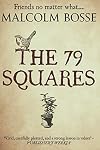
The trust and love that develop between Eric, who is on police probation, and old Mister Beck, who commands him to measure and study his garden, enable the teenager to defend his friend, an ex-convict, against the cruelties of gang members
Lists
Awards


You May Also Like


Associated Authors
Statistics
- Works
- 26
- Also by
- 2
- Members
- 1,084
- Popularity
- #23,705
- Rating
- 3.3
- Reviews
- 22
- ISBNs
- 148
- Languages
- 10