
Terry Coleman (1931–2024)
Author of The Railway Navvies
About the Author
Terry Coleman has reported from eighty countries as a British foreign correspondent. He is the author of a biographical study of Thomas Hardy and of Going to America, a history of English and Irish emigration
Image credit: from agent's website (Peters, Fraser, and Dunlop)
Works by Terry Coleman
Associated Works
Tagged
Common Knowledge
- Birthdate
- 1931
- Date of death
- 2024-04-02
- Gender
- male
- Occupations
- journalist (The Guardian)
- Organizations
- The Guardian (journalist)
- Nationality
- UK
- Birthplace
- Bournemouth, Hampshire, England, UK
- Map Location
- UK
Members
Reviews
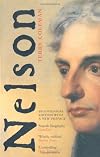
Words and phrases such as 'revisionist' and 'bracingly modern', both quoted, with pride, amongst the blurb for this book, almost deterred me from reading same: but, a certain meanness lead me to the conclusion that, having paid good brass for it, the least I would get was a good grouse!
I shall not afford myself that pleasure, for the tome was excellent. Nelson was presented as a rounded character - neither the unfailing hero who could do no wrong, or the womaniser who turned to men at the show more last, with an amorous request of Hardy.
Not wishing to spend months researching the archives, I only have Terry Coleman's word - and that of a host of quoted sources - to suggest that this is indeed an accurate description of Nelson's life. What I can say, is that it rings true: the ups and downs of an ordinary man are there as well as the pomp of a great one.
Too many modern authors try to lay the moral code of today upon historical figures - a mistake which this book skilfully sidesteps. Mr Coleman is not judgemental, he states facts and tries to indicate the moral climate of Nelson's day.
I believe that one of the greatest compliments that one can pay to a biography is to say that, were one to meet the subject, one would immediately be in the presence of a friend: now, if you'll excuse me, I must pop out for a chat with my chum, Horatio. show less
I shall not afford myself that pleasure, for the tome was excellent. Nelson was presented as a rounded character - neither the unfailing hero who could do no wrong, or the womaniser who turned to men at the show more last, with an amorous request of Hardy.
Not wishing to spend months researching the archives, I only have Terry Coleman's word - and that of a host of quoted sources - to suggest that this is indeed an accurate description of Nelson's life. What I can say, is that it rings true: the ups and downs of an ordinary man are there as well as the pomp of a great one.
Too many modern authors try to lay the moral code of today upon historical figures - a mistake which this book skilfully sidesteps. Mr Coleman is not judgemental, he states facts and tries to indicate the moral climate of Nelson's day.
I believe that one of the greatest compliments that one can pay to a biography is to say that, were one to meet the subject, one would immediately be in the presence of a friend: now, if you'll excuse me, I must pop out for a chat with my chum, Horatio. show less
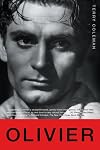
This is a comprehensive biography of stage and film star Laurence Olivier. The author was authorized by Olivier's estate so had access to papers, letters, family members, and friends. With just the book and films to judge him by (I never saw him on stage), I always found him to be stiff as a film actor. (His second wife Vivien Leigh was a much better film actor). He also seems to be somewhat stiff as a person. He seemed to have no real love for his first wife or son. His passionate affair show more with Vivien Leigh that did result in a 20 year marriage was marred by her battle with mental illness. While Leigh and Olivier were inseparable, as the mental ups and downs became more frequent, he pulled away instead of supporting her. Even Noel Coward felt that Olivier should have "turned sharply on Vivien years ago and given he a clip in the chops" (page 261) shows how sexist these men were. As usual, Olivier comes across as a self-centered, egotistical person. The book has a comprehensive list of his stage and film roles. There is a section on The Olivier Family which lists third wife, Joan Plowright, and the three children he had with Plowright, as well as information on his son, Tarquin, with first wife Jill Esmond, but nothing on Esmond and her fate. There is also a section where his contemporaries like John Gielgud and Peggy Ashcroft remember him. show less

Famed and acclaimed British actor Laurence Olivier (1907-1989) was an actor to his core, a self-identification which guided him confidently along the path of his life's work. But it also meant that his true personality, underneath his talent for professional deception, was known by only a few. Given unprecedented access to the remnants of Olivier's life (his effects, his letters, and his family) to cut through the miasmus of previous biographies, Terry Coleman has crafted a great and moving show more opus on the life of an equivocating genius. show less

Interesting look at the culture and ethos of the workers that, in the main, built the British railway system in the early Victorian era. Good choice of illustrations as well, and pretty even-handed, if slightly repetitive in spots.
Awards

You May Also Like


Associated Authors
Statistics
- Works
- 20
- Also by
- 2
- Members
- 657
- Popularity
- #38,399
- Rating
- 3.6
- Reviews
- 5
- ISBNs
- 61
- Languages
- 4