

Dean H. Hamer
Author of The God Gene: How Faith Is Hardwired into Our Genes
About the Author
Dean Hamer, Ph.D., is Chief of the Section on Gene Structure and Regulation in the Department of Biochemistry at the National Cancer Institute in Bethesda, Maryland. Peter Copeland is a reporter who has covered the Pentagon and foreign affairs for Scripps News Service since 1989. He is the author show more of She Went to War. show less
Image credit: Source: website of the National Institutes of Health, where he is current Chief of the Section on Gene Structure and Regulation, Laboratory of Biochemistry, National Cancer Institute
Works by Dean H. Hamer
The Science of Desire: The Search for the Gay Gene and the Biology of Behavior (1994) — Author — 168 copies
Thorn in Your Side 1 copy
God gene (The) 1 copy
Tagged
Common Knowledge
- Birthdate
- 1951-05-29
- Gender
- male
- Nationality
- USA
- Birthplace
- Montclair, New Jersey, USA
- Associated Place (for map)
- New Jersey, USA
Members
Reviews
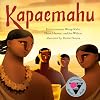
Arich retelling of an ancient Indigenous Hawaiian legend.
Long ago, four mahu (spirits) traveled from Tahiti to Waikiki, Hawaii. Neither male nor female, they were “a mixture of both in mind, heart, and spirit.” Each had a specific “skill in the science of healing.” Their leader, Kapaemahu, “healed by laying on hands.” Kapuni “possessed great spiritual power.” Kinohi could look inside a person and see what was ailing them. Kahaloa had the gift of distance healing. The mahu show more shared their wisdom with the islanders, who, in turn, erected a monument in their honor; four enormous boulders were moved down a mountain and placed together on the beach. The mahu ceremonially transferred their powers to the rocks then vanished. For centuries the stones remained on Waikiki Beach; times changed, and eventually the monument lay forgotten under the city. It has since been recovered, but its history and meaning continue to be erased. Written in both Olelo Niihau and English, this picture book, based on the authors’ Academy Award–shortlisted animated short, underscores the importance of preserving sacred spaces and is a powerful reminder of how story honors our ancestors. Filled with cultural details and beautifully illustrated in vibrant tropical colors, the book pays homage to Indigenous Hawaiian healing traditions and affirms two-spirit people. The fascinating backmatter provides background information about the original Hawaiian legend and Niihau dialect. (This book was reviewed digitally.)
A poignant monument to the power of hidden Indigenous histories. (author's note, glossary) (Picture book. 7-12) show less
Long ago, four mahu (spirits) traveled from Tahiti to Waikiki, Hawaii. Neither male nor female, they were “a mixture of both in mind, heart, and spirit.” Each had a specific “skill in the science of healing.” Their leader, Kapaemahu, “healed by laying on hands.” Kapuni “possessed great spiritual power.” Kinohi could look inside a person and see what was ailing them. Kahaloa had the gift of distance healing. The mahu show more shared their wisdom with the islanders, who, in turn, erected a monument in their honor; four enormous boulders were moved down a mountain and placed together on the beach. The mahu ceremonially transferred their powers to the rocks then vanished. For centuries the stones remained on Waikiki Beach; times changed, and eventually the monument lay forgotten under the city. It has since been recovered, but its history and meaning continue to be erased. Written in both Olelo Niihau and English, this picture book, based on the authors’ Academy Award–shortlisted animated short, underscores the importance of preserving sacred spaces and is a powerful reminder of how story honors our ancestors. Filled with cultural details and beautifully illustrated in vibrant tropical colors, the book pays homage to Indigenous Hawaiian healing traditions and affirms two-spirit people. The fascinating backmatter provides background information about the original Hawaiian legend and Niihau dialect. (This book was reviewed digitally.)
A poignant monument to the power of hidden Indigenous histories. (author's note, glossary) (Picture book. 7-12) show less
Oh wow I’ve never heard of the traditional Hawaiian story (moolelo) of The Healer Stones of Kapaemahu that this story is based on! I also really appreciated the history given at the end about how even though the sacred stones themselves have been recovered and are now formally recognized, the history of the healers who infused their healing powers into the stones being Mahu (individuals with a blend of male and female mind, heart, and spirit) has gotten left out of the story. I also find show more it so beautiful that they chose to write this story in both English and Olelo Niihau due to it being the only uninterrupted form of Hawaiian in continual use since before colonization. It is also the language that would have been the closest to that which might have been spoken by the healers.
What a beautiful way to bring life and Mahu back to this traditional tale. The illustration is also stunning, with beautiful sun drenched colors used throughout and a very distinctive style. show less
What a beautiful way to bring life and Mahu back to this traditional tale. The illustration is also stunning, with beautiful sun drenched colors used throughout and a very distinctive style. show less
"Long ago...four Tahitians journeyed across the ocean from their home...to Hawaii....
They were not male; they were not female. They were mahu - a mixture of both in mind, heart, and spirit."
Each possessed a different healing power, and the people erected a monument of boulders to them. "The stones remained a sacred site for centuries," but when white colonizers came, the stones were forgotten and buried. Now they have been recovered, "but their history is still being suppressed, and the show more fact that the healers were mahu has been erased."
"And when you share that story, you honor it."
Illustrations in warm-toned, dreamy, sunrise/sunset colors.
Authors' notes, history of the healer stones, glossary, Olelo Niihau (a form of Hawaiian) show less
They were not male; they were not female. They were mahu - a mixture of both in mind, heart, and spirit."
Each possessed a different healing power, and the people erected a monument of boulders to them. "The stones remained a sacred site for centuries," but when white colonizers came, the stones were forgotten and buried. Now they have been recovered, "but their history is still being suppressed, and the show more fact that the healers were mahu has been erased."
"And when you share that story, you honor it."
Illustrations in warm-toned, dreamy, sunrise/sunset colors.
Authors' notes, history of the healer stones, glossary, Olelo Niihau (a form of Hawaiian) show less
A beautiful illustrated book based on an animated short film, relating the Hawaiian legend of mahu, dual male/female spirits with healing powers, who visited Hawaii long ago from Tahiti, and left their healing gifts to the native people, protected by four massive boulders on Waikiki beach. The stones actually exist, and although they were buried for a time, they have been recovered and now reside in a fenced enclosure on the beach. The book tells their story in English, and in a native show more Hawaiian dialect that predates colonization. The film can be seen at https://kapaemahu.com/legend (scroll down through the glossary to find the link to the video, which is narrated in the Niihau dialect). Do yourself a favor...check it out. You're unlikely to see anything lovelier on the internet today. show less
Lists
Awards


You May Also Like


Associated Authors
Statistics
- Works
- 11
- Members
- 957
- Popularity
- #26,916
- Rating
- 4.1
- Reviews
- 21
- ISBNs
- 26
- Languages
- 6