
Jill Dawson
Author of The Great Lover
About the Author
Jill Dawson has taught at Amherst College, Massachusetts and is currently the Creative Writing Fellow at the University of East Anglia in Norwich.
Image credit: Tim Allen
Works by Jill Dawson
Pixie 3 copies
Le più belle lettere d'amore 1 copy
Associated Works
Tagged
Common Knowledge
- Birthdate
- 1962
- Gender
- female
- Education
- University of Nottingham (BA, American Studies)
Sheffield Hallam University (MA, Writing) - Occupations
- novelist
- Agent
- Caroline Dawnay (PFD)
- Nationality
- UK
- Birthplace
- Durham, England, UK
- Places of residence
- Durham, England, UK (birth)
Staffordshire, England, UK
Essex, England, UK
Yorkshire, England, UK
London, England, UK
Cambridgeshire, England, UK - Associated Place (for map)
- England, UK
Members
Reviews
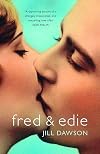
Fred and Edie is a semi-fictional retelling of a true crime of passion from the 1920s. With Edie Thompson and Freddy Bywater on trial for murder from the beginning of the book, Edie recounts the story of how the pair began the affair which ended with the vicious stabbing of Edie's husband.
Edie's love letters to Freddy were the undoing of her defence in the case, and Dawson has built very solidly on a number of those real letters to build a fictional account of Edie's thoughts both during the show more trial and in the period of the affair that led up to the murder. Much of her story is told through the letters she writes to Freddy from Holloway Prison, and it's an interesting portrayal of a case that shocked London at the time. Was Edie a co-conspirator in the murder, or despite her hatred of her husband was she unknowing about his deadly plans? Interestingly, Dawson leaves us to come to many of our own conclusions around that, and instead concentrates on Edie's blind love for Freddy. Was it true love, or was Edie simply a vain, silly, unhappy woman whose head was turned by the attention of a dashing, younger man?
I've read a few of Jill Dawson's books now (she initially piqued my interest after I attended a writing master class she gave many years ago), and I've always felt she's somewhat an under-read author despite many of her books receiving positive critical reviews. This one was shortlisted for both the Whitbread Novel of the Year and the Orange Prize of Fiction, and it's well-crafted. Although it's fairly obvious right from the start that this tale isn't going to end well, the evolution of the love affair and it's dire consequences draw you in quickly. As Edie narrates the story for us, we're sensitive as a reader to her many character shortcomings, especially her vanity, naivety and inability to absorb the full risks attached to her trial.
4 stars - predictable yet page-turning at the same time. Another great Dawson read (and what a great cover - so apt). show less
Edie's love letters to Freddy were the undoing of her defence in the case, and Dawson has built very solidly on a number of those real letters to build a fictional account of Edie's thoughts both during the show more trial and in the period of the affair that led up to the murder. Much of her story is told through the letters she writes to Freddy from Holloway Prison, and it's an interesting portrayal of a case that shocked London at the time. Was Edie a co-conspirator in the murder, or despite her hatred of her husband was she unknowing about his deadly plans? Interestingly, Dawson leaves us to come to many of our own conclusions around that, and instead concentrates on Edie's blind love for Freddy. Was it true love, or was Edie simply a vain, silly, unhappy woman whose head was turned by the attention of a dashing, younger man?
I've read a few of Jill Dawson's books now (she initially piqued my interest after I attended a writing master class she gave many years ago), and I've always felt she's somewhat an under-read author despite many of her books receiving positive critical reviews. This one was shortlisted for both the Whitbread Novel of the Year and the Orange Prize of Fiction, and it's well-crafted. Although it's fairly obvious right from the start that this tale isn't going to end well, the evolution of the love affair and it's dire consequences draw you in quickly. As Edie narrates the story for us, we're sensitive as a reader to her many character shortcomings, especially her vanity, naivety and inability to absorb the full risks attached to her trial.
4 stars - predictable yet page-turning at the same time. Another great Dawson read (and what a great cover - so apt). show less
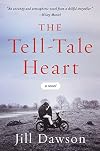
As Jill Dawson's The Tell-Tale Heart begins, we meet Patrick Robson, a professor and philanderer who has just had the good fortune to have a successful heart transplant. As he recovers, he becomes transfixed not only by his donor, Andrew Beamish's life, but with the more distant history of Drew's ancestors, farm laborers and shoemakers who were implicated in the Littleport Riots of 1816. As Patrick rediscovers the life he had been in danger of losing, the stories of Drew Beamish and Willie show more Beamiss entwine with his own, in a way that is distinctly difficult to explain but which make for a compelling novel.
Dawson's flawed characters are ordinary, at best, but on the whole generally unlikeable, yet she portrays them in a gentle, sympathetic way that allows readers to look past their unpleasant surfaces and understand their hearts. In fact, her male narrators are so utterly convincing that, at times, it's easy to forget that the author is a woman. Patrick is a prickly sort, a womanizer who had a child with another woman while still married to his wife. He's curious, but not terribly sentimental about the origins of his newly acquired heart. He's grateful with a sense of not deserving a new lease on life. He doesn't believe all the hype about a new heart changing his preferences or his personality. The surgery and its aftermath are well handled, in that, while that Patrick doesn't change utterly, it's obvious he's going through something profound that's working a slow, realistic change in him. He's discovering things about his new life that he never bothered to consider in his old and finally seeing his past from a perspective other than his own.
Drew, the heart's donor, is a sexually frustrated miscreant of sorts who just lost his father to a farming accident and is attempting to romance his much older teacher. He's haunted by the story of his distant ancestor who was caught up in the Littleport Riots of 1816, whose story Dawson also weaves into her novel. He's definitely not a very lovable character in his own right, but as his world crumbles a little more each day under the hopelessness of a future eking out a living in the Fens just like his father and his father's father and so on, even he becomes a character that we can understand and even relate to as he fails to outpace the frustration that pursues him that even he can hardly put into words.
The Tell-Tale Heart is no warm, fuzzy sentimental story about a heart that makes its way from tragedy to renewal, rather it is a much more penetrating look at interconnectedness between a boy and his forbear, between a man and the boy whose heart gives him a chance to carve out a more meaningful life. It's a story about patterns repeating, about love that dooms and love that saves. The Tell-Tale Heart takes aim at the heart's ability, both literal and figurative, to sustain us, and it definitely hits the mark. show less
Dawson's flawed characters are ordinary, at best, but on the whole generally unlikeable, yet she portrays them in a gentle, sympathetic way that allows readers to look past their unpleasant surfaces and understand their hearts. In fact, her male narrators are so utterly convincing that, at times, it's easy to forget that the author is a woman. Patrick is a prickly sort, a womanizer who had a child with another woman while still married to his wife. He's curious, but not terribly sentimental about the origins of his newly acquired heart. He's grateful with a sense of not deserving a new lease on life. He doesn't believe all the hype about a new heart changing his preferences or his personality. The surgery and its aftermath are well handled, in that, while that Patrick doesn't change utterly, it's obvious he's going through something profound that's working a slow, realistic change in him. He's discovering things about his new life that he never bothered to consider in his old and finally seeing his past from a perspective other than his own.
Drew, the heart's donor, is a sexually frustrated miscreant of sorts who just lost his father to a farming accident and is attempting to romance his much older teacher. He's haunted by the story of his distant ancestor who was caught up in the Littleport Riots of 1816, whose story Dawson also weaves into her novel. He's definitely not a very lovable character in his own right, but as his world crumbles a little more each day under the hopelessness of a future eking out a living in the Fens just like his father and his father's father and so on, even he becomes a character that we can understand and even relate to as he fails to outpace the frustration that pursues him that even he can hardly put into words.
The Tell-Tale Heart is no warm, fuzzy sentimental story about a heart that makes its way from tragedy to renewal, rather it is a much more penetrating look at interconnectedness between a boy and his forbear, between a man and the boy whose heart gives him a chance to carve out a more meaningful life. It's a story about patterns repeating, about love that dooms and love that saves. The Tell-Tale Heart takes aim at the heart's ability, both literal and figurative, to sustain us, and it definitely hits the mark. show less
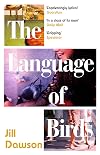
Absolutely loved The Language of Birds!
This book is so warm, strong and feminine. I found it on the shelves of the library I work at and was attracted by the 60s/70s imagery on the front cover. The main character Mandy is so likeable and I was hooked by the style of writing; simple yet full of depth. Lots of intricate, unusual metaphors and descriptions that made me feel intrigued about the author. I'm always interested in writing that makes me wonder and admire the authors mind. I had no show more idea until halfway through, but the story is actually a fictionalised account of events based on the real-life characters and events of the aristocratic Lucan family and their nanny. I won't say much more as it was, for me, a massive spoiler realising this and I would rather have read on oblivious. But yes, Lord and Lady Morven are the fictionalised Lord and Lady Lucan and Mandy is the real-life Sandra Rivett who was the family nanny caught up in the nasty custody-battle.
The writing and characters kind of reminded me of an Edna O'Brien novel. I think that must be the lucid femininity throughout the story; the strength and endurance of women, fertility, and the beauty of female friendship. It really is a beautiful book and I highly recommend. show less
This book is so warm, strong and feminine. I found it on the shelves of the library I work at and was attracted by the 60s/70s imagery on the front cover. The main character Mandy is so likeable and I was hooked by the style of writing; simple yet full of depth. Lots of intricate, unusual metaphors and descriptions that made me feel intrigued about the author. I'm always interested in writing that makes me wonder and admire the authors mind. I had no show more idea until halfway through, but the story is actually a fictionalised account of events based on the real-life characters and events of the aristocratic Lucan family and their nanny. I won't say much more as it was, for me, a massive spoiler realising this and I would rather have read on oblivious. But yes, Lord and Lady Morven are the fictionalised Lord and Lady Lucan and Mandy is the real-life Sandra Rivett who was the family nanny caught up in the nasty custody-battle.
The writing and characters kind of reminded me of an Edna O'Brien novel. I think that must be the lucid femininity throughout the story; the strength and endurance of women, fertility, and the beauty of female friendship. It really is a beautiful book and I highly recommend. show less
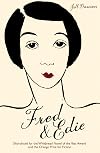
I watched a documentary last year about the execution in 1923 of Edith Thompson and her lover Freddy Bywaters for the murder of Edith's husband Percy, and wanted to read more about the case. There are various books about the 'crime of passion', most famously by Rene Weis, but I thought a fictionalised account might be more accessible and emotional. Jill Dawson's narrative is certainly that, bringing a wholly imagined but no less sympathetic version of Edie to life, if that is the right show more choice of word.
Told in a patchwork but well-paced blend of real newspaper accounts, fictional letters from Edie in jail to Freddy, and in flashback, the author creates a strong personality for the woman sentenced to death for flouting tradition and having a vivid imagination. Edie's letters to Freddy, which he never receives but flow from her prison issue pencil in a twisted sort of stream of consciousness, allow her to be honest about her feelings while deceiving herself about the future.
Did Edith Thompson goad her lover into attacking her husband? Should she have been sentenced to death for writing passionate letters to a man she wasn't married to, and imagining ways to get rid of the obstacle between them? ('How much more interesting life is when one has an occasion to write about it!', Edie muses) I believe that Edie was judged for her lifestyle and not her part in a murder, but we will never know for sure, and only authors like Jill Dawson and crime biographers like Weis can offer her a defence. show less
Told in a patchwork but well-paced blend of real newspaper accounts, fictional letters from Edie in jail to Freddy, and in flashback, the author creates a strong personality for the woman sentenced to death for flouting tradition and having a vivid imagination. Edie's letters to Freddy, which he never receives but flow from her prison issue pencil in a twisted sort of stream of consciousness, allow her to be honest about her feelings while deceiving herself about the future.
Did Edith Thompson goad her lover into attacking her husband? Should she have been sentenced to death for writing passionate letters to a man she wasn't married to, and imagining ways to get rid of the obstacle between them? ('How much more interesting life is when one has an occasion to write about it!', Edie muses) I believe that Edie was judged for her lifestyle and not her part in a murder, but we will never know for sure, and only authors like Jill Dawson and crime biographers like Weis can offer her a defence. show less
Lists
Awards


You May Also Like


Associated Authors
Statistics
- Works
- 21
- Also by
- 2
- Members
- 1,156
- Popularity
- #22,230
- Rating
- 3.4
- Reviews
- 53
- ISBNs
- 102
- Languages
- 4
- Favorited
- 1