
Tonya C. Hegamin
Author of Pemba's Song: A Ghost Story
About the Author
Works by Tonya C. Hegamin
Associated Works
Gathering Ground: A Reader Celebrating Cave Canem's First Decade (2006) — Contributor — 30 copies, 1 review
Tagged
Common Knowledge
- Canonical name
- Hegamin, Tonya C.
- Legal name
- Hegamin, Tonya Cherie
- Other names
- Hegamin, Tonya
- Education
- The New School University (MFA ∙ Creative Writing)
- Nationality
- USA
- Places of residence
- Philadelphia, Pennsylvania, USA
Members
Reviews
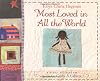
A little girl details her daily life with her mother as slaves. Everyday her and her mother work hard, sometimes coming home whipped and beaten, but every night her mother works on a quilt. One night the little girl is taken into the woods by her mother where she is told she will leave for freedom. Her mother does not go and stays behind to help others escape slavery. Before she leaves her mother gives her the quilt, telling her the meaning behind each image, she had this to remember her by show more and hold onto.
The setting of the story is on a plantation during slavery. Neither the mother nor the little girl telling the story is ever given a name. This was done intentionally and has a powerful effect. So many people during this time showed immense bravery and, in a way, sacrificed their own freedom so they could help others escape, like the mother in the story. I think the author did this to pay tribute to the brave people during this time period that did exactly what mother did in the story and who were never recognized or acknowledge for their sacrifices. Everything about this book, the illustrations and words used, reflect a powerful message and do a great job at paying tribute to the people of the time. show less
The setting of the story is on a plantation during slavery. Neither the mother nor the little girl telling the story is ever given a name. This was done intentionally and has a powerful effect. So many people during this time showed immense bravery and, in a way, sacrificed their own freedom so they could help others escape, like the mother in the story. I think the author did this to pay tribute to the brave people during this time period that did exactly what mother did in the story and who were never recognized or acknowledge for their sacrifices. Everything about this book, the illustrations and words used, reflect a powerful message and do a great job at paying tribute to the people of the time. show less
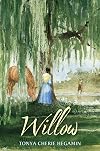
From the first page, I could feel the constricting world Willow lives in, and it was both fascinating and painful.
The book is slow paced, with not much happening but description of life at Knotwild, with the owner being as good as a slave owner can be in that time, especially compared to the terrible neighbour, while still being cruel.
Willow's entire world is the relatively 'good' and 'kind' Knotwild, with her father and the other slaves and she is reluctant to leave it behind, out of fear show more for worse and love for the people she know.
As the story goes on, the terrible world of that time closes in on both the reader and Willow, getting more and more constricting by the page.
A beautifully written story, highly recommended.
I received a digital ARC and this review is based on the proof. show less
The book is slow paced, with not much happening but description of life at Knotwild, with the owner being as good as a slave owner can be in that time, especially compared to the terrible neighbour, while still being cruel.
Willow's entire world is the relatively 'good' and 'kind' Knotwild, with her father and the other slaves and she is reluctant to leave it behind, out of fear show more for worse and love for the people she know.
As the story goes on, the terrible world of that time closes in on both the reader and Willow, getting more and more constricting by the page.
A beautifully written story, highly recommended.
I received a digital ARC and this review is based on the proof. show less
Reviewed this on my blog.
Fifteen-year-old Willow is a resourceful, intelligent young girl who spends her days reading, writing, and taking care of her horse Mayapple. But unfortunately, Willow lives 1848 Maryland. And Willow is a slave. Though Willow’s life is relatively easy compared to the lives of other slaves in her community, she yearns to go to school and learn to write. Meanwhile, Cato, a headstrong teenager lives a free, but still oppressed life, in Haven, Pennsylvania. Against his show more father’s wishes, Cato gets involved with smuggling slaves to freedom, and on his first naive attempt, he gets into more trouble than he expected. When Willow and Cato finally meet, their lives and everything they thought they believed about freedom and prejudice are completely changed forever.
With this unique novel Tonya Cherie Hegamin explores life as a slave on a plantation with a “kind” owner–the hypocrisy, the lies, and the secrets that remain hidden. She explores what it means to be not only a slave, but a female slave. What do family obligations mean when you know you are related to your master? What does “home” mean when your family helped build the plantation where you live enslaved? What does “escape” even mean when there is nothing and no one to escape to?
Even while bringing up all these fascinating questions, Hegamin’s writing is lyrical and poignant, but most importantly it’s incredibly compelling. I connected with Willow from the very first few pages and did not want to put this book down.
Though Cato’s voice is not as strong as Willow’s and the romance between the two characters–though wonderful and believable–often felt besides the point, this novel is heartfelt, thought-provoking, and so, so good. show less
Fifteen-year-old Willow is a resourceful, intelligent young girl who spends her days reading, writing, and taking care of her horse Mayapple. But unfortunately, Willow lives 1848 Maryland. And Willow is a slave. Though Willow’s life is relatively easy compared to the lives of other slaves in her community, she yearns to go to school and learn to write. Meanwhile, Cato, a headstrong teenager lives a free, but still oppressed life, in Haven, Pennsylvania. Against his show more father’s wishes, Cato gets involved with smuggling slaves to freedom, and on his first naive attempt, he gets into more trouble than he expected. When Willow and Cato finally meet, their lives and everything they thought they believed about freedom and prejudice are completely changed forever.
With this unique novel Tonya Cherie Hegamin explores life as a slave on a plantation with a “kind” owner–the hypocrisy, the lies, and the secrets that remain hidden. She explores what it means to be not only a slave, but a female slave. What do family obligations mean when you know you are related to your master? What does “home” mean when your family helped build the plantation where you live enslaved? What does “escape” even mean when there is nothing and no one to escape to?
Even while bringing up all these fascinating questions, Hegamin’s writing is lyrical and poignant, but most importantly it’s incredibly compelling. I connected with Willow from the very first few pages and did not want to put this book down.
Though Cato’s voice is not as strong as Willow’s and the romance between the two characters–though wonderful and believable–often felt besides the point, this novel is heartfelt, thought-provoking, and so, so good. show less
This is the saddest children's book ever. It is the story of a girl who's mother is a field slave and who is sent by the mother onto the underground railroad with a handmade quilt to help guide her way and to remember that her mother loved her. I cried. In context is is a fascinating book of love told to children who's parents cannot care for them, giving them hope that the parents wanted better for their children then what they had to offer. The quilt pieces and dark, rich illustrations show more lend to the heartbreaking nature of the story. show less
Lists
Awards


You May Also Like


Associated Authors
Statistics
- Works
- 5
- Also by
- 1
- Members
- 438
- Popularity
- #55,889
- Rating
- 4.0
- Reviews
- 28
- ISBNs
- 12
- Languages
- 1