
Brad H. Young
Author of Jesus the Jewish Theologian
About the Author
Works by Brad H. Young
Paul the Jewish Theologian: A Pharisee among Christians, Jews, and Gentiles (1995) 138 copies, 2 reviews
Jesus and His Jewish Parables: Rediscovering the Roots of Jesus' Teaching (Theological Inquiries, Studies in Contemporary Biblical and Theological P) (1989) 35 copies
The Gospel of John from the mouth of Yochanan : a first century message for the twenty-first century (2009) 9 copies
Spirit-Filled Life New Testament Commentary: Matthew and Mark (Spirit-Filled New Testament Commentary) (2007) 2 copies
Gospel Research Foundation 1 copy
Associated Works
The New Testament and Christian-Jewish Dialogue: Studies in Honor of David Flusser (1990) — Contributor — 3 copies
Tagged
Common Knowledge
- Legal name
- Young, Bradford Humes
- Birthdate
- 1955-08-04
- Gender
- male
- Education
- Hebrew University of Jerusalem (PhD)
- Nationality
- USA
- Birthplace
- Oklahoma, USA
- Associated Place (for map)
- Oklahoma, USA
Members
Reviews
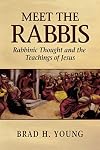
Overall this was a very good book. Although, at times I felt like it was skimming the surface. It includes an overview of rabbinic literature(Talmud, Mishnah, Ethics of the Fathers, etc.), how the rabbis functioned in Jesus's time, and some history of different Rabbis since that time. In addition, he discusses the Sermon on the Mount and how it parallels some Rabbinic traditions, such as Hillel the Elder and Shammai, who were contemporaries of Jesus.
First, it is important to understand a bit of scholarship that has been published. There has been a lot of scholarship inventing Jesus as being a gentile philosopher. Notably within that movement, the Jesus that is most authentic is the Jesus of the Gnostic (so called) "gospels". However, Brady Young's scholarship has been firmly rooted in a Jewish scholarship which subverts those lies and reinforces Jesus the Jew addressing His contemporary Jewish community.
This book is meant to be an show more introduction to Jewish religious traditions which are Jesus settings. It is not a comprehensive approach to all the various rabbis, but brief introduction to their views and practices. The book is broken up into three main parts with a fourth that serves as an appendix:
Part I: Introduction to Rabbinic Thought
1. Introduction to Rabbinic Thought
2. Master Teachers and Their Disciples
3. Torah is More Than Law
4. The Great Sanhedrin
5. Parallel Rabbinic and New Testament Texts
Part II: Introduction to Rabbinic Literature
6. Introduction to Early Jewish Writings
7. Ethics of the Fathers
8. The Amidah Prayer
9. Maimonides' Thirteen Principles of Jewish Faith
10. Hillel's Seven Principles of Bible Interpretation
Part III: Introduction to the Rabbis
11. Meet the Rabbis
12. Both Torah's Were Revealed on Mount Sinai
13. Utopia or Plan of Action?
Part IV: Study Helps
Of Books, Commandments, Laws, Holy Days, and Lineage
Glossary of Terms
Bibliographic Helps
Index of Modern Authors
Index of Subjects
Index of Ancient Sources
In Part I, Brad Young discusses key Hebrew ideals and Jesus within His contemporary settings. One of the most valuable aspects to Part I is found in Chapter 5 where Jesus teachings are shown nearly identical to other rabbis who came before and after His ministry. Nearly all of Part I is discussing topics discussed in the Sermon of the Mount.
In Part II, he introduces the reader to the Mishnah and Talmud; the Oral Tradition. Likewise, the author gives an introduction to the approximate dates for the rabbinic texts. Chapters 8 and 9 are valuable for understanding foundational rabbinical theology and prayer. Next Chapter 10 though only being 7 pages long is a great resource to understanding how the rabbis interpreted the Bible. But the greatest resource in Part II is Chapter 7, Ethics of the Fathers. This chapter is Brad Young's translation (interpretation) of one of the divisions within the Mishnah. "The Ethics of the Fathers is a moral code of conduct, filled with vivid, larger-than-lie personalities. For Christians, it is a valuable source of Jewish teachings that links the spiritual world of the Old Testament with the New Testament era."
In Part III, Chapter 11 is self explanatory. The author is giving a quick introduction to a great many rabbis and a known characteristic for each of them, many of which he has already mentioned. In Chapter 12, there is a bit more of an explanation of the Oral Tradition. And the most valuable Part III is the last chapter where the author is making it known that the Sermon of the Mount is more ethical and moral faithful redemptive obedience in action than wishful thinking of utopia.
Brad Young's book is great work for anyone looking to understand Jesus within His historical settings. show less
This book is meant to be an show more introduction to Jewish religious traditions which are Jesus settings. It is not a comprehensive approach to all the various rabbis, but brief introduction to their views and practices. The book is broken up into three main parts with a fourth that serves as an appendix:
Part I: Introduction to Rabbinic Thought
1. Introduction to Rabbinic Thought
2. Master Teachers and Their Disciples
3. Torah is More Than Law
4. The Great Sanhedrin
5. Parallel Rabbinic and New Testament Texts
Part II: Introduction to Rabbinic Literature
6. Introduction to Early Jewish Writings
7. Ethics of the Fathers
8. The Amidah Prayer
9. Maimonides' Thirteen Principles of Jewish Faith
10. Hillel's Seven Principles of Bible Interpretation
Part III: Introduction to the Rabbis
11. Meet the Rabbis
12. Both Torah's Were Revealed on Mount Sinai
13. Utopia or Plan of Action?
Part IV: Study Helps
Of Books, Commandments, Laws, Holy Days, and Lineage
Glossary of Terms
Bibliographic Helps
Index of Modern Authors
Index of Subjects
Index of Ancient Sources
In Part I, Brad Young discusses key Hebrew ideals and Jesus within His contemporary settings. One of the most valuable aspects to Part I is found in Chapter 5 where Jesus teachings are shown nearly identical to other rabbis who came before and after His ministry. Nearly all of Part I is discussing topics discussed in the Sermon of the Mount.
In Part II, he introduces the reader to the Mishnah and Talmud; the Oral Tradition. Likewise, the author gives an introduction to the approximate dates for the rabbinic texts. Chapters 8 and 9 are valuable for understanding foundational rabbinical theology and prayer. Next Chapter 10 though only being 7 pages long is a great resource to understanding how the rabbis interpreted the Bible. But the greatest resource in Part II is Chapter 7, Ethics of the Fathers. This chapter is Brad Young's translation (interpretation) of one of the divisions within the Mishnah. "The Ethics of the Fathers is a moral code of conduct, filled with vivid, larger-than-lie personalities. For Christians, it is a valuable source of Jewish teachings that links the spiritual world of the Old Testament with the New Testament era."
In Part III, Chapter 11 is self explanatory. The author is giving a quick introduction to a great many rabbis and a known characteristic for each of them, many of which he has already mentioned. In Chapter 12, there is a bit more of an explanation of the Oral Tradition. And the most valuable Part III is the last chapter where the author is making it known that the Sermon of the Mount is more ethical and moral faithful redemptive obedience in action than wishful thinking of utopia.
Brad Young's book is great work for anyone looking to understand Jesus within His historical settings. show less

NO OF PAGES: 46 SUB CAT I: Jewish Roots SUB CAT II: Jewish - Christian Relations SUB CAT III: DESCRIPTION: This book answers the questions: Can the time-worn and perhaps overly-familiar words of the "Lord's Prayer" be more than a kind of spiritual pacifier for us today? Are there hidden in these simple words concepts that can stimulate and challenge us?NOTES: SUBTITLE:
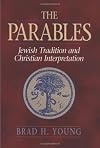
NO OF PAGES: 326 SUB CAT I: Parables SUB CAT II: Writings SUB CAT III: DESCRIPTION: Fully one-third of Jesus' words in the Synoptic Gospels occur in parables. These have been subject to reinterpretation in new contexts throughout the centuries. Young challenges readers to remember that 1st century Judaism was not merely the backdropNOTES: SUBTITLE: Jewish Tradition and Christian Interpretation
You May Also Like


Associated Authors
Statistics
- Works
- 9
- Also by
- 1
- Members
- 899
- Popularity
- #28,500
- Rating
- 4.4
- Reviews
- 9
- ISBNs
- 19
- Languages
- 1
- Favorited
- 1