
Christopher Castellani
Author of Leading Men
About the Author
Christopher Castellani is the son of Italian immigrants and a native of Wilmington, Delaware. He is the artistic director of Grub Street, a non-profit creative writing center in Boston. He is the author of two previous critically acclaimed novels, A Kiss from Maddalena, winner of the Massachusetts show more Book Award in 2004 and The Saint of Lost Things. Castellani is on the faculty of the Warren Wilson College MFA Program for Writers. He was educated at Swarthmore College, received his Masters in English Literature from Tufts University and a Master of Fine Arts in Creative Writing from Boston University. (Bowker Author Biography) show less
Image credit: Photo by Neil Giordano
Series
Works by Christopher Castellani
Associated Works
Mentors, Muses & Monsters: 30 Writers on the People Who Changed Their Lives (2009) — Contributor — 71 copies, 2 reviews
Tagged
Common Knowledge
- Canonical name
- Castellani, Christopher
- Legal name
- Castellani, Christopher David
- Birthdate
- 1972
- Gender
- male
- Education
- Swarthmore College (BA ∙ English Literature)
Tufts University (MA ∙ English Literature)
Boston University (MFA ∙ Creative Writing) - Occupations
- novelist
- Organizations
- Grub Street, Inc.
- Nationality
- USA
- Birthplace
- Wilmington, Delaware, USA
- Places of residence
- Wilmington, Delaware, USA
Boston, Massachusetts, USA - Associated Place (for map)
- USA
Members
Reviews
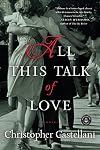
I tend to be an over-sharing sort of person. And I don't just share the good and the great but also those things that don't make me too proud. My annual Christmas letter is more than enough evidence of that. But life is very much packed with good and bad. So why shouldn't we admit to the unflattering and the unpalatable and talk about the things that would otherwise fester or haunt us, giving comfort to others who face similar challenges and disappointments? Not everyone wants to live this show more way though, only confidently sharing the highlights and suppressing the less than picture perfect. I know this because some of my family was this way. Just like with my own Italian-Irish family, Maddalena Grasso, one of the main characters in Castellani's latest novel, All This Talk of Love, works very much this way, prefering to move on without looking back, without confronting loss, always carrying her sadness with her but not allowing it into her forward-looking present. So what happens when her daughter decides that she wants to take her parents, who haven't seen family in the fifty years since they emigrated, back to Italy? Secrets and sadness and long untold tales tumble out into present view but it is only through the deep and sustaining love of the Grasso family, no matter what they have faced in the past or will in the future, that holds everything together.
Antonio and Maddalena came to America from Italy fifty years ago and in all that time, they haven't been back. Maddalena has never wanted to return, to see and talk to her family again, choosing instead to make her family and her life in the US. She is afraid that maintaining her connection to Italy will allow the past to resurface and so she has spent fifty years distancing herself from that past. She and Antonio have raised their own family, daughter Prima is the mother of adult sons of her own now and son Frankie is an academic earning his PhD. Antonio's restaurant continues to thrive even without his constant daily attendance. And although they will always mourn the death of their fifteen year old son Tony, they do not discuss it. They certainly appear contented as they move into their twilight years. But then at her son's confirmation party, Prima announces that she and husband Tom are taking the entire Grasso family back to Italy, to the village of Santa Cecilia, where it all began. And so begins the tug of war over whether or not they will be going to Italy between the determined Maddalena, who is adamantly against the trip, and her equally determined daughter Prima.
Narrated through the eyes of many of the characters, the novel examines the idea of memory, the past, and buried secrets. Every character has their own unexamined, unshared secrets which inform their reactions to not only the announcement of the Italy trip but also many other instances in their lives. And their perspectives of each other are also firmly rooted only in what they know, not those hidden and unsuspected things that lie just beneath the surface, the sadnesses, disappointments, and griefs. As Maddalena and Prima debate over whether or not the trip to Italy is going to happen, the reader watches the slow unfolding of the secrets and stories, ancient and new, that make each character who he or she is. Despite their inability to understand each other and their motivations, and in the face of the old tragedy of losing Tony and the newer health crises that hit the Grassos in the course of the novel, it is clear that although they sweep so many things under the rug and refuse to acknowledge them, above all else each of them truly loves and cares for the others.
Castellani has written a poignant, slowly revealed novel that captures the close knit Italian family experience and the many and varied ways in which the family members show their love for each other. The characters are all very real feeling although sometimes the explanations or motivations for their actions seemed a bit missing. Even as their deepest held secrets are revealed to the reader, it feels as if there's something still kept back, one final secret not shared. The story itself is slow moving, centered more on the concept of growing older, the power of memory, familial love, and the fallacy of going home again, in mind or in body, than on an action oriented plot. It is an introspective read, with all of the characters having the chance to muse on their own memories and understandings of their shared past especially as life keeps coming at them and subtly altering what they thought they remembered. A satisfying read to be savoured, this is actually the third novel in a loose trilogy but it easily stands on its own. show less
Antonio and Maddalena came to America from Italy fifty years ago and in all that time, they haven't been back. Maddalena has never wanted to return, to see and talk to her family again, choosing instead to make her family and her life in the US. She is afraid that maintaining her connection to Italy will allow the past to resurface and so she has spent fifty years distancing herself from that past. She and Antonio have raised their own family, daughter Prima is the mother of adult sons of her own now and son Frankie is an academic earning his PhD. Antonio's restaurant continues to thrive even without his constant daily attendance. And although they will always mourn the death of their fifteen year old son Tony, they do not discuss it. They certainly appear contented as they move into their twilight years. But then at her son's confirmation party, Prima announces that she and husband Tom are taking the entire Grasso family back to Italy, to the village of Santa Cecilia, where it all began. And so begins the tug of war over whether or not they will be going to Italy between the determined Maddalena, who is adamantly against the trip, and her equally determined daughter Prima.
Narrated through the eyes of many of the characters, the novel examines the idea of memory, the past, and buried secrets. Every character has their own unexamined, unshared secrets which inform their reactions to not only the announcement of the Italy trip but also many other instances in their lives. And their perspectives of each other are also firmly rooted only in what they know, not those hidden and unsuspected things that lie just beneath the surface, the sadnesses, disappointments, and griefs. As Maddalena and Prima debate over whether or not the trip to Italy is going to happen, the reader watches the slow unfolding of the secrets and stories, ancient and new, that make each character who he or she is. Despite their inability to understand each other and their motivations, and in the face of the old tragedy of losing Tony and the newer health crises that hit the Grassos in the course of the novel, it is clear that although they sweep so many things under the rug and refuse to acknowledge them, above all else each of them truly loves and cares for the others.
Castellani has written a poignant, slowly revealed novel that captures the close knit Italian family experience and the many and varied ways in which the family members show their love for each other. The characters are all very real feeling although sometimes the explanations or motivations for their actions seemed a bit missing. Even as their deepest held secrets are revealed to the reader, it feels as if there's something still kept back, one final secret not shared. The story itself is slow moving, centered more on the concept of growing older, the power of memory, familial love, and the fallacy of going home again, in mind or in body, than on an action oriented plot. It is an introspective read, with all of the characters having the chance to muse on their own memories and understandings of their shared past especially as life keeps coming at them and subtly altering what they thought they remembered. A satisfying read to be savoured, this is actually the third novel in a loose trilogy but it easily stands on its own. show less
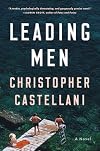
This book was ground breaking for me in many ways. The structure was brilliant, but more than that was the rendering of the relationships - so difficult to define with societal lexicon - which suffered because there was no acceptable construct. There was so much love and caring between Frank and Tennessee and between Frank and Anja, but because these relationships were outside the norm, they were terribly vulnerable and subject to uproar. Never before have I read and empathized with show more characters who faced such exclusion from what was mainstream with regard to legitimizing relationships. Living in the shadow of a great artist, Frank Merlo won my heart. I truly rooted for him and in the end wept for him.
Besides providing an incredible lens into undefinable relationships there was the extreme fun of being in post war Italy and gaining a glimpse into the private lives (and social lives) of people like Tennessee Williams and Truman Capote. The insertion of screen play and and the alternating time lines (something I really love) made this book different, ambitious, and hard to put down. I can't wait to discuss it with other readers. show less
Besides providing an incredible lens into undefinable relationships there was the extreme fun of being in post war Italy and gaining a glimpse into the private lives (and social lives) of people like Tennessee Williams and Truman Capote. The insertion of screen play and and the alternating time lines (something I really love) made this book different, ambitious, and hard to put down. I can't wait to discuss it with other readers. show less
I so loved this book!!! When I received this copy from Early Reviewers I hadn't realized I'd read the author's previous two stories and very much enjoyed them as well. Being from Italian descent, this was like reading a story about my own family. The values, traditions, food, and the way each character interacts with one another was beyond familiar. The deep rooted family ties that bind us and also drive us crazy were evident in this saga. The author authentically defines the Italian family show more in the most emotional, beautiful, and passionate way. This heartwarming story will stay with me for a very long time and would highly recommend it. show less
 This review was written for LibraryThing Early Reviewers.
The titular Leading Men are Tennessee Williams, Frank Merlo, John (Jack) Horne Burns, and Sandro Nencini, with appearances by Truman Capote and Jack Dunphy, and two entirely fictional characters: Anja Blomgren (Bloom) and Sandrino, Sandro's son. But the book belongs mainly to Frank and to Anja.
The characters come together in Portofino, Italy, in the early 1950s; Tenn and Frank meet Jack and Sandro at a party at Truman Capote's house, and Anja and her mother Bitte as well. Their lives become show more somewhat messily entertwined, with Anja accompanying Tenn and Frank, who say they will help her get "discovered," and Sandro calling Frank back to help him manage Jack, who dies from alcoholism and heatstroke.
Closer to the present, Frank waits in Memorial hospital in New York for Tenn to visit him one last time as he's dying of lung cancer; Tenn sends Anja a final, secret manuscript; Sandrino seeks out Anja; and at last, Tenn's final play is staged.
A very good book in the category of historical fiction that takes real people as its characters. For me, it did not have that immersive, page-turning quality, but I think it was a case of wrong book at the wrong time; I would still recommend to those who like this genre.
Quotes
He was afraid that once you gave something a name, it would turn on you. (38)
If you cannot see the struggle in a thing, its intricate craftsmanship, the precious irretrievable hours it stole from a person's life, how can you determine its value? (Anja, 61)
"Of all the desires, curiosity is the only one capable of keeping a person alive." (Anja, 63)
If you didn't have your own life force, no one could lend you his. (Frank, 84)
"Because I find the leading lady transcendent and her director imperious to the point of nausea?"
"Yes. Because - I'm sorry to say it - she is a Garbo knockoff and he is famously, undeniably magnetic." (Anja and Tenn, 178)
"Such relief, for just a moment, it's as sweet as love." (Tenn in Call It Joy, 208)
"We tell you love because what we know it's what you want to hear."
"It's the anger." (Anna and Anja re: secret ingredient in pasta sauce, to Frank, 238)
Frank had yet to develop an armor against the sudden ache for him that overtook him at moments like this, when his absence felt less like a habit than an affliction. (Frank, 243)
How many lives could a person lead at one time, and how did you keep them from crashing into each other? (Frank, 252)
Tenn was always looking for trouble....Something was always wrong. Something was always about to go wrong. Something that seemed right couldn't possibly be all right. (271)
...she feels the relief that comes when possibilities are taken away. (334) show less
The characters come together in Portofino, Italy, in the early 1950s; Tenn and Frank meet Jack and Sandro at a party at Truman Capote's house, and Anja and her mother Bitte as well. Their lives become show more somewhat messily entertwined, with Anja accompanying Tenn and Frank, who say they will help her get "discovered," and Sandro calling Frank back to help him manage Jack, who dies from alcoholism and heatstroke.
Closer to the present, Frank waits in Memorial hospital in New York for Tenn to visit him one last time as he's dying of lung cancer; Tenn sends Anja a final, secret manuscript; Sandrino seeks out Anja; and at last, Tenn's final play is staged.
A very good book in the category of historical fiction that takes real people as its characters. For me, it did not have that immersive, page-turning quality, but I think it was a case of wrong book at the wrong time; I would still recommend to those who like this genre.
Quotes
He was afraid that once you gave something a name, it would turn on you. (38)
If you cannot see the struggle in a thing, its intricate craftsmanship, the precious irretrievable hours it stole from a person's life, how can you determine its value? (Anja, 61)
"Of all the desires, curiosity is the only one capable of keeping a person alive." (Anja, 63)
If you didn't have your own life force, no one could lend you his. (Frank, 84)
"Because I find the leading lady transcendent and her director imperious to the point of nausea?"
"Yes. Because - I'm sorry to say it - she is a Garbo knockoff and he is famously, undeniably magnetic." (Anja and Tenn, 178)
"Such relief, for just a moment, it's as sweet as love." (Tenn in Call It Joy, 208)
"We tell you love because what we know it's what you want to hear."
"It's the anger." (Anna and Anja re: secret ingredient in pasta sauce, to Frank, 238)
Frank had yet to develop an armor against the sudden ache for him that overtook him at moments like this, when his absence felt less like a habit than an affliction. (Frank, 243)
How many lives could a person lead at one time, and how did you keep them from crashing into each other? (Frank, 252)
Tenn was always looking for trouble....Something was always wrong. Something was always about to go wrong. Something that seemed right couldn't possibly be all right. (271)
...she feels the relief that comes when possibilities are taken away. (334) show less
Lists
Awards


You May Also Like


Associated Authors
Statistics
- Works
- 6
- Also by
- 2
- Members
- 769
- Popularity
- #33,094
- Rating
- 3.6
- Reviews
- 63
- ISBNs
- 33
- Languages
- 3
