

Chol-Hwan Kang
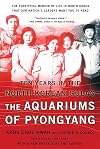
Author of The Aquariums Of Pyongyang: Ten Years In The North Korean Gulag
About the Author
Image credit: Kang Chol-Hwan
Works by Chol-Hwan Kang
대왕의 제전: 그리운 어머니 v.3 1 copy
Tagged
Common Knowledge
- Canonical name
- Kang, Chol-Hwan
- Legal name
- 강철환
- Other names
- Kang Ch'ŏl-hwan
Gang Cheol-hwan - Birthdate
- 1968
- Gender
- male
- Nationality
- North Korea
- Birthplace
- Pyongyang, North Korea
- Places of residence
- Seoul, South Korea
- Associated Place (for map)
- North Korea
Members
Reviews

A moving account of his life by a refugee from North Korea. Imprisoned with his family in a labour camp at the age of 9 due to alleged political "crimes" committed by his grandfather, he spent the following decade there, working as a slave labourer and having to catch rats and salamanders to supplement the starvation diet in the camp (and there are camps far worse there as well). I have read a fair amount of Nazi and Soviet camp literature, but the stark horrors of North Korean oppression show more and fanaticism have a dimension that is quite unique, partly I guess because this regime still exists and seems as ostensibly strong and grotesque as ever under its new young leader, Kim Jong-un. A few years after his release in 1987, he sensed the long arm of the security agents closing in on him again for listening to South Korean radio broadcasts. He and a friend resolved to escape the country by way of China, and eventually reached South Korea, though having to keep his escape an absolute secret, he could not tell his plans even to his surviving family, who remain trapped in the Hermit State to this day. His efforts and those of other refugees from the North to acclimatise to life in a much freer and more prosperous society are especially moving and pathetic (in the true sense of the word). His was one of the first accounts to emerge on life in North Korea and gives some cause for optimism, not only as it shows a personal happy outcome for the author, but also gave him the opportunity to expose the regime's atrocities to a wider audience. show less
A Journey No Person Should Ever Need to Take
"Aquariums of Pyongyang" is one of the first books I read about the experience of people in North Korea. It details a young man's family's life in the North Korean gulag. It is one of several recent biographies that show the sheer violence and absurdity of everyday life in North Korea.
The book begins with Chol-hwan Kang's life as a middle-class resident of Pyongyang. The family was thrown into the gulag without reason. There, they suffered years show more and years of hardship, which Kang details in this book. Kang escaped the country through his own cunning and then made it to safety through a network of like-minded people fighting for North Korean citizens.
This book offers something that human rights reports cannot: the author's own heart-wrenching story. It is not filled with statistics and numbers, but it is filled with family and feelings. This makes "The Aquariums of Pyongyang" unforgettable. show less
"Aquariums of Pyongyang" is one of the first books I read about the experience of people in North Korea. It details a young man's family's life in the North Korean gulag. It is one of several recent biographies that show the sheer violence and absurdity of everyday life in North Korea.
The book begins with Chol-hwan Kang's life as a middle-class resident of Pyongyang. The family was thrown into the gulag without reason. There, they suffered years show more and years of hardship, which Kang details in this book. Kang escaped the country through his own cunning and then made it to safety through a network of like-minded people fighting for North Korean citizens.
This book offers something that human rights reports cannot: the author's own heart-wrenching story. It is not filled with statistics and numbers, but it is filled with family and feelings. This makes "The Aquariums of Pyongyang" unforgettable. show less

North Korea's much in the news at the moment, so it seemed appropriate to give Kang Chol-hwan's memoir of life in one of the country's gulags the time I'd always intended. Though it covers a period prior to the current famine and escalation in tensions, the delusion, paranoia and adolescent egotism of the country's dictators is much in evidence. Some have criticised Chol-hwan and Rigolout for the lack of urgency in their prose, but the contemplative style shows the mundanity of the show more inhumanity inflicted on North Koreans more shockingly than any tabloid language could. The disturbing nature of the torture is almost matched by the hints of nostalgia that peak through the prose – a reminder of how little the victims of the Kim regime expect from the world. show less
I almost didn't read this book when in the author's forward he described meeting George Bush in the White House and his connection with Bush in that they are both born-again Christians. The meeting is apparently also described in Bush's book Decision Points, and I feared a political agenda would underly this memoir of growing up in a North Korean prison camp. I needn't have feared--this is a vivid, touching and generous painting of a child's life in North Korea, and how early he was forced show more into the rigors of adulthood in a prison camp.
Kang's family lived in Japan as expatriate Koreans, and became quite wealthy. Kang's grandmother, inspired by the idealism of communism, insisted that the family return to North Korea. On their return, their life was good, though not as comfortable as they had lived in Japan, and Kang's early childhood was idyllic and carefree. Then in 1977, when Kang was 9, the entire family was exiled to a remote prison camp because of a statement made by his grandfather. Only his mother was spared, as she came from a "hero" family. Kang experienced 10 years of hardship, deprivation and cruelty, and witnessed the suffering and deaths of children and adults alike. Though there are now other similar books, this was apparently the first memoir by an escapee from the camps, and it is unique in that it focuses on the experience through the eyes of a child, although one who was forced to grow up too soon.
I intend to follow this with Nothing to Envy. show less
Kang's family lived in Japan as expatriate Koreans, and became quite wealthy. Kang's grandmother, inspired by the idealism of communism, insisted that the family return to North Korea. On their return, their life was good, though not as comfortable as they had lived in Japan, and Kang's early childhood was idyllic and carefree. Then in 1977, when Kang was 9, the entire family was exiled to a remote prison camp because of a statement made by his grandfather. Only his mother was spared, as she came from a "hero" family. Kang experienced 10 years of hardship, deprivation and cruelty, and witnessed the suffering and deaths of children and adults alike. Though there are now other similar books, this was apparently the first memoir by an escapee from the camps, and it is unique in that it focuses on the experience through the eyes of a child, although one who was forced to grow up too soon.
I intend to follow this with Nothing to Envy. show less
Lists
You May Also Like


Associated Authors
Statistics
- Works
- 4
- Members
- 885
- Popularity
- #28,943
- Rating
- 3.9
- Reviews
- 29
- ISBNs
- 21
- Languages
- 9