

Jay Kopelman
Author of From Baghdad, With Love: A Marine, the War, and a Dog Named Lava
About the Author
Works by Jay Kopelman
Tagged
Common Knowledge
- Birthdate
- 20th Century
- Gender
- male
- Nationality
- USA
- Associated Place (for map)
- USA
Members
Reviews
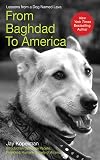
Jay Kopelman's FROM BAGHDAD TO AMERICA is a slight book, but it packs a powerful punch. In his first book, the bestselling FROM BAGHDAD WITH LOVE, the focus was on Lava, the dog Kopelman rescued in Iraq, and the network of animal lovers who helped him have the dog shipped back to his home in California. There was, in other words, the "warm fuzzy" feeling associated with most "dog books." That first book had a co-author, Melinda Roth, who, I suspect, had a slightly civilizing influence on the show more "Marine side" of Kopelman.
The new book, about what happened once Kopelman got Lava - and himself - back home from the war, is not nearly so warm and fuzzy. It is all about the difficulties of readjustment to peacetime America, where the other 98% of Americans just kept on shopping, largely oblivious to the wars in Iraq and Afghanistan and the heavy physical, mental, and emotional price being paid by our all-volunteer military. Turns out both the dog and the man have serious problems with control and anger managment. One of the book's early readers, Andrew Carroll (author of WAR LETTERS), called the book "damn funny." And there is humor here, but it is of a very hard-edged sort, laced with anger - perhaps even a barely suppressed rage.
The best thing Kopelman does here is to finally admit that perhaps he does indeed have some problems, that he may be a victim himself of PTSD. The chapter "Opening the Snivel Book" is perhaps the most telling - and the most important - part of the whole book. I salute LTC Kopelman for his honesty and his courage in writing "the rest of the story," for this could well be a much more important book than his first. show less
The new book, about what happened once Kopelman got Lava - and himself - back home from the war, is not nearly so warm and fuzzy. It is all about the difficulties of readjustment to peacetime America, where the other 98% of Americans just kept on shopping, largely oblivious to the wars in Iraq and Afghanistan and the heavy physical, mental, and emotional price being paid by our all-volunteer military. Turns out both the dog and the man have serious problems with control and anger managment. One of the book's early readers, Andrew Carroll (author of WAR LETTERS), called the book "damn funny." And there is humor here, but it is of a very hard-edged sort, laced with anger - perhaps even a barely suppressed rage.
The best thing Kopelman does here is to finally admit that perhaps he does indeed have some problems, that he may be a victim himself of PTSD. The chapter "Opening the Snivel Book" is perhaps the most telling - and the most important - part of the whole book. I salute LTC Kopelman for his honesty and his courage in writing "the rest of the story," for this could well be a much more important book than his first. show less
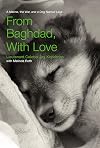
A group of Marines in Iraq found a puppy in an abandoned building they took over. They named the puppy Lava, and despite a military order not to care for any animals, the Marines fell for the cute little guy, and Kopelman started to worry about what would happen to Lava when they left. He did everything he could to make sure Lava was brought to the United States.
It was good and what animal-lover wouldn’t fall for the cute, but slightly obnoxious puppy Lava!? Loved reading about Lava, and show more found that more interesting than the details of the extremely difficult task of shipping him to the U.S. No surprise that I teared up a few times. show less
It was good and what animal-lover wouldn’t fall for the cute, but slightly obnoxious puppy Lava!? Loved reading about Lava, and show more found that more interesting than the details of the extremely difficult task of shipping him to the U.S. No surprise that I teared up a few times. show less
I had just finished reading [b:From Baghdad to America: Life Lessons from a Dog Named Lava|3827730|From Baghdad to America Life Lessons from a Dog Named Lava|Jay Kopelman|https://d202m5krfqbpi5.cloudfront.net/books/1328772689s/3827730.jpg|13633378] when I picked this up. So, with my head still full of puppy Lava love, I expected (and wanted) this sequel to tell me more about Lava's cute doggie antics and his happy life ever after in the States. That and only that. I wanted his traumatic life show more in Baghdad to have ended forever. But life is not a fairy tale.
As Kopelman said, war changes people. Dogs, too.
In this sequel, Kopelman tells us about his and Lava's transition into civilian life. We read how Kopelman sees himself mirrored in Lava's own reality with PTSD and the steps they are taking to get better.
We come to understand how redeployed soldiers view civilians and civilian life through eyes that had just seen the atrocities of war, their struggle to understand why life goes on here while their buddies die and get maimed in Iraq, their sense of loss, and feeling out of place even in most familiar surroundings. Many war veterans come home, leave Iraq (and Afghanistan) behind, but Iraq does not leave them. The States feels like a foreign country. They would rather go back to Iraq. It may not be home, but it's where they now fit in.
Here in the States, we, civilians, hear stories of veterans who are not adjusting well to civilian life. We think them of them as crazies or, worse, pitiful drunks or drug addicts. Kopelman knows this, and he kindly acknowledges that civilians cannot know what veterans have gone through and still go through. He cannot blame us, he says. I agree. How would we know? We can never know exactly, but we can and should make the effort to learn to see their struggles from their point of view, not to pity them but to love and understand them. Kopelman's story helps us with that.
This book is also for veterans. Kopelman remains committed to his leadership role. He identifies problems within the military culture that creates this idea that to acknowledge a problem is to acknowledge weakness, and to seek help is to somehow give up your warrior status. Kopelman encourages these warriors to seek help by going to therapy himself. He doesn't think he has PTSD. Lava does. But he goes through therapy nevertheless.
"The experience of therapy has been . . . well, frankly, unsettling. I've opened myself up to a complete stranger and answered questions even Lava knows better than to ask me. If it helps any of my fellow Marines to realize that help is not a four-letter word, though, it will be worthwhile" (p. 149)
Stories of Lava can be found throughout the book, don't worry. You'll find out more about his personality and life as an American dog. All I can say is, I love him all the more.
Kopelman also graciously shares some letters from other veterans (WWII, Korea, Iraq) who shared their own stories about their dog bestfriends in foreign countries during their deployment. I love these letters, and I wish there were more of them. A project for a new book perhaps? :) show less
As Kopelman said, war changes people. Dogs, too.
In this sequel, Kopelman tells us about his and Lava's transition into civilian life. We read how Kopelman sees himself mirrored in Lava's own reality with PTSD and the steps they are taking to get better.
We come to understand how redeployed soldiers view civilians and civilian life through eyes that had just seen the atrocities of war, their struggle to understand why life goes on here while their buddies die and get maimed in Iraq, their sense of loss, and feeling out of place even in most familiar surroundings. Many war veterans come home, leave Iraq (and Afghanistan) behind, but Iraq does not leave them. The States feels like a foreign country. They would rather go back to Iraq. It may not be home, but it's where they now fit in.
Here in the States, we, civilians, hear stories of veterans who are not adjusting well to civilian life. We think them of them as crazies or, worse, pitiful drunks or drug addicts. Kopelman knows this, and he kindly acknowledges that civilians cannot know what veterans have gone through and still go through. He cannot blame us, he says. I agree. How would we know? We can never know exactly, but we can and should make the effort to learn to see their struggles from their point of view, not to pity them but to love and understand them. Kopelman's story helps us with that.
This book is also for veterans. Kopelman remains committed to his leadership role. He identifies problems within the military culture that creates this idea that to acknowledge a problem is to acknowledge weakness, and to seek help is to somehow give up your warrior status. Kopelman encourages these warriors to seek help by going to therapy himself. He doesn't think he has PTSD. Lava does. But he goes through therapy nevertheless.
"The experience of therapy has been . . . well, frankly, unsettling. I've opened myself up to a complete stranger and answered questions even Lava knows better than to ask me. If it helps any of my fellow Marines to realize that help is not a four-letter word, though, it will be worthwhile" (p. 149)
Stories of Lava can be found throughout the book, don't worry. You'll find out more about his personality and life as an American dog. All I can say is, I love him all the more.
Kopelman also graciously shares some letters from other veterans (WWII, Korea, Iraq) who shared their own stories about their dog bestfriends in foreign countries during their deployment. I love these letters, and I wish there were more of them. A project for a new book perhaps? :) show less
First I really liked the book so that is why I am giving it 5 stars. It was different, his writing style is very colorful and seems to pack a punch into each paragraph. I also respect those who serve our country, in particular our Marines.
They find the puppy while doing searches of buildings in Fallujah and then the rest of the book is spent finding a way to get the dog back to America instead of being killed like dogs found on bases are supposed to be dealt with. Interesting story and the show more organization of the book keeps the suspense going.
The big factor in this book is that it deals with the Iraq war during it's worse time leading up to the election. References to death are frequent. Some people may not enjoy hearing about them. Then now that the Biden administration handed back Iraq to the insurgents and left so many people behind, so that it is far worse then our withdrawal from Vietnam, being reminded of our sacrifice and investment all going for naught is painful.
Wesley Banks has it on his website at this time in his list of 100 best books on dogs. So much depends on what a persons criteria is to consider it one of the top 100, but while the book is good, and the dog is in through-out this book as the common thread, we only hear of the dog's roo-roo-roo, chewing, and going to the bathroom. So the real focus is on the Colonel and all those who took on the risk to help a helpless little dog. To me, a 'best' dog book has more of the dog in it. Still a great book. show less
They find the puppy while doing searches of buildings in Fallujah and then the rest of the book is spent finding a way to get the dog back to America instead of being killed like dogs found on bases are supposed to be dealt with. Interesting story and the show more organization of the book keeps the suspense going.
The big factor in this book is that it deals with the Iraq war during it's worse time leading up to the election. References to death are frequent. Some people may not enjoy hearing about them. Then now that the Biden administration handed back Iraq to the insurgents and left so many people behind, so that it is far worse then our withdrawal from Vietnam, being reminded of our sacrifice and investment all going for naught is painful.
Wesley Banks has it on his website at this time in his list of 100 best books on dogs. So much depends on what a persons criteria is to consider it one of the top 100, but while the book is good, and the dog is in through-out this book as the common thread, we only hear of the dog's roo-roo-roo, chewing, and going to the bathroom. So the real focus is on the Colonel and all those who took on the risk to help a helpless little dog. To me, a 'best' dog book has more of the dog in it. Still a great book. show less
Lists
You May Also Like


Associated Authors
Statistics
- Works
- 4
- Members
- 888
- Popularity
- #28,846
- Rating
- 3.8
- Reviews
- 33
- ISBNs
- 34
- Languages
- 7