

Chantal Mouffe
Author of Hegemony and Socialist Strategy: Towards a Radical Democratic Politics
About the Author
Chantal Mouffe is Professor of Political Theory at the University of Westminster in London. Her previous books include The Democratic Paradox, The Return of the Political, and Hegemony and Socialist Strategy, all available from Verso.
Works by Chantal Mouffe
Gramsci Today 1 copy
On the political 1 copy
Associated Works
Toiset 1 copy
Tagged
Common Knowledge
- Canonical name
- Mouffe, Chantal
- Birthdate
- 1943-06-17
- Gender
- female
- Education
- Université catholique de Louvain
Université de Paris
University of Essex - Occupations
- professor
- Organizations
- University of Westminster
- Nationality
- Belgium
- Birthplace
- Charleroi, Belgium
- Places of residence
- Charleroi, Belgium
London, England, UK - Associated Place (for map)
- Belgium
Members
Reviews
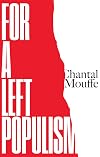
Um livrinho fácil de ler, mas que soa sempre mais superficial do que eu gostaria e como que escrito às pressas. A introdução de Jean Tiblé não ajuda, fazendo o estilo da introdução-contra, que geralmente só funciona quando se trata de escritos mais estabelecidos e profusos. Não é exatamente uma crítica a um livro que já tem uma preocupação com acessibilidade, o que se espera numa obra assim. Mas sobre o conteúdo: sim, é importante pensar o populismo, qual seja, a estratégia show more (macro) política que envolve a construção ativa do povo, como noção e como conjunto social. Que isso pressupõe antagonismos sociais (excluídos vs statos quo) e um fundo no qual esses são desenhados (hegemonia), este último abrindo espaço para desestabilizações e lutas contra-hegemônicas, visando eventualmente estabelecer uma nova hegemonia (democrática radical contra a atual neoliberal, no caso do populismo de esquerda).
Pensando, não sei se estamos num interregnum, oportunidade em que a pós-democracia do esvaziamento dos antagonismos políticos abriria espaço para a construção de uma hegemonia que possa ser democraticamente agonística (e não antagonista, de oposição à oligarquia atual) e tornar o "nós" e o coletivo um valor que se impõe afetivamente sobre o individualismo consumista. Tampouco sei se os surtos democráticos atuais, ligados à explosões das causas minoritárias não acabam sendo absorvidos tais como aqueles das décadas de 60.
Sobre a edição. Por mais que eu fique animado com o fato da editora ser nova e a o livro ser bonito, além de trazer um livro recente comentado por aí (que eu não tenha gostado é incidental), devo dizer que a revisão dessa versão (2020) está bastante ruim, com mais de uma ocorrência de linhas repetidas. Há também uma questão menor de o texto das abas estar num tipo ilegível. show less
Pensando, não sei se estamos num interregnum, oportunidade em que a pós-democracia do esvaziamento dos antagonismos políticos abriria espaço para a construção de uma hegemonia que possa ser democraticamente agonística (e não antagonista, de oposição à oligarquia atual) e tornar o "nós" e o coletivo um valor que se impõe afetivamente sobre o individualismo consumista. Tampouco sei se os surtos democráticos atuais, ligados à explosões das causas minoritárias não acabam sendo absorvidos tais como aqueles das décadas de 60.
Sobre a edição. Por mais que eu fique animado com o fato da editora ser nova e a o livro ser bonito, além de trazer um livro recente comentado por aí (que eu não tenha gostado é incidental), devo dizer que a revisão dessa versão (2020) está bastante ruim, com mais de uma ocorrência de linhas repetidas. Há também uma questão menor de o texto das abas estar num tipo ilegível. show less

Hegemonía y estrategia socialista es una obra que, desde su primera edición en 1985, se convirtió en una referencia ineludible de las ciencias sociales y ha estado en el centro de diversas discusiones teóricas. En ella, Ernesto Laclau y Chantal Mouffe abordan la crisis del marxismo a través de una crítica a su esencialismo filosófico y a su concepto de sujeto unitario y fundante.
A partir del legado de Gramsci y nutridos en gran medida por el postestructuralismo –en especial la show more deconstrucción y la teoría lacaniana–, examinan la hegemonía como una categoría central del análisis político y estudian su formulación y su desarrollo. El mundo globalizado y neoliberal, explorado mediante esta categoría, deja de ser el único natural y posible, y se presenta como la expresión de cierta configuración de las relaciones de poder.
En este sentido, los autores sostienen: "La izquierda debe comenzar a elaborar una alternativa creíble frente al orden neoliberal, en lugar de tratar simplemente de administrar a este último de un modo más humano. Esto, desde luego, requiere trazar nuevas fronteras políticas y reconocer que no puede haber política radical sin la identificación de un adversario. Es decir que lo que se requiere es la aceptación del carácter inerradicable del antagonismo".
Es precisamente en esa noción de antagonismo social donde fundan su proyecto socialista: una democracia radical y plural capaz de articular las múltiples luchas contra las distintas formas de subordinación que se libran en los países capitalistas centrales y periféricos. show less
A partir del legado de Gramsci y nutridos en gran medida por el postestructuralismo –en especial la show more deconstrucción y la teoría lacaniana–, examinan la hegemonía como una categoría central del análisis político y estudian su formulación y su desarrollo. El mundo globalizado y neoliberal, explorado mediante esta categoría, deja de ser el único natural y posible, y se presenta como la expresión de cierta configuración de las relaciones de poder.
En este sentido, los autores sostienen: "La izquierda debe comenzar a elaborar una alternativa creíble frente al orden neoliberal, en lugar de tratar simplemente de administrar a este último de un modo más humano. Esto, desde luego, requiere trazar nuevas fronteras políticas y reconocer que no puede haber política radical sin la identificación de un adversario. Es decir que lo que se requiere es la aceptación del carácter inerradicable del antagonismo".
Es precisamente en esa noción de antagonismo social donde fundan su proyecto socialista: una democracia radical y plural capaz de articular las múltiples luchas contra las distintas formas de subordinación que se libran en los países capitalistas centrales y periféricos. show less
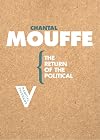
Just finished this great book. Chantal Mouffe, who has collaborated in the past with Ernesto Laclau, steers a very persuasive course between liberal political philosophers like Rawls and Dworkin and their communitarian critics, like MacIntyre and Sandel.
The central insight of the several essays collected in this book is that we must strive for new articulations of political liberalism that will articulate new subject positions, new radical democratic identities, while at the same time not show more falling prey to the nostalgic communitarian longing for a premodern community united by an idea of the good.
Mouffe frequently cites Claude Lefort (as well as Norberto Bobbi) as providing the key insight into modernity: we live in a society where the position of power and knowledge is empty, where anyone who fills that position must acknowledge that they do not occupy it authoritatively. In other words, the modern condition is the priority of the right over the good (a central liberal tenet): there is no more king, no more sovereign figure justified by a meta-narrative that could be representative of society.
In the face of the modern plurality of conceptions of the good life (a plurality which Mouffe argues, along with Raz, we must see not just as a “fact” to be dealt with, but as a value central to liberal democracy) we must prioritize individual rights and forget the dream for an organic community united by a vision of the good life (here we have a linkage with Jean-Luc Nancy’s The Inoperative Community, though I found that this book exhausted its stockpile of interesting ideas in the first few pages). Though Mouffe takes a great deal of inspiration from Carl Schmitt, one of the points she faults him on is (naturally) his organicist dream for society. As he says, democracy (the equivalence, the homogeneity of the governed and the governing) is compatible with fascism and communism; it is the protection of individual rights and the concomitant public/private division that is at odds with authoritarin societies, and that Schmitt sees as being in fundamental contradiction with democracy. Mouffe argues convincingly that this tension between the homogeneity imposed by democracy and the individualism that is part of liberalism is an essential and productive tension of modern liberal democracies, and we should not seek to overcome it. We should, with Derrida (and with Habermas, some would argue) see democracy as an ever-expanding horizon–democracy a venir, to come.
All of the essays in this book are eminently readable and, despite their revolving around a core of very related ideas, each essay has something unique to offer. Moreover, I would say that the essays that appear, from their titles, to have the most parochial concerns (those devoted to feminism, Schmitt, Bobbio and C B MacPherson) are the most valuable. If you just getting into modern political philosophy I highly recommend this book.
Verdict: somewhere between 4.5 and 5 stars out of 5.
By the way, I have to commend Verso for their Radical Thinkers Series. So far I’ve read this book by Mouffe, Baudrillard’s The System of Objects (which is by far the best Baudrillard I’ve ever read), and have Derrida’s The Politics of Friendship on the Christmas-books-to-read list. show less
The central insight of the several essays collected in this book is that we must strive for new articulations of political liberalism that will articulate new subject positions, new radical democratic identities, while at the same time not show more falling prey to the nostalgic communitarian longing for a premodern community united by an idea of the good.
Mouffe frequently cites Claude Lefort (as well as Norberto Bobbi) as providing the key insight into modernity: we live in a society where the position of power and knowledge is empty, where anyone who fills that position must acknowledge that they do not occupy it authoritatively. In other words, the modern condition is the priority of the right over the good (a central liberal tenet): there is no more king, no more sovereign figure justified by a meta-narrative that could be representative of society.
In the face of the modern plurality of conceptions of the good life (a plurality which Mouffe argues, along with Raz, we must see not just as a “fact” to be dealt with, but as a value central to liberal democracy) we must prioritize individual rights and forget the dream for an organic community united by a vision of the good life (here we have a linkage with Jean-Luc Nancy’s The Inoperative Community, though I found that this book exhausted its stockpile of interesting ideas in the first few pages). Though Mouffe takes a great deal of inspiration from Carl Schmitt, one of the points she faults him on is (naturally) his organicist dream for society. As he says, democracy (the equivalence, the homogeneity of the governed and the governing) is compatible with fascism and communism; it is the protection of individual rights and the concomitant public/private division that is at odds with authoritarin societies, and that Schmitt sees as being in fundamental contradiction with democracy. Mouffe argues convincingly that this tension between the homogeneity imposed by democracy and the individualism that is part of liberalism is an essential and productive tension of modern liberal democracies, and we should not seek to overcome it. We should, with Derrida (and with Habermas, some would argue) see democracy as an ever-expanding horizon–democracy a venir, to come.
All of the essays in this book are eminently readable and, despite their revolving around a core of very related ideas, each essay has something unique to offer. Moreover, I would say that the essays that appear, from their titles, to have the most parochial concerns (those devoted to feminism, Schmitt, Bobbio and C B MacPherson) are the most valuable. If you just getting into modern political philosophy I highly recommend this book.
Verdict: somewhere between 4.5 and 5 stars out of 5.
By the way, I have to commend Verso for their Radical Thinkers Series. So far I’ve read this book by Mouffe, Baudrillard’s The System of Objects (which is by far the best Baudrillard I’ve ever read), and have Derrida’s The Politics of Friendship on the Christmas-books-to-read list. show less
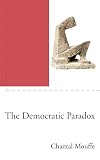
Another solid contribution from Chantal Mouffe. Approaches the notion of liberal democracy by way of the concept of paradox, due to the fundamental, constitutive tension (and mutual "contamination" as she puts it) between democracy and liberalism.
Mouffe argues that, contrary to the current "third way" type of politics that claims to have eschewed right- and left-wing as political categories--that claims to have gone beyond political conflict, there is in fact a need to recognize the show more inherently conflictual nature of democratic politics, and that attempts to sidestep it are bad for democracies.
One particularly interesting insight from Mouffe is that, with regard to the inherent agonism of (liberal?) democracies, not just the neo-liberal, third wave folks but also the pomo, fuzzy thinking leftitsts of today have it wrong, because while they recognize and even valorize "confrontation with the other" or even "infinite controntation with the other", they see such interaction as possible without actual conflict, without antagonism which, Mouffe argues, is essential to politics.
The one disappointing thing about this book is that it seems basically to just build on and re-iterate themes from The Return of the Political, without really introducing anything very new. show less
Mouffe argues that, contrary to the current "third way" type of politics that claims to have eschewed right- and left-wing as political categories--that claims to have gone beyond political conflict, there is in fact a need to recognize the show more inherently conflictual nature of democratic politics, and that attempts to sidestep it are bad for democracies.
One particularly interesting insight from Mouffe is that, with regard to the inherent agonism of (liberal?) democracies, not just the neo-liberal, third wave folks but also the pomo, fuzzy thinking leftitsts of today have it wrong, because while they recognize and even valorize "confrontation with the other" or even "infinite controntation with the other", they see such interaction as possible without actual conflict, without antagonism which, Mouffe argues, is essential to politics.
The one disappointing thing about this book is that it seems basically to just build on and re-iterate themes from The Return of the Political, without really introducing anything very new. show less
Lists
Awards


You May Also Like


Associated Authors
Statistics
- Works
- 23
- Also by
- 3
- Members
- 1,651
- Popularity
- #15,563
- Rating
- 3.8
- Reviews
- 9
- ISBNs
- 120
- Languages
- 13
- Favorited
- 3