
Monica Kulling
Author of Escape North! The Story of Harriet Tubman
About the Author
Image credit: Monica Kulling
Series
Works by Monica Kulling
The Adventures of Tom Sawyer (A Stepping Stone Book(TM)) (1995) — Adaptation — 157 copies, 2 reviews
To the Rescue! Garrett Morgan Underground: Great Ideas Series (Great Idea Series) (2016) 53 copies, 12 reviews
On Our Way to Oyster Bay: Mother Jones and Her March for Children's Rights (2016) 43 copies, 7 reviews
Ruby's Hope: A Story of How the Famous “Migrant Mother” Photograph Became the Face of the Great Depression (2019) 35 copies, 2 reviews
Mary Anning's curiosity 1 copy
say it out loud 1 copy
The Adventure of Tom Sawyer 1 copy
Associated Works
Tagged
Common Knowledge
- Gender
- female
- Occupations
- author
poet - Short biography
- MONICA KULLING was born in Vancouver, British Columbia. A poet, she has also published many books for children. Best known for her clear and engaging biographies, she has tackled subjects ranging from Harriet Tubman and Eleanor Roosevelt to Harry Houdini. Her book It’s A Snap! George Eastman’s First Photo, illustrated by Bill Slavin, was the first in Tundra’s Great Idea Series. Monica Kulling lives in Toronto. Visit her website at http://monicakulling.com/
- Nationality
- Canada
- Birthplace
- Vancouver, British Columbia, Canada
- Places of residence
- Toronto, Ontario, Canada
Chilliwack, British Columbia, Canada
Switzerland
Vancouver, British Columbia, Canada - Associated Place (for map)
- British Columbia, Canada
Members
Reviews

Known as something of a tomboy when she was young, Sara Josephine Baker wasn't your everyday late-nineteenth-century American girl. Inspired by a childhood encounter with two doctors (a father and son), and spurred on by the death of both her brother and her father from typhoid fever, after their town's drinking water was poisoned by raw sewage, Baker decided to become a doctor herself - something quite unusual for the women of her day. Studying at the medical school founded by Elizabeth show more Blackwell (the first woman in the USA to receive a medical degree), Baker graduated in 1898. In 1901 she became a health inspector in New York City, assigned to the rough immigrant neighborhood known as Hell's Kitchen. Here she found that the impoverished conditions were particularly rough on her most vulnerable patients: infants and young children. Always one to rise to the occasion, "Dr. Jo" eventually came up with some solutions to the problems she observed, whether it was the heatstroke caused by overly tight "swaddling" clothes (she invented her own infant wear!) to the incorrect dosages often given of silver nitrate for babies' eyes (she created a storage system made of beeswax!). By the time she retired, this amazing doctor had saved over 90,000 young children with her inventions and innovations...
I had never heard of this amazing medical pioneer before picking up Monica Kulling's Dr. Jo: How Sara Josephine Baker Saved the Lives of America's Children, but am very glad to have had that flaw in my education remedied! Dr. Jo was certainly an admirable character, and her work was important. As someone with a serious medical condition myself, I am grateful for the knowledge and technology that has helped to keep me alive, and full of admiration for the people whose discoveries helped to advance that knowledge. It's astonishing to think (as Wikipedia claims) that the infant mortality rate in the United States during WWI was higher than that of the soldiers serving on the front lines. Baker's understanding that infant mortality (and illness in general) was tied to poverty and poor hygiene conditions, is something that seems self evident to us now, but our better knowledge today owes something to her work, and to the work of many others like her. I found Monica Kulling's narrative here engaging, and appreciated the artwork by Julianna Swaney, done in watercolor, gouache and colored pencil. An author's afterword gives more information about Baker, and provides a (very) brief list of sources and further reading material. Recommended to all young would-be doctors, and to anyone curious about the role of women in medicine, or the improvement of child health over time. Also recommended to anyone looking for picture-books set in New York City in the early twentieth century. show less
I had never heard of this amazing medical pioneer before picking up Monica Kulling's Dr. Jo: How Sara Josephine Baker Saved the Lives of America's Children, but am very glad to have had that flaw in my education remedied! Dr. Jo was certainly an admirable character, and her work was important. As someone with a serious medical condition myself, I am grateful for the knowledge and technology that has helped to keep me alive, and full of admiration for the people whose discoveries helped to advance that knowledge. It's astonishing to think (as Wikipedia claims) that the infant mortality rate in the United States during WWI was higher than that of the soldiers serving on the front lines. Baker's understanding that infant mortality (and illness in general) was tied to poverty and poor hygiene conditions, is something that seems self evident to us now, but our better knowledge today owes something to her work, and to the work of many others like her. I found Monica Kulling's narrative here engaging, and appreciated the artwork by Julianna Swaney, done in watercolor, gouache and colored pencil. An author's afterword gives more information about Baker, and provides a (very) brief list of sources and further reading material. Recommended to all young would-be doctors, and to anyone curious about the role of women in medicine, or the improvement of child health over time. Also recommended to anyone looking for picture-books set in New York City in the early twentieth century. show less
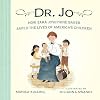
Before reading Dr. Jo, I was already somewhat familiar with Monica Kulling’s work. I had read three of her picture book biographies in Tundra Books’ Great Ideas Series. These books introduce kids to the historical figures behind many inventions we take for granted, including inexpensive personal cameras, paper bags, elevators, and the Zamboni machines used on skating rinks’ icy surfaces. One of the good things about this children’s nonfiction series is Kulling’s focus on African show more American, female, and economically disadvantaged individuals, whose curiosity, creativity, and grit drove them to make valuable contributions to everyday life. Though not a part of that series, Kulling’s Dr. Jo, resembles her earlier books in both format and content. The narrative is roughly 30 pages long and attractively illustrated—this time by Julianna Swaney, whose clean pencil and water-colour work with its antique quality goes well with the life story of Dr. Sara Josephine Baker.
I’d never heard of Dr. Jo before this book, and I’m glad Kulling decided to write about her. Baker certainly deserves attention for her early understanding of “the connection between poverty and illness” and her tireless work “to improve the health of women and their children” in big cities. Born in 1873 in Poughkeepsie, New York on the Hudson River, Jo was a very unconventional girl. Considered a tomboy, she spent her summers fishing the river with her younger brother, Robbie. Winters, the two skated together.
Kulling isolates two key events in Jo’s young life. At age 10, she injured her knee and was tended to by a doctor and his son, who was also a doctor. This experience apparently sparked her interest in becoming a physician herself, a decidedly unladylike career choice at the time. It is what happened when Jo was sixteen, though, that was probably even more decisive. In 1889, sewage was emptied into the river, the source of drinking water for the town. Jo’s beloved brother and then her father contracted typhoid fever and died within a few months of each other. After high school, she traveled to New York City where she received medical training at a school started by two doctor sisters, Elizabeth and Emily Blackwell. (Elizabeth was, in fact, the first woman to receive medical qualifications in the United States.)
After obtaining her medical license, Dr. Jo struggled to make a living in private practice. Kulling doesn’t explain why, but one assumes that public confidence in “lady” doctors wasn’t high. She ended up becoming a public health inspector (and eventually the first director of the New York City Department of Child Hygiene). Her role as an inspector took her to Hell’s Kitchen, a West-Side neighbourhood with manure-piled streets and squalid tenements that were mostly occupied by immigrants. In almost no time she realized that many deaths, especially children’s, were due to unsanitary conditions and ignorance. She was determined to make a difference.
Kulling spends the last several pages addressing the improvements Dr. Jo made to public health in the city. Among other things, Jo devised antibacterial beeswax containers that held exact (single) doses of the silver nitrate solution used to prevent blindness in babies. Prior to this, bacteria-laden glass containers for the solution were actually contributing to the problem. Jo designed an infant sleeper, with a button-down front, to replace the swaddling that caused babies to die from heat stroke. She also set up a system for licensing midwives, and she organized accessible stations where mothers could obtain clean, fresh milk for their kids.
For the most part, I really liked Julianna Swaney’s illustrations, but they do fall short at times. Although Swaney does give young readers historically accurate details—e.g., a 6” medical thermometer (which resembles a knitting needle) appears in one picture, she does not satisfactorily communicate the grit, grime, and general filth of the environment in which Dr. Jo worked. The immigrant families all look a bit too tidy. One illustration is even a bit puzzling: a family, shown seated at a table, is strangely engaged in making paper or cloth flowers. The text offers no explanation about this. Perhaps it was some kind of piecemeal work available at the time?
Aside from my reservations about the book’s artwork, I really liked Dr. Jo. Dr. Sara Josephine Baker was a fascinating and admirable woman, and Kulling’s book does her justice. The vocabulary and content make it best suited to kids aged 8 to 10. show less
I’d never heard of Dr. Jo before this book, and I’m glad Kulling decided to write about her. Baker certainly deserves attention for her early understanding of “the connection between poverty and illness” and her tireless work “to improve the health of women and their children” in big cities. Born in 1873 in Poughkeepsie, New York on the Hudson River, Jo was a very unconventional girl. Considered a tomboy, she spent her summers fishing the river with her younger brother, Robbie. Winters, the two skated together.
Kulling isolates two key events in Jo’s young life. At age 10, she injured her knee and was tended to by a doctor and his son, who was also a doctor. This experience apparently sparked her interest in becoming a physician herself, a decidedly unladylike career choice at the time. It is what happened when Jo was sixteen, though, that was probably even more decisive. In 1889, sewage was emptied into the river, the source of drinking water for the town. Jo’s beloved brother and then her father contracted typhoid fever and died within a few months of each other. After high school, she traveled to New York City where she received medical training at a school started by two doctor sisters, Elizabeth and Emily Blackwell. (Elizabeth was, in fact, the first woman to receive medical qualifications in the United States.)
After obtaining her medical license, Dr. Jo struggled to make a living in private practice. Kulling doesn’t explain why, but one assumes that public confidence in “lady” doctors wasn’t high. She ended up becoming a public health inspector (and eventually the first director of the New York City Department of Child Hygiene). Her role as an inspector took her to Hell’s Kitchen, a West-Side neighbourhood with manure-piled streets and squalid tenements that were mostly occupied by immigrants. In almost no time she realized that many deaths, especially children’s, were due to unsanitary conditions and ignorance. She was determined to make a difference.
Kulling spends the last several pages addressing the improvements Dr. Jo made to public health in the city. Among other things, Jo devised antibacterial beeswax containers that held exact (single) doses of the silver nitrate solution used to prevent blindness in babies. Prior to this, bacteria-laden glass containers for the solution were actually contributing to the problem. Jo designed an infant sleeper, with a button-down front, to replace the swaddling that caused babies to die from heat stroke. She also set up a system for licensing midwives, and she organized accessible stations where mothers could obtain clean, fresh milk for their kids.
For the most part, I really liked Julianna Swaney’s illustrations, but they do fall short at times. Although Swaney does give young readers historically accurate details—e.g., a 6” medical thermometer (which resembles a knitting needle) appears in one picture, she does not satisfactorily communicate the grit, grime, and general filth of the environment in which Dr. Jo worked. The immigrant families all look a bit too tidy. One illustration is even a bit puzzling: a family, shown seated at a table, is strangely engaged in making paper or cloth flowers. The text offers no explanation about this. Perhaps it was some kind of piecemeal work available at the time?
Aside from my reservations about the book’s artwork, I really liked Dr. Jo. Dr. Sara Josephine Baker was a fascinating and admirable woman, and Kulling’s book does her justice. The vocabulary and content make it best suited to kids aged 8 to 10. show less
Family read-aloud party for the holiday weekend: Juneteenth, Father's Day, a birthday, and the solstice. (3 of 5)
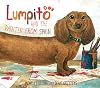
A photographer and his dog visit Pablo Picasso, and the dachshund ends up staying with Picasso and becoming part of some of his paintings. I feel weird about a book where someone gives up their pet, especially to someone like Picasso, who is a #MeToo nightmare. I'm not one to cancel the work of artists due to how awful they were in person, but at the same time, I don't want to show more read about how Picasso was nice to dogs when he couldn't give women the same amount of respect. show less
A photographer and his dog visit Pablo Picasso, and the dachshund ends up staying with Picasso and becoming part of some of his paintings. I feel weird about a book where someone gives up their pet, especially to someone like Picasso, who is a #MeToo nightmare. I'm not one to cancel the work of artists due to how awful they were in person, but at the same time, I don't want to show more read about how Picasso was nice to dogs when he couldn't give women the same amount of respect. show less
I’m ashamed to admit that I had never heard of Dr. Sara Josephine Baker, who did so much to improve health conditions in Hell’s Kitchen While now trendy Clinton in the West Side, Hell’s Kitchen used to house impoverished New Yorkers beset with smallpox and typhoid. It was so bad that, in 1917, infants in New York City suffered a higher mortality rate than soldiers deployed in World War I!
Dr. Jo realized that much of those deaths were needless, caused by poverty and ignorance. She show more pioneered official training for midwives, better swaddling clothes (some infants died of heatstroke previously) and milk stations, where mothers could get unadulterated milk for their children, amongst many other improvements. The book estimates that Dr. Jo’s improvements, which spread beyond New York City, saved the lives of 90,000 inner-city children. She became the first director of New York City’s Department of Child Hygiene. By the time, Dr. Jo retired in 1923, New York City had the lowest infant mortality rate of any major American city!
Readers of any age will adore this beautifully illustrated book that recounts the difficulties that women doctors faced at the turn of the 20th century and how much illness depends on access to good food and medical information (a good lesson even today). Kudos to author Monica Kulling for this eye-opening book and illustrator Julianna Swaney for her charming full-color pictures.
In the interest of full disclosure, I received this book from NetGalley. Penguin Random House Canada and Tundra Books in exchange for an honest review. show less
Dr. Jo realized that much of those deaths were needless, caused by poverty and ignorance. She show more pioneered official training for midwives, better swaddling clothes (some infants died of heatstroke previously) and milk stations, where mothers could get unadulterated milk for their children, amongst many other improvements. The book estimates that Dr. Jo’s improvements, which spread beyond New York City, saved the lives of 90,000 inner-city children. She became the first director of New York City’s Department of Child Hygiene. By the time, Dr. Jo retired in 1923, New York City had the lowest infant mortality rate of any major American city!
Readers of any age will adore this beautifully illustrated book that recounts the difficulties that women doctors faced at the turn of the 20th century and how much illness depends on access to good food and medical information (a good lesson even today). Kudos to author Monica Kulling for this eye-opening book and illustrator Julianna Swaney for her charming full-color pictures.
In the interest of full disclosure, I received this book from NetGalley. Penguin Random House Canada and Tundra Books in exchange for an honest review. show less
Lists
Awards


You May Also Like


Associated Authors
Statistics
- Works
- 65
- Also by
- 1
- Members
- 6,045
- Popularity
- #4,067
- Rating
- 3.9
- Reviews
- 174
- ISBNs
- 222
- Languages
- 5
- Favorited
- 1
