
About the Author
Image credit: By Works Progress Administration, artist unknown - National Archives and Records Administration, Public Domain, https://commons.wikimedia.org/w/index.php?curid=62418412
Works by WPA
The Food of a Younger Land: A Portrait of American Food--Before the National Highway System, Before Chain Restaurants, and Before Frozen Food, When the Nation's Food Was Seasonal (2009) 909 copies, 30 reviews
Slave Narratives: a Folk History of Slavery in the United States From Interviews with Former Slaves, North Carolina Narratives, Part 1 (1941) 16 copies
When We Were Slaves: Hundreds of Recorded Interviews, Life Stories and Testimonies of Former Slaves in the South (2020) 9 copies
Slave Narratives: A Folk History of Slavery in the United States From Interviews with Former Slaves: Volume I, Alabama Narratives (1941) 9 copies
Slave Narratives: a Folk History of Slavery in the United States From Interviews with Former Slaves South Carolina Narratives, Part 1 (1941) 7 copies
Slave Narratives: a Folk History of Slavery in the United States From Interviews with Former Slaves Arkansas Narratives, Part 6 (1941) 6 copies
Slave Narratives: a Folk History of Slavery in the United States From Interviews with Former Slaves. Texas Narratives, Part 2 (1941) 5 copies
Slave Narratives: a Folk History of Slavery in the United States From Interviews with Former Slaves Georgia Narratives, Part 4 (1941) 5 copies
Slave Narratives: a Folk History of Slavery in the United States From Interviews with Former Slaves Arkansas Narratives, Part 2 (1941) 5 copies
Slave Narratives: A Folk History of Slavery in the United States From Interviews with Former Slaves Georgia Narratives, Part 2 (1941) 5 copies
Slave Narratives: A Folk History of Slavery in the United States From Interviews with Former Slaves: Volume XVI, Texas Narratives, Part 3 (1941) — Compiler — 5 copies
Slave Narratives: a Folk History of Slavery in the United States From Interviews with Former Slaves Georgia Narratives, Part 3 (1941) 4 copies
Slave Narratives : a Folk History of Slavery in the United States From Interviews with Former Slaves : Volume XVI, Texas Narratives, Part 4 (1941) 4 copies
The Minnesota arrowhead country 3 copies
Slave Narratives: a Folk History of Slavery in the United States From Interviews with Former Slaves South Carolina Narratives, Part 2 (1941) 3 copies
Slave Narratives: a Folk History of Slavery in the United States From Interviews with Former Slaves Arkansas Narratives, Part 3 (1941) 3 copies
Inventory of the County Archives of New York State (Exclusive of the Five Counties of New York City) No. 51, Ulster County Part II 3 copies, 2 reviews
American Guide Series: Virginia. A guide to the Old Dominion. Third printing, with corrections. 2 copies
Guide to Vital Statistics Records of Church Archives in Louisiana. Vol. 2, Roman Catholic Churches 2 copies
Trains Going By 2 copies
Slave Narratives: a Folk History of Slavery in the United States - From Interviews with Former Slaves, North Carolina Narratives, Part 1 (2010) 2 copies
Transcriptions of Parish Records of Louisiana. No. 24, Iberville Parish. General Index, 1850-1936 1 copy
Inventory of Federal Archives in the States. Series 17, Miscellaneous Agencies. No. 17, Louisiana. 1 copy
Inventory of Federal Archives in the States. Series 11, Department of Labor. No. 17, Louisiana. 1 copy
Slave Narratives:A Folk History of Slavery in the United States From Interviews: Volume XII Ohio Narratives (2010) 1 copy
Inventory of Federal Archives in the States. Series II: The Federal Courts. No. 23: Mississippi. 1 copy
Slave Narratives: a Folk History of Slavery in the United States From Interviews with Former Slaves Georgia Narratives, Part 3 (2010) 1 copy
Bibliography of research projects reports. Check list of historical records survey publications 1 copy
Nevada: a guide to the state 1 copy
Accomplishments of the Works Progress Administration in Pennsylvania, July 1, 1935-June 30, 1936 (1936) 1 copy
Inventory of Federal Archives in the States. Series 5, The Department of Justice. No. 17, Louisiana. 1 copy
Inventory of Federal Archives in the States. Series IV: The Department of War. No. 23: Mississippi. 1 copy
Almanac for Thirty-Niners 1 copy
Timberline Lodge 1 copy
Warren County Ohio WPA Maps 1 copy
Houston: A History and Guide 1 copy
Intestate Succession of Carlos Favre D'Aunoy. Inventory and Appraisal of his Estate. Oct. 10th 1780. 1 copy
Rutherford County, Tennessee, Bible and Family Records; With Tombstone Inscriptions and Miscellaneous Records (2006) 1 copy
Inventory of Federal Archives in the States. Series 2, The Federal Courts. No. 17, Louisiana. 1 copy
Report on the Works Program 1 copy
Brief Guide to Fort Wayne 1 copy
Inventory of the Church and Synagogue Archives of Louisiana. Jewish Congregations and Organizations 1 copy
Inventory of State Archives of Louisiana. Series 2, The Judiciary. No. 3, The Courts of Appeal 1 copy
Associated Works
Tagged
Common Knowledge
- Other names
- Work Projects Administration
Works Progress Administration - Gender
- n/a
- Nationality
- USA
- Associated Place (for map)
- USA
Members
Reviews
The Food of a Younger Land: A Portrait of American Food--Before the National Highway System, Before Chain Restaurants, and Before Frozen Food, When the Nation's Food Was Seasonal by Mark Kurlansky
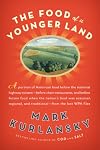
"A Portrait of American Food -before the national highway system, before chain restaurants, and before frozen food, when the nation's food was seasonal, regional, and traditional -- from the lost WPA Files.
During the Great Depression, President Roosevelt's Works Progress Administration (WPA) created the Federal Writer's Program (FWP) to provide work for unemployed authors. There were a number of projects that evolved, including a series of guidebooks for the different states. Late in the show more 30's, the "America Eats" project began. There were actually a series of projects in different sections of the country, which were intended to be combined in one huge report. WWII intervened, and the reports from individual writers were never collated or published.
Enter Mark Kurlansky, researcher extraordinaire. He has taken the long abandoned manuscripts, culled out the best and put them together in this delightful look at how our parents and grandparents ate.
The book is divided into the original five geographic sections envisioned by the FWP. Each section features representative essays, stories, recipes, anecdotes, reports of festivals and church suppers, along with photographs and drawings. I started this book as an audio, which while well done, did not lend itself to savoring all the information, so I borrowed a print edition from the local library. It is such a fun read, that it is now on my wishlist to purchase so that I can add it to my food collection. It is part history, part social memoir, and part cookbook. All of it interesting and enticing. Some of my favorites include
From the Northeast:
* the North Whitefield Maine Game Supper,
* the almost infinite discussion of the variations of clam chowder,
* the glorious reminiscences of the New York Automat (complete with 5 page glossary of slang and jargon for short order cooks in New York);
* the "Italian Feed" in Vermont;
From the South:
* recipes for possum, squirrel, rabbit, rattlesnake and chitterlings;
* a good recipe for crab imperial (an outstanding and scrumptious chesapeake bay dish well remembered from MY youth--it was THE dish for banquets, weddings, and any big celebration--no girl left home in Maryland without knowing how to make it).
* The introduction to Mississippi food written by Eudora Welty is one of her earliest works and representative of the kind of work the FWP engendered.
From the Middle West:
* recipes and stories about food favored by various Indian tribes such as buffalo tongue as a delicacy favored by the Sioux (who incidentally never used salt until they were introduced to it by white men in the early 1900's);
* the Lutefisk favored by the Scandanavians who settled in the Great Lakes region;
* recipes from the cooks serving the vast lumberjack camps in Michigan---
"At night they came into camp stamping with cold and grim with hunger. In the cookhouse the long tables were loaded with food; smoking platters of fresh mush, bowls of mashed potatoes, piles of pancakes and pitchers of corn syrup, kettles of rich brown beans, pans of prunes, dried peaches, rice puddings, rows of apple pies." pg. 269.
From the Far West
"The life of these people is not entirely one monotonous round of fried beans, baked beans, boiled beans, and just beans,varied only by an occasional jack rabbit or two...";
* there were numerous recipes and essays about salmon, smelts, clams, Montana Beaver Tail, and Washington Wildcat parties.
* This fascinating section also included a list of Colorado superstitions (pg. 296) of which my favorite is #12: " You will receive mail from the direction in which your pie is pointing, when it is set down at your place at the table."
* The recipe for Depression Cake is almost identical to one I inherited from my gram (via my mom) which is known in our family as "YUM YUM Cake"--I still make it every Christmas.
* And the essay by Claire Warner Churchill entitled "An Oregon Protest Against Mashed Potatoes" had me rolling on the floor.
The Southwest section was the shortest--for some reason the WPA lumped only Arizona, New Mexico, Oklahoma, Texas and Southern California into this section. Most of the recipes were heavily influenced by the Spanish American presence so prevalent in that area.
* Don Dolan contributed an essay entitled " A Los Angeles Sandwich called a Taco."
* There were also several essays and discussions of the food (and customs) of the Choctaw and Hopi Indian tribes, and
* A story about Oklahoma prairie oysters (aka the results of 'cattle neutering'.)
The book concludes with lists of cookbooks available during the era, and a current bibliography for more up-to-date resources. This is a tour de force. Kurlansky has done a yeoman job of taking a ton of material and getting it down to a manageable and enjoyable volume. A great read for anyone interested in social history and food. show less
During the Great Depression, President Roosevelt's Works Progress Administration (WPA) created the Federal Writer's Program (FWP) to provide work for unemployed authors. There were a number of projects that evolved, including a series of guidebooks for the different states. Late in the show more 30's, the "America Eats" project began. There were actually a series of projects in different sections of the country, which were intended to be combined in one huge report. WWII intervened, and the reports from individual writers were never collated or published.
Enter Mark Kurlansky, researcher extraordinaire. He has taken the long abandoned manuscripts, culled out the best and put them together in this delightful look at how our parents and grandparents ate.
The book is divided into the original five geographic sections envisioned by the FWP. Each section features representative essays, stories, recipes, anecdotes, reports of festivals and church suppers, along with photographs and drawings. I started this book as an audio, which while well done, did not lend itself to savoring all the information, so I borrowed a print edition from the local library. It is such a fun read, that it is now on my wishlist to purchase so that I can add it to my food collection. It is part history, part social memoir, and part cookbook. All of it interesting and enticing. Some of my favorites include
From the Northeast:
* the North Whitefield Maine Game Supper,
* the almost infinite discussion of the variations of clam chowder,
* the glorious reminiscences of the New York Automat (complete with 5 page glossary of slang and jargon for short order cooks in New York);
* the "Italian Feed" in Vermont;
From the South:
* recipes for possum, squirrel, rabbit, rattlesnake and chitterlings;
* a good recipe for crab imperial (an outstanding and scrumptious chesapeake bay dish well remembered from MY youth--it was THE dish for banquets, weddings, and any big celebration--no girl left home in Maryland without knowing how to make it).
* The introduction to Mississippi food written by Eudora Welty is one of her earliest works and representative of the kind of work the FWP engendered.
From the Middle West:
* recipes and stories about food favored by various Indian tribes such as buffalo tongue as a delicacy favored by the Sioux (who incidentally never used salt until they were introduced to it by white men in the early 1900's);
* the Lutefisk favored by the Scandanavians who settled in the Great Lakes region;
* recipes from the cooks serving the vast lumberjack camps in Michigan---
"At night they came into camp stamping with cold and grim with hunger. In the cookhouse the long tables were loaded with food; smoking platters of fresh mush, bowls of mashed potatoes, piles of pancakes and pitchers of corn syrup, kettles of rich brown beans, pans of prunes, dried peaches, rice puddings, rows of apple pies." pg. 269.
From the Far West
"The life of these people is not entirely one monotonous round of fried beans, baked beans, boiled beans, and just beans,varied only by an occasional jack rabbit or two...";
* there were numerous recipes and essays about salmon, smelts, clams, Montana Beaver Tail, and Washington Wildcat parties.
* This fascinating section also included a list of Colorado superstitions (pg. 296) of which my favorite is #12: " You will receive mail from the direction in which your pie is pointing, when it is set down at your place at the table."
* The recipe for Depression Cake is almost identical to one I inherited from my gram (via my mom) which is known in our family as "YUM YUM Cake"--I still make it every Christmas.
* And the essay by Claire Warner Churchill entitled "An Oregon Protest Against Mashed Potatoes" had me rolling on the floor.
The Southwest section was the shortest--for some reason the WPA lumped only Arizona, New Mexico, Oklahoma, Texas and Southern California into this section. Most of the recipes were heavily influenced by the Spanish American presence so prevalent in that area.
* Don Dolan contributed an essay entitled " A Los Angeles Sandwich called a Taco."
* There were also several essays and discussions of the food (and customs) of the Choctaw and Hopi Indian tribes, and
* A story about Oklahoma prairie oysters (aka the results of 'cattle neutering'.)
The book concludes with lists of cookbooks available during the era, and a current bibliography for more up-to-date resources. This is a tour de force. Kurlansky has done a yeoman job of taking a ton of material and getting it down to a manageable and enjoyable volume. A great read for anyone interested in social history and food. show less
The Food of a Younger Land: A Portrait of American Food--Before the National Highway System, Before Chain Restaurants, and Before Frozen Food, When the Nation's Food Was Seasonal by Mark Kurlansky
The following is what I wrote at another site in response to an argument about authenticity. I feel it's an appropriate review:
Authentic is family. Authentic is familiar.
I personally don't feel I can decide authenticity over anything except for cuisine from Tampa before I left Tampa. I occasionally get pissy about "Cuban", but that's more a traditional Tampa-Miami rivalry than anything to do with Cuba.
To anyone who feels attached to the US who wants to speak of authenticity, I highly, show more *highly* recommend the book "The Food of a Younger Land" edited by Mark Kurlansky. And "edited by" is strictly correct but kinda odd considering the amount of extra material necessary. The book gathers together materials from an unfinished Works Progress Administration (WPA) Federal Writers' Project (FWP) during the Great Depression. Kurlansky has sampled materials from across the country showing American cuisine before the interstates, before common air travel, before supermarkets. All the materials were languishing in boxes buried within the Library of Congress. The pieces describe regional differences in items we now consider homogenous tourist fare like clam-bakes. And most of us (well, ok, me) no longer consider the regions different. Other items, like Lobster Newburg and creme Vichyssoise, have surprisingly domestic origins. The former is from a Skipper Ben Wenberg who caused a "scandalous scene" leading to the new, Newburg, name.
Ultimately, "authentic" may not mean what you think it means. At least domestically (in the US). And, honestly, I only can speak for what I know within my lifetime. And that's 99% domestic and limited. (Plus, I can't make a reasonable stir-fry. Anything continental, sure, but... Near-East and northern African, maybe, but nothing more.) show less
Authentic is family. Authentic is familiar.
I personally don't feel I can decide authenticity over anything except for cuisine from Tampa before I left Tampa. I occasionally get pissy about "Cuban", but that's more a traditional Tampa-Miami rivalry than anything to do with Cuba.
To anyone who feels attached to the US who wants to speak of authenticity, I highly, show more *highly* recommend the book "The Food of a Younger Land" edited by Mark Kurlansky. And "edited by" is strictly correct but kinda odd considering the amount of extra material necessary. The book gathers together materials from an unfinished Works Progress Administration (WPA) Federal Writers' Project (FWP) during the Great Depression. Kurlansky has sampled materials from across the country showing American cuisine before the interstates, before common air travel, before supermarkets. All the materials were languishing in boxes buried within the Library of Congress. The pieces describe regional differences in items we now consider homogenous tourist fare like clam-bakes. And most of us (well, ok, me) no longer consider the regions different. Other items, like Lobster Newburg and creme Vichyssoise, have surprisingly domestic origins. The former is from a Skipper Ben Wenberg who caused a "scandalous scene" leading to the new, Newburg, name.
Ultimately, "authentic" may not mean what you think it means. At least domestically (in the US). And, honestly, I only can speak for what I know within my lifetime. And that's 99% domestic and limited. (Plus, I can't make a reasonable stir-fry. Anything continental, sure, but... Near-East and northern African, maybe, but nothing more.) show less

It’s mostly in dialect, which I hate, but I was enthralled by these stories. I have never been more thankful for the Depression (and thus, the WPA) than while reading ex-slaves’ tales of their lives. What’s really fascinating is how matter-of-fact they are about everything, and the casual cruelties they took for granted—whipping people in the morning so they would have to work the entire day with a flayed back, that sort of thing.
The Food of a Younger Land: A portrait of American food- before the national highway system, before chainrestaurants, and before frozen food, when the nation's food was seasonal, by Mark Kurlansky
It's a pleasure this exists, but the sections vary widely due to the nature of the book - these are essays, notes, and recipes compiled from professional writers & interviewers and much more amateur personnel. But if you're interested in the WPA/FWP, American history, food, or funny songs about Nebraskans eating wieners, you can't really go wrong here.
Lists
You May Also Like


Associated Authors
Statistics
- Works
- 268
- Also by
- 1
- Members
- 1,374
- Popularity
- #18,723
- Rating
- 3.4
- Reviews
- 34
- ISBNs
- 50
- Languages
- 1