
Elliott Chaze (1915–1990)
Author of Black Wings Has My Angel
About the Author
Works by Elliott Chaze
The Stainless Steel Kimono 1 copy
Tagged
Common Knowledge
- Canonical name
- Chaze, Elliott
- Legal name
- Chaze, Lewis Elliott
- Birthdate
- 1915
- Date of death
- 1990
- Gender
- male
- Nationality
- USA
- Birthplace
- Mamou, Louisiana, USA
- Associated Place (for map)
- Louisiana, USA
Members
Reviews

Until recently I could count my top pulp novels on one hand even though that hand is missing a finger. That list included:
The Postman Always Rings Twice
Pop. 1280
A Rage in Harlem
Build My Gallows High
Now, though, I need to use the hand that has all five fingers. I have never read anything by Elliott Chaze, haven't even heard of him before, but he wrote one humdinger of a story, even if the title does sound like something created by Yoda. Kenneth is an escaped con with plans for a big score. show more Virginia is a sultry sister with lavender-gray eyes and a past she's trying hard to outrun. Put them together and the sparks ignite an inferno that destroys everyone it touches.
Don't be a rube. Glom yourself a copy of this book and read it today. show less
The Postman Always Rings Twice
Pop. 1280
A Rage in Harlem
Build My Gallows High
Now, though, I need to use the hand that has all five fingers. I have never read anything by Elliott Chaze, haven't even heard of him before, but he wrote one humdinger of a story, even if the title does sound like something created by Yoda. Kenneth is an escaped con with plans for a big score. show more Virginia is a sultry sister with lavender-gray eyes and a past she's trying hard to outrun. Put them together and the sparks ignite an inferno that destroys everyone it touches.
Don't be a rube. Glom yourself a copy of this book and read it today. show less
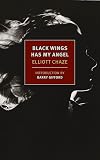
A good friend of mine boldly asserts this isn’t a novel to be read; this is a novel to be felt and a novel to be lived. After my own experience with Elliott Chaze's noir black angel, feeling its dramatic intensity and living through every single page with narrator Tim Sunblade and his beautiful babe Virginia, the slender, poised gal with skin the color of pearls melted in honey, I couldn’t agree more. In order to do such a powerful, complex book a measure of justice, a book spilling its show more guts out in insatiable greed, voracious gluttony, self-indulgent lusts and a ravenous craving for freedom and thrills, please read on.
Tim Sunblade, the name he takes on as his tribute to a love of the great outdoors, is not only a big hunk of a good-looking tough-guy but a World War Two vet who served in the Pacific and still carries a piece of metal lodged in his skull. Tim is also an escaped convict from a Mississippi penitentiary, having been sent there in the first place after a tongue-thrashing by an FBI agent about making off with other people’s cars.
Picture a man in 1953 who slapped down his quarters and dimes at the corner drug story for a copy of this recently published Gold Medal paperback. Chances are such a man was himself a war veteran and knew the intensity and toughness of battle and might even have had his own brush with the law. All this to say, a reader back then felt an immediate kinship with big, tough, adventurous Tim Sunblade when he spoke to men as intimates, addressing them directly, as in “Virginia had told me – did I tell you her name was Virginia?" and "You hear and read about legs. But when you see the really good ones, you know the things you read and heard where a lot of trash."
Although we discover Tim’s real name along the way, no compelling reason to mention it here since Tim would like nothing more than to shove his past identity in an incinerator, watch it go up in smoke and be done with it forever. However, it is worth mentioning, wartime and jail-time gave Tim added layers of toughness beyond the likes of Chandler’s Philip Marlowe, Hammett’s Sam Spade and Cain’s Walter Huff. And since so much of noir revolves around violence, crime and the rough and tumble, this is one good reason to judge Black Wings Has My Angel, by far Elliott Chaze’s best novel, as a king of noir.
Looking at the bigger picture, there’s no question all the returning veterans with their wartime experiences made a serious impact on American society and Tim Sunblade gave voice to what these men faced as civilians in postwar America. And if men supporting a wife and kids by working a dead-end job at the local factory or office or warehouse couldn’t have their own Tim Sunblade-style adventures at least they could read Chaze’s novel and live through Sunblade vicariously. Additionally, Black Wings can be read as a keen social commentary on the state of how American character and mythology played itself out during the 1950s in the home of the brave.
Right up front in Chapter 3 Mississippi born and bred Tim gives us a little foreshadowing by getting down to some good old boy Southern philosophizing, telling us how facing death at his twenty-seven years isn’t that much different from dying as an old man since life, real life, is all about forgetting all the junk and living and remembering the delicious moments, and he has had plenty of delicious, luscious moments with Virginia. In this way, the stark reality and blackness of death coats every page we read from this point forward like ugly on an ape (cliché, I know, but in Tim's case it works).
Tim Sunblade is a rebel with a cause and his rebellion is against staleness, routine and depending on anyone other than himself. Ah, the American myth of the self-made man, standing without any props, standing strong and tall. Here are Tim’s reflection on his knock-out, sexy babe as he speeds along the highway under an open sky: “I was all for dumping her along the way in a day or so. Now I didn’t know for sure, but I still thought I would, because a woman had no place in my plans.” Even as Tim’s heart pounds with more and more love for Virginia, all the rest of him screams for boundless freedom.
Oh, Virginia! You femme fatale! Tim’s gorgeous lady is a study in contrasts, as refined and elegant as Lauren Bacall but with a wild-crazy-mad streak a mile long. Here she is after a successful big-time, masterful robbery: “She was scooping up handfuls of the green money and dropping it on top of her head so that it came sliding down along the cream-colored hair, slipping down along her shoulders and body. She was making a noise I never heard come out of a human being. It was a scream that was a whisper with a laugh that was a cry. Over and Over. The noise and the scooping. The slippery, sliding bills against her rigid body.”
Interestingly, it was exactly the above scene that made the deepest impression on prepubescent Jean-Patrick Manchette, the author who would revitalize French crime fiction in the 1970s and have his slim, athletic, fetching thirty-year-old Aimée Joubert in Fatale take a bath with her own stolen bills. Black Wings, a serious novel with serious influence, and New York Review Books (NYRB)'s republication provides a great service in bringing this classic to a wider audience. The NYRB edition also includes a colorful introductory essay by Barry Gifford.
“Virginia was in bed, all frou-froued up in a pink robe with some kind of white fur around the collar. The fur was so silky the air-conditioning made it move. She was eating a thick cube of a kind of candy they call Heavenly Hash in New Orleans, and now and again she took a straight raw sip of bourbon and turned the page of her book.” Did I mention greed, gluttony, lust, freedom and thrills? Black Wings is dripping with it. And since Virginia is such an huge part of each and every chapter, Elliott Chaze’s two hundred page angel is supercharged, a book that can be enjoyed nowadays by both men and women (I mention this since men were definitely the target audience back in 1953). show less
Tim Sunblade, the name he takes on as his tribute to a love of the great outdoors, is not only a big hunk of a good-looking tough-guy but a World War Two vet who served in the Pacific and still carries a piece of metal lodged in his skull. Tim is also an escaped convict from a Mississippi penitentiary, having been sent there in the first place after a tongue-thrashing by an FBI agent about making off with other people’s cars.
Picture a man in 1953 who slapped down his quarters and dimes at the corner drug story for a copy of this recently published Gold Medal paperback. Chances are such a man was himself a war veteran and knew the intensity and toughness of battle and might even have had his own brush with the law. All this to say, a reader back then felt an immediate kinship with big, tough, adventurous Tim Sunblade when he spoke to men as intimates, addressing them directly, as in “Virginia had told me – did I tell you her name was Virginia?" and "You hear and read about legs. But when you see the really good ones, you know the things you read and heard where a lot of trash."
Although we discover Tim’s real name along the way, no compelling reason to mention it here since Tim would like nothing more than to shove his past identity in an incinerator, watch it go up in smoke and be done with it forever. However, it is worth mentioning, wartime and jail-time gave Tim added layers of toughness beyond the likes of Chandler’s Philip Marlowe, Hammett’s Sam Spade and Cain’s Walter Huff. And since so much of noir revolves around violence, crime and the rough and tumble, this is one good reason to judge Black Wings Has My Angel, by far Elliott Chaze’s best novel, as a king of noir.
Looking at the bigger picture, there’s no question all the returning veterans with their wartime experiences made a serious impact on American society and Tim Sunblade gave voice to what these men faced as civilians in postwar America. And if men supporting a wife and kids by working a dead-end job at the local factory or office or warehouse couldn’t have their own Tim Sunblade-style adventures at least they could read Chaze’s novel and live through Sunblade vicariously. Additionally, Black Wings can be read as a keen social commentary on the state of how American character and mythology played itself out during the 1950s in the home of the brave.
Right up front in Chapter 3 Mississippi born and bred Tim gives us a little foreshadowing by getting down to some good old boy Southern philosophizing, telling us how facing death at his twenty-seven years isn’t that much different from dying as an old man since life, real life, is all about forgetting all the junk and living and remembering the delicious moments, and he has had plenty of delicious, luscious moments with Virginia. In this way, the stark reality and blackness of death coats every page we read from this point forward like ugly on an ape (cliché, I know, but in Tim's case it works).
Tim Sunblade is a rebel with a cause and his rebellion is against staleness, routine and depending on anyone other than himself. Ah, the American myth of the self-made man, standing without any props, standing strong and tall. Here are Tim’s reflection on his knock-out, sexy babe as he speeds along the highway under an open sky: “I was all for dumping her along the way in a day or so. Now I didn’t know for sure, but I still thought I would, because a woman had no place in my plans.” Even as Tim’s heart pounds with more and more love for Virginia, all the rest of him screams for boundless freedom.
Oh, Virginia! You femme fatale! Tim’s gorgeous lady is a study in contrasts, as refined and elegant as Lauren Bacall but with a wild-crazy-mad streak a mile long. Here she is after a successful big-time, masterful robbery: “She was scooping up handfuls of the green money and dropping it on top of her head so that it came sliding down along the cream-colored hair, slipping down along her shoulders and body. She was making a noise I never heard come out of a human being. It was a scream that was a whisper with a laugh that was a cry. Over and Over. The noise and the scooping. The slippery, sliding bills against her rigid body.”
Interestingly, it was exactly the above scene that made the deepest impression on prepubescent Jean-Patrick Manchette, the author who would revitalize French crime fiction in the 1970s and have his slim, athletic, fetching thirty-year-old Aimée Joubert in Fatale take a bath with her own stolen bills. Black Wings, a serious novel with serious influence, and New York Review Books (NYRB)'s republication provides a great service in bringing this classic to a wider audience. The NYRB edition also includes a colorful introductory essay by Barry Gifford.
“Virginia was in bed, all frou-froued up in a pink robe with some kind of white fur around the collar. The fur was so silky the air-conditioning made it move. She was eating a thick cube of a kind of candy they call Heavenly Hash in New Orleans, and now and again she took a straight raw sip of bourbon and turned the page of her book.” Did I mention greed, gluttony, lust, freedom and thrills? Black Wings is dripping with it. And since Virginia is such an huge part of each and every chapter, Elliott Chaze’s two hundred page angel is supercharged, a book that can be enjoyed nowadays by both men and women (I mention this since men were definitely the target audience back in 1953). show less
This is dire noir stuff. This book apparently fell out of print but was rescued by the New York Review of Books publishers and brought back to life. It’s now got a well-deserved cult following.
The story is told in classic noir style — a flashback told by its main character, who we know from the beginning is going to have a bad end. We don’t learn his real name, Kenneth McLure, until the second half of the book, but we know he has good reason to conceal it. He’s an escapee from show more Parchman, and it’s not as if he has mended his ways.
Kenneth, called Tim for most of the story, does have a dream. But his dream is a perfect armored car robbery. He meets up with Virginia, apparently herself on the run, although not from prison. Virginia is running from New York, where she had been living a fast life as, more or less, a top shelf prostitute.
Virginia and Tim make a great noir couple, bound together by ties of distrust and disloyalty. Tim actually plans to ditch, okay . . . kill, Virginia as soon as she’s worn out her usefulness to him. But Virginia has plans of her own. After Tim retrieves a stash of stolen money, Virginia steals it away from Tim like it was the most natural thing to do (it was).
The sparring goes on until Tim begins to soften. He brings Virginia in on his armored car plot, even though he still has plans to dispose of her when he doesn’t need or want her anymore. Virginia’s not dumb — she knows her situation, she sees Tim’s weaknesses. They play each other, and, in their way, they fall in love.
The armored car robbery is going to involve stealing the loaded armored car, hiding it in a trailer, and ditching it in an abandoned mine shaft. Of course. Tim got the idea from Jeepie, a fellow inmate at Parchman who joined in the escape but was pinned by gunfire on the wall. Jeepie’s violent and ugly death haunts Tim — it’s in his nightmares, both the sleeping ones and the waking ones.
That’s the setup. I won’t go farther. You know it’s not going to end well. It just isn’t. These are massively flawed people, compelled to massively messed up lives.
Chaze’s writing is magnificent. This is pure noirness — the pilot, the style, the characters, the dialogue, the ending. I don’t know why Chaze hasn’t gotten the acclaim of more popular writers like Cornell Woolrich, Patricia Highsmith, Jim Thompson, etc. He belongs in that group, if not for his volume of work, then for the quality of at least this one. I’m going to look for more.
I’ll add just one thing, a question. Why do we like (or maybe it’s just “sympathize” with) characters like Tim and Virginia? These are not good people. show less
The story is told in classic noir style — a flashback told by its main character, who we know from the beginning is going to have a bad end. We don’t learn his real name, Kenneth McLure, until the second half of the book, but we know he has good reason to conceal it. He’s an escapee from show more Parchman, and it’s not as if he has mended his ways.
Kenneth, called Tim for most of the story, does have a dream. But his dream is a perfect armored car robbery. He meets up with Virginia, apparently herself on the run, although not from prison. Virginia is running from New York, where she had been living a fast life as, more or less, a top shelf prostitute.
Virginia and Tim make a great noir couple, bound together by ties of distrust and disloyalty. Tim actually plans to ditch, okay . . . kill, Virginia as soon as she’s worn out her usefulness to him. But Virginia has plans of her own. After Tim retrieves a stash of stolen money, Virginia steals it away from Tim like it was the most natural thing to do (it was).
The sparring goes on until Tim begins to soften. He brings Virginia in on his armored car plot, even though he still has plans to dispose of her when he doesn’t need or want her anymore. Virginia’s not dumb — she knows her situation, she sees Tim’s weaknesses. They play each other, and, in their way, they fall in love.
The armored car robbery is going to involve stealing the loaded armored car, hiding it in a trailer, and ditching it in an abandoned mine shaft. Of course. Tim got the idea from Jeepie, a fellow inmate at Parchman who joined in the escape but was pinned by gunfire on the wall. Jeepie’s violent and ugly death haunts Tim — it’s in his nightmares, both the sleeping ones and the waking ones.
That’s the setup. I won’t go farther. You know it’s not going to end well. It just isn’t. These are massively flawed people, compelled to massively messed up lives.
Chaze’s writing is magnificent. This is pure noirness — the pilot, the style, the characters, the dialogue, the ending. I don’t know why Chaze hasn’t gotten the acclaim of more popular writers like Cornell Woolrich, Patricia Highsmith, Jim Thompson, etc. He belongs in that group, if not for his volume of work, then for the quality of at least this one. I’m going to look for more.
I’ll add just one thing, a question. Why do we like (or maybe it’s just “sympathize” with) characters like Tim and Virginia? These are not good people. show less
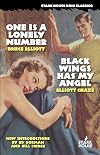
The summary:
One is a Lonely Number = 1 star. 0 stars. Trash.
Black Wings Has My Angel = 4 stars. Definitely recommended for noir fans.
Both books were originally from the 1950s & were republished together by Stark House in 2012: One is a Lonely Number / Black Wings Has My Angel.
I read the first story in this book, One is a Lonely Number, because it was the first story. (I had checked out the book from the library because I wanted to read the second story & this book was the only version it show more had.) I guess I should have just skipped this one but I read it since they were published together. One is a Lonely Number.... I would have said it was an adequate noir from the 1950s, nothing fabulous but squarely in the ok camp. Until I got to the child sex/rape. You can't even say well it was one of those books from back in that time when it might have been considered acceptable because even in the story, the main character himself knows it's statutory rape & the Mann Act is mentioned too. Originally he doesn't know her age. After he finds out the author then goes into a paragraph description of her naked body to tell what the differences are between a child and a woman. F#&king creepy-ass author. Then the main character rapes her again because what the hell. (Of course, it's presented as "tender" and what the girl wanted.) Jfc. I'm so mad about this story.
I actually stopped reading for a few days because I was so mad about this book.
Unfortunately for Elliott Chaze's book, Black Wings Has My Angel, it's packaged with this trash. Black Wings, however, is excellent noir. If you like hard-boiled noir, I definitely recommend it. The main characters are memorable & the writing & action zing along. NYRB published a version of Black Wings Has My Angel that would be a good way to get it as a standalone book if you plan to read it.
Also, from NPR: 'Black Wings' Is A Devilish Trip Worth Taking
After reading these & being completely flummoxed as to why Stark House might publish these two together (is it because both books have an escaped con as the main character?), my best guess is they put the two in the same book because both authors have Elliott as part of their name. Save yourself from the misery of the first book & spend your time & money on the Elliott Chaze book. show less
One is a Lonely Number = 1 star. 0 stars. Trash.
Black Wings Has My Angel = 4 stars. Definitely recommended for noir fans.
Both books were originally from the 1950s & were republished together by Stark House in 2012: One is a Lonely Number / Black Wings Has My Angel.
I read the first story in this book, One is a Lonely Number, because it was the first story. (I had checked out the book from the library because I wanted to read the second story & this book was the only version it show more had.) I guess I should have just skipped this one but I read it since they were published together. One is a Lonely Number.... I would have said it was an adequate noir from the 1950s, nothing fabulous but squarely in the ok camp. Until I got to the child sex/rape. You can't even say well it was one of those books from back in that time when it might have been considered acceptable because even in the story, the main character himself knows it's statutory rape & the Mann Act is mentioned too. Originally he doesn't know her age. After he finds out the author then goes into a paragraph description of her naked body to tell what the differences are between a child and a woman. F#&king creepy-ass author. Then the main character rapes her again because what the hell. (Of course, it's presented as "tender" and what the girl wanted.) Jfc. I'm so mad about this story.
I actually stopped reading for a few days because I was so mad about this book.
Unfortunately for Elliott Chaze's book, Black Wings Has My Angel, it's packaged with this trash. Black Wings, however, is excellent noir. If you like hard-boiled noir, I definitely recommend it. The main characters are memorable & the writing & action zing along. NYRB published a version of Black Wings Has My Angel that would be a good way to get it as a standalone book if you plan to read it.
Also, from NPR: 'Black Wings' Is A Devilish Trip Worth Taking
After reading these & being completely flummoxed as to why Stark House might publish these two together (is it because both books have an escaped con as the main character?), my best guess is they put the two in the same book because both authors have Elliott as part of their name. Save yourself from the misery of the first book & spend your time & money on the Elliott Chaze book. show less
Lists
Awards

You May Also Like


Associated Authors
Statistics
- Works
- 17
- Members
- 561
- Popularity
- #44,551
- Rating
- 4.1
- Reviews
- 26
- ISBNs
- 34
- Languages
- 4