

Donald S. Whitney
Author of Spiritual Disciplines for the Christian Life
About the Author
Donald S. Whitney has been Professor of Biblical Spirituality and Associate Dean at The Southern Baptist Theological Seminary in Louisville, KY, since 2005. Before that, he held a similar position (the first such position in the six Southern Baptist seminaries) at Midwestern Baptist Theological show more Seminary in Kansas City, MO, for ten years. He is the founder and president of The Center for Biblical Spirituality. He is the author of several books, including the bestselling Spiritual Disciplines for the Christian Life. show less
Works by Donald S. Whitney
Spiritual Disciplines within the Church: Participating Fully in the Body of Christ (1996) 709 copies, 3 reviews
Simplify Your Spiritual Life: Spiritual Disciplines for the Overwhelmed (2003) 513 copies, 2 reviews
Spiritual Disciplines for the Christian Life Study Guide (Life and Ministry of Jesus Christ) (1994) 489 copies, 1 review
How Can I Be Sure I'm a Christian?: What the Bible Says About Assurance of Salvation (LifeChange) (1994) 432 copies, 1 review
Spiritual Disciplines for the Christian Life/Ten Questions to Diagnose Your Spiritual Health (2002) 157 copies
Finding God in Solitude: The Personal Piety of Jonathan Edwards (1703-1758) and Its Influence on His Pastoral Ministry (American University Studies) (2014) 12 copies
Jimmy 1 copy
Sacrifice, The 1 copy
Spiritual Disciplines 1 copy
Disciplinas espirituais 1 copy
Associated Works
Give Praise to God: A Vision for Reforming Worship : Celebrating the Legacy of James Montgomery Boice (2003) — Contributor — 670 copies, 2 reviews
Tagged
Common Knowledge
- Canonical name
- Whitney, Donald S.
- Legal name
- Whitney, Donald S.
- Birthdate
- 20th Century
- Gender
- male
- Education
- Trinity International University (D.Min. ∙ 1987)
Southwestern Baptist Theological Seminary (M.Div. ∙ 1979)
Arkansas State University - Occupations
- pastor
professor
administrator - Organizations
- Glenfield Baptist Church (Pastor, Glen Ellyn ∙ Illinois ∙ USA)
Southern Baptist Theological Seminary (professor of Biblical spirituality)
Southern Baptist Theological Seminary (Senior Associate Dean)
Midwestern Baptist Theological Seminary (professor) - Nationality
- USA
- Places of residence
- Osceola, Arkansas, USA
Louisville, Kentucky, USA
Kansas City, Missouri, USA - Associated Place (for map)
- USA
Members
Reviews
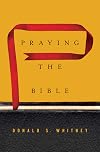
First sentence: Since prayer is talking with God, why don’t people pray more?
Donald S. Whitney argues that Christians struggle with praying because prayer is boring. Why is prayer boring? Because Christians tend to pray for the same old things in the same old way--in other words, their prayers use the same words, same patterns, day after day, week after week, etc. He writes, "Prayers without variety eventually become words without meaning."
Christians tend to treat prayer not as a two-way show more conversation but as a one-way conversation.
Of course, another reason people struggle--and Whitney acknowledges as well--is distraction.
He has a solution for both 'problems'. That solution is praying the Bible. In this little book, he teaches readers how to pray through the Psalms and passages of the New Testament. Though any passage can be prayed--Genesis through Revelation. His goal is to get you started and the easiest--the best--place to start is the book of Psalms.
To pray the Bible, you simply go through the passage line by line, talking to God about whatever comes to mind as you read the text. See how easy that is? Anyone can do that. Just speak to the Lord about everything that occurs to you as you slowly read his Word. What does the text of Scripture tell us to pray about? Everything, right? Every person, every object, every issue, every circumstance, every fear, every situation—everything in the universe is something we may bring before God. So every thought that enters your mind as you are reading a passage of Scripture—even if that thought has nothing to do with the text before you at the moment—is something you may bring to God...
If you are praying through a psalm, you simply read that psalm line by line, talking to God about whatever thoughts are prompted by the inspired words you read. If your mind wanders from the subject of the text, take those wandering thoughts Godward, then return to the text. If you come to a verse you don’t understand, just skip it and go to the next verse. If you don’t understand that one, move on. If you do understand it but nothing comes to mind to pray about, go to the next verse. If sinful thoughts enter in, pray about them and go on.
You may read twenty or thirty verses in that psalm, and yet on a given day have only five or six things come to mind. No problem. Nothing says you have to pray over every verse. Nothing says you have to finish the psalm...
Talk to God about the words you read in the Bible, and you’ll never again pray the same old things about the same old things.
He makes distinctions between reading the Bible, praying the Bible, and studying the Bible. The methods you use for praying the Bible are not necessarily sound methods for teaching or preaching through the Bible.
Correctly handling the Word of God does not permit making the text say what we want. To understand the Bible accurately—which is essential for right belief and living, for truthful sharing with others, and for authoritative teaching and preaching—we must do whatever is necessary to discover (or “exegete”) the single, God-inspired meaning of every verse before us. The text of the Bible means what God inspired it to mean, not “what it means to me.”
Bible reading is secondary in this process [of praying the Bible]. Our focus is on God through prayer; our glance is at the Bible. And we turn Godward and pray about every matter that occurs to us as we read. Do you see the distinction?
I have enough confidence in the Word and the Spirit of God to believe that if people will pray in this way, in the long run their prayers will be far more biblical than if they just make up their own prayers.
Without the Scripture to shape our prayers, we are far more likely to pray in unbiblical ways than if we pray the thoughts that occur to us as we read the Scripture.
The book is practical. He has a plan in mind for you to put this into practice.
With the Psalms of the Day you take thirty seconds or so to quickly scan five specific psalms and pick the one that best leads you to prayer on that occasion. While reading five psalms a day is a great practice that many enjoy, that’s not what I’m advocating here. What I’m suggesting is that you take half a minute to quickly scan five psalms and pick one of those five to pray through. Here’s how it works. The first psalm is the one that corresponds with the day of the month.
Day of the Month Psalms to Skim
1 1, 31, 61, 91, 121
2 2, 32, 62, 92, 122
3 3, 33, 63, 93, 123
4 4, 34, 64, 94, 124
5 5, 35, 65, 95, 125
6 6, 36, 66, 96, 126
7 7, 37, 67, 97, 127
8 8, 38, 68, 98, 128
9 9, 39, 69, 99, 129
10 10, 40, 70, 100, 130
11 11, 41, 71, 101, 131
12 12, 42, 72, 102, 132,
13 13, 43, 73, 103, 133
14 14, 44, 74, 104, 134
15 15, 45, 75, 105, 135
16 16, 46, 76, 106, 136
17 17, 47, 77, 107, 137
18 18, 48, 78, 108, 138
19 19, 49, 79, 109, 139
20 20, 50, 80, 110, 140
21 21, 51, 81, 111, 141
22 22, 52, 82, 112, 142,
23 23, 53, 83, 113, 143
24 24, 54, 84, 114, 144
25 25, 55, 85, 115, 145
26 26, 56, 86, 116, 146
27 27, 57, 87, 117, 147
28 28, 58, 88, 118, 148
29 29, 59, 89, 119, 149
30 30, 60, 90, 120, 150
31 Psalm 119
And if you will take thirty seconds to review five psalms every day, it is uncanny how one of them will express something that is looking for expression in your heart.
I love how Whitney guides you through this method. I love how he encourages you to try it. I definitely got a Green Eggs With Ham vibe! His passionate pleas to actually pray were compelling and persuasive.
I also love how he quotes some great theologians throughout the book--men, for the most part, who have learned that praying the Bible is transformative in their lives. show less
Donald S. Whitney argues that Christians struggle with praying because prayer is boring. Why is prayer boring? Because Christians tend to pray for the same old things in the same old way--in other words, their prayers use the same words, same patterns, day after day, week after week, etc. He writes, "Prayers without variety eventually become words without meaning."
Christians tend to treat prayer not as a two-way show more conversation but as a one-way conversation.
Of course, another reason people struggle--and Whitney acknowledges as well--is distraction.
He has a solution for both 'problems'. That solution is praying the Bible. In this little book, he teaches readers how to pray through the Psalms and passages of the New Testament. Though any passage can be prayed--Genesis through Revelation. His goal is to get you started and the easiest--the best--place to start is the book of Psalms.
To pray the Bible, you simply go through the passage line by line, talking to God about whatever comes to mind as you read the text. See how easy that is? Anyone can do that. Just speak to the Lord about everything that occurs to you as you slowly read his Word. What does the text of Scripture tell us to pray about? Everything, right? Every person, every object, every issue, every circumstance, every fear, every situation—everything in the universe is something we may bring before God. So every thought that enters your mind as you are reading a passage of Scripture—even if that thought has nothing to do with the text before you at the moment—is something you may bring to God...
If you are praying through a psalm, you simply read that psalm line by line, talking to God about whatever thoughts are prompted by the inspired words you read. If your mind wanders from the subject of the text, take those wandering thoughts Godward, then return to the text. If you come to a verse you don’t understand, just skip it and go to the next verse. If you don’t understand that one, move on. If you do understand it but nothing comes to mind to pray about, go to the next verse. If sinful thoughts enter in, pray about them and go on.
You may read twenty or thirty verses in that psalm, and yet on a given day have only five or six things come to mind. No problem. Nothing says you have to pray over every verse. Nothing says you have to finish the psalm...
Talk to God about the words you read in the Bible, and you’ll never again pray the same old things about the same old things.
He makes distinctions between reading the Bible, praying the Bible, and studying the Bible. The methods you use for praying the Bible are not necessarily sound methods for teaching or preaching through the Bible.
Correctly handling the Word of God does not permit making the text say what we want. To understand the Bible accurately—which is essential for right belief and living, for truthful sharing with others, and for authoritative teaching and preaching—we must do whatever is necessary to discover (or “exegete”) the single, God-inspired meaning of every verse before us. The text of the Bible means what God inspired it to mean, not “what it means to me.”
Bible reading is secondary in this process [of praying the Bible]. Our focus is on God through prayer; our glance is at the Bible. And we turn Godward and pray about every matter that occurs to us as we read. Do you see the distinction?
I have enough confidence in the Word and the Spirit of God to believe that if people will pray in this way, in the long run their prayers will be far more biblical than if they just make up their own prayers.
Without the Scripture to shape our prayers, we are far more likely to pray in unbiblical ways than if we pray the thoughts that occur to us as we read the Scripture.
The book is practical. He has a plan in mind for you to put this into practice.
With the Psalms of the Day you take thirty seconds or so to quickly scan five specific psalms and pick the one that best leads you to prayer on that occasion. While reading five psalms a day is a great practice that many enjoy, that’s not what I’m advocating here. What I’m suggesting is that you take half a minute to quickly scan five psalms and pick one of those five to pray through. Here’s how it works. The first psalm is the one that corresponds with the day of the month.
Day of the Month Psalms to Skim
1 1, 31, 61, 91, 121
2 2, 32, 62, 92, 122
3 3, 33, 63, 93, 123
4 4, 34, 64, 94, 124
5 5, 35, 65, 95, 125
6 6, 36, 66, 96, 126
7 7, 37, 67, 97, 127
8 8, 38, 68, 98, 128
9 9, 39, 69, 99, 129
10 10, 40, 70, 100, 130
11 11, 41, 71, 101, 131
12 12, 42, 72, 102, 132,
13 13, 43, 73, 103, 133
14 14, 44, 74, 104, 134
15 15, 45, 75, 105, 135
16 16, 46, 76, 106, 136
17 17, 47, 77, 107, 137
18 18, 48, 78, 108, 138
19 19, 49, 79, 109, 139
20 20, 50, 80, 110, 140
21 21, 51, 81, 111, 141
22 22, 52, 82, 112, 142,
23 23, 53, 83, 113, 143
24 24, 54, 84, 114, 144
25 25, 55, 85, 115, 145
26 26, 56, 86, 116, 146
27 27, 57, 87, 117, 147
28 28, 58, 88, 118, 148
29 29, 59, 89, 119, 149
30 30, 60, 90, 120, 150
31 Psalm 119
And if you will take thirty seconds to review five psalms every day, it is uncanny how one of them will express something that is looking for expression in your heart.
I love how Whitney guides you through this method. I love how he encourages you to try it. I definitely got a Green Eggs With Ham vibe! His passionate pleas to actually pray were compelling and persuasive.
I also love how he quotes some great theologians throughout the book--men, for the most part, who have learned that praying the Bible is transformative in their lives. show less
Praying the Bible by Donald S. Whitney is a short book with a relatively simple premise, but it is one of the most powerful and helpful books I’ve read about prayer. Whitney starts with some questions, “Since prayer is talking with God, why don’t people pray more? Why don’t the people of God enjoy prayer more?” He goes on to say that he thinks Christians don’t pray more because they don’t feel like it. Why don’t they feel like it? “They tend to say the same old things about show more the same old things… When you’ve said the same old things about the same old things about a thousand times, how do you feel about saying them again?” As a result, we get bored. Our mind wanders, and we think there must be something wrong with us. Or we think that we’re just not good at praying, or maybe we’re not spiritual enough. Whitney says it’s not you; it is your method.
Whitney writes, “The Holy Spirit causes all the children of God to believe that God is their Father and fills them with an undying desire to talk to Him.” However, many of us simply don’t have good experiences with prayer. We have a mental script that we run through repeatedly, or we have bits and pieces of prayers we’ve memorized through the years that we mindlessly repeat. Whitney writes, “Prayers without variety eventually become words without meaning. Jesus said that to pray this way is to pray in vain” (Matt. 6:7). So, what are we do?
Whitney makes a careful distinction. He writes, “The problem is not that we pray about the same old things. To routinely pray about the same people and situations is perfectly normal. It’s normal to pray about the same old things because our lives tend to consist of the same old things.” We’re back to the method. Whitney says the solution must be simple, because the Spirit enables every believer to pray- young, old, educated, uneducated, rich, poor, mature, or new to the faith. The solution is to pray through a passage of scripture. He emphasizes the psalms, but explains how to pray through other scripture as well.
This seems like common sense, but unfortunately common sense is not common practice. Whitney gives many examples and suggestions. His first is using Psalm 23. He writes, “You read the first verse, ‘The Lord is my shepherd,’ and you pray something like this:
Lord, I thank you that you are my shepherd. You’re a good shepherd. You have shepherded me all my life… please shepherd my family today: guard them from the ways of the world…”
And so on through the entire Psalm one verse at time. If the verse doesn’t bring something to mind to pray, go to the next verse. If you only have a few minutes, just stop when you run out of time. It’s amazingly simple, but extremely powerful. It really transforms your prayer time, and you don’t mindlessly repeat the same old things.
Whitney’s writing is very conversational and easy to read. You could get through this book in one sitting if you wanted to. The book is sprinkled with great quotes from John Piper and others who practice praying through scripture. Whitney gives plenty of examples and even a guide for how to work through the Psalms in prayer. I highly recommend Praying the Bible to anyone who wants to revitalize his or her prayer life. Praying the Bible will be available July 31, 2015 from Crossway. show less
Whitney writes, “The Holy Spirit causes all the children of God to believe that God is their Father and fills them with an undying desire to talk to Him.” However, many of us simply don’t have good experiences with prayer. We have a mental script that we run through repeatedly, or we have bits and pieces of prayers we’ve memorized through the years that we mindlessly repeat. Whitney writes, “Prayers without variety eventually become words without meaning. Jesus said that to pray this way is to pray in vain” (Matt. 6:7). So, what are we do?
Whitney makes a careful distinction. He writes, “The problem is not that we pray about the same old things. To routinely pray about the same people and situations is perfectly normal. It’s normal to pray about the same old things because our lives tend to consist of the same old things.” We’re back to the method. Whitney says the solution must be simple, because the Spirit enables every believer to pray- young, old, educated, uneducated, rich, poor, mature, or new to the faith. The solution is to pray through a passage of scripture. He emphasizes the psalms, but explains how to pray through other scripture as well.
This seems like common sense, but unfortunately common sense is not common practice. Whitney gives many examples and suggestions. His first is using Psalm 23. He writes, “You read the first verse, ‘The Lord is my shepherd,’ and you pray something like this:
Lord, I thank you that you are my shepherd. You’re a good shepherd. You have shepherded me all my life… please shepherd my family today: guard them from the ways of the world…”
And so on through the entire Psalm one verse at time. If the verse doesn’t bring something to mind to pray, go to the next verse. If you only have a few minutes, just stop when you run out of time. It’s amazingly simple, but extremely powerful. It really transforms your prayer time, and you don’t mindlessly repeat the same old things.
Whitney’s writing is very conversational and easy to read. You could get through this book in one sitting if you wanted to. The book is sprinkled with great quotes from John Piper and others who practice praying through scripture. Whitney gives plenty of examples and even a guide for how to work through the Psalms in prayer. I highly recommend Praying the Bible to anyone who wants to revitalize his or her prayer life. Praying the Bible will be available July 31, 2015 from Crossway. show less
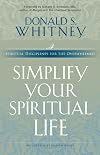
First sentence (from the introduction): The world is more complex than ever, and it becomes more so by the nanosecond. As a result, almost everyone eventually feels the need to simplify. For many people, simplifying means nothing more than "doing less." But simplifying is not so much about doing fewer things as it is about doing the right things.
First sentence from chapter one: Does your spiritual life sometimes seem more like a burden than a blessing? Does your spirituality seem to exhaust show more you as often as it refreshes you? Have your spiritual practices become "just another thing to do" in an already overcrowded, stress-filled schedule? If so, then you need to simplify your spiritual life.
To be completely honest, I'm conflicted about this one.
On the one hand, I do think the title isn't well-matched with the contents. This book isn't going to exactly "simplify" your spiritual life. If anything, I think the book would complicate your spiritual life. In other words, instead of "doing" two to three things as spiritual discipline--which I would say is a LOT for most people if we're being completely honest--it would be like here do these ten things to "simplify" your spiritual life. Are ALL the things beneficial to the spiritual life? Probably. Maybe. Mostly. Are all the things necessary to the spiritual life? Maybe. Maybe not. Truly grace and mercy covers all. One can't embrace the idea of "God doesn't love you more if you read your Bible AND God doesn't love you less if you don't read your Bible" and then stack up dozens of musts that are necessary to "being a Christian."
The book reminds me of a FEW iconic I Love Lucy moments. One episode that this book brings to mind is the episode where Lucy (and Ethel) are working in the chocolate [candy] factory. The second episode this book brings to mind is the episode where Lucy (who wants to be in Ricky's show, of course) is "refreshing" her ballet skills so she can audition as a professional ballerina.
Simplify this one does not. It just doesn't. It is authoritatively and practically giving you a dozen things to keep in mind if you want to grow spiritually. But it also feels like you've been thrown overboard in stormy seas with no life preserver.
One must always always always keep in mind that there are no short cuts in the spiritual life. If one picks up this book expecting to find short cuts, this is NOT that book.
On the other hand, this one offers SHORT, super-practical chapters that are organized by topic. Probably a good third if not a good half are super-obvious as well. Like read your Bible. Read your Bible with a plan. Create a Bible-reading routine--a time, a place. Or don't watch television at all. Avoid the internet if you can help it. [Neither one of those would be easy advice to follow. Well-intentioned or not.] When it comes to prayer, pray without filler, pray through your plans for the day at the start of the day, pray Scripture, pray when walking, etc. Take your sin seriously. Don't be comfortable with sins--big or small. No sin is harmless to the soul. SING OFTEN. Be prepared to evangelize.
There is genuinely good advice. Whitney is a big advocate of both PRAYING the psalms and SINGING the psalms. He also argues that you should be MEDITATING in addition to reading Scripture. Reading is the "exposure" to Scripture and meditating is the "absorption" of Scripture. He does give two different sets of questions to aid in meditation.
Here is his "Philippians 4:8" questions:
What is true about this, or what truth does it exemplify?
What is honorable about this?
What is right about this?
What is pure about this, or how does it exemplify pruity?
What is lovely about this?
What is admirable, commendable, or reputation-strengthening about this?
What is excellent about this (in other words, excels others of this kind)?
What is praiseworthy about this?
And the "Joseph Hall" questions:
What is it (define and/or describe what it is) you are meditating upon?
What are its divisions or parts?
What causes it?
What does it cause, that is, what are its fruits and effects?
What is its place, location, or use?
What are its qualities and attachments?
What is contrary to, contradictory of, or different from it?
What compares to it?
What are its titles or names?
What are the testimonies or examples of Scripture about it?
Honestly, I'm not sure how helpful/beneficial these questions are. The first seems like you are asking the same question eight times. The second seems like you'd need a doctoral degree and two decades of pastoral experience to make head or tails of it.
He's not done yet, it's not enough to read and meditate on Scripture. One must read, meditate, and STUDY.
He covers these basic categories a) personal Bible reading b) personal prayer c) family worship d) corporate worship e) journaling f) in-depth study (file folders and file cabinets are mentioned).
His advice in journaling includes asking yourself these questions before you start:
Have I been fervent in prayer?
Have I after or before every deliberate conversation or action, considered how it might tend to God's glory?
Have I after any pleasure, immediately given thanks?
Have I planned business for the day?
Have I been simple and recollected in everything?
Have I been meek, cheerful, affable in everything I said or did?
Have I been proud, vain, unchaste, or enviable of others?
Have recollected in eating and drinking? Thankful? Temperate in sleep?
Have I thought or spoken unkindly of anyone?
Have I confessed all sins?
A few of those sound potentially beneficial. Others are more puzzling. The list comes from George Whitefield who lived in the eighteenth century which might explain why some of the questions are so confusing.
He has a list of thirty-one journal prompts. [Not enough to tempt me to try journaling]
But here is his second list of TEN questions to help journal-writing:
1. What was the most important thing that happened today?
2. What did I learn today?
3. Where did I see God at work today?
4. What was the most significant thing that someone said to me today?
5. When was I most aware of the Lord today?
6. What was the most helpful thing I read today?
7. What should I have done differently today?
8. How can I simplify my life tomorrow?
9. What could I do to glorify God the most tomorrow?
10. What difference can I make in someone's life tomorrow?
The good news is that he does count nap-taking as a spiritual discipline or spiritual activity. show less
First sentence from chapter one: Does your spiritual life sometimes seem more like a burden than a blessing? Does your spirituality seem to exhaust show more you as often as it refreshes you? Have your spiritual practices become "just another thing to do" in an already overcrowded, stress-filled schedule? If so, then you need to simplify your spiritual life.
To be completely honest, I'm conflicted about this one.
On the one hand, I do think the title isn't well-matched with the contents. This book isn't going to exactly "simplify" your spiritual life. If anything, I think the book would complicate your spiritual life. In other words, instead of "doing" two to three things as spiritual discipline--which I would say is a LOT for most people if we're being completely honest--it would be like here do these ten things to "simplify" your spiritual life. Are ALL the things beneficial to the spiritual life? Probably. Maybe. Mostly. Are all the things necessary to the spiritual life? Maybe. Maybe not. Truly grace and mercy covers all. One can't embrace the idea of "God doesn't love you more if you read your Bible AND God doesn't love you less if you don't read your Bible" and then stack up dozens of musts that are necessary to "being a Christian."
The book reminds me of a FEW iconic I Love Lucy moments. One episode that this book brings to mind is the episode where Lucy (and Ethel) are working in the chocolate [candy] factory. The second episode this book brings to mind is the episode where Lucy (who wants to be in Ricky's show, of course) is "refreshing" her ballet skills so she can audition as a professional ballerina.
Simplify this one does not. It just doesn't. It is authoritatively and practically giving you a dozen things to keep in mind if you want to grow spiritually. But it also feels like you've been thrown overboard in stormy seas with no life preserver.
One must always always always keep in mind that there are no short cuts in the spiritual life. If one picks up this book expecting to find short cuts, this is NOT that book.
On the other hand, this one offers SHORT, super-practical chapters that are organized by topic. Probably a good third if not a good half are super-obvious as well. Like read your Bible. Read your Bible with a plan. Create a Bible-reading routine--a time, a place. Or don't watch television at all. Avoid the internet if you can help it. [Neither one of those would be easy advice to follow. Well-intentioned or not.] When it comes to prayer, pray without filler, pray through your plans for the day at the start of the day, pray Scripture, pray when walking, etc. Take your sin seriously. Don't be comfortable with sins--big or small. No sin is harmless to the soul. SING OFTEN. Be prepared to evangelize.
There is genuinely good advice. Whitney is a big advocate of both PRAYING the psalms and SINGING the psalms. He also argues that you should be MEDITATING in addition to reading Scripture. Reading is the "exposure" to Scripture and meditating is the "absorption" of Scripture. He does give two different sets of questions to aid in meditation.
Here is his "Philippians 4:8" questions:
What is true about this, or what truth does it exemplify?
What is honorable about this?
What is right about this?
What is pure about this, or how does it exemplify pruity?
What is lovely about this?
What is admirable, commendable, or reputation-strengthening about this?
What is excellent about this (in other words, excels others of this kind)?
What is praiseworthy about this?
And the "Joseph Hall" questions:
What is it (define and/or describe what it is) you are meditating upon?
What are its divisions or parts?
What causes it?
What does it cause, that is, what are its fruits and effects?
What is its place, location, or use?
What are its qualities and attachments?
What is contrary to, contradictory of, or different from it?
What compares to it?
What are its titles or names?
What are the testimonies or examples of Scripture about it?
Honestly, I'm not sure how helpful/beneficial these questions are. The first seems like you are asking the same question eight times. The second seems like you'd need a doctoral degree and two decades of pastoral experience to make head or tails of it.
He's not done yet, it's not enough to read and meditate on Scripture. One must read, meditate, and STUDY.
He covers these basic categories a) personal Bible reading b) personal prayer c) family worship d) corporate worship e) journaling f) in-depth study (file folders and file cabinets are mentioned).
His advice in journaling includes asking yourself these questions before you start:
Have I been fervent in prayer?
Have I after or before every deliberate conversation or action, considered how it might tend to God's glory?
Have I after any pleasure, immediately given thanks?
Have I planned business for the day?
Have I been simple and recollected in everything?
Have I been meek, cheerful, affable in everything I said or did?
Have I been proud, vain, unchaste, or enviable of others?
Have recollected in eating and drinking? Thankful? Temperate in sleep?
Have I thought or spoken unkindly of anyone?
Have I confessed all sins?
A few of those sound potentially beneficial. Others are more puzzling. The list comes from George Whitefield who lived in the eighteenth century which might explain why some of the questions are so confusing.
He has a list of thirty-one journal prompts. [Not enough to tempt me to try journaling]
But here is his second list of TEN questions to help journal-writing:
1. What was the most important thing that happened today?
2. What did I learn today?
3. Where did I see God at work today?
4. What was the most significant thing that someone said to me today?
5. When was I most aware of the Lord today?
6. What was the most helpful thing I read today?
7. What should I have done differently today?
8. How can I simplify my life tomorrow?
9. What could I do to glorify God the most tomorrow?
10. What difference can I make in someone's life tomorrow?
The good news is that he does count nap-taking as a spiritual discipline or spiritual activity. show less

Why don't Christians pray more? Well, it can get boring. The mantra Whitney uses several times is that you just start praying "the same old things about the same old things."
Whitney's solution is old, but not much taught: pray with the Psalms. Not just pray the Psalms, have a sort of conversation with them. He goes through the process with numerous examples. As such, you are having a sort of conversation with the Psalms, with the text of the Bible spurring your thoughts to, hopefully, make show more your prayer different, branching off from the text so that you aren't just saying "the same old things about the same old things." Whitney even gives a calendrical way to pray through the Psalms. He talks about praying other sections of the Bible, too, especially New Testament prayers. He makes it plain to make sure you aren't praying "vain repetitions" (Matthew 6:7) and getting "messages" from God through the text (bibliomancy): "away with that sort of mysticism" (p. 69).
An interesting way to maybe pray more and pray better. show less
Whitney's solution is old, but not much taught: pray with the Psalms. Not just pray the Psalms, have a sort of conversation with them. He goes through the process with numerous examples. As such, you are having a sort of conversation with the Psalms, with the text of the Bible spurring your thoughts to, hopefully, make show more your prayer different, branching off from the text so that you aren't just saying "the same old things about the same old things." Whitney even gives a calendrical way to pray through the Psalms. He talks about praying other sections of the Bible, too, especially New Testament prayers. He makes it plain to make sure you aren't praying "vain repetitions" (Matthew 6:7) and getting "messages" from God through the text (bibliomancy): "away with that sort of mysticism" (p. 69).
An interesting way to maybe pray more and pray better. show less
Lists
You May Also Like


Associated Authors
Statistics
- Works
- 22
- Also by
- 1
- Members
- 10,827
- Popularity
- #2,192
- Rating
- 4.2
- Reviews
- 47
- ISBNs
- 61
- Languages
- 5
- Favorited
- 6