
Tammy Greenwood
Author of Rust & Stardust
About the Author
Disambiguation Notice:
Please do not combine Tammy Greenwood with T. Greenwood, as there are multiple authors with that initial and surname.
Works by Tammy Greenwood
Tagged
Common Knowledge
- Birthdate
- 20th century
- Gender
- female
- Birthplace
- St. Johnsbury, Vermont, USA
- Map Location
- St. Johnsbury, Vermont, USA
- Disambiguation notice
- Please do not combine Tammy Greenwood with T. Greenwood, as there are multiple authors with that initial and surname.
Members
Reviews
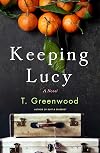
T. Greenwood’s story about a 1970s mother who discovers the worst about a place meant to protect and care for her youngest child is a beautiful story of love and determination. Moreover, Ms. Greenwood’s writing is so delicate and musical that I didn’t want the story to end, no matter how badly I wanted to find out what happens to little Lucy and her beleaguered mother. Mostly, I could not stop thinking about whether anything is different in 2019 now that we are more aware of neglectful show more institutions for the disabled, now that we know more about what it takes to raise a child with a disability, and now that there are significant changes to labor and delivery as well as post-partum care. I fear that not much is different forty years later.
Ms. Greenwood takes such care with her historical details that the story is a delight to read as it provides the opportunity to marvel that any of us born in the 1970s survived our childhood. As Ginny makes her way south, there are no seatbelts and no car seats. Everyone smokes like a chimney wherever they want, including in the car with the kids. Ginny signs her daughter out of the institution using nothing more than a letter as a form of identification. Cash rules the day, but when Ginny does use her credit card, she can do so without showing any identification to verify her signature. It’s insane, and yet, you can’t get upset or question her parenting or the historical details because they did happen. It was simply how things were done back then, for right or wrong.
One other historical element upon which Ms. Greenwood spends a lot of time is Ginny’s marriage and her standing in that marriage. Especially as the story rushes to its close, Ginny reflects on her unhappiness and her feelings of suffocation and regret. She recognizes the lack of equality in her marriage, one where she does all the cooking and cleaning while her beloved husband sits and reads the newspaper after dinner. She marvels at the family dynamics of those she meets along her journey, how loving and fair they seem, how thoughtful everyone is when it comes to taking care of one another. Here too is another area which makes me fear we have not come as far as we think we have when it comes to the wives in marriages. Just the other day, I read an article that talked about men, women, and free time. Every day you see a self-help headline about trying to get your husband to help around the house. This is not to mention the silence of those wives and mothers who feel just as trapped and stifled as Ginny did as they put their lives on hold to raise children. Keeping Lucy might occur more than forty years in the past, but she raises awareness of the same gender inequality that continues to exist in relationships.
In spite of everything Ginny feels and experiences, you cannot help finishing Keeping Lucy without a note of hope. Hell, if we can survive the complete lack of automobile safety in the seventies, there is hope for all of us! All kidding aside, Ms. Greenwood provides hope that even one person can make a difference. Her story is a gentle reminder that love can win out over greed and apathy and that no one has the right to make any decisions affecting your life except you. Hers is not a flashy story, and there is not a lot that happens among its pages. However, it is a peaceful story that helps you find the good in this seemingly hellish world in which we now find ourselves. Keeping Lucy is food for the soul at a time when we so desperately need it. show less
Ms. Greenwood takes such care with her historical details that the story is a delight to read as it provides the opportunity to marvel that any of us born in the 1970s survived our childhood. As Ginny makes her way south, there are no seatbelts and no car seats. Everyone smokes like a chimney wherever they want, including in the car with the kids. Ginny signs her daughter out of the institution using nothing more than a letter as a form of identification. Cash rules the day, but when Ginny does use her credit card, she can do so without showing any identification to verify her signature. It’s insane, and yet, you can’t get upset or question her parenting or the historical details because they did happen. It was simply how things were done back then, for right or wrong.
One other historical element upon which Ms. Greenwood spends a lot of time is Ginny’s marriage and her standing in that marriage. Especially as the story rushes to its close, Ginny reflects on her unhappiness and her feelings of suffocation and regret. She recognizes the lack of equality in her marriage, one where she does all the cooking and cleaning while her beloved husband sits and reads the newspaper after dinner. She marvels at the family dynamics of those she meets along her journey, how loving and fair they seem, how thoughtful everyone is when it comes to taking care of one another. Here too is another area which makes me fear we have not come as far as we think we have when it comes to the wives in marriages. Just the other day, I read an article that talked about men, women, and free time. Every day you see a self-help headline about trying to get your husband to help around the house. This is not to mention the silence of those wives and mothers who feel just as trapped and stifled as Ginny did as they put their lives on hold to raise children. Keeping Lucy might occur more than forty years in the past, but she raises awareness of the same gender inequality that continues to exist in relationships.
In spite of everything Ginny feels and experiences, you cannot help finishing Keeping Lucy without a note of hope. Hell, if we can survive the complete lack of automobile safety in the seventies, there is hope for all of us! All kidding aside, Ms. Greenwood provides hope that even one person can make a difference. Her story is a gentle reminder that love can win out over greed and apathy and that no one has the right to make any decisions affecting your life except you. Hers is not a flashy story, and there is not a lot that happens among its pages. However, it is a peaceful story that helps you find the good in this seemingly hellish world in which we now find ourselves. Keeping Lucy is food for the soul at a time when we so desperately need it. show less
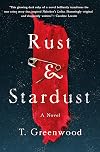
There is a nonfiction account of Sally Horner’s story that is garnering a lot of media press lately, which is unfortunate because from what I have been hearing, it is not the greatest reading experience. It is also unfortunate that the nonfiction version is getting all of the publicity because T. Greenwood’s fictionalized version is so very, very good. With the freedom of fiction, Ms. Greenwood places us into the mind of Sally and that of her mother and sister so that they are once again show more alive and vibrant and telling their collective story so that all may know what happened during those lost years at the end of the 1940s.
Rust & Stardust is not an easy novel to read. While Ms. Greenwood does not get explicit in the forms of abuse Sally experiences, she provides enough contextual clues to understand just what is happening to Sally at any given time. This understanding is enough to turn your stomach and is most definitely a trigger for readers sensitive to pedophilia and other forms of child abuse. While it would be easy to say that such knowledge is not necessary to Sally’s story, Ms. Greenwood presents it in such a way to understand not only her experiences but also her frame of mind during and after her abduction. In turn, this helps frame her state of mind that leads to her ultimate fate. It may be some of the most difficult reading you might do, but it is vital reading if only to recognize the mental trauma such sustained abuse causes Sally and the strains placed on her relationships with her sister and mother as a result of her trauma.
Because of the sensitive nature of her subject, Ms. Greenwood tiptoes delicately through the grimier aspects of Sally’s story. She provides Sally with a modicum of privacy within her most horrific scenes. Some of this privacy is out of necessity if only because we truly have no idea what Sally thought or felt throughout her ordeal. However, even among those aspects of the story in which Ms. Greenwood had to utilize her imagination, her speculations are so realistic that you forget you are reading fiction. In point of fact, Ms. Greenwood’s diligent and very thorough research shines among the pages of Rust & Stardust so that you do not have to do any further research on your own. Adding to that is Ms. Greenwood’s ability to paint a picture, which is so good that you have no need to Google Sally and find the images to which Ms. Greenwood refers throughout the story.
To that end, Rust & Stardust is an excellent historical fiction novel specifically because Ms. Greenwood not only did her homework on her chosen subject but also presents it in such a way that blurs the line between fiction and reality. It is easy to forget that Sally’s story is real, that Sally herself was real, and that she did endure years of sexual, physical, and mental abuse at the hands of her abductor. That her story inspired Vladimir Nabokov only serves to make his classic story even more disturbing – because it forces us to realize that for all his rationalizations, Humbert Humbert really is a disgusting and depraved character, something not so easy to realize while reading it.
Sally’s story is a tough one, and there will be times you will set it aside thinking you cannot possibly get through it, but there is something so beautiful about Rust & Stardust that it bears continuing with it. Sally may have undergone horrific situations, but her family never gave up on her. They continued to search and pushed the police to continue their searches. They offered rewards, even though money was tight. They physically searched areas themselves. They fought, and Sally fought. That is the story worth telling and worth experiencing. That we should never succumb to what is happening to us but continue to fight to achieve our goals – whether they are to lose weight, travel more, or escape your abductor. For the many instances of a roiling stomach her story causes, Ms. Greenwood’s Rust & Stardust is a beautiful, sensitive novel that provides you more insight into the Horner family than a certain other nonfiction publication out on the shelves right now. show less
Rust & Stardust is not an easy novel to read. While Ms. Greenwood does not get explicit in the forms of abuse Sally experiences, she provides enough contextual clues to understand just what is happening to Sally at any given time. This understanding is enough to turn your stomach and is most definitely a trigger for readers sensitive to pedophilia and other forms of child abuse. While it would be easy to say that such knowledge is not necessary to Sally’s story, Ms. Greenwood presents it in such a way to understand not only her experiences but also her frame of mind during and after her abduction. In turn, this helps frame her state of mind that leads to her ultimate fate. It may be some of the most difficult reading you might do, but it is vital reading if only to recognize the mental trauma such sustained abuse causes Sally and the strains placed on her relationships with her sister and mother as a result of her trauma.
Because of the sensitive nature of her subject, Ms. Greenwood tiptoes delicately through the grimier aspects of Sally’s story. She provides Sally with a modicum of privacy within her most horrific scenes. Some of this privacy is out of necessity if only because we truly have no idea what Sally thought or felt throughout her ordeal. However, even among those aspects of the story in which Ms. Greenwood had to utilize her imagination, her speculations are so realistic that you forget you are reading fiction. In point of fact, Ms. Greenwood’s diligent and very thorough research shines among the pages of Rust & Stardust so that you do not have to do any further research on your own. Adding to that is Ms. Greenwood’s ability to paint a picture, which is so good that you have no need to Google Sally and find the images to which Ms. Greenwood refers throughout the story.
To that end, Rust & Stardust is an excellent historical fiction novel specifically because Ms. Greenwood not only did her homework on her chosen subject but also presents it in such a way that blurs the line between fiction and reality. It is easy to forget that Sally’s story is real, that Sally herself was real, and that she did endure years of sexual, physical, and mental abuse at the hands of her abductor. That her story inspired Vladimir Nabokov only serves to make his classic story even more disturbing – because it forces us to realize that for all his rationalizations, Humbert Humbert really is a disgusting and depraved character, something not so easy to realize while reading it.
Sally’s story is a tough one, and there will be times you will set it aside thinking you cannot possibly get through it, but there is something so beautiful about Rust & Stardust that it bears continuing with it. Sally may have undergone horrific situations, but her family never gave up on her. They continued to search and pushed the police to continue their searches. They offered rewards, even though money was tight. They physically searched areas themselves. They fought, and Sally fought. That is the story worth telling and worth experiencing. That we should never succumb to what is happening to us but continue to fight to achieve our goals – whether they are to lose weight, travel more, or escape your abductor. For the many instances of a roiling stomach her story causes, Ms. Greenwood’s Rust & Stardust is a beautiful, sensitive novel that provides you more insight into the Horner family than a certain other nonfiction publication out on the shelves right now. show less
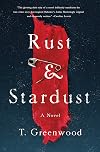
When you know a book is going to break your heart but the writing is so enticing that you can't be torn away. Rust & Stardust tells the tragic and horrific story of Sally Horner, a young girl from New Jersey who was held captive by a convicted rapist for 21 months.
The story starts off in 1948 in Camden, New Jersey and briefly explains Sally's rough life at home and school. Eleven-year-old Sally attempts to shoplift a composition notebook from a nearby Woolworth's store in order to be show more accepted by a small girls club at school. She did not know that someone was watching her. Sally was apprehended at the store by Frank LaSalle, who claimed to be an FBI agent at the time. LaSalle promised that he would help Sally avoid going to prison but she would have to come with him to testify in front of a judge and do everything he says or he would have her arrested.
LaSalle let Sally go home that afternoon but he intercepted her on her way home from school the next day. LaSalle convinced Sally to lie to her mother and tell her that she was going on a trip to Atlantic City with her friend's family. Sally's mother believed her and even walked her to the bus and dropped her off with LaSalle, who posed as her friend's father.
We follow Sally as two agonizing years go by and LaSalle continues to spin a web of lies while transporting her across several state lines. He physically, sexually and mentally abused Sally until he was caught by one of their neighbors who was able to get through to Sally. Sally was definitely naïve but those were different times. She did not want anyone to know that she was kidnapped because she was afraid of what LaSalle might have done if he found out that she told someone.
This story is difficult to read at times, disturbing, and unsettling. It is not for the faint of heart. If you are sensitive to subjects such as child abuse and sexual abuse, this is probably not the right book for you. This book is about a young girl being abused, taken advantage of, and having her childhood stolen from her.
The author's words flow beautifully and she skillfully brings Sally's harrowing account to life through her own eyes and the eyes of her family and friends. Greenwood fearlessly gave Sally a much-needed voice and describes her thoughts, pain and actions. This is the unfortunate but true story that inspired Vladimir Nabokov to write Lolita.
I want to thank St. Martin's Press and T. Greenwood for my free review copy in exchange for an honest review. show less
The story starts off in 1948 in Camden, New Jersey and briefly explains Sally's rough life at home and school. Eleven-year-old Sally attempts to shoplift a composition notebook from a nearby Woolworth's store in order to be show more accepted by a small girls club at school. She did not know that someone was watching her. Sally was apprehended at the store by Frank LaSalle, who claimed to be an FBI agent at the time. LaSalle promised that he would help Sally avoid going to prison but she would have to come with him to testify in front of a judge and do everything he says or he would have her arrested.
LaSalle let Sally go home that afternoon but he intercepted her on her way home from school the next day. LaSalle convinced Sally to lie to her mother and tell her that she was going on a trip to Atlantic City with her friend's family. Sally's mother believed her and even walked her to the bus and dropped her off with LaSalle, who posed as her friend's father.
We follow Sally as two agonizing years go by and LaSalle continues to spin a web of lies while transporting her across several state lines. He physically, sexually and mentally abused Sally until he was caught by one of their neighbors who was able to get through to Sally. Sally was definitely naïve but those were different times. She did not want anyone to know that she was kidnapped because she was afraid of what LaSalle might have done if he found out that she told someone.
This story is difficult to read at times, disturbing, and unsettling. It is not for the faint of heart. If you are sensitive to subjects such as child abuse and sexual abuse, this is probably not the right book for you. This book is about a young girl being abused, taken advantage of, and having her childhood stolen from her.
The author's words flow beautifully and she skillfully brings Sally's harrowing account to life through her own eyes and the eyes of her family and friends. Greenwood fearlessly gave Sally a much-needed voice and describes her thoughts, pain and actions. This is the unfortunate but true story that inspired Vladimir Nabokov to write Lolita.
I want to thank St. Martin's Press and T. Greenwood for my free review copy in exchange for an honest review. show less
Having literally just finished this book, I'm finding myself both filled with so many emotions and thoughts but unable to truly write down and convey them properly. Words don't feel enough. How does one find the words for a story such as this one?
While the happenings within this tale have been fictionalized, many of the persons involved are in fact real, and Sally Horner's story did in fact happen. Her abduction was even the inspiration for Nabokov's Lolita - leaving a stark and constant show more reminder that this story is not meant to be fantastical or pretty in any sense. And there were times where reading was triggering and tragic. Greenwood masterfully handled the darkest points with tact and maintained the believability of a child's mind in duress during such a situation.
This novel lives up to it's title, and I certainly won't be seeing red ribbons in the same manner for some time. show less
While the happenings within this tale have been fictionalized, many of the persons involved are in fact real, and Sally Horner's story did in fact happen. Her abduction was even the inspiration for Nabokov's Lolita - leaving a stark and constant show more reminder that this story is not meant to be fantastical or pretty in any sense. And there were times where reading was triggering and tragic. Greenwood masterfully handled the darkest points with tact and maintained the believability of a child's mind in duress during such a situation.
This novel lives up to it's title, and I certainly won't be seeing red ribbons in the same manner for some time. show less
Lists
Awards


You May Also Like


Statistics
- Works
- 13
- Members
- 2,275
- Popularity
- #11,282
- Rating
- 4.0
- Reviews
- 182
- ISBNs
- 92
- Languages
- 6
- Favorited
- 5
