
Joyce Maynard
Author of Labor Day
About the Author
Joyce Maynard was born on November 5, 1953. She first came to national attention in 1973 with the publication of her New York Times cover story An Eighteen-Year-Old Looks Back on Life, which she wrote while a freshman at Yale University. Since then, she has been a reporter and columnist for The New show more York Times, a syndicated newspaper columnist, and a regular contributor to NPR. Her writing have also been published in numerous magazines including O, The Oprah Magazine; Newsweek; The New York Times Magazine; Forbes; Salon; San Francisco Magazine; and USA Weekly. She has written both fiction and nonfiction works including The Usual Rules, The Cloud Chamber, Internal Combustion, After Her, and her memoirs Looking Back and At Home in the World. Maynard's memoirs include details about her relationship with J. D. Salinger when she was 18 years old and attending Yale University. To Die For was adapted into a movie starring Nicole Kidman, Matt Dillon and Joaquin Phoenix and Labor Day was adapted into a movie starring Kate Winslet and Josh Brolin. (Bowker Author Biography) show less
Series
Works by Joyce Maynard
Internal Combustion: The Story of a Marriage and a Murder in the Motor City (2006) 69 copies, 3 reviews
Telling Stories 1 copy
Every Parent's Worst Fear 1 copy
Romancing the Sink 1 copy
L'influenceuse 1 copy
Associated Works
Going Hungry: Writers on Desire, Self-Denial, and Overcoming Anorexia (2008) — Contributor — 86 copies, 1 review
How I Learned to Cook and Other Writings on Complex Mother-Daughter Relationships (2004) — Contributor — 62 copies
Journeys Home: Inspiring Stories, Plus Tips and Strategies to Find Your Family History (2015) — Contributor — 39 copies, 1 review
Single Woman of a Certain Age: 29 Women Writers on the Unmarried Midlife--Romantic Escapades, Empty Nests, Shifting Shapes, and Serene Independence (2005) — Contributor — 32 copies, 1 review
Grabbed: Poets and Writers on Sexual Assault, Empowerment, and Healing (2020) — Foreword, some editions — 16 copies
Tagged
Common Knowledge
- Canonical name
- Maynard, Joyce
- Legal name
- Maynard, Daphne Joyce
- Birthdate
- 1953-11-05
- Gender
- female
- Education
- Phillips Exeter Academy
Yale University
Dartmouth College - Occupations
- novelist
journalist
professor - Organizations
- The New York Times
University of Southern Maine - Relationships
- Maynard, Fredelle (mother)
Maynard, Rona (sister)
Salinger, J. D. (lover) - Nationality
- USA
- Birthplace
- Exeter, New Hampshire, USA
- Places of residence
- Durham, New Hampshire, USA
Cornish, New Hampshire, USA
Hillsborough, New Hampshire, USA
Keene, New Hampshire, USA
Mill Valley, California, USA - Associated Place (for map)
- New Hampshire, USA
Members
Discussions
An Author Interview with Joyce Maynard in Talk about LibraryThing (June 2024)
Reviews
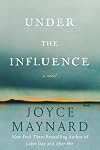
Under the Influence by Joyce Maynard is a very highly recommended novel about a woman desperate for family.
Helen is a photographer who works as a school portrait photographer. She lives for her son, Ollie and the weekends she gets to see him - if it all works out with her ex. Helen lost custody of Ollie three years ago after she was arrested for a DUI. She can tell Ollie is drifting away from her and yet she feels powerless to do anything about it. Since the DUI, she's been sober, but her ex show more won't believe it.
When Helen is working as a server for a catered gallery event one night, she meets Ava and Swift Havilland. Ava immediately takes Helen under her wing and befriends her. Ava and Swift are incredibly wealthy. Currently they have started a charity devoted to rescuing dogs. Ava is wheelchair bound, but she still seems bigger than life. Once Helen starts seeing Ava regularly and helping her, she becomes more and more enmeshed with their lives and their inner circle of friends.
When Ollie, 7 years old, actually gets to spend a weekend with Helen, she takes him over to their house and introduces him to Ava and Swift. Ollie is immediately entranced by Swift, who teaches him to swim in their pool and becomes a larger-than-life male role model in his young life. It seems that their life has done nothing but improve with Ava and Swift.
Helen muses in the opening "There had been a time when a day didn’t go by that I didn’t hear her voice. Nearly everything I did was directly inspired by what Ava told me, or didn’t even have to tell me, because I knew already what Ava would think, and whatever that was, that’s what I believed, too. (Then came a long, dark time after she cut me out of her world, and the hard reality of that betrayal became—second only to losing custody of my son—the defining fact of my life.) Losing Ava’s friendship had left me unable to remember who I might be anymore without her. As strong a force as her presence had created, her absence was stronger yet."
So, we know right from the start that something is going to go terribly wrong with this friendship, but it takes the whole book to reveal what happened. I was totally engrossed in this story from start to finish, speculating what was going to happen to cause the total loss of this friendship. Helen is exceptionally needy; she desperately wants the closeness of a family and Ava and Swift are fulfilling that role for her. But the question at the back of my mind while reading Under the Influence was: "What are Ava and Swift getting from this friendship and all their generosity? Can anyone be this altruistic?"
Yes, they are both very egocentric, but Helen seems to just to see their good point. Even when she meets a great guy, they discourage her relationship with him because he's best described as just nice and boring. Helen really likes him, but they discourage her relationship with anyone but them. I found this novel captivating as it explored what lengths people will go to to control others and demand exclusivity in friendships as their due while they protect their self-interests.
Maynard is an incredibly talented writer. The slow unfolding of the complete story is well-paced. You know right from the start that something is going to happen and that alone will keep you reading as more and more is revealed. You will be guessing and second guessing what is going to happen. The character of Helen is wonderfully developed and written as if she is a real person, with flaws and shortcomings. Helen is not perfect, but you will know that she loves Ollie more than anything else.
Disclosure: My Kindle edition was courtesy of HarperCollins for review purposes.
http://shetreadssoftly.blogspot.com/2016/02/under-influence.html show less
Helen is a photographer who works as a school portrait photographer. She lives for her son, Ollie and the weekends she gets to see him - if it all works out with her ex. Helen lost custody of Ollie three years ago after she was arrested for a DUI. She can tell Ollie is drifting away from her and yet she feels powerless to do anything about it. Since the DUI, she's been sober, but her ex show more won't believe it.
When Helen is working as a server for a catered gallery event one night, she meets Ava and Swift Havilland. Ava immediately takes Helen under her wing and befriends her. Ava and Swift are incredibly wealthy. Currently they have started a charity devoted to rescuing dogs. Ava is wheelchair bound, but she still seems bigger than life. Once Helen starts seeing Ava regularly and helping her, she becomes more and more enmeshed with their lives and their inner circle of friends.
When Ollie, 7 years old, actually gets to spend a weekend with Helen, she takes him over to their house and introduces him to Ava and Swift. Ollie is immediately entranced by Swift, who teaches him to swim in their pool and becomes a larger-than-life male role model in his young life. It seems that their life has done nothing but improve with Ava and Swift.
Helen muses in the opening "There had been a time when a day didn’t go by that I didn’t hear her voice. Nearly everything I did was directly inspired by what Ava told me, or didn’t even have to tell me, because I knew already what Ava would think, and whatever that was, that’s what I believed, too. (Then came a long, dark time after she cut me out of her world, and the hard reality of that betrayal became—second only to losing custody of my son—the defining fact of my life.) Losing Ava’s friendship had left me unable to remember who I might be anymore without her. As strong a force as her presence had created, her absence was stronger yet."
So, we know right from the start that something is going to go terribly wrong with this friendship, but it takes the whole book to reveal what happened. I was totally engrossed in this story from start to finish, speculating what was going to happen to cause the total loss of this friendship. Helen is exceptionally needy; she desperately wants the closeness of a family and Ava and Swift are fulfilling that role for her. But the question at the back of my mind while reading Under the Influence was: "What are Ava and Swift getting from this friendship and all their generosity? Can anyone be this altruistic?"
Yes, they are both very egocentric, but Helen seems to just to see their good point. Even when she meets a great guy, they discourage her relationship with him because he's best described as just nice and boring. Helen really likes him, but they discourage her relationship with anyone but them. I found this novel captivating as it explored what lengths people will go to to control others and demand exclusivity in friendships as their due while they protect their self-interests.
Maynard is an incredibly talented writer. The slow unfolding of the complete story is well-paced. You know right from the start that something is going to happen and that alone will keep you reading as more and more is revealed. You will be guessing and second guessing what is going to happen. The character of Helen is wonderfully developed and written as if she is a real person, with flaws and shortcomings. Helen is not perfect, but you will know that she loves Ollie more than anything else.
Disclosure: My Kindle edition was courtesy of HarperCollins for review purposes.
http://shetreadssoftly.blogspot.com/2016/02/under-influence.html show less

I have never read a book by Joyce Maynard before. I knew of her slightly - the fact that she was J. D. Salinger’s one time girlfriend and I think I may have seen a movie based on one of her novels. The early reviewers description of Count the Ways sounded very good so I thought I would give it a try. I must say Maynard is indeed a very talented writer. The entire plot description is on the back cover, so it is how she tells the story in a simple way with beautiful prose that engaged me. show more However, because I knew that a tragic event would unfold, I was not happy that it took almost 200 pages to get there. I knew she had to set the stage, but at each chapter I thought it would occur and it did not. I feel it was self indulgent to write so many chapters where nothing really happened. But I must say, once the event occurred the book did move along at a better pace and I began to really enjoy it. (It is a long book.).
Maynard beautifully and sensitively describes the emotions of a loving family coming apart. She realistically presents the wife Eleanor’s feelings of both love and despair about her relationship with her husband Cam, the effects of the divorce on her three children, and what happens to the family.
Some of my favorite quotes exemplify these things:
How does it happen that a person with whom you have shared your most intimate moments---greatest love, greatest pain, joy, also grief---can become a stranger?
Until that night she had not known he was capable of so much coldness or, call it what it was, so much quiet rage. Maybe that's what happened when someone who had once been in love with you wasn't anymore.
How could it be that a person could be both the source of your greatest sorrow and the source of your only comfort, all at once? That afternoon he was both.
Maybe the same thing that made him so enviably carefree also resulted in his maddening obliviousness. Life just didn't seem so earthshakingly serious to Cam...Eleanor remembered everything and never let it go.
Eleanor had learned this over the years: children of divorced parents were like citizens of two hostile countries, observing the laws and customs of each, depending on where they were at the moment. Shedding the language and culture when they entered the other, doing the same when they crossed back. Having to keep their story straight, depending on where they were. Their one source of continuity with each other.
Cam wasn't the type to display anger, least of all to Eleanor. In some ways, his anger would have been easier to take, because a person who is angry at you is at least acknowledging your existence. But Cam drifted along like a cork person. The kind that somehow, miraculously, makes it all the way down the brook without getting caught in the weeds.
It wasn't just that the two of them turned out to have no future together. More surprising, for Eleanor, was the obliteration of the past.
Sometimes, Eleanor reflected, it might be better for a person to remember less.
Families didn't always look the way you pictured them. And even if they did, that was just about never the real story.
Also, Maynard sets the scenes throughout the novel by the news stories and music of the day. The novel covers many years and this technique highlights the passage of time.
She tackles painful topics such as rape, abortion, AIDS, gender reassignment, a child’s disability and of course betrayal and divorce. The themes of loss and sorrow predominate but joy and love do shine through. show less
Maynard beautifully and sensitively describes the emotions of a loving family coming apart. She realistically presents the wife Eleanor’s feelings of both love and despair about her relationship with her husband Cam, the effects of the divorce on her three children, and what happens to the family.
Some of my favorite quotes exemplify these things:
How does it happen that a person with whom you have shared your most intimate moments---greatest love, greatest pain, joy, also grief---can become a stranger?
Until that night she had not known he was capable of so much coldness or, call it what it was, so much quiet rage. Maybe that's what happened when someone who had once been in love with you wasn't anymore.
How could it be that a person could be both the source of your greatest sorrow and the source of your only comfort, all at once? That afternoon he was both.
Maybe the same thing that made him so enviably carefree also resulted in his maddening obliviousness. Life just didn't seem so earthshakingly serious to Cam...Eleanor remembered everything and never let it go.
Eleanor had learned this over the years: children of divorced parents were like citizens of two hostile countries, observing the laws and customs of each, depending on where they were at the moment. Shedding the language and culture when they entered the other, doing the same when they crossed back. Having to keep their story straight, depending on where they were. Their one source of continuity with each other.
Cam wasn't the type to display anger, least of all to Eleanor. In some ways, his anger would have been easier to take, because a person who is angry at you is at least acknowledging your existence. But Cam drifted along like a cork person. The kind that somehow, miraculously, makes it all the way down the brook without getting caught in the weeds.
It wasn't just that the two of them turned out to have no future together. More surprising, for Eleanor, was the obliteration of the past.
Sometimes, Eleanor reflected, it might be better for a person to remember less.
Families didn't always look the way you pictured them. And even if they did, that was just about never the real story.
Also, Maynard sets the scenes throughout the novel by the news stories and music of the day. The novel covers many years and this technique highlights the passage of time.
She tackles painful topics such as rape, abortion, AIDS, gender reassignment, a child’s disability and of course betrayal and divorce. The themes of loss and sorrow predominate but joy and love do shine through. show less
 This review was written for LibraryThing Early Reviewers.
[Count the Ways] is the story of a family - first a lost one, then a made one, then a shattered one, and then - maybe - a mended one. The focus is on Eleanor who loses her parents when she is a teenager, not that it was much of a loss. Her parents had time and attention only for each other, with Eleanor always the outsider. What she wants most in the world is a family, and she gets it. She falls in love with Cam, and they live a hippie-ish sort of life on a farm in New Hampshire, where their show more three children are born. It's an idyllic existence as far as Eleanor is concerned, and it should be mentioned here that the sense of place in this novel is beautifully written; the farm becomes a character almost as important as the people.
Told in short chapters, [Count the Ways] charts the family's progress through the years with all the usual highs and lows of life, plus one truly terrible event. Through it all, Eleanor remains wholely focused on her children, to the detriment of her marriage (the reverse of her parents, essentially). As the family unit starts to break down, Eleanor is forced to question the weight of so much love and attention and the harm it can do. She is a frustrating character (as is Cam), but she seemed very real to me. Ultimately, this is the story of a lonely woman, I think.
I had a small quibble with the ending that lost the book a quarter of a star.
I borrowed this book from the library because I won a copy of its follow-up from the Early Reviewers program. I very much look forward to reading it soon to see if Maynard can recapture the intricacies and complexities of this family.
4.25 stars
"Who knew what they'd remember, and what they'd make of it, but the hope was there that if nothing else, what they would hold on to from these times was the knowledge of being deeply loved. You showed your children the world. It was up to them to determine what they'd make of it." (p. 98)
"Maybe loving her children too much was her downfall - the weight it placed on the three of them, knowing that for their mother they represented everything of greatest meaning in her life. No question their father loved them, too, but without the heavy sense of obligation her devotion seemed to carry with it." (p. 298) show less
Told in short chapters, [Count the Ways] charts the family's progress through the years with all the usual highs and lows of life, plus one truly terrible event. Through it all, Eleanor remains wholely focused on her children, to the detriment of her marriage (the reverse of her parents, essentially). As the family unit starts to break down, Eleanor is forced to question the weight of so much love and attention and the harm it can do. She is a frustrating character (as is Cam), but she seemed very real to me. Ultimately, this is the story of a lonely woman, I think.
I had a small quibble with the ending that lost the book a quarter of a star.
I borrowed this book from the library because I won a copy of its follow-up from the Early Reviewers program. I very much look forward to reading it soon to see if Maynard can recapture the intricacies and complexities of this family.
4.25 stars
"Who knew what they'd remember, and what they'd make of it, but the hope was there that if nothing else, what they would hold on to from these times was the knowledge of being deeply loved. You showed your children the world. It was up to them to determine what they'd make of it." (p. 98)
"Maybe loving her children too much was her downfall - the weight it placed on the three of them, knowing that for their mother they represented everything of greatest meaning in her life. No question their father loved them, too, but without the heavy sense of obligation her devotion seemed to carry with it." (p. 298) show less
This is the story of a marriage, the family created by that marriage, and their collective joys and sorrows. Eleanor was the child of two self-centered people poorly suited to parenthood. When Eleanor was in her teens, both parents died suddenly. While this left her scarred, it also enabled her to grow in new ways. At 20 she met Cam; together they turned an old New England farmhouse into a home, and children soon followed. But so did stress and hardship, and their relationship began to fray show more at the edges. A tragic event tore the family apart; the rest of the novel describes their personal journeys over the next 20 years or so.
Eleanor and Cam were both flawed and realistic characters. Most writers would portray one character as the better half, but Joyce Maynard showed readers the ways each of them were simultaneously committed to the family and contributing to its dysfunction. Some parts of the story came perilously close to my own memories, regrets, and fears. The story touched me on an emotional level that made me rate this book highly despite a few plot and editorial issues. show less
Eleanor and Cam were both flawed and realistic characters. Most writers would portray one character as the better half, but Joyce Maynard showed readers the ways each of them were simultaneously committed to the family and contributing to its dysfunction. Some parts of the story came perilously close to my own memories, regrets, and fears. The story touched me on an emotional level that made me rate this book highly despite a few plot and editorial issues. show less
Lists
Awards


You May Also Like


Associated Authors
Statistics
- Works
- 32
- Also by
- 15
- Members
- 5,135
- Popularity
- #4,853
- Rating
- 3.7
- Reviews
- 342
- ISBNs
- 227
- Languages
- 10
- Favorited
- 4
