
Chris Bohjalian
Author of Midwives
About the Author
Chris Bohjalian (born on August 12, 1962 in White Plains, New York) graduated from Amherst College and worked as an account representative for J. Walter Thompson advertising agency in New York in the mid-1980s. Bohjalian is an American novelist and the author of 15 novels, including the bestsellers show more Midwives and The Sandcastle Girls. His first novel, A Killing in the Real World, was released in 1988. His other novels include Water Witches, The Law of Similars, Before You Know Kindness, Skeletons at the Feast, and The Night Strangers. Past the Bleachers and Midwives were made into Hallmark Hall of Fame movies and Secrets of Eden was made into a Lifetime Television movie. He won the New England Book Award in 2002. He also contributes to numerous publications including Cosmopolitan, Reader's Digest, Boston Globe Sunday Magazine and the Burlington Free Press. Bohjalian's The Guest Room is a New York Times bestseller. (Bowker Author Biography) show less
Series
Works by Chris Bohjalian
The Flight Attendant: The Complete First Season — Based on the novel by — 5 copies
Slot Machine Fever Dreams 3 copies
Dubla constrangere 1 copy
Associated Works
The Book That Changed My Life: 71 Remarkable Writers Celebrate the Books That Matter Most to Them (2006) — Contributor — 411 copies, 18 reviews
Tagged
Common Knowledge
- Other names
- Bohjalian, Christopher Aram (birth name)
- Birthdate
- 1962-08-12
- Gender
- male
- Education
- Amherst College
- Occupations
- novelist
- Organizations
- Burlington Free Press
- Awards and honors
- Phi Beta Kappa
- Short biography
- Chris A. Bohjalian, known professionally as Chris Bohjalian is an American novelist and the author of 20 novels, including such bestsellers as Midwives (1997), The Sandcastle Girls (2012), The Guest Room (2016) and The Flight Attendant (2018) Bohjalian's work has been published in over 30 languages and three of his novels have been adapted into films. Bohjalian's The Flight Attendant has been adapted for an upcoming television drama starring Kaley Cuoco.
Chris Bohjalian graduated from Amherst College Summa Cum Laude, where he was a member of the Phi Beta Kappa Society. In the mid-1980s, he worked as an account representative for J. Walter Thompson, an ad agency located in New York City. Bohjalian moved with his wife, Victoria Blewer, to Lincoln, Vermont in 1988.
In Lincoln, Bohjalian began writing weekly columns for the local newspaper and magazine about living in the small town, which had a population of about 975 residents. The column ran in the Burlington Free Press from 1992 through 2015 and won a Best Lifestyle Column from the Vermont Press Association. Bohjalian has also written for such magazines as Cosmopolitan, Reader's Digest, The New York Times, and the Boston Globe Sunday Magazine.
Bohjalian's first novel, A Killing in the Real World, was released in 1988. His third novel, Past the Bleachers, was released in 1992 and was adapted to a Hallmark Channel television movie in 1995.
In 1997, Bohjalian's fifth novel, Midwives, was released. The novel focuses on the rural Vermont midwife Sibyl Danforth, who becomes embroiled in a legal battle after one of her patients died following an emergency Caesarean section. The novel was critically acclaimed and was selected by Oprah Winfrey as the October 1998 selection of her Oprah's Book Club. It became a #1 New York Times and #1 USA Today bestseller. In 2001, the novel was adapted into a Lifetime Movie Network television film starring Sissy Spacek in the lead role. Spacek said the Danforth character appealed to her because, "the heart of the story is my character's inner struggle with self-doubt, the solo road you travel when you have a secret". - Nationality
- USA
- Birthplace
- White Plains, New York, USA
- Places of residence
- White Plains, New York, USA
Brooklyn, New York, USA
Lincoln, Vermont, USA - Associated Place (for map)
- New York, USA
Members
Reviews

A copy of this book was in the big haul from the Airplane Lady, but until I heard this author’s name recently in a podcast, I hadn’t even looked at the file or investigated what kind of books he writes. Evidently this is a weird one for him, but knowing that and that it was fraught and over-the-top, I think I enjoyed myself more than most people who come to the book after reading his other work. And let me get this out of the way - I LIKED THE ENDING.
Let me deal with I didn’t like, show more then we head deep into spoilerville, so be warned.
There are two threads to the book; Chip’s PTSD after crashing the plane and the herbalists and their fascination with his twins. They didn’t really mesh as well as they could have. I kept expecting them to, then whammo, right at the end, Bohjalian merges them in a way I found perfunctory and dismissive. Another thing that bugged me is the inclusion of people who didn’t matter; townspeople and the like. They’d pop up with some message of foreboding, then fade out of sight and out of the story. Not sure they were altogether necessary, but whatever. And I didn’t think moving to New Hampshire was at all plausible when Chip’s plane crashed next door in Vermont. Whut? Oh and Emily drove me a bit crazy with her attitude sometimes. Like thinking anything you do with an ax must be inherently violent. Again, whut? It’s a tool you simpleton. Like any other tool. Oy.
So now let’s address the ending. If you haven’t read it STOP.
I really did like the way the herbalists gradually and relentlessly isolated the family. One by one everyone else even remotely connected to their lives was removed or replaced. Personally I would have found their constant attentions smothering, but Emily repeatedly refers to them as a support system and uses that as a further reason to stay in Bethel (which doesn’t exist, btw, not in NH). A lot of the cryptic remarks between herbalists and their casual cruelty was also pretty chilling (like dithering over which girl will go under the blade). Some are set up as more villainous than others and yeah, it was pretty silly, but it’s a ghost story for crying out loud. With witches! So when people complain that the family didn’t notice what was happening to them - they were poisoned or hexed or whatever, so how could they realize? It’s all part of how the herbalists control their victims. And didn’t you just love it when another one would show up? Like when the cop came to the door for something and Emily notes her initial on her name badge. I wondered what it stood for and in a minute Emily asks. Celandine. Another little swirl of dread just reading it.
Now I really will talk about the end. The reason I liked it is that the horror of the situation continues. All during the novel Bohjalian serves up tons and tons of creepy actions and atmosphere. From Reseda planting a wet one on Emily to Chip’s lower back pain being right in the spot where Ashley was cleaved in two (and he couldn’t have known), from Anise’s awful food to the herbalists manic pawing over the twins. Their real purpose with the twins is 12 shades of dreadful.Then there’s the cat. Creepy, creepy, creepy. Laid on thick, sure, but loads of fun. By the time everyone got renamed they were so totally dominated (and who could blame them considering what all was in their food) they couldn’t do anything but submit. It was like they were in some trance, inevitably marching on to their doom.
I admit, I sort of longed for some payback now and again. That Chip would finally be able to save somebody after his struggle with the crash and then with the ghostly commands to make friends of his girls for Ashley (the dead can’t be friends with breathers, you know). Then when Garnet started to wake up and realize what was happening, I wanted she and Hallie to bond together like in Scooby Doo and go and rip off Sage’s mask and reveal some hokey scheme. Even Reseda would have done in a pinch, but when I read the epilogue, Chip calling Emily Verbena and little Cali off to botany school, the full flower of horror blossomed in my mind. No one escaped. No one would ever escape. The Lintons didn’t even realize what they had done because Anise’s horrid brownies just keep on coming. They are living the lies in near innocence. Near. And isn’t that more squirm-inducing?
Another reason why the ending works is because you come to understand that probably all of them have sacrificed someone to be what they are and preserve the group. If that doesn’t make you feel at least a little sick, you have issues. Didn’t Reseda say she was a twin a couple of times, but that her sister is dead? All to further this little blood cult. The teacher. The cop. The psychiatrist. The lawyer. They all serve to watch for victims and trap them once they’ve been lured in. And it drove Tansy insane in the end. Her situation becomes truly horrifying in the light of this ending. Without it, her behavior is merely perplexing and unresolved. Without it the dread is nullified and meaningless. The evil needs to continue and to flower in the dark like one of their beloved plants. And I think that’s just fine. Can I make you some tea? show less
Let me deal with I didn’t like, show more then we head deep into spoilerville, so be warned.
There are two threads to the book; Chip’s PTSD after crashing the plane and the herbalists and their fascination with his twins. They didn’t really mesh as well as they could have. I kept expecting them to, then whammo, right at the end, Bohjalian merges them in a way I found perfunctory and dismissive. Another thing that bugged me is the inclusion of people who didn’t matter; townspeople and the like. They’d pop up with some message of foreboding, then fade out of sight and out of the story. Not sure they were altogether necessary, but whatever. And I didn’t think moving to New Hampshire was at all plausible when Chip’s plane crashed next door in Vermont. Whut? Oh and Emily drove me a bit crazy with her attitude sometimes. Like thinking anything you do with an ax must be inherently violent. Again, whut? It’s a tool you simpleton. Like any other tool. Oy.
So now let’s address the ending. If you haven’t read it STOP.
I really did like the way the herbalists gradually and relentlessly isolated the family. One by one everyone else even remotely connected to their lives was removed or replaced. Personally I would have found their constant attentions smothering, but Emily repeatedly refers to them as a support system and uses that as a further reason to stay in Bethel (which doesn’t exist, btw, not in NH). A lot of the cryptic remarks between herbalists and their casual cruelty was also pretty chilling (like dithering over which girl will go under the blade). Some are set up as more villainous than others and yeah, it was pretty silly, but it’s a ghost story for crying out loud. With witches! So when people complain that the family didn’t notice what was happening to them - they were poisoned or hexed or whatever, so how could they realize? It’s all part of how the herbalists control their victims. And didn’t you just love it when another one would show up? Like when the cop came to the door for something and Emily notes her initial on her name badge. I wondered what it stood for and in a minute Emily asks. Celandine. Another little swirl of dread just reading it.
Now I really will talk about the end. The reason I liked it is that the horror of the situation continues. All during the novel Bohjalian serves up tons and tons of creepy actions and atmosphere. From Reseda planting a wet one on Emily to Chip’s lower back pain being right in the spot where Ashley was cleaved in two (and he couldn’t have known), from Anise’s awful food to the herbalists manic pawing over the twins. Their real purpose with the twins is 12 shades of dreadful.Then there’s the cat. Creepy, creepy, creepy. Laid on thick, sure, but loads of fun. By the time everyone got renamed they were so totally dominated (and who could blame them considering what all was in their food) they couldn’t do anything but submit. It was like they were in some trance, inevitably marching on to their doom.
I admit, I sort of longed for some payback now and again. That Chip would finally be able to save somebody after his struggle with the crash and then with the ghostly commands to make friends of his girls for Ashley (the dead can’t be friends with breathers, you know). Then when Garnet started to wake up and realize what was happening, I wanted she and Hallie to bond together like in Scooby Doo and go and rip off Sage’s mask and reveal some hokey scheme. Even Reseda would have done in a pinch, but when I read the epilogue, Chip calling Emily Verbena and little Cali off to botany school, the full flower of horror blossomed in my mind. No one escaped. No one would ever escape. The Lintons didn’t even realize what they had done because Anise’s horrid brownies just keep on coming. They are living the lies in near innocence. Near. And isn’t that more squirm-inducing?
Another reason why the ending works is because you come to understand that probably all of them have sacrificed someone to be what they are and preserve the group. If that doesn’t make you feel at least a little sick, you have issues. Didn’t Reseda say she was a twin a couple of times, but that her sister is dead? All to further this little blood cult. The teacher. The cop. The psychiatrist. The lawyer. They all serve to watch for victims and trap them once they’ve been lured in. And it drove Tansy insane in the end. Her situation becomes truly horrifying in the light of this ending. Without it, her behavior is merely perplexing and unresolved. Without it the dread is nullified and meaningless. The evil needs to continue and to flower in the dark like one of their beloved plants. And I think that’s just fine. Can I make you some tea? show less

Spoiler-ey in generalization only.
What is it about an unreliable narrator that can make us skeptical, disbelieving and looking for lies, and yet still manages to deceive us and make for a jaw dropping moment when you finally see through? That’s what happened to me reading The Double Bind. It’s clear going in that Laurel is unraveling, but we don’t suspect more than just her storyline. The book’s/author’s conceit gets wrapped up in what’s hidden and when it’s revealed it’s show more pretty powerful.
At least it was to me. Maybe others saw through all along, but I didn’t and the moment I finally realized what I was reading was powerful and I literally said wow, my husband looking over at me thinking, oh no, I’m going to have to talk about her book now. Some found the quotidian minutiae tedious, but I admit I didn’t notice. Each section of the narrative had something to advance the story or the reader’s knowledge; some of it hidden well enough that I missed it, but stayed interested and immersed.
For some strange reason I have no notes for this book (other than the ubiquitous character with gray eyes, something I’ve NEVER seen IRL, but I digress). One of the most enchanting and magical elements of the book is the fact that it seems that a real person inspired them. Bohjalian explains in an author’s note that he came to know about some photographs left behind in a shelter when a homeless man died. The photos were technically and artistically excellent and many were of famous people of the 50s and 60s. The man’s name was Bob “Soupy” Campbell and his actual photos are interspersed throughout the book. This fascinating mystery of how a seemingly successful photographer could become destitute was the impetus for The Double Bind. I have to applaud Bohjalian’s imagination and how much further he took the story than most writers probably would.
That’s about all I can say without giving away more. show less
What is it about an unreliable narrator that can make us skeptical, disbelieving and looking for lies, and yet still manages to deceive us and make for a jaw dropping moment when you finally see through? That’s what happened to me reading The Double Bind. It’s clear going in that Laurel is unraveling, but we don’t suspect more than just her storyline. The book’s/author’s conceit gets wrapped up in what’s hidden and when it’s revealed it’s show more pretty powerful.
At least it was to me. Maybe others saw through all along, but I didn’t and the moment I finally realized what I was reading was powerful and I literally said wow, my husband looking over at me thinking, oh no, I’m going to have to talk about her book now. Some found the quotidian minutiae tedious, but I admit I didn’t notice. Each section of the narrative had something to advance the story or the reader’s knowledge; some of it hidden well enough that I missed it, but stayed interested and immersed.
For some strange reason I have no notes for this book (other than the ubiquitous character with gray eyes, something I’ve NEVER seen IRL, but I digress). One of the most enchanting and magical elements of the book is the fact that it seems that a real person inspired them. Bohjalian explains in an author’s note that he came to know about some photographs left behind in a shelter when a homeless man died. The photos were technically and artistically excellent and many were of famous people of the 50s and 60s. The man’s name was Bob “Soupy” Campbell and his actual photos are interspersed throughout the book. This fascinating mystery of how a seemingly successful photographer could become destitute was the impetus for The Double Bind. I have to applaud Bohjalian’s imagination and how much further he took the story than most writers probably would.
That’s about all I can say without giving away more. show less
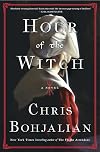
Thank goodness attitudes about gender have changed over time! Because once you read this novel, you’ll understand how whimsically dangerous it was to be a woman in 1600s Boston.
Mary Deerfield is the daughter of a prosperous merchant, full of curiosity and intelligence and aware of her own self-worth. Her parents arrange a financially secure marriage to an older, also prosperous, miller who is a widower with a grown daughter.
So, what options are open to that same young woman in the Puritan show more world of the 1660s when she realizes she is married to a pillar of society who is also a vicious abuser? A husband who believes his cruelty is simply the necessary manifestation of a husband’s proper role as disciplinarian. What redress is possible? Is divorce available? Will the courts provide justice? Can Mary get help perhaps from the church? Or will her parents or friends intervene?
Chris Bohjalian explores all these questions and more in this diffcult-to-read story of a society where women wield little power and men are quick to use religion, the law, and superstition to blame them for all that is misunderstood about the world. As a woman, I was extremely uncomfortable with Mary’s powerlessness and how easily individuals could make accusations against her —— with little or no proof— and still have those accusations believed.
HOUR OF THE WITCH is NOT historical fiction that paints a flattering portrait of our country’s Puritan settlers. But it IS a very compelling study of historical gender roles and the constancy of our darker human nature. show less
Mary Deerfield is the daughter of a prosperous merchant, full of curiosity and intelligence and aware of her own self-worth. Her parents arrange a financially secure marriage to an older, also prosperous, miller who is a widower with a grown daughter.
So, what options are open to that same young woman in the Puritan show more world of the 1660s when she realizes she is married to a pillar of society who is also a vicious abuser? A husband who believes his cruelty is simply the necessary manifestation of a husband’s proper role as disciplinarian. What redress is possible? Is divorce available? Will the courts provide justice? Can Mary get help perhaps from the church? Or will her parents or friends intervene?
Chris Bohjalian explores all these questions and more in this diffcult-to-read story of a society where women wield little power and men are quick to use religion, the law, and superstition to blame them for all that is misunderstood about the world. As a woman, I was extremely uncomfortable with Mary’s powerlessness and how easily individuals could make accusations against her —— with little or no proof— and still have those accusations believed.
HOUR OF THE WITCH is NOT historical fiction that paints a flattering portrait of our country’s Puritan settlers. But it IS a very compelling study of historical gender roles and the constancy of our darker human nature. show less
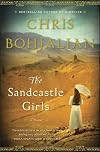
Elizabeth Endicott, fresh out of basic nursing training, arrives with her father in Aleppo, Syria, as part of a humanitarian effort to bring medical care and food supplies to besieged refugees. They were told that Armenian citizens are being deported to Syria from Turkey, but outside of the immediate region no one had any comprehension of the severity and shocking brutality of what was actually occurring. After meeting an Armenian man who has lost both his wife and daughter, Elizabeth show more becomes more invested in doing everything in her power to assist the Armenians and taking more of a personal stake in their fates.
In what I like to think of as welcome literary coincidence, within a day or two after I obliviously selected this novel to read, President Biden formally recognized the Armenian genocide for the first time since it occurred 1915-1917. I'm confident I would have enjoyed the story regardless, but knowing that definitely made it seem more poignant and relevant. It isn't far-fetched in hindsight to imagine the ways these annihilations likely inspired the Holocaust, and it's tragic that the rest of the world either didn't believe or didn't take seriously at that time what truly had happened. show less
In what I like to think of as welcome literary coincidence, within a day or two after I obliviously selected this novel to read, President Biden formally recognized the Armenian genocide for the first time since it occurred 1915-1917. I'm confident I would have enjoyed the story regardless, but knowing that definitely made it seem more poignant and relevant. It isn't far-fetched in hindsight to imagine the ways these annihilations likely inspired the Holocaust, and it's tragic that the rest of the world either didn't believe or didn't take seriously at that time what truly had happened. show less
Lists
Trans/Queer Lit (1)
Feminism (1)
Florida (1)
Witchy Fiction (1)
mom (1)
Movies/Shows (1)
Awards


You May Also Like


Associated Authors
Statistics
- Works
- 37
- Also by
- 4
- Members
- 28,857
- Popularity
- #695
- Rating
- 3.7
- Reviews
- 1,461
- ISBNs
- 350
- Languages
- 13
- Favorited
- 88


