
Lars Saabye Christensen
Author of The Half Brother
About the Author
Lars Saabye Christensen, one of Norway's most acclaimed novelists, is the prize-winning author of ten novels as well as short stories and poetry. His works have been published in the United States and throughout Europe, as well as Pakistan. He lives in Norway
Disambiguation Notice:
The correct form of the name is Lars Saabye Christensen.
Image credit: Source: Nordic Council and the Nordic Council of Ministers' website
Series
Works by Lars Saabye Christensen
Such is the Antarctic, 3 copies
Historien om Gly : dikt/prosa 3 copies
Haren og andre noveller 1 copy
Sats : noveller : juryens utvalgte noveller fra Dinamo forlags novellekonkurranse 2002 (2002) 1 copy
Byens bokstaver 1 copy
Long distance call 1 copy
Associated Works
Kingdom of Olives and Ash: Writers Confront the Occupation (2017) — Contributor — 165 copies, 5 reviews
Nye norske sengehester : norske forfattere skriver erotisk 1 (1990) — Author, some editions — 5 copies, 1 review
Tagged
Common Knowledge
- Canonical name
- Christensen, Lars Saabye
- Other names
- Christensen, L. S.
- Birthdate
- 1953-09-21
- Gender
- male
- Occupations
- author
- Organizations
- Norwegian Academy for Language and Literature
- Awards and honors
- Cappelenprisen (1984)
Sarpsborgprisen (1988)
Amandaprisen (1991)
Doblougprisen (1993)
Riksmålsforbundets litteraturpris (1997)
Sarpsborgprisen (1999) (show all 9)
Aamot-statuetten (2001)
Ordre des Arts et des Lettres (2008)
St. Olavs Orden (Kommandør, 2006) - Nationality
- Norway
Denmark - Birthplace
- Oslo, Norway
- Places of residence
- Sortland, Norway
Oslo, Norway - Disambiguation notice
- The correct form of the name is Lars Saabye Christensen.
- Associated Place (for map)
- Norway
Members
Reviews
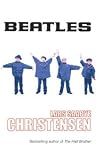
You don't have to be a Beatles fan to relate to this book, but it would probably help. I was - and still am - a Beatles fan, which was what initially drew me to this massive novel. I mean, how could I not be intrigued by a book titled simply BEATLES? The book was first published in Norway twenty-five years ago and has become something of a modern classic there, recently voted the most popular book in Norway. Its first English translation just appeared this year (2009), and the Herculean task show more of transforming over 500 pages into idiomatic British English was performed spot on letter perfect by Don Bartlett. He has taken this tale of young Kim Karlsen and his three friends Seb, Gunnar and Ola, and turned it into a tale for the ages that will, I suspect, be read for years by English-speaking readers around the world. The fact of the matter is, Christensen has written a timeless and enduring coming-of-age story about the turbulent times of the sixties that will resonate long after the last page has been read. All the ingredients are here: the booze and drinking, long hair and hippies, generational conflict, youthful revolt and civil unrest. And of course that timeless triumvirate: sex, drugs and rock and roll. And the Beatles and the other pop groups and artists of the British Invasion are uppermost themes throughout the book. The hero-narrator's own continuing quest to shed himself of the onerous burden of virginity is well-documented here too. Kim almost manages to score, with his beautiful upper-class sometime girlfriend, Cecilie, on the night of the American moon landing, and Christensen portrays this skillfully, interweaving the sweaty fumblings, Kim's frantic and fruitless search for his condoms and the radio coverage of the momentous space landing -
"And the Eagle was on its way to the Sea of Tranquility ... It was a strange time. Men on the moon. Cecilie here. I held her tight. My heart was in my throat and I couldn't swallow ... At twelve I went in search of more red wine. I couldn't find anything. Mum must have hidden the bottles well. I couldn't find the johnnies either. I was sure I had left them in my wallet, they had to be there, but the wallet was empty ... The voices on the radio were becoming excited ... 'I love you,' I whispered, not knowing whether I had said it before or whether I meant it ... The door of the Eagle was open and Armstrong was on his way down the ladder. We sat with our ears to the radio in a deep wet kiss ... Cecilie's tongue was licking the inside of my mouth ..."
But then, at the most inopportune moment, Kim's parents show up. Kim Karlsen's story is, in so many ways, every teenager's story. But it is made unique by its sixties setting (albeit in Oslo) and by the importance paid to popular music of the time, particularly that of the Beatles. Every chapter is headed with a particular Beatles song or album title, and they fit. Kim and his friends want to BE the Beatles. Indeed, they dream of forming their own band which they will call the SNAFUs. How appropriate, because when you are between the ages of 14 and 21, the normal state of things usually is "all fouled up". The civil unrest and the Vietnam war are much in evidence here. In fact the Americans and the US Army are cast as the imperialistic villains and invaders. Which is of course no surprise. There were similar protests right here in the U.S. I could go on and on about all the wonderful stuff in this book. Even after 534 pages I wished there were more. Apparently there were two sequels to this book, but, alas, they have not been translated into English. But if BEATLES catches on in England and the U.S., perhaps they will be. In short, this is one hell of a GOOD book. Don't miss it. (This book review is from the British edition of ARCADIA BOOKS, printed in Finland 2009) show less
"And the Eagle was on its way to the Sea of Tranquility ... It was a strange time. Men on the moon. Cecilie here. I held her tight. My heart was in my throat and I couldn't swallow ... At twelve I went in search of more red wine. I couldn't find anything. Mum must have hidden the bottles well. I couldn't find the johnnies either. I was sure I had left them in my wallet, they had to be there, but the wallet was empty ... The voices on the radio were becoming excited ... 'I love you,' I whispered, not knowing whether I had said it before or whether I meant it ... The door of the Eagle was open and Armstrong was on his way down the ladder. We sat with our ears to the radio in a deep wet kiss ... Cecilie's tongue was licking the inside of my mouth ..."
But then, at the most inopportune moment, Kim's parents show up. Kim Karlsen's story is, in so many ways, every teenager's story. But it is made unique by its sixties setting (albeit in Oslo) and by the importance paid to popular music of the time, particularly that of the Beatles. Every chapter is headed with a particular Beatles song or album title, and they fit. Kim and his friends want to BE the Beatles. Indeed, they dream of forming their own band which they will call the SNAFUs. How appropriate, because when you are between the ages of 14 and 21, the normal state of things usually is "all fouled up". The civil unrest and the Vietnam war are much in evidence here. In fact the Americans and the US Army are cast as the imperialistic villains and invaders. Which is of course no surprise. There were similar protests right here in the U.S. I could go on and on about all the wonderful stuff in this book. Even after 534 pages I wished there were more. Apparently there were two sequels to this book, but, alas, they have not been translated into English. But if BEATLES catches on in England and the U.S., perhaps they will be. In short, this is one hell of a GOOD book. Don't miss it. (This book review is from the British edition of ARCADIA BOOKS, printed in Finland 2009) show less
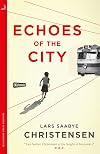
‘She just stands watching the two boys. They are still children, but the war, of which they remember barely anything and yet cannot forget, has cast a shadow over them that causes their childhood age to lose its meaning. They are already carrying the darkness of adulthood. They are children in camouflage.’
This book is the first in a trilogy (parts 2 and 3 have already been published in Norway) by acclaimed author Lars Saabye Christensen. Having previously read 3 of his works I was show more super-excited to get hold of this, and it certainly lives up to expectations. This is, in essence, a love letter to Oslo, its people – especially the women – and to a nation, emerging from the terrible consequences of occupation during the Second World War and a devastated economy. The novel opens in 1957 with the death of King Haakon, and then jumps back in time to 1947. The central figures of the novel are the Kristoffersen family: father Ewald, his wife Maj, and their children Jesper and Stine, who is born later in the novel. In truth, it is the area around Kirkeveien that is the main ‘character’, and the people who live and work there, from the butcher and his son, to the Kristoffersen’s upstairs neighbour, to the school teacher Lokke and the Italian immigrant Enzo. As their lives intertwine and stories develop, it is Jesper who is the one who binds them all together. He is a wonderfully created character; overly-sensitive to sounds but with a natural talent for music, he is often taken for being a bit slow, or sullen. As with much of Christensen’s novels it is a way of directing our view of events, seen through the eyes of a young(ish) child, usually a boy, which helps us to re-interpret how we, as adults, live our lives.
Interspersed with the narrative is an ongoing celebration of the work of the Red Cross in this post-war country. Minutes of meetings are given throughout, which in many ways quietly yet movingly pay tribute to the work of this extraordinary charity, but also gives a subtle insight into the lives of many people struggling to cope in these hard times. There are also, again in a quietly unforced way, genuinely funny moments as the ‘impartial’ notes give way to personal comments and opinions.
Nothing much happens, and that’s the joy of this novel. It is the small things that matter: the arrival of a telephone in the Kristoffersen’s apartment; piano lessons; selling stamps for the charity; a gentle love-affair between two widowed neighbours. There is joy and beauty in the smallest things, like a snowman in the backyard or the sound of church bells. There is a sense of the place, of the city, as there is in Joyce’s ‘Ulysses’, as we follow our characters down streets and hills and passed specific buildings. It is also profoundly moving, and I defy anyone to remain dry-eyed at certain moments.
Christensen is one of my favourite contemporary writers and, if this first book of the trilogy is anything to go by, this will stand as his defining work. For anyone who calls a city or a place ‘home’, you will recognise the people and the stories. The themes are universal, the stories deeply personal, and always it is written in such a lyrical prose that you can just lose yourself in the rhythm of the words:
‘Summer plunges this city even deeper between the mountain ridges while raising those people who remain after the others have gone, raising them into a majestic loneliness. Summer here isn’t a season. Summer is a moment in time.’
(And here, this is the moment to highlight the extraordinary translation by Dan Bartlett, always an excellent reader of tone and nuance in the original work.)
Glorious, epic in its attention to the small things in life, this book deserves to be read. I, for one, cannot wait for parts 2 and 3 to get an English translation. show less
This book is the first in a trilogy (parts 2 and 3 have already been published in Norway) by acclaimed author Lars Saabye Christensen. Having previously read 3 of his works I was show more super-excited to get hold of this, and it certainly lives up to expectations. This is, in essence, a love letter to Oslo, its people – especially the women – and to a nation, emerging from the terrible consequences of occupation during the Second World War and a devastated economy. The novel opens in 1957 with the death of King Haakon, and then jumps back in time to 1947. The central figures of the novel are the Kristoffersen family: father Ewald, his wife Maj, and their children Jesper and Stine, who is born later in the novel. In truth, it is the area around Kirkeveien that is the main ‘character’, and the people who live and work there, from the butcher and his son, to the Kristoffersen’s upstairs neighbour, to the school teacher Lokke and the Italian immigrant Enzo. As their lives intertwine and stories develop, it is Jesper who is the one who binds them all together. He is a wonderfully created character; overly-sensitive to sounds but with a natural talent for music, he is often taken for being a bit slow, or sullen. As with much of Christensen’s novels it is a way of directing our view of events, seen through the eyes of a young(ish) child, usually a boy, which helps us to re-interpret how we, as adults, live our lives.
Interspersed with the narrative is an ongoing celebration of the work of the Red Cross in this post-war country. Minutes of meetings are given throughout, which in many ways quietly yet movingly pay tribute to the work of this extraordinary charity, but also gives a subtle insight into the lives of many people struggling to cope in these hard times. There are also, again in a quietly unforced way, genuinely funny moments as the ‘impartial’ notes give way to personal comments and opinions.
Nothing much happens, and that’s the joy of this novel. It is the small things that matter: the arrival of a telephone in the Kristoffersen’s apartment; piano lessons; selling stamps for the charity; a gentle love-affair between two widowed neighbours. There is joy and beauty in the smallest things, like a snowman in the backyard or the sound of church bells. There is a sense of the place, of the city, as there is in Joyce’s ‘Ulysses’, as we follow our characters down streets and hills and passed specific buildings. It is also profoundly moving, and I defy anyone to remain dry-eyed at certain moments.
Christensen is one of my favourite contemporary writers and, if this first book of the trilogy is anything to go by, this will stand as his defining work. For anyone who calls a city or a place ‘home’, you will recognise the people and the stories. The themes are universal, the stories deeply personal, and always it is written in such a lyrical prose that you can just lose yourself in the rhythm of the words:
‘Summer plunges this city even deeper between the mountain ridges while raising those people who remain after the others have gone, raising them into a majestic loneliness. Summer here isn’t a season. Summer is a moment in time.’
(And here, this is the moment to highlight the extraordinary translation by Dan Bartlett, always an excellent reader of tone and nuance in the original work.)
Glorious, epic in its attention to the small things in life, this book deserves to be read. I, for one, cannot wait for parts 2 and 3 to get an English translation. show less

This novel was an amazing experience. A tragedy-struck family-and-friends saga spanning 1945 to today's mediasphere, told through the eyes and recovered memory (later alcoholically impaired) of a boy who stops growing (and can't grow up). It has the scope of a Gunter Grass novel, but with a backdrop of modernising Norway from the primitive far-Northern fishing villages of the early twentieth century through to today's mediasphere. At 764 pages it's a long haul, but I din't want to stop show more reading, not once. By turns harrowing, heart-warming and hilarious, it's like a mash-up of Grass, Marquez, and Laxness relocated to the setting of a beautifully rendered, but sometimes brutal, Oslo.It isn't about boxing as the cover might lead you to think; it's a novel about misfits in which no-one fits in, but by the end you love every one of its characters, even Bang the caretaker, the triple-jump champion! And the ending is genius, in a single line transforming everything you have read so you want to go back and read it through again - so DON'T sneak a look at the end before you've read all the way there. show less
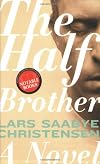
Once, when I was in fourth grade, our teacher was reading us Roald Dahl's Matilda. Everyone was getting absorbed in the story, and then she stopped, and said, in a very ominous voice, "There's something wrong here. Do you know what it is?" A delicious chill went down my spine. There was something mysteriously wrong in the story! What could it be? Dark family scandals? Characters with unsuspected yet fatal flaws kept absolutely secret for many years, until they explode in a terrible climax? show more Witches? Disfigurements? Secret portals to alternate universes? That sense of something really mysterious and intriguing, something I'd undoubtedly never encountered before, something so strange and convoluted that I couldn't even conceive of it, was intoxicating. The vague sense of mystery and unease was probably more thrilling than any answers could have been, but I still hoped the answers would be really good.
Disappointingly, it turned out that the only thing mysteriously "wrong" in Matilda is that the daughter is more principled than the parents, an obvious plot point that was actually no mystery at all. There are other works, though, that do still give me the spine-tickling "something is wrong here" feeling, and Christensen's family saga The Half Brother is one of them. So many of its cold, Scandinavian characters are wounded and secretive in some way, and the reader is never totally sure exactly what is "wrong" and how it came to be that way. What is lurking in the depths of Arnold Nilsen, the protagonist's father who starts out life as a disabled joker in a land of straight-faced fisherpeople, and ended up as a maimed, progressively shady con man? Is he better, or much worse, than he seems? Why exactly is the titular half-brother so angry, and where does he go on those long absences from home? What happens in the darkened house of the main character's friend Vivian, whose mother was disfigured in a car accident and never shows her face? Why does the kindest character, the one who seems balanced and sane, suddenly commit suicide? Can we trust the narrator and protagonist, Barnum, given that he tells us he is a liar and a drunk?
Throughout the novel, the reader catches glimpses, and we are unsure whether that could have been someone we know. Was it him? Could it have been her? Or was it just a stranger? Were two events unconnected, or was the connection between them all-important? Perhaps most hauntingly, one is never sure how much any individual character knows about any other character - and it is therefore nearly impossible to interpret anyone's behavior. Something is most definitely "wrong" with the Nilsen family, in the most intriguing and delicious sense, and the mystery lingers on after the book is over, since many of these threads are never truly tied up.
One of the prominent themes in the novel is silence - a silence its characters retreat to after traumatic and often inscrutable events. Finishing the novel, for me, was almost like entering a Nilsen-like silence myself, a place away from Barnum's narrating voice, where I would sit with all the contradictions and mysteries of the story, and either attempt to understand them, or just let them be. It was like skating on a sheet of Christensen's beautiful, crystallized language into my own conclusions. In my Half Brother trance, I almost slid toward Norway to dig meditatively at some of these mysteries with my own hands. Fortunately, or unfortunately, I stopped myself just in time. show less
Disappointingly, it turned out that the only thing mysteriously "wrong" in Matilda is that the daughter is more principled than the parents, an obvious plot point that was actually no mystery at all. There are other works, though, that do still give me the spine-tickling "something is wrong here" feeling, and Christensen's family saga The Half Brother is one of them. So many of its cold, Scandinavian characters are wounded and secretive in some way, and the reader is never totally sure exactly what is "wrong" and how it came to be that way. What is lurking in the depths of Arnold Nilsen, the protagonist's father who starts out life as a disabled joker in a land of straight-faced fisherpeople, and ended up as a maimed, progressively shady con man? Is he better, or much worse, than he seems? Why exactly is the titular half-brother so angry, and where does he go on those long absences from home? What happens in the darkened house of the main character's friend Vivian, whose mother was disfigured in a car accident and never shows her face? Why does the kindest character, the one who seems balanced and sane, suddenly commit suicide? Can we trust the narrator and protagonist, Barnum, given that he tells us he is a liar and a drunk?
Throughout the novel, the reader catches glimpses, and we are unsure whether that could have been someone we know. Was it him? Could it have been her? Or was it just a stranger? Were two events unconnected, or was the connection between them all-important? Perhaps most hauntingly, one is never sure how much any individual character knows about any other character - and it is therefore nearly impossible to interpret anyone's behavior. Something is most definitely "wrong" with the Nilsen family, in the most intriguing and delicious sense, and the mystery lingers on after the book is over, since many of these threads are never truly tied up.
One of the prominent themes in the novel is silence - a silence its characters retreat to after traumatic and often inscrutable events. Finishing the novel, for me, was almost like entering a Nilsen-like silence myself, a place away from Barnum's narrating voice, where I would sit with all the contradictions and mysteries of the story, and either attempt to understand them, or just let them be. It was like skating on a sheet of Christensen's beautiful, crystallized language into my own conclusions. In my Half Brother trance, I almost slid toward Norway to dig meditatively at some of these mysteries with my own hands. Fortunately, or unfortunately, I stopped myself just in time. show less
Lists
Awards


You May Also Like


Associated Authors
Statistics
- Works
- 108
- Also by
- 5
- Members
- 3,413
- Popularity
- #7,468
- Rating
- 3.7
- Reviews
- 77
- ISBNs
- 432
- Languages
- 23
- Favorited
- 11