
Stephen T. Davis
Author of Encountering Evil: Live Options in Theodicy
About the Author
Stephen T. Davis is the Russell K. Pitzer Professor of Philosophy at Claremont McKenna College. He specializes in the philosophy of religion and Christian thought and is the author of fifteen books, including Encountering Evil, Christian Philosophical Theology, and Disputed Issues.
Works by Stephen T. Davis
The Resurrection: An Interdisciplinary Symposium on the Resurrection of Jesus (1997) 80 copies, 1 review
The Incarnation: An Interdisciplinary Symposium on the Incarnation of the Son of God (2002) — Editor — 60 copies
The Redemption: An Interdisciplinary Symposium on Christ as Redeemer (2004) — Editor; Contributor — 41 copies
Associated Works
Philosophers Who Believe: The Spiritual Journeys of 11 Leading Thinkers (1993) — Contributor — 274 copies
Jesus' Resurrection: Fact or Figment? A Debate Between William Lane Craig and Gerd Lüdemann (2000) — Contributor — 198 copies, 3 reviews
Oxford Readings in Philosophical Theology: Volume 1: Trinity, Incarnation, and Atonement (2009) — Contributor — 34 copies
Memories of Jesus: A Critical Appraisal of James D. G. Dunn's Jesus Remembered (2010) — Contributor — 21 copies
Mormonism at the Crossroads of Philosophy and Theology: Essays in Honor of David L. Paulsen (2012) — Contributor — 5 copies
Element: The Journal of the Society for Mormon Philosophy and Theology - Vol. 2, No. 1 (Spring 2006) (2006) — Contributor — 1 copy
Element: The Journal of the Society for Mormon Philosophy and Theology - Vol. 3, No. 1-2 (Spring/Fall 2007) (2007) — Contributor — 1 copy
Tagged
Common Knowledge
- Legal name
- Davis, Stephen Thane
- Birthdate
- 1940
- Gender
- male
- Occupations
- philosopher
Russell K. Pitzer Professor of Philosophy - Organizations
- Claremont McKenna College
Members
Reviews
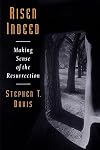
In a field crowded by apologists, historians, and New Testament scholars, Stephen T. Davis may seem a bit out of place writing about the historicity of the resurrection of Jesus. He is, afterall, a professor of philosophy. As it turns out, his background in philosophy makes for a very gratifying book about the resurrection of Jesus (and the general resurrection of Christians).
Davis covers a lot of ground. In Davis' own words, the book is "a somewhat eccentric mixture of philosophy, Christian show more theology, New Testament scholarship, and perhaps even preaching." He covers a lot of ground, but largely maintains its cohesiveness. Though the structure is abrupt at one place, Risen Indeed effectively brings together the philosophy, theology, and apologetics related to the resurrection of Jesus.
In his first Chapter, Davis effectively engages the arguments of David Hume and Anthony Flew, which object on philosophical grounds to the possibility of evidencing miracles. To his credit, Davis takes them more seriously than do most apologetics for the resurrection. Additionally, Risen Indeed clearly makes important distinctions, such as the difference between "soft apologetics" and "hard apologetics", and the difference between a "soft miracle" and a "hard miracle." Davis concludes the chapter by noting that belief and denial of the resurrection of Jesus can be rational -- depending on the philosophical predisposition of the reader towards the possibility of a miracle. This sifting through the issues is very helpful in setting up the rest of Davis' "soft apologetic" for the resurrection.
Chapters Two and Three also plow the ground for further discussion. In a common-sense manner, Davis reduces the argument that we cannot examine the historicity of the resurrection because it is an event "outside of history" or "beyond historical inquiry." Such arguments in my opinion are simply dodges by historians afraid of upsetting the religious or the religious afraid of being proved wrong by the historians. As Davis shows, the resurrection -- if it happened -- is a historical event that happened within time and space. As a proposition, it is possible to investigate it in a historical manner.
Davis moves into the actual apologetic for Jesus' resurrection in Chapter Four--Resurrection and the Empty Tomb. He begins by responding to common objections against its historicity and concludes by arguing for the reliability of the New Testament accounts and noting the difficulty the early Jerusalem Church would have had in proclaiming his resurrection had the tomb not been empty. Both arguments are well made, but relatively brief. For fuller defenses of the empty tomb the reader should take note of Davis' references.
The book then shifts gears. Rather than proceed directly to the resurrection appearances or further evidence of Jesus' resurrection, Davis discusses basic Christian theology about the implications of Jesus' resurrection to the coming resurrection of Christians -- which, he argues, will be a similar, bodily resurrection. The theology is sound, but makes a somewhat abrupt appearance. Such considerations proceed for three chapters before we return to the direct apologetic for Jesus' resurrection. Though a little out of place in sequence, these chapters are valuable discussions of resurrection theology. Probably more interesting, however, to Christians than others.
Chapter Nine discusses the role of the resurrection in apologetics. It reiterates some points earlier made, and delves into the question of Jesus' resurrection appearances and possible alternative explanations of the resurrection. Davis' discussion is well done and effectively engages contrary views. But again, this is not a work of New Testament criticism and consultation with more detailed sources will be helpful (such as N.T. Wright's The Resurrection of the Son of God).
Overall, this is an excellent book. I would recommend it for anyone who is interested in understanding the nature of the reported resurrection of Jesus, the expected general resurrection of Christians, and the apologetics related to those events. It better sets the philosophical stage for such explorations than any book I have read. show less
Davis covers a lot of ground. In Davis' own words, the book is "a somewhat eccentric mixture of philosophy, Christian show more theology, New Testament scholarship, and perhaps even preaching." He covers a lot of ground, but largely maintains its cohesiveness. Though the structure is abrupt at one place, Risen Indeed effectively brings together the philosophy, theology, and apologetics related to the resurrection of Jesus.
In his first Chapter, Davis effectively engages the arguments of David Hume and Anthony Flew, which object on philosophical grounds to the possibility of evidencing miracles. To his credit, Davis takes them more seriously than do most apologetics for the resurrection. Additionally, Risen Indeed clearly makes important distinctions, such as the difference between "soft apologetics" and "hard apologetics", and the difference between a "soft miracle" and a "hard miracle." Davis concludes the chapter by noting that belief and denial of the resurrection of Jesus can be rational -- depending on the philosophical predisposition of the reader towards the possibility of a miracle. This sifting through the issues is very helpful in setting up the rest of Davis' "soft apologetic" for the resurrection.
Chapters Two and Three also plow the ground for further discussion. In a common-sense manner, Davis reduces the argument that we cannot examine the historicity of the resurrection because it is an event "outside of history" or "beyond historical inquiry." Such arguments in my opinion are simply dodges by historians afraid of upsetting the religious or the religious afraid of being proved wrong by the historians. As Davis shows, the resurrection -- if it happened -- is a historical event that happened within time and space. As a proposition, it is possible to investigate it in a historical manner.
Davis moves into the actual apologetic for Jesus' resurrection in Chapter Four--Resurrection and the Empty Tomb. He begins by responding to common objections against its historicity and concludes by arguing for the reliability of the New Testament accounts and noting the difficulty the early Jerusalem Church would have had in proclaiming his resurrection had the tomb not been empty. Both arguments are well made, but relatively brief. For fuller defenses of the empty tomb the reader should take note of Davis' references.
The book then shifts gears. Rather than proceed directly to the resurrection appearances or further evidence of Jesus' resurrection, Davis discusses basic Christian theology about the implications of Jesus' resurrection to the coming resurrection of Christians -- which, he argues, will be a similar, bodily resurrection. The theology is sound, but makes a somewhat abrupt appearance. Such considerations proceed for three chapters before we return to the direct apologetic for Jesus' resurrection. Though a little out of place in sequence, these chapters are valuable discussions of resurrection theology. Probably more interesting, however, to Christians than others.
Chapter Nine discusses the role of the resurrection in apologetics. It reiterates some points earlier made, and delves into the question of Jesus' resurrection appearances and possible alternative explanations of the resurrection. Davis' discussion is well done and effectively engages contrary views. But again, this is not a work of New Testament criticism and consultation with more detailed sources will be helpful (such as N.T. Wright's The Resurrection of the Son of God).
Overall, this is an excellent book. I would recommend it for anyone who is interested in understanding the nature of the reported resurrection of Jesus, the expected general resurrection of Christians, and the apologetics related to those events. It better sets the philosophical stage for such explorations than any book I have read. show less
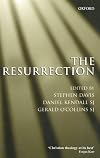
A collection of essays contributed by participants in a “Resurrection Summit” that was held in New York, Easter 1996. The contributors are top scholars with reputations for their work on the topic of resurrection. Many of the essays include thoughtful responses from other scholars. These responses are sometimes critical and sometimes complimentary. I enjoyed reading thoughtful evaluations of the thoughtful arguments that I had just finished reading.
Space precludes a review of every show more chapter, but I will discuss some of the ones I found most interesting. In Chapter 2, O’Collins helpfully provides an overview of the scholarly debate on various issues related to the resurrection, such as what the early Christians meant by the proclamation of the resurrection, the nature of the resurrection appearances, the empty tomb, and the nature of “Easter faith.” O’Collins does a good job of summarizing the positions of various scholars and, often, providing quick responses to their claims. He is particularly effective in reducing the arguments by some scholars that the early Christians meant by their resurrection proclamation about Jesus something other than that Jesus had been raised from the dead (such as they were simply saying they believed in the continuing sense of empowerment Jesus brought them). He also discusses reaction to his theory that the resurrection appearances, though very real, were a “graced seeing” that would not have been visible to those that were not granted eyes to see; as well as reducing the theory that the resurrection appearances were in fact something akin to near-death experiences. Thereafter, O’Collins spends some time refuting Yarbro Collins’ argument that the empty tomb narrative in the Gospel of Mark is not meant to be literal but is only a vivid way of describing the early Christian proclamation of resurrection. The rest of the chapter moves along just as briskly and is worth the effort. O’Collins educates his readers as to a diversity of theories, some far-fetched, while also providing persuasive critiques.
Stephen Davis in Chapter 6 explores three different explanations for the resurrection appearances. First, that they were seen by “normal vision,” by which he means that what they saw was really there disturbing and reflecting photons of life. Second, that they were the result of “subjective vision,” by which he means that what they saw was not really there and was merely the product of their own minds. Third, and perhaps the one least familiar to readers, is that they were result of “objective vision,” by which mean means that what they saw was really there but visible only to those to whom God had granted eyes to see. This is the position of O’Collins referenced above. In my opinion, Davis persuasively argues that what is described in the New Testament was seen by “normal vision” and then considers the implications of that conclusion.
Finally, in Chapter 7, William Alston explores the question, “What can we learn from the Gospels about what really happened on and just after the first easter?” Alston takes direct aim at and makes persuasive points against a book I have reviewed, The Formation of the Resurrection Narratives. Philosopher Richard Swinburne makes his case for the resurrection in Chapter 8 and William L. Craig takes on John D. Crossan’s views of the resurrection in Chapter 10.
This book would be a valuable addition to anyone’s library on the resurrection. But it is especially helpful if you are just getting your feet wet, as it gives you access to the theories and arguments of many leaders in the field. show less
Space precludes a review of every show more chapter, but I will discuss some of the ones I found most interesting. In Chapter 2, O’Collins helpfully provides an overview of the scholarly debate on various issues related to the resurrection, such as what the early Christians meant by the proclamation of the resurrection, the nature of the resurrection appearances, the empty tomb, and the nature of “Easter faith.” O’Collins does a good job of summarizing the positions of various scholars and, often, providing quick responses to their claims. He is particularly effective in reducing the arguments by some scholars that the early Christians meant by their resurrection proclamation about Jesus something other than that Jesus had been raised from the dead (such as they were simply saying they believed in the continuing sense of empowerment Jesus brought them). He also discusses reaction to his theory that the resurrection appearances, though very real, were a “graced seeing” that would not have been visible to those that were not granted eyes to see; as well as reducing the theory that the resurrection appearances were in fact something akin to near-death experiences. Thereafter, O’Collins spends some time refuting Yarbro Collins’ argument that the empty tomb narrative in the Gospel of Mark is not meant to be literal but is only a vivid way of describing the early Christian proclamation of resurrection. The rest of the chapter moves along just as briskly and is worth the effort. O’Collins educates his readers as to a diversity of theories, some far-fetched, while also providing persuasive critiques.
Stephen Davis in Chapter 6 explores three different explanations for the resurrection appearances. First, that they were seen by “normal vision,” by which he means that what they saw was really there disturbing and reflecting photons of life. Second, that they were the result of “subjective vision,” by which he means that what they saw was not really there and was merely the product of their own minds. Third, and perhaps the one least familiar to readers, is that they were result of “objective vision,” by which mean means that what they saw was really there but visible only to those to whom God had granted eyes to see. This is the position of O’Collins referenced above. In my opinion, Davis persuasively argues that what is described in the New Testament was seen by “normal vision” and then considers the implications of that conclusion.
Finally, in Chapter 7, William Alston explores the question, “What can we learn from the Gospels about what really happened on and just after the first easter?” Alston takes direct aim at and makes persuasive points against a book I have reviewed, The Formation of the Resurrection Narratives. Philosopher Richard Swinburne makes his case for the resurrection in Chapter 8 and William L. Craig takes on John D. Crossan’s views of the resurrection in Chapter 10.
This book would be a valuable addition to anyone’s library on the resurrection. But it is especially helpful if you are just getting your feet wet, as it gives you access to the theories and arguments of many leaders in the field. show less
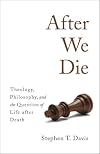
The Christian philosopher Stephen Davis has written several important works about Jesus' resurrection and the resurrection of the dead, and this short book provides an accessible, interesting overview of the philosophical and theological issues related to the afterlife.
A (mostly) philosophical defense of the resurrection of Jesus Christ.
You May Also Like


Associated Authors
Statistics
- Works
- 18
- Also by
- 14
- Members
- 898
- Popularity
- #28,531
- Rating
- 3.7
- Reviews
- 8
- ISBNs
- 59