
Ruth Stout (1884–1980)
Author of The Ruth Stout No-Work Garden Book: Secrets of the Famous Year-Round Mulch Method
About the Author
Image credit: Ruth Stout/Mother Earth News
Works by Ruth Stout
The Ruth Stout No-Work Garden Book: Secrets of the Famous Year-Round Mulch Method (1971) 283 copies, 8 reviews
How to Have a Green Thumb Without an Aching Back: A New Method of Mulch Gardening (1955) 155 copies, 2 reviews
Tagged
Common Knowledge
- Canonical name
- Stout, Ruth
- Legal name
- Stout, Ruth
- Birthdate
- 1884-06-14
- Date of death
- 1980-08-22
- Gender
- female
- Occupations
- gardener
author
lecturer
tea shop owner - Relationships
- Stout, Rex (brother)
- Nationality
- USA
- Birthplace
- Topeka, Kansas, USA
- Places of residence
- Girard, Kansas, USA
New York, New York, USA
Redding, Connecticut, USA - Place of death
- Redding, Connecticut, USA
- Associated Place (for map)
- USA
Members
Reviews
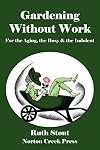
One of my most favorite gardening books of all time. I love how she writes. It's not just a reference book to go by, but it is also a piece about her life and experiences. I have this book all marked up, underlined and highlighted. The first thing I started doing was throwing my compost right into the garden beds instead of into a big compost pile and gathering cut grass to lay on top of my beds. I will be incorporating more of her ideas into my gardening journey.

Written by a feisty, opinionated, delightful lady with a few decades of gardening under her belt. Down to earth and full of common sense and practical wisdom. Makes gardening sound possible, matter of fact about the failures. Makes a nice companion read for the beginning gardener as well as for the sort of gardener who makes extravagant plans on paper and then is easily dissuaded from even trying when those elaborate plans don't work out perfectly, but we don't know anybody like that, do show more we?*
Ruth Stout's book is also a good read for the experienced, traditional, organic gardener who is getting older and can't handle the physical work of digging, weeding, rotating crops, digging some more, turning over compost piles, digging some more, weeding again, and so forth. I'm not that experienced, but I think I can say without fear of contradiction that I do fit another category of gardener Mrs. Stout says she has in mind- the indolent gardener.
I'm not sure how well her method would work in the northwest, where snails and slugs are an enormous problem (three to five inch slugs are commonplace). But it worked well for her in the northeast over many decades. She was in her seventies or eighties when this book was published.
Basically, every fall Mrs. Stout would lay down at least eight inches of rotting hay over her entire garden. Instead of composting, she just puts her food waste right on the garden surface as well. She says turning a compost pile is too much work for an elderly woman. I thought this would pull nitrogen from the soil, but she asked a garden specialist and he told her that since the food waste (no meat, grease, or dairy, of course) was on the surface, this wouldn't happen. It was only if it were buried in the soil that it would pull nitrogen out of the soil for the decomposing process.
She just rakes back the mulch in the spring (if necessary) to plant her seeds, and then pulls the mulch back over the plants and adds more if needed when they get bigger. Or she leaves the mulch, digs a hole through it and sets in started plants. show less
Ruth Stout's book is also a good read for the experienced, traditional, organic gardener who is getting older and can't handle the physical work of digging, weeding, rotating crops, digging some more, turning over compost piles, digging some more, weeding again, and so forth. I'm not that experienced, but I think I can say without fear of contradiction that I do fit another category of gardener Mrs. Stout says she has in mind- the indolent gardener.
I'm not sure how well her method would work in the northwest, where snails and slugs are an enormous problem (three to five inch slugs are commonplace). But it worked well for her in the northeast over many decades. She was in her seventies or eighties when this book was published.
Basically, every fall Mrs. Stout would lay down at least eight inches of rotting hay over her entire garden. Instead of composting, she just puts her food waste right on the garden surface as well. She says turning a compost pile is too much work for an elderly woman. I thought this would pull nitrogen from the soil, but she asked a garden specialist and he told her that since the food waste (no meat, grease, or dairy, of course) was on the surface, this wouldn't happen. It was only if it were buried in the soil that it would pull nitrogen out of the soil for the decomposing process.
She just rakes back the mulch in the spring (if necessary) to plant her seeds, and then pulls the mulch back over the plants and adds more if needed when they get bigger. Or she leaves the mulch, digs a hole through it and sets in started plants. show less
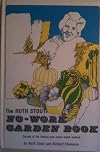
A classic read as spring weather approaches and thoughts turn to gardening. This mulch-method of gardening sounds too good to be true. But I'll try it with the caveat from my friends who have tried it to expect to have to deal with slugs. Seems that one cure often begats another disease.
A must read for any organic gardener. Her methods make sense and she has plenty of ideas and tips that even the smallest garden can use.
Awards

You May Also Like


Associated Authors
Statistics
- Works
- 8
- Members
- 621
- Popularity
- #40,535
- Rating
- 4.2
- Reviews
- 14
- ISBNs
- 35
- Languages
- 4
- Favorited
- 2