
Michitsuna no Haha
Author of The Gossamer Years: The Diary of a Noblewoman of Heian Japan
About the Author
Works by Michitsuna no Haha
Associated Works
Tagged
Common Knowledge
- Other names
- Mother of Michitsuna
- Birthdate
- 935
- Gender
- female
- Nationality
- Japan
- Associated Place (for map)
- Japan
Members
Reviews
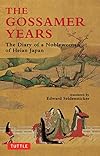
The narrator of this diary makes a wish on New Year’s morning, early in the second book – referring to her husband, “That he may be with me thirty days and thirty nights a month”. Unfortunately, she is a second wife in Heian-era Japan and her husband is not the faithful sort. The bulk of the diary describes her unhappy relationship with her husband, a well-connected and highly placed prince of the powerful Fujiwara family. Her jealousy and painful situation makes for an intense, if show more occasionally claustrophobic read. It provides an interesting contrast to other Heian-era diaries such as The Pillow Book and The Diary of Lady Murasaki (and of course her magnificent novel, The Tale of Genji, about a well-connected and highly placed prince, who has one real love but many, many women and affairs).
As with other Heian chroniclers, not much is known about the author of The Gossamer Years, not even her name. Often, women are referred to by their position or the position of a male relative. The narrator here is called the mother of Michitsuna. I read some comments on Heian diaries noting the dissonance of reading about the intimate details of these women’s lives while knowing very little about them, not even a name. This was definitely what I felt about the narrator of the Gossamer Years – we get a lot about her daily life and her unhappiness, but what is known about her is mostly her relations to various men. Oddly enough, she was related by blood or marriage to Sei Shonagon, Murasaki Shikibu and Sarashina (author of As I Crossed the Bridge of Dreams). The author was born to the provincial governor class and made what would be considered an excellent marriage to Kaneie Fujiwara.
The narrator describes her correspondence with her husband (the Prince, as he is referred to) with only a subtle allusion to their marriage. She mostly describes how resistant to his advances she was. The notes suggest that this part of the diary was written from memory, and it’s easy to see how the narrator’s bitterness at the marriage would have colored her writing about the initial courtship. At first, her husband visits her frequently (especially given that she was not his only wife and he did have a highly-placed position) but she resents every day or two that he is absent. The main crisis in the first section is her husband taking up with the “woman in the alley”, a woman from a lower class. The narrator’s rage, jealousy, and resentment take up a good portion of her diary. She had a son, but he was not enough. Unlike the other Heian-era diaries I read, she was not serving an Empress and found the time heavy on her hands. The descriptions of clothes, ceremonies and festivals are minimal compared with some other books from the same time. Although the narrator, like other highly ranked women, had serving women and a retinue, she was only happy in the company of her husband, her father or other family members (there are a few friends as well). The constant exchange of poems between the author and her husband will be familiar to anyone who has read Genji or The Pillow Book, but there are some differences – there are a couple very long poems with a detailed examination of the narrator’s or her husband’s feelings. Another dramatic event in the first book is the death of the narrator’s mother and her grief.
In the second book, things go well for the author initially – the Prince is consistent in his visits. When they start to slack, the author and her husband exchange angry or passive-aggressive poems. There’s a vicious cycle to the narrator’s behavior that provokes more unhappiness – she drives off her husband with her anger (sometimes not receiving him, or being irritable when he comes around), he stops visiting, she is unhappy, things continue in that fashion. She’s stuck between two bad options – show her anger, or hide it and pretend to be content when she is not. The author’s ideal relationship seems to be the modern ideal (that is today enforced as the Only Way) – a monogamous marriage where the couple spend all their time together. Her jealousy, and how it drives them further apart while making neither happy, is also understandable. The narrator describes how her son matures and starts to take part in public life. One of the few things, it seems, that she could do also makes various visits and pilgrimages to several shrines and temples. During an especially cold period with the Prince, the author thinks of becoming a nun and goes on a retreat to a temple for an extended period of time, leading to rumors that she has left her husband. The Prince comes to try to get her to return, sends many others, and even her family members try to persuade her to return. This seems to be another instance of the author being stuck with no good choices – she feels some relief with her retreat, but the world keeps trying to pull her back. At the end, she returns with her husband.
In the third part, the relationship grows colder and even the author seems resigned, although there are still multiple instances of her getting promises from the Prince that he will visit her, followed by her disappointment. The author continues to think about death or becoming a nun, but she does try to focus on other things – further trips to shrines, descriptions of her son’s flirtation, his continued rise, and her adopting a girl who was her husband’s daughter by another woman. A good portion of the final section describes the narrator’s attempts to manage a persistent suitor of her adopted daughter. In another irony, although her husband has pretty much abandoned her at this point, he is jealous as he thinks the man is making advances to the author. The diary breaks off in the middle.
The introduction is the original one from the 60’s and sometimes it feels a little paternalistic – the translator talking about hysteria and such. Still, there is a lot of good background there. Sometimes I felt the translator took liberties (for example, referring to as the author’s sister when the actual translation would be something like “someone close to her”). Although this is a fairly unhappy diary, I would recommend it to anyone interested in the Heian period. show less
As with other Heian chroniclers, not much is known about the author of The Gossamer Years, not even her name. Often, women are referred to by their position or the position of a male relative. The narrator here is called the mother of Michitsuna. I read some comments on Heian diaries noting the dissonance of reading about the intimate details of these women’s lives while knowing very little about them, not even a name. This was definitely what I felt about the narrator of the Gossamer Years – we get a lot about her daily life and her unhappiness, but what is known about her is mostly her relations to various men. Oddly enough, she was related by blood or marriage to Sei Shonagon, Murasaki Shikibu and Sarashina (author of As I Crossed the Bridge of Dreams). The author was born to the provincial governor class and made what would be considered an excellent marriage to Kaneie Fujiwara.
The narrator describes her correspondence with her husband (the Prince, as he is referred to) with only a subtle allusion to their marriage. She mostly describes how resistant to his advances she was. The notes suggest that this part of the diary was written from memory, and it’s easy to see how the narrator’s bitterness at the marriage would have colored her writing about the initial courtship. At first, her husband visits her frequently (especially given that she was not his only wife and he did have a highly-placed position) but she resents every day or two that he is absent. The main crisis in the first section is her husband taking up with the “woman in the alley”, a woman from a lower class. The narrator’s rage, jealousy, and resentment take up a good portion of her diary. She had a son, but he was not enough. Unlike the other Heian-era diaries I read, she was not serving an Empress and found the time heavy on her hands. The descriptions of clothes, ceremonies and festivals are minimal compared with some other books from the same time. Although the narrator, like other highly ranked women, had serving women and a retinue, she was only happy in the company of her husband, her father or other family members (there are a few friends as well). The constant exchange of poems between the author and her husband will be familiar to anyone who has read Genji or The Pillow Book, but there are some differences – there are a couple very long poems with a detailed examination of the narrator’s or her husband’s feelings. Another dramatic event in the first book is the death of the narrator’s mother and her grief.
In the second book, things go well for the author initially – the Prince is consistent in his visits. When they start to slack, the author and her husband exchange angry or passive-aggressive poems. There’s a vicious cycle to the narrator’s behavior that provokes more unhappiness – she drives off her husband with her anger (sometimes not receiving him, or being irritable when he comes around), he stops visiting, she is unhappy, things continue in that fashion. She’s stuck between two bad options – show her anger, or hide it and pretend to be content when she is not. The author’s ideal relationship seems to be the modern ideal (that is today enforced as the Only Way) – a monogamous marriage where the couple spend all their time together. Her jealousy, and how it drives them further apart while making neither happy, is also understandable. The narrator describes how her son matures and starts to take part in public life. One of the few things, it seems, that she could do also makes various visits and pilgrimages to several shrines and temples. During an especially cold period with the Prince, the author thinks of becoming a nun and goes on a retreat to a temple for an extended period of time, leading to rumors that she has left her husband. The Prince comes to try to get her to return, sends many others, and even her family members try to persuade her to return. This seems to be another instance of the author being stuck with no good choices – she feels some relief with her retreat, but the world keeps trying to pull her back. At the end, she returns with her husband.
In the third part, the relationship grows colder and even the author seems resigned, although there are still multiple instances of her getting promises from the Prince that he will visit her, followed by her disappointment. The author continues to think about death or becoming a nun, but she does try to focus on other things – further trips to shrines, descriptions of her son’s flirtation, his continued rise, and her adopting a girl who was her husband’s daughter by another woman. A good portion of the final section describes the narrator’s attempts to manage a persistent suitor of her adopted daughter. In another irony, although her husband has pretty much abandoned her at this point, he is jealous as he thinks the man is making advances to the author. The diary breaks off in the middle.
The introduction is the original one from the 60’s and sometimes it feels a little paternalistic – the translator talking about hysteria and such. Still, there is a lot of good background there. Sometimes I felt the translator took liberties (for example, referring to as the author’s sister when the actual translation would be something like “someone close to her”). Although this is a fairly unhappy diary, I would recommend it to anyone interested in the Heian period. show less
This review will consist of two parts, a response to the actual material and the work of the translator. Especially with old text such as this, I felt it was important to address how the author treated something that is both old and fragmentary at times.
The Actual Diary
I would highly recommend anyone looking to read this book to put aside their 21st century expectations of writing, as this book is not full of juicy gossip or intrigue. Instead, it is a calm yet melancholic memoir of a woman show more trapped by her era's institutions. As with any translated work, I also cannot overemphasize reading the introduction since the translator, Edward Seidensticker, does a great job of introducing the reader to the Heian court atmosphere.
The Translation
Final Thoughts
In terms of my rating, the high marks were mostly garnered from Seidensticker. I felt he did a marvelous job both translating the diary into English and being completely transparent with the reader when he himself encountered translation obstacles like mutilated text. show less
The Actual Diary
I would highly recommend anyone looking to read this book to put aside their 21st century expectations of writing, as this book is not full of juicy gossip or intrigue. Instead, it is a calm yet melancholic memoir of a woman show more trapped by her era's institutions. As with any translated work, I also cannot overemphasize reading the introduction since the translator, Edward Seidensticker, does a great job of introducing the reader to the Heian court atmosphere.
The Translation
Final Thoughts
In terms of my rating, the high marks were mostly garnered from Seidensticker. I felt he did a marvelous job both translating the diary into English and being completely transparent with the reader when he himself encountered translation obstacles like mutilated text. show less
The Kagero Diary: A Woman's Autobiographical Text from Tenth-Century Japan (Michigan Monograph Series in Japanese Studie by Michitsuna no Haha
One of the most powerful and appalling accounts of jealousy ever written. The author was actually only one of
the concubines of a Fujiwara official, not his titular wife, but she was intensely possessive and made herself and her husband miserable with it. This is a valuable corrective to some writers who suggest that all Heian aristocrats were cheerfully promiscuous. Her husband may have been promiscuous, but the author certainly wasn't cheerful about it.
the concubines of a Fujiwara official, not his titular wife, but she was intensely possessive and made herself and her husband miserable with it. This is a valuable corrective to some writers who suggest that all Heian aristocrats were cheerfully promiscuous. Her husband may have been promiscuous, but the author certainly wasn't cheerful about it.
The Gossamer Years is divided into three sections, two of which are really more memoir than diary as they were written well after the events recorded. As I was reading the book, I could not help but think that this account is the flip side of The Tale of Genji. Here we have a noblewoman who, according to translator Seidensticker's research, was a notable beauty of her time and ardently wooed by the Prince. Although her marriage to the Prince would have been considered a fortuitous alliance show more and he looked after her welfare, she was made miserable by his philandering.
Throughout the first two books the writer is consumed by jealousy -- or at least her jealousy and the Prince's slights are all that make it into this account of her life. She does recount how she turns to pilgrimage and Buddhist prayer, but neither seems to give her much solace or comfort -- nor does her son or other companions.
In the diary of the third section, however, her ardor seems to have cooled considerably, and she becomes interested in her son's courtships and actually adopts one of the Prince's daughters from a discarded lover. I found this book interesting as a counterpoint to other Heian diaries I have read and especially to The Tale of Genji, but I did find commiserating with the author a bit tedious. show less
Throughout the first two books the writer is consumed by jealousy -- or at least her jealousy and the Prince's slights are all that make it into this account of her life. She does recount how she turns to pilgrimage and Buddhist prayer, but neither seems to give her much solace or comfort -- nor does her son or other companions.
In the diary of the third section, however, her ardor seems to have cooled considerably, and she becomes interested in her son's courtships and actually adopts one of the Prince's daughters from a discarded lover. I found this book interesting as a counterpoint to other Heian diaries I have read and especially to The Tale of Genji, but I did find commiserating with the author a bit tedious. show less
Lists
Awards

You May Also Like


Associated Authors
Statistics
- Works
- 1
- Also by
- 2
- Members
- 361
- Popularity
- #66,479
- Rating
- 3.8
- Reviews
- 9
- ISBNs
- 11
- Languages
- 3