
Donald Keene (1922–2019)
Author of Anthology of Japanese Literature: From the Earliest Era to the Mid-Nineteenth Century
About the Author
Donald Keene was born in Brooklyn, New York on June 18, 1922. He was a child prodigy and entered Columbia University on scholarship in 1938 at the age of 16. He received a bachelor's degree in 1942, a master's degree in 1947, and a doctoral degree in 1951 from Columbia. Shortly after Pearl Harbor, show more he enlisted in the Navy and volunteered to study Japanese. His first experience as a translator came in Hawaii, where he worked on routine military reports captured from Japanese units in the Pacific theater. He then became a wartime interrogator after the battle in Okinawa on April 1, 1945. After he was discharged, he taught at Columbia University for 56 years. Over his career, he translated many of the most important works of Japanese literature into English. He also wrote numerous books in both English and Japanese including Dawn to the West and Travelers of the Ages. In 1985, he became the first non-Japanese to receive the Yomiuri Prize for Literature for literary criticism. He became a Japanese citizen in 2012. He died on February 24, 2019 at the age of 96. (Bowker Author Biography) show less
Image credit: Aurelio Asiain @ http://www.flickr.com/photos/ionushi/323766792/
Series
Works by Donald Keene
Anthology of Japanese Literature: From the Earliest Era to the Mid-Nineteenth Century (1960) — Editor — 806 copies
Anthology of Chinese Literature: Volume I: From Early Times to the Fourteenth Century (1965) — Editor — 309 copies, 1 review
Sources of Japanese Tradition, Vol. 1: From Earliest Times to 1600 (1958) — Editor — 285 copies, 3 reviews
Seeds in the Heart: Japanese Literature from Earliest Times to the Late Sixteenth Century (1993) 98 copies
Modern Japanese Diaries: The Japanese at Home and Abroad As Revealed Through Their Diaries (1995) 78 copies
So Lovely a Country Will Never Perish: Wartime Diaries of Japanese Writers (2010) 49 copies, 1 review
The Manyoshu: The Nippon Gakujutsu Shinkokai Translation of One Thousand Poems (1965) 4 copies, 2 reviews
Travels in Japan 3 copies
Edo Japan encounters the world : conversations between Donald Keene and Shiba Ryotaro (2018) 3 copies
Confessions of a Japanologist 2 copies
Japan and Japanese culture (Chukoshinsho (285)) (1972) ISBN: 4121002857 [Japanese Import] (1972) — Author — 1 copy
30 Things Japanese 1 copy
Associated Works
Essays in Idleness The Tsurezuregusa of Kenkō (1330) — Translator, some editions — 617 copies, 7 reviews
Chushingura (The Treasury of Loyal Retainers): A Puppet Play (1748) — Translator, some editions — 289 copies, 4 reviews
Kyoto: Compiled by the City of Kyoto — Translator — 2 copies
The Battles of Coxinga: Chikamatsu's Puppet Play, Its Background and Importance (Cambridge Oriental Series, No. 4) (1951) — Translator, some editions — 2 copies
The Seven Bridges — Translator, some editions — 1 copy
Dōjōji — Translator, some editions — 1 copy
Onnagata — Translator, some editions — 1 copy
Tagged
Common Knowledge
- Canonical name
- Keene, Donald
- Legal name
- Keene, Donald Lawrence
- Other names
- 鬼怒鳴門
キーン, ドナルド - Birthdate
- 1922-06-18
- Date of death
- 2019-02-24
- Gender
- male
- Education
- Columbia University (BA-'42 ∙ MA-'47 ∙ PhD-'49)
U.S. Navy Japanese Language School
Harvard University
Kyoto University
University of Cambridge (MA ∙ LittD) - Occupations
- intelligence officer
translator
editor
scholar
teacher
writer (show all 7)
historian - Organizations
- American Academy of Arts and Letters (1986)
United States Navy (WWII)
Columbia University - Awards and honors
- Kikuchi Kan Prize (1962)
The Order of the Rising Sun, Second Class (Japanese Government ∙ 1993)
PEN/Ralph Manheim Medal for Translation (2003)
American Academy of Arts and Letters Academy Award (Literature ∙ 1982)
Order of the Rising Sun, Gold Rays with Neck Ribbon, Third Class (1975)
Order of Culture (2008) (show all 9)
Ango Award (2010)
Asahi Prize (1997)
Yomiuri Literary Prize (1985) - Cause of death
- cardiac arrest
- Nationality
- USA (birth)
Japan (2012) - Birthplace
- New York, New York, USA
- Places of residence
- New York, New York, USA
Tokyo, Japan - Place of death
- Tokyo, Japan
- Associated Place (for map)
- Tokyo, Japan
Members
Discussions
Donald Keene has retired. in Japanese Culture (May 2011)
Reviews

Veteran scholar and translator Donald Keene shares his memories of five writers he knew personally: Jun'ichirō Tanizaki, Yasunari Kawabata, Yukio Mishima, Kōbō Abe and Ryutaro Shiba. Each essay neatly mixes Keene's affectionate (sometimes comical, always respectful) first-hand reminiscences with a mini-bio and a brief critical appreciation of his most important works and some notes on how they have been received in Japan and in the West. For the moment, I've only read books by two of the show more five, but I found it interesting and useful to read about the others too. There's a good bibliography for anyone seeking to explore in more depth.
I was curious about what Keene would have to say about the Mishima Incident - he takes the line that Mishima's activism had little to do with real right-wing politics but was driven by an aesthetic infatuation with the beauty of sacrifice and early death. show less
I was curious about what Keene would have to say about the Mishima Incident - he takes the line that Mishima's activism had little to do with real right-wing politics but was driven by an aesthetic infatuation with the beauty of sacrifice and early death. show less

This is a well-written, scholarly examination of the life of Mutsuhito, posthumously known as the Meiji Emperor, a critical figure in Japan's rapid 19th century transformation from secluded feudalism (think of Kurosawa's samurai films) to a modern industrial state. The author, Donald Keene, is probably the most widely-read and highly respected Western scholar of Japanese literature today. Yet it strikes me as an odd biography, with some serious, though not fatal, shortcomings.
The first show more problem, which Keene acknowledges, is the difficulty in getting a fix on Meiji as a human being. What little documentary evidence exists regarding Mutsuhito's personal life is mostly sequestered in the imperial archives, off-limits to scholars. Keene's primary source is the often-cryptic daily calendar of Mutsuhito's official life, supplemented by Mutushito's poetry. Still, he does a good job of mining these sources (and many secondary works by Japanese scholars) to illustrate the emperor's role in re-establishing imperial power (after centuries of subjugation to the warlords known as shoguns) and validating the opening of Japan to the outside world (after centuries of self-imposed seclusion). And his meticulous examination of court procedure allows us to see how Mutsuhito's education, carefully planned by court officials, turned him into a very different emperor than his more traditional, strongly anti-foreign father, the Komei Emperor.
A limited portrait of Mutsuhito's character develops gradually, through a slow accretion of facts. For one example among many: starting in 1886, we see the emperor, year after year, increasingly skip -- and eventually give up entirely -- the annual New Year religious observances that had been one of the principal occupations of his predecessors, suggesting that despite his apparent conservatism he was increasingly focused on more "modern" aspects of his role (though illness may sometimes have played a role). After several hundred pages, Meiji emerges as a serious, reticent, occasionally workaholic leader who worried about his image, his nation, and his soldiers (in two wars, with China and Russia) while fathering 15 children with five different concubines, largely ignoring a drinking problem, indulging an obsession for riding horses, and avoiding doctors like the plague.
The second and perhaps more serious problem with the book is the lack of political, economic and social context. This is not the place to start if you're looking for an introduction to Meiji Japan. Mutsuhito reigned during one of the most dynamic political and economic transformations in modern history. Yet for the most part Keene discusses only those issues that directly affected the emperor's daily life, like receiving Western vistors, the growing prevalence of Western dress among the nobility and court officials, and his travels around the country to show himself (or, more often, his closed palaquin passing by) to his subjects. Mutsuhito's relations with key political leaders like Ito Hirobumi and Yamagata Aritomo are described in detail, but without any explanation of just how vital a role they played in making the so-called Meiji Restoration happen and the ways in which they shaped Japan's development. Perhaps because he's a scholar of literature, not politics (his discussions of Meiji's poetry are quite interesting) or because the material has been covered elsewhere or maybe just to keep the book's length (922 pages) manageable, Keene gives readers only the barest sense of the monumental social upheavals going on in Japan during Meiji's life.
A good comparison is with Herbert Bix's biography of Meiji's grandson, "Hirohito and the Making of Modern Japan." Bix deals in great detail with the growing militarism, weakening democracy, economic upheaval, and foreign imperialism of the 20th century Showa period, all of which was prefigured in the way political and economic strucutures developed under Meiji, which Keene does not discuss. Court officials in the 1920s, concerned that the emperor's prestige and status had declined during the rule of Hirohito's physically and mentally disabled father (Yoshihito, the Taisho Emperor), billed Hirohito as the true heir of the heroic Meiji. But again, that image of Meiji might be difficult to comprehend if one had read only Keene's biography of the emperor without consulting the other excellent literature on that important period in Japan's history. I can only assume that Keene had in mind a more limited, but nonetheless worthwhile goal for this book -- to pull together everything available to give as complete a picture as possible of Mutsuhito the man, to complement the many other Meiji-era studies that put more emphasis on Meiji the symbol. show less
The first show more problem, which Keene acknowledges, is the difficulty in getting a fix on Meiji as a human being. What little documentary evidence exists regarding Mutsuhito's personal life is mostly sequestered in the imperial archives, off-limits to scholars. Keene's primary source is the often-cryptic daily calendar of Mutsuhito's official life, supplemented by Mutushito's poetry. Still, he does a good job of mining these sources (and many secondary works by Japanese scholars) to illustrate the emperor's role in re-establishing imperial power (after centuries of subjugation to the warlords known as shoguns) and validating the opening of Japan to the outside world (after centuries of self-imposed seclusion). And his meticulous examination of court procedure allows us to see how Mutsuhito's education, carefully planned by court officials, turned him into a very different emperor than his more traditional, strongly anti-foreign father, the Komei Emperor.
A limited portrait of Mutsuhito's character develops gradually, through a slow accretion of facts. For one example among many: starting in 1886, we see the emperor, year after year, increasingly skip -- and eventually give up entirely -- the annual New Year religious observances that had been one of the principal occupations of his predecessors, suggesting that despite his apparent conservatism he was increasingly focused on more "modern" aspects of his role (though illness may sometimes have played a role). After several hundred pages, Meiji emerges as a serious, reticent, occasionally workaholic leader who worried about his image, his nation, and his soldiers (in two wars, with China and Russia) while fathering 15 children with five different concubines, largely ignoring a drinking problem, indulging an obsession for riding horses, and avoiding doctors like the plague.
The second and perhaps more serious problem with the book is the lack of political, economic and social context. This is not the place to start if you're looking for an introduction to Meiji Japan. Mutsuhito reigned during one of the most dynamic political and economic transformations in modern history. Yet for the most part Keene discusses only those issues that directly affected the emperor's daily life, like receiving Western vistors, the growing prevalence of Western dress among the nobility and court officials, and his travels around the country to show himself (or, more often, his closed palaquin passing by) to his subjects. Mutsuhito's relations with key political leaders like Ito Hirobumi and Yamagata Aritomo are described in detail, but without any explanation of just how vital a role they played in making the so-called Meiji Restoration happen and the ways in which they shaped Japan's development. Perhaps because he's a scholar of literature, not politics (his discussions of Meiji's poetry are quite interesting) or because the material has been covered elsewhere or maybe just to keep the book's length (922 pages) manageable, Keene gives readers only the barest sense of the monumental social upheavals going on in Japan during Meiji's life.
A good comparison is with Herbert Bix's biography of Meiji's grandson, "Hirohito and the Making of Modern Japan." Bix deals in great detail with the growing militarism, weakening democracy, economic upheaval, and foreign imperialism of the 20th century Showa period, all of which was prefigured in the way political and economic strucutures developed under Meiji, which Keene does not discuss. Court officials in the 1920s, concerned that the emperor's prestige and status had declined during the rule of Hirohito's physically and mentally disabled father (Yoshihito, the Taisho Emperor), billed Hirohito as the true heir of the heroic Meiji. But again, that image of Meiji might be difficult to comprehend if one had read only Keene's biography of the emperor without consulting the other excellent literature on that important period in Japan's history. I can only assume that Keene had in mind a more limited, but nonetheless worthwhile goal for this book -- to pull together everything available to give as complete a picture as possible of Mutsuhito the man, to complement the many other Meiji-era studies that put more emphasis on Meiji the symbol. show less

An attractive little book, based on five extramural lectures about traditional (i.e. pre-Meiji) Japanese literature Keene gave in New York and Los Angeles in 1986-1987. They cover aesthetics, poetry (two lectures), fiction and theatre, in a very straightforward and accessible way, giving a kind of crash-course in what you really need to know about the most important forms, styles, and contexts from the 8th to the 19th century.
I picked up quite a few fairly basic concepts that I should have show more known about but didn't, in particular the importance of the distinction between the roles of vernacular and Chinese writing, which has some rough parallels to the role of Latin in European literature, but had an even more direct effect in medieval Japan: the high-status language was reserved for male use, so writing in the vernacular was dominated by texts either addressed to or written by women, in particular love poetry and narrative prose, a distinction that became so entrenched that for a long time no-one felt able to write anything else in Japanese. Also, Keene digs into the way the shape of the Japanese language itself meant that only syllabic form could be used for structuring poetry - there are no stresses, only five word-endings that could make rhymes, and classical Japanese did not have long and short vowels - and how syllabic structure only really works effectively for very short forms (waka, haiku).
I didn't get quite so much out of the lecture on drama - it's probably too complex a subject even to introduce in such a short space - but at least you come out with a slightly clearer idea of what distinguishes Nō, Kabuki and Bunraku.
Useful, and very agreeable to read. show less
I picked up quite a few fairly basic concepts that I should have show more known about but didn't, in particular the importance of the distinction between the roles of vernacular and Chinese writing, which has some rough parallels to the role of Latin in European literature, but had an even more direct effect in medieval Japan: the high-status language was reserved for male use, so writing in the vernacular was dominated by texts either addressed to or written by women, in particular love poetry and narrative prose, a distinction that became so entrenched that for a long time no-one felt able to write anything else in Japanese. Also, Keene digs into the way the shape of the Japanese language itself meant that only syllabic form could be used for structuring poetry - there are no stresses, only five word-endings that could make rhymes, and classical Japanese did not have long and short vowels - and how syllabic structure only really works effectively for very short forms (waka, haiku).
I didn't get quite so much out of the lecture on drama - it's probably too complex a subject even to introduce in such a short space - but at least you come out with a slightly clearer idea of what distinguishes Nō, Kabuki and Bunraku.
Useful, and very agreeable to read. show less
So Lovely a Country Will Never Perish: Wartime Diaries of Japanese Writers (Asia Perspectives: History, Society, and Culture) by Donald Keene
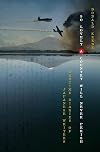
This book provides a fascinating perspective on the social and political attitudes of prominent Japanese writers from the start of the Pacific War to the end of the Allied Occupation. Donald Keene was a 23-year-old American naval officer at the time, translating Japanese communiques and interrogating prisoners of war for intelligence purposes. He was on one side of the conflict, while the writers here, some of whom would later become friends and associates, were on the other. Keene is show more professor emeritus at Columbia University and éminence grise in the west on matters of Japanese literature. A scholar of considerable breadth of inquiry, in SO LOVELY A COUNTRY he has chosen diary entries that reveal the full range of responses to Japan's course of action. These include the rabid jingoism of the day, how many writers were all but forced to write propaganda by a censoring military clique as a means of feeding their families, while for others the war cry was genuine, and what attitudes were during the Occupation. Keene wants the immediate response to events, so all diary entries are contemporaneous. There is no long reassessing view. The book is particular articulate on the vast sense of shame and loss of face most Japanese felt on surrender. The book is rich and moving in so many unexpected ways, especially on aspects of the day to day life ordinary Japanese. I'm a general reader of nonfiction with an interest in wartime Japan, but by no means a specialist, and the book held me spellbound. Highly recommended. show less
Lists
Awards


You May Also Like


Associated Authors
Statistics
- Works
- 76
- Also by
- 24
- Members
- 3,827
- Popularity
- #6,627
- Rating
- 3.8
- Reviews
- 23
- ISBNs
- 139
- Languages
- 5
- Favorited
- 2