
Anonymous (90)
Author of The Tale of the Heike
For other authors named Anonymous, see the disambiguation page.
Works by Anonymous
Tagged
Common Knowledge
Members
Reviews
The Jetavana Temple bells
Ring the passing of all things.
Twinned sal trees, white in full flower,
declare the great man's certain fall.
The arrogant do not long endure:
They are like a dream one night in spring.
The bold and brave perish in the end:
They are as dust before the wind.
These is the opening song of the epic, The Tale of the Heike. Although this is a war story, detailing the quick rise and steady fall of a clan which sought a military takeover of Japan, it is something more. The Heike show more monogatari, written to be read aloud and sung over nightly installments, is a long and winding journey through triumph, defeat, religion, and myth.
It is made clear in the very first lines that a main theme of the Tale of the Heike is the Buddhist concept of impermanence or transience, also known as muj…û (ûûaûxx). Sadness at the passing of things, or, to use a 19th-century term, mono no aware (ûûiûûnûûÂûûû). There are falling spring blossoms, death poems, and lamentations over burning temples.
Yet despite (or because of?) this focus on impermanence and death, the work is also an early contributor to the myth of the warrior code (ûmfûckûûû - bushido). There are multiple instances of an honorable deaths, suicide, and one of the first instances of death by seppuku. There are little parables of war horses, heroism, fathers defending their sons, wives mourning their husbands, warriors with nine-foot-long bows. A child-emperor and his nurse jump into the sea to reach a more heavenly and eternal throne.
Perhaps in this way, it is not dissimilar to the Iliad or the more contemporary Beowulf. Although there are lamentations of the loss of divine virtue and that this is a corrupt age, warriors still chant their names and their deeds. Individuals are frequently singled out for their bravery. They"still decorate their uniforms with bright colors, black or red or blue or gold or white. Some blacken their teeth - for beauty, not for intimidation.
A third narrative thread is that of religion and karma. Karma, or (ÂEÂ¥Â)Gà ÂE, of course, is where one's deeds and one's past life affect your own. Death is ordinary, but it is temporary. The tyrant, Taira no Kiyomori, was once a wise Buddhist teacher who had not yet comprehended the nature of evil. Of course, this religion is not detached from ordinary lives and political struggles. Warrior monks are wily players in this struggle, and they compete in very earthly struggles for allegiance. Yet this is a particular form of Buddhism which they fight, with the Amida Buddha promising eventual redemption to all of those who sincerely ask for it and chant his name as they die.
This is a 'war story', but there is also poetry and emotion. It is elegant at times, and even dares to hint at the complexity of life - and it's difference from Buddhist notions of simplicity. The winners are not always good, and the losers are not all bad. At the moment where the Taira suffer their greatest defeat, there are some digressions on how noble and good some of their followers were as they were slaughtered. From Chinese history. Didactic as well as emotive.
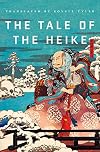
Royall Tyler does a magnificent job with the translation, moving from song to recitation with fluid ease. This edition also has show less
Generally considered the greatest of the gunki or war tales, though I must admit I did not find it as exciting as expected.
Lists
Awards


You May Also Like


Associated Authors
Statistics
- Works
- 1
- Members
- 675
- Popularity
- #37,410
- Rating
- 4.0
- Reviews
- 3
- ISBNs
- 9,872
- Languages
- 64