
Markus Heitz
Author of The Dwarves
About the Author
Image credit: Photo by Niccolò Caranti / Wikimedia Commons
Series
Works by Markus Heitz
Die Legenden der Albae - Dunkles Erbe: Roman | Die Fortsetzung der Fantasy-Reihe um die finsteren Albae vom SPIEGEL-Bestseller-Autor (2024) 9 copies
Der Tannenbaum des Todes: Mehr als 24 schwarzhumorige Weihnachtsgeschichten (2019) 6 copies, 1 review
Alles Betrüger 2 copies
De donkere tijd 2 copies
Ulldart - Die dunkle Zeit: Alle neun Bände von »Die dunkle Zeit« und »Zeit des Neuen« im Schuber (2019) 2 copies
Shadowrun: Poolitzers NICHTTod — Author — 1 copy
Die Rückkehr der Zwerge 1 copy
De nieuwe tijd 1 copy
Bragelonne 10 ans 1 copy
De Donkere Tijd deel 1 t/m 7 1 copy
Die Legenden der Albae 4: Die Vergessenen Schriften 9 — Author — 1 copy
Augenblick 1 copy
Schattenspiel 1 copy
Ein besonderer Geschmack 1 copy
Das Fest der Zwerge 1 copy
Unverhofftes Ende 1 copy
2011 1 copy
Neulicht 1 copy
Associated Works
The Tomorrow Project Anthology: Bestselling Authors Describe Daily Life in the Future (2011) — Contributor — 21 copies
Die Baker-Street-Artefakte: Spektakuläre Entdeckungen in einem Saarbrücker Hinterzimmermuseum (2015) — Contributor — 8 copies
Fantastische Aussichten: Fantasy & Science Fiction bei Knaur: Ausgewählte Leseproben von Leigh Bardugo, Markus Heitz, Boris Koch, Lisa Maxwell u.v.m. (2019) — Contributor — 6 copies
Den Nächsten, der FROHE WEIHNACHTEN zu mir sagt, bringe ich um: 12 Thriller (2013) — Contributor — 6 copies
Morgen, Freundchen, wird's was geben!: 24 punschvergnügte Weihnachtsgeschichten (2012) — Contributor — 3 copies
Der unmögliche Mord: und andere phantastische Kriminalfälle (German Edition) (2019) — Contributor — 2 copies
Tagged
Common Knowledge
- Canonical name
- Heitz, Markus
- Legal name
- Heitz, Markus
- Other names
- Mahet
- Birthdate
- 1971-10-10
- Gender
- male
- Occupations
- journalist
novelist
short story writer - Awards and honors
- Deutschen Phantastik-Preis: Bestes Roman-Debüt National für "Die Dunkle Zeit 1 – Schatten über Ulldart" (2003)
Deutschen Phantastik-Preis: Bester nationaler Roman für "Der Krieg der Zwerge" (2005)
Deutschen Phantastik-Preis: Bester nationaler Roman für "Die Rache der Zwerge" (2006)
Deutschen Phantastik-Preis: Bester nationaler Roman für "Die Mächte des Feuers" (2007)
Deutschen Phantastik-Preis: Beste Serie für "Ulldart – Zeit des Neuen" (2007)
Deutschen Phantastik-Preis: Bester deutschsprachiger Roman für "Das Schicksal der Zwerge" (2009) (show all 10)
Deutschen Phantastik-Preis: Bester deutschsprachiger Roman für "Die Legenden der Albae 1 – Gerechter Zorn" (2010)
Deutschen Phantastik-Preis: Bester deutschsprachiger Roman für "Judastöchter" (2011)
Deutschen Phantastik-Preis: Bester deutschsprachiger Roman für "Die Legenden der Albae 2 – Vernichtender Hass" (2012)
Deutschen Phantastik-Preis: Bester deutschsprachiger Comic für "Die Zwerge (II): Der Thronanwärter" (2017) - Nationality
- Germany
- Birthplace
- Homburg, Saarland, Germany
- Places of residence
- Zweibrücken, Germany
- Map Location
- Deutschland
- Associated Place (for map)
- Germany
Members
Reviews
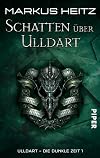
Our story begins on the continent of Ulldart, with a mysterious prophecy announcing the return of darker times, should the crown prince (tadc) of the Kingdom of Tarpol die.
Like any responsible parent, the king (kabcar) immediately strengthens his son's security. Unfortunately for him, it appears that prince Lodrik is far more likely to find his demise at his own hands. Fat, clumsy, arrogant, and far more interested in cookies than fencing lessons, the tadc is the laughing stock of the show more entire court.
Fed up with his son's repeated failures, the Kabcar orders Lodrik to the remote county of Granburg, where he is to become the new governor. Should he succeed, he is welcome to his rightful place as the future ruler; failure will lead to his demise.
"Armed" with a fake name, his long-time adviser Stoiko, and a few soldiers led by the mysterious bodyguard Waljakov, the 15-year-old tadc will have quite the rude awakening in his new surroundings.
Though I'm not a particular fan of the medieval fantasy genre, Shadows over Ulldart has managed to grab my interest from the first scene: a particularly graphic description of a monk's torturous death.
The following chapters, describing Lodrik's hilarious daily life at the court, have definitely endeared the book to me.
Since I am used to heroes who start out weak but with a heart of gold, Lodrik's completely unpleasant personality made for an interesting change. Coupled with plenty of gory descriptions of several murders throughout the book, the prince's character development is that much more dramatic.
I was fully intending to rate it 5/5 stars, but due to two particularly intense scenes, whose buildup was completely destroyed by simplistic resolutions, I decided against it.
Score: 4.3/5
All in all, an excellent beginning for the series, and I'm definitely looking forward to its many sequels (8 to be specific). show less
Like any responsible parent, the king (kabcar) immediately strengthens his son's security. Unfortunately for him, it appears that prince Lodrik is far more likely to find his demise at his own hands. Fat, clumsy, arrogant, and far more interested in cookies than fencing lessons, the tadc is the laughing stock of the show more entire court.
Fed up with his son's repeated failures, the Kabcar orders Lodrik to the remote county of Granburg, where he is to become the new governor. Should he succeed, he is welcome to his rightful place as the future ruler; failure will lead to his demise.
"Armed" with a fake name, his long-time adviser Stoiko, and a few soldiers led by the mysterious bodyguard Waljakov, the 15-year-old tadc will have quite the rude awakening in his new surroundings.
Though I'm not a particular fan of the medieval fantasy genre, Shadows over Ulldart has managed to grab my interest from the first scene: a particularly graphic description of a monk's torturous death.
The following chapters, describing Lodrik's hilarious daily life at the court, have definitely endeared the book to me.
A cheerful murmur went through the room, which only got louder as the tadc, supported by his adviser Stoiko, limped to his father.
"Riding lessons?" asked Grengor seemingly amused, his son nodded wincing silently.
"You should have seen him as he jumped riding the half-wild black horse, your majesty." Stoiko bowed, trying once more to save the situation. "We have all discouraged him, but the tadc was so brave, and managed to ride it without help. The beast had struggled and dropped him five times, but ultimately the tadc has managed to tame him."
"It looks like you're remaining here, while I'll have to freeze. Not a particularly pleasant death, I'm told." Stoiko's teeth chattered and his entire body shook.
"What are you doing? It's not even cold in here."
"I'm practicing, my lord. I'm practicing."
Since I am used to heroes who start out weak but with a heart of gold, Lodrik's completely unpleasant personality made for an interesting change. Coupled with plenty of gory descriptions of several murders throughout the book, the prince's character development is that much more dramatic.
I was fully intending to rate it 5/5 stars, but due to two particularly intense scenes, whose buildup was completely destroyed by simplistic resolutions, I decided against it.
Score: 4.3/5
All in all, an excellent beginning for the series, and I'm definitely looking forward to its many sequels (8 to be specific). show less
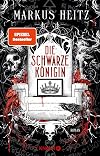
In zwei Zeitebenen wird eine grausame, unheilvolle und grundsätzlich spannende Geschichte erzählt:
Anfang des 15. Jahrhunderts: Die historische Persönlichkeit Barbara von Cilli, Königin Ungarns und des Heiligen Römischen Reiches, die mit ihrem Freund Vlad II. den Kampf gegen Vampire und andere untote Wesen aufnimmt.
In der Gegenwart wird der junge Len, mutmaßlich blutsverwandter Nachfahre von „Vlad dem Pfähler“, auf einer Reise nach Prag ebenfalls mit Vampiren konfrontiert.
Dieses show more fiktionalisiert-historische Buch ist für mich der erste Roman, in dem es explizit um Vampire (verschiedenster Art) und den Kampf gegen diese Wesen geht. Barbara von Cilli hat tatsächlich gelebt, wie ich erstaunt erfuhr. Ich fand es recht spannend, die Geschichte mit Vampiren zu „würzen“.
Tatsächlich liest sich die Erzählung relativ glaubwürdig. Die Sprache in den historischen Kapiteln erinnert stark ans Mittelalter. Auch die Beschreibungen der Ereignisse und Kleidung wirkt authentisch, letztere jedoch unnötig häufig und ausführlich. In der Gegenwart ist mir Protagonist Len nicht gerade sympathisch. Er erscheint verträumt und angesichts der drohenden Gefahr eher teilnahmslos, hat nur seine Verliebtheit im Kopf. Abgesehen von Barbara, der schwarzen Königin, kommen mir alle anderen Figuren relativ blass gezeichnet vor. Sie ist eindeutig die Hauptperson.
Die Geschichte hat mir recht gut gefallen. Allerdings liest sie sich für mich extrem langatmig. Es treten zahlreiche Figuren auf, deren Namen ich mir nicht alle gut merken bzw. zuordnen konnte. Obwohl es ein Personenverzeichnis und ein Glossar zu Beginn des Buches gibt, musste ich einige Begriffe erst recherchieren und hätte es mir ausführlicher gewünscht für eine ununterbrochene Lektüre. Die vielen ausufernden Beschreibungen konnten mich leider nicht vollständig ans Buch fesseln. Las sich der Anfang noch abwechslungsreich und spannend, so nahm mein Lesevergnügen leider stetig ab.
Das Ende des Buches ist für mich extrem unbefriedigend. Es bleiben am Schluss einige offene Fragen und die Andeutung einer Romanfortsetzung.
Ich hatte eine aufregende und spannende, sogar unheimliche und gruselige Geschichte erwartet. Leider wurde meine Erwartung enttäuscht. Inhaltlich interessant und auch stellenweise sehr überraschend, fand ich leider keinen Gefallen am Erzählstil des Autors.
Fazit: Die Protagonisten abgesehen von Barbara wirken unnahbar und blass, einige sogar unsympathisch. Die Handlung ist spannend und abwechslungsreich, aber langatmig erzählt. show less
Anfang des 15. Jahrhunderts: Die historische Persönlichkeit Barbara von Cilli, Königin Ungarns und des Heiligen Römischen Reiches, die mit ihrem Freund Vlad II. den Kampf gegen Vampire und andere untote Wesen aufnimmt.
In der Gegenwart wird der junge Len, mutmaßlich blutsverwandter Nachfahre von „Vlad dem Pfähler“, auf einer Reise nach Prag ebenfalls mit Vampiren konfrontiert.
Dieses show more fiktionalisiert-historische Buch ist für mich der erste Roman, in dem es explizit um Vampire (verschiedenster Art) und den Kampf gegen diese Wesen geht. Barbara von Cilli hat tatsächlich gelebt, wie ich erstaunt erfuhr. Ich fand es recht spannend, die Geschichte mit Vampiren zu „würzen“.
Tatsächlich liest sich die Erzählung relativ glaubwürdig. Die Sprache in den historischen Kapiteln erinnert stark ans Mittelalter. Auch die Beschreibungen der Ereignisse und Kleidung wirkt authentisch, letztere jedoch unnötig häufig und ausführlich. In der Gegenwart ist mir Protagonist Len nicht gerade sympathisch. Er erscheint verträumt und angesichts der drohenden Gefahr eher teilnahmslos, hat nur seine Verliebtheit im Kopf. Abgesehen von Barbara, der schwarzen Königin, kommen mir alle anderen Figuren relativ blass gezeichnet vor. Sie ist eindeutig die Hauptperson.
Die Geschichte hat mir recht gut gefallen. Allerdings liest sie sich für mich extrem langatmig. Es treten zahlreiche Figuren auf, deren Namen ich mir nicht alle gut merken bzw. zuordnen konnte. Obwohl es ein Personenverzeichnis und ein Glossar zu Beginn des Buches gibt, musste ich einige Begriffe erst recherchieren und hätte es mir ausführlicher gewünscht für eine ununterbrochene Lektüre. Die vielen ausufernden Beschreibungen konnten mich leider nicht vollständig ans Buch fesseln. Las sich der Anfang noch abwechslungsreich und spannend, so nahm mein Lesevergnügen leider stetig ab.
Das Ende des Buches ist für mich extrem unbefriedigend. Es bleiben am Schluss einige offene Fragen und die Andeutung einer Romanfortsetzung.
Ich hatte eine aufregende und spannende, sogar unheimliche und gruselige Geschichte erwartet. Leider wurde meine Erwartung enttäuscht. Inhaltlich interessant und auch stellenweise sehr überraschend, fand ich leider keinen Gefallen am Erzählstil des Autors.
Fazit: Die Protagonisten abgesehen von Barbara wirken unnahbar und blass, einige sogar unsympathisch. Die Handlung ist spannend und abwechslungsreich, aber langatmig erzählt. show less

Wohl die erste Vampirgeschichte mit der ich in Berührung gekommen bin, die mit dem in der Allgemeinheit geprägtem Bild der Vampire aufräumt und sich stattdessen voll auf historische Fakten konzentriert. Wer Heitz' kleines Sachbuch "Vampire! Vampire!" gelesen hat, kann schon erahnen in welche Richtung es geht: die Geschichte entspringt dort, wo auch der Mythos über die Vampire entsprungen ist; auf dem Balkan, in diesem Fall Serbien unter Osmanischer und später Habsburgischer Herrschaft. show more
Wie auch aus den historischen Berichte aus dem 17. und 18. Jahrhundert hervorgeht, sind die Vampire in dieser Geschichte keinesfalls unsterblich - viele von Ihnen leben sogar nur einige Wochen lang nach Ihrer Auferstehung. Es gibt viele Arten von Vampiren - die Umbra, die Schatten gleichen, die Nex, die sich in Falter verwandeln können, oder auch die Kinder des Judas, die mächtigsten aller Vampire - aber mehr sei dazu nicht gesagt, sonst wäre zu viel verraten ;)
Nicht nur die Mythen sind im Buch verarbeitet, sonder auch realhistorische Kontexte - wie z.B. die "Forscher" die ins serbische Gebiet gesandt wurden um die Geschichten über die Untoten mit eigenen Augen zu sehen. Das alles ist in einem äußert spannenden Roman verarbeitet, der trotz seiner 700 Seiten nie langweilig wird. Sehr empfehlenswert, sowohl für Vampir- als auch für nicht-Vampir-Fans. Aber eine kleine Warnung vorweg: das Buch ist nichts für schwache Nerven, denn die Beschreibungen sind mitunter sehr blutig. show less
Wie auch aus den historischen Berichte aus dem 17. und 18. Jahrhundert hervorgeht, sind die Vampire in dieser Geschichte keinesfalls unsterblich - viele von Ihnen leben sogar nur einige Wochen lang nach Ihrer Auferstehung. Es gibt viele Arten von Vampiren - die Umbra, die Schatten gleichen, die Nex, die sich in Falter verwandeln können, oder auch die Kinder des Judas, die mächtigsten aller Vampire - aber mehr sei dazu nicht gesagt, sonst wäre zu viel verraten ;)
Nicht nur die Mythen sind im Buch verarbeitet, sonder auch realhistorische Kontexte - wie z.B. die "Forscher" die ins serbische Gebiet gesandt wurden um die Geschichten über die Untoten mit eigenen Augen zu sehen. Das alles ist in einem äußert spannenden Roman verarbeitet, der trotz seiner 700 Seiten nie langweilig wird. Sehr empfehlenswert, sowohl für Vampir- als auch für nicht-Vampir-Fans. Aber eine kleine Warnung vorweg: das Buch ist nichts für schwache Nerven, denn die Beschreibungen sind mitunter sehr blutig. show less

Amazingly enough I managed to get to this trilogy's end.
Why amazingly you ask? Because it's in German. I had a heck of a time getting through the first book. Ever tried to read a book you could feel was a great one, but just couldn't really see said greatness for yourself? Heck of depressing experience.
Also yes, I'm ever-so-optimistically assuming that someone's bothering to read this review, if only because (so far) there is just 1 other review of it in English... on Goodreads.
Right, so show more back to Daughters of Judas: the last book in the Children of Judas AND also 6th (out of 10 - at the moment) in the "Dunkle Spannung " series. Yeah, apparently this series was part of another, and this was the book where everything had to converge and be linked together. A pity, since I'd have rated this book higher than the 1st one, otherwise.
Everyone's favorite red-head is still worrying about Emma being in a coma. As you might remember from Son of Judas, the latter got roughed up by a vengeful "relative" (Tanguy Guivarche a.k.a Harm Byrn). On top of that, Sia now obviously has to take care of 7-year-old Elena as well, a task made all the more difficult by the girl's suicidal tendencies.
See, unlike most kids whose mothers are in a coma, Elena is not depressed. She's determined to become a vampire and protect her family. Sia's intention to kill all her successors who "wake up" as vampires, is obviously not exactly known to the kid...
Then Elena gets attacked by an Irish gang, only to be saved by Harm Byrn's former butler, who got the request for baby sitting in his master's will. At the same time, two different gangs are attempting to kidnap Emma, and the 'winner' leaves behind a bloodbath, along with the request for our heroine to travel to Ireland and go on a killing spree for them.
But there's two seas between Germany and Ireland, not to mention several rivers which are the bane of any "child of Judas". Luckily for Sia, she gets help from the handsome and mysterious hunk, whom she saved back at the beginning of Son of Judas.
In the interest of fairness, I should admit that the story per se was quite engaging. Learning about the hierarchies within Irish vampire and shapeshifter societies (werewolves, werepanthers, werebears etc.) was actually quite interesting. Meeting cool heroes such as the mysterious hunk (Eric), as well as equally cool antiheroes (e.g. Boida de Cao) was, also, very interesting.
Gradually though, we stumble on a lot of partial information about various characters, and towards the end we also see "new" characters thrown into the mix. I didn't dislike Justine, but not knowing her back story seriously diminished her awesome-sauce kickass aura. Then again, this was all stuff that has been dealt within the 3 books preceding the "Children of Judas" series.
The number of points-of-view interrupting each other during key moments, was yet another source of annoyance. It wouldn't have been so bad if they were dealing with the same thing. Unfortunately, most of the time, change of POVs meant a complete change of characters as well.
There was:
- Sia and the Eric's search for Emma and Elena. Sometimes this meant two separate POVs, when they would split up.
- Elena and the butler's flight from their attackers
- Emma's waking thoughts from coma
- various Irish shapeshifters' coming and goings
- as well as the life and times of the evil scheming politician David O'Liar. Yes, O'Liar of all things.
Incidentally, I'm still not sure what the point of O'Liar's POV was.I could care less about the person responsible for the post-massacre clean-up. Props for the name, though.
To fully enjoy this book, it is necessary to read the prequels: Ritus, Sanctum and Blutportale (Blood portals).
Children of Judas can easily be read as a stand-alone, while Son of Judas merely contains some negligible hints to Ritus and Sanctum. So the sudden introduction of most everyone from the 3 preceding books seemed like a rather forced move to me. Not that I didn't enjoy seeing Sia paired up with someone of similar strength mind, still it didn't lessen the confusing factor throughout the story.
I'm not making promises about starting on the prequels anytime soon, or even not so soon. However I'm not discounting the possibility of ever reading them, either.
In conclusion, 3.2/5 stars for a great action story, though full of confusing characters, plot devices and a much-too rushed ending.
============================================
review of the 1st book: Kinder des Judas
review of the 2nd book: Judassohn
review of the 2.5th short story: Blutmaske show less
Why amazingly you ask? Because it's in German. I had a heck of a time getting through the first book. Ever tried to read a book you could feel was a great one, but just couldn't really see said greatness for yourself? Heck of depressing experience.
Also yes, I'm ever-so-optimistically assuming that someone's bothering to read this review, if only because (so far) there is just 1 other review of it in English... on Goodreads.
Right, so show more back to Daughters of Judas: the last book in the Children of Judas AND also 6th (out of 10 - at the moment) in the "Dunkle Spannung " series. Yeah, apparently this series was part of another, and this was the book where everything had to converge and be linked together. A pity, since I'd have rated this book higher than the 1st one, otherwise.
Everyone's favorite red-head is still worrying about Emma being in a coma. As you might remember from Son of Judas, the latter got roughed up by a vengeful "relative" (Tanguy Guivarche a.k.a Harm Byrn). On top of that, Sia now obviously has to take care of 7-year-old Elena as well, a task made all the more difficult by the girl's suicidal tendencies.
See, unlike most kids whose mothers are in a coma, Elena is not depressed. She's determined to become a vampire and protect her family. Sia's intention to kill all her successors who "wake up" as vampires, is obviously not exactly known to the kid...
Then Elena gets attacked by an Irish gang, only to be saved by Harm Byrn's former butler, who got the request for baby sitting in his master's will. At the same time, two different gangs are attempting to kidnap Emma, and the 'winner' leaves behind a bloodbath, along with the request for our heroine to travel to Ireland and go on a killing spree for them.
But there's two seas between Germany and Ireland, not to mention several rivers which are the bane of any "child of Judas". Luckily for Sia, she gets help from the handsome and mysterious hunk, whom she saved back at the beginning of Son of Judas.
In the interest of fairness, I should admit that the story per se was quite engaging. Learning about the hierarchies within Irish vampire and shapeshifter societies (werewolves, werepanthers, werebears etc.) was actually quite interesting. Meeting cool heroes such as the mysterious hunk (Eric), as well as equally cool antiheroes (e.g. Boida de Cao) was, also, very interesting.
Gradually though, we stumble on a lot of partial information about various characters, and towards the end we also see "new" characters thrown into the mix. I didn't dislike Justine, but not knowing her back story seriously diminished her awesome-sauce kickass aura. Then again, this was all stuff that has been dealt within the 3 books preceding the "Children of Judas" series.
The number of points-of-view interrupting each other during key moments, was yet another source of annoyance. It wouldn't have been so bad if they were dealing with the same thing. Unfortunately, most of the time, change of POVs meant a complete change of characters as well.
There was:
- Sia and the Eric's search for Emma and Elena. Sometimes this meant two separate POVs, when they would split up.
- Elena and the butler's flight from their attackers
- Emma's waking thoughts from coma
- various Irish shapeshifters' coming and goings
- as well as the life and times of the evil scheming politician David O'Liar. Yes, O'Liar of all things.
Incidentally, I'm still not sure what the point of O'Liar's POV was.
To fully enjoy this book, it is necessary to read the prequels: Ritus, Sanctum and Blutportale (Blood portals).
Children of Judas can easily be read as a stand-alone, while Son of Judas merely contains some negligible hints to Ritus and Sanctum. So the sudden introduction of most everyone from the 3 preceding books seemed like a rather forced move to me. Not that I didn't enjoy seeing Sia paired up with someone of similar strength mind, still it didn't lessen the confusing factor throughout the story.
I'm not making promises about starting on the prequels anytime soon, or even not so soon. However I'm not discounting the possibility of ever reading them, either.
In conclusion, 3.2/5 stars for a great action story, though full of confusing characters, plot devices and a much-too rushed ending.
============================================
review of the 1st book: Kinder des Judas
review of the 2nd book: Judassohn
review of the 2.5th short story: Blutmaske show less
Lists
Awards


You May Also Like


Associated Authors
Statistics
- Works
- 198
- Also by
- 36
- Members
- 7,393
- Popularity
- #3,302
- Rating
- 3.8
- Reviews
- 152
- ISBNs
- 521
- Languages
- 10
- Favorited
- 27
