
Ray Charles (1930–2004)
Author of Brother Ray: Ray Charles' Own Story
About the Author
Image credit: wikimedia.org
Works by Ray Charles
Ray Charles A Man and His Soul (Legendary Performers -- Volume 5) (Legendary Performance) (1987) 14 copies
Ray Charles Christmas 5 copies
A Portrait of Ray 4 copies
My World 4 copies
Rhythm & Blues Legends (Time Life) 4 copies
Hey Now! 4 copies
Ray Charles in Concert 3 copies
Visionary Soul 3 copies
Soul Brothers: Soul Meeting (2CD) 3 copies
Spotlight On Ray Charles 3 copies
Crying Time 3 copies
Blues In A Sentimental Key 3 copies
Do the Twist With Ray Charles 2 copies
The Very Best of Ray Charles, Vol. 2 2 copies
Ray Charles: Greatest Hits 2 copies
Forever 2 copies
Forever Gold 2 copies
My Kind of Jazz 2 copies
gold 2 copies
Live at the Montreux Jazz Festival 2 copies
Ray Charles In LA 2 copies
I've Got a Woman and Other Hits 2 copies
Live 2 copies
Soul Brothers 2 copies
Hallelujah I Love Her So 2 copies
Fifty Nifty United States 2 copies
Greatest Country & Western Hits 2 copies
Renaissance (33) 2 copies
The Genius After Hours 2 copies
Recopilacion 1 copy
Ray Charles vol. 2 1 copy
See See Rider 1 copy
His Greatest Hits 1 copy
Hallelujah, I love her so 1 copy
Ray Charles Greatest Hits 1 copy
This love of mine 1 copy
Greatest Hits (1962) 1 copy
Brother Ray Is At It Again! 1 copy
Trilogy [3 CD] 1 copy
Just Between Us 1 copy
Yesterday 1 copy
Classics 1953-1954 1 copy
Original American Classics 1 copy
Anthology [us] 1 copy
Vintage Vaults Volume 4 1 copy
Vintage Vaults Volume 1 1 copy
Vintage Vaults Volume 3 1 copy
Ray Charles Volume II 1 copy
My Kind of Jazz Part 3 1 copy
Classics 1950-1952 1 copy
I Can't Stop Loving You 1 copy
Listen. [Sound recording] 1 copy
The Best of Ray Charles 1 copy
Ray Soundtrack 2004 1 copy
The Entertainers(70 Mns) 1 copy
Rhythm & blues 1 copy
Jazz + Genius 1 copy
Soul Brothers 1 copy
The Distinctive Ray Charles 1 copy
Midnight Hour 1 copy
One Mint Julep / Crying Time 1 copy
I Wonder Who's Kissing He 1 copy
America the Beautiful 1 copy
20 hits of the genius 1 copy
Ain't It So 1 copy
This Is Gold 1 copy
Brother Ray's Blues 1 copy
Hey Now / Let's Have A Ball 1 copy
Ray Charles - My World 1 copy
Ray Charles - Classics 1 copy
blues, varied 1 copy
Vocal Jazz 1 copy
Ray Charles, Live in Concert 1 copy
20 Super Hits [LP] 1 copy
Ray Charles Live [2 LPs] 1 copy
The Greatest Ray Charles 1 copy
The Best of Ray Charles 1 copy
As Promised 1 copy
A Sentimental Blues 1 copy
the early LP 1 copy
I Was on Georgia Time 1 copy
do the twist 1 copy
Busted & Making Believe 1 copy
17 Original Albums 1 copy
Rock + Soul = Genius 1 copy
I'm All Yours Baby! 1 copy
Back Home 1 copy
story, vol. 2 LP 1 copy
Ray Charles & Friends 1 copy
Classic Ray 1 copy
Doing His Thing 1 copy
Associated Works
John Denver and the Muppets: A Christmas Together [1979 TV special] (1979) — Special musical material — 2 copies
Tagged
Common Knowledge
- Legal name
- Robinson, Raymond Charles
- Other names
- Brother Ray
- Birthdate
- 1930-09-23
- Date of death
- 2004-06-10
- Gender
- male
- Education
- Florida School for the Deaf and the Blind
- Occupations
- singer
songwriter
musician
composer - Cause of death
- liver failure (complications)
- Nationality
- USA
- Birthplace
- Albany, Georgia, USA
- Place of death
- Beverly Hills, California, USA
- Associated Place (for map)
- USA
Members
Reviews
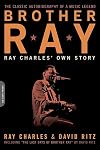
"If you wash yourself in anger, you never have clean hands."
Definitely recommended for biography fans. Unlike some of them, it doesn't skirt the intimate moments, hide the truths, or avoid controversy.
Ray Charles was definitely an impressive man - how could someone say he was not? Blinded as a child, he never let it slow him down. Blind, he learned how to ride a bike and cruised around the neighborhood. He went by himself to a school for the blind at a young age. After his mother's death, he show more traveled states blind and alone, finding bus stops and night clubs and hotels in each strange new city. He blended different genres of music, tried things not successful before, made them work. He learned to play different instruments, sharpened his voice to be a beautiful instrument of music. One day he decided to kick heroin for the sake of his son and admitted himself, refusing the help of the come-down drugs and other methods, to the point where the hospital staff didn't believe he wasn't using until they saw the tests for themselves, and he never went back to it.
Brother Ray is an honest biography told through his words, dictated by a biographer. He speaks fondly of his childhood - which to me sounds quite sad but he lives it up as a happy time. He saw his brother die before his eyes outside when they swimming in a barrel and he froze, unable to save him - he went through going blind at a young age and having to leave the only home he knew and his mother, and then hearing about her death through a letter. They were about as poor as people can be, but he still remained happy and carefree. It was inspiring and one of the best parts.
The bulk of the book is, of course, about music. The four rating over five is because sometimes this got too much for me to see the repetitive movements between towns, records, gigs, songs, and new band members. The repetition prompted enjoyment from me, but to where I needed breaks from reading it. It would blend together a little too often and too much to get a five star interest - but for honesty it's certainly five stars.
He spoke freely of sex, of which he was a big fan. It was funny but he'd randomly come out with something sexual while speaking of something else. One moment he mentions a masturbation game the boys at the blind school would do - lay in a circle and have a contest masturbating. Another time he randomly talked about refusing oral sex received because he'd never delivered, and that he didn't think it was right to do that, so proceeds to tell about his first experience in a club. There was a small tidbit about 'parties' (cough - orgies?) later on, and he made it clear he didn't see anything wrong with sleeping with other women while you were married and 'respectful' about it.
He also saw little downfall for him with drugs but made clear he knew how some people fell apart over it, couldn't shake it, and how it ruined them. He didn't speak too much on the drug details but enough that I got a clear picture, mentioning his busts and his stint in rehab, but it was the tears of his son that really affected him to do the change.
While he doesn't go into detail on the Georgia scandal that prompted 'Georgia on my mind', he mentions racism often, peppered from childhood (where he didn't pay much attention to the areas of town he couldn't go and didn't really notice till later) to adulthood, where he spoke of respect for Martin Luther King (but didn't march in his march because he refused to be non-violent if he was physically attacked, so financially supported instead) and his personal experiences. It was honest, interesting, and non-biased - he was not racist himself and found it odd how as a child was segregated from the girls at the blind school since he was a boy, but then segregated from the other white blind kids. Certainly it wasn't the kids who could see their differences.
His views on religion were interesting and brought up more in his older years toward the end of the book. He believed in God but struggled with the concept of Jesus being God's son, since the Jews themselves rejected Him as the messiah. He also didn't believe in middlemen in prayer, said the Lord's prayer every night, and didn't care which denomination he attended - he loved the gospel and found much of his heart in it. He was a firm believer for most of the book that he himself had overcome and gotten him where it got him, not God, and that to bother God for everything would 'try his patience.'
He does tell of some near scares traveling through flying, one in particular where everyone said only a miracle was the answer, but was confused to point out that others weren't so lucky.
It was touching to read the afterword written by the biographer. Actually it's a must-do if you read this. You must. It was so sad, however, for Ray Charles feared two things only in this life - deafness and cancer. He believed to be deaf and without music would not be bearable, and this was brought in force by a scare he had in an ear that had a poisonous lump. He feared cancer and said that being eaten away and being reduced was the worst thing he could imagine, and he said as a closing that he did ask God not to have either deafness or cancer.
In the afterword we sadly learn that many years later he does develop cancer, and he fights it strong, telling the biographer and personal friend that he'd beat it and get better. He became more reflective on God and came to accept Jesus and give Him more thought. He saw more credit owed to Him for strength and how much he was carried through life. He started having some regrets about bad words said in the bands, harshness sometimes and loss of patience. He dwindled away as he feared and his voice was reduced to a whisper, his body bowed and in pain for his final speech in front of many. He said into the mike that he was getting stronger, and six weeks later the biographer learned he was dead. Tragic, but he does say several times in the book that he learned in life that death comes for all and is the only thing that can't be bargained with. Still sad.
An excellent book that's honest, deep, and detailed. He muses about morals, faith, music, coming into your own style, the need of mimicking others first, racism, mothers and fathers, children, paternity suits, the law and following honor systems, the joys of roaming the road, the joys of having a childhood home. It was clearly put through his own voice, his own words, his own unique dialect and style of speech.
His last paragraph in the book: "Sometimes my dreams are so deep that I dream that I'm dreaming. I wake up inside myself. I watch myself sleeping and I look like a baby or a boy - tired from playing all the day long, a small soul hungry for peace and rest." show less
Definitely recommended for biography fans. Unlike some of them, it doesn't skirt the intimate moments, hide the truths, or avoid controversy.
Ray Charles was definitely an impressive man - how could someone say he was not? Blinded as a child, he never let it slow him down. Blind, he learned how to ride a bike and cruised around the neighborhood. He went by himself to a school for the blind at a young age. After his mother's death, he show more traveled states blind and alone, finding bus stops and night clubs and hotels in each strange new city. He blended different genres of music, tried things not successful before, made them work. He learned to play different instruments, sharpened his voice to be a beautiful instrument of music. One day he decided to kick heroin for the sake of his son and admitted himself, refusing the help of the come-down drugs and other methods, to the point where the hospital staff didn't believe he wasn't using until they saw the tests for themselves, and he never went back to it.
Brother Ray is an honest biography told through his words, dictated by a biographer. He speaks fondly of his childhood - which to me sounds quite sad but he lives it up as a happy time. He saw his brother die before his eyes outside when they swimming in a barrel and he froze, unable to save him - he went through going blind at a young age and having to leave the only home he knew and his mother, and then hearing about her death through a letter. They were about as poor as people can be, but he still remained happy and carefree. It was inspiring and one of the best parts.
The bulk of the book is, of course, about music. The four rating over five is because sometimes this got too much for me to see the repetitive movements between towns, records, gigs, songs, and new band members. The repetition prompted enjoyment from me, but to where I needed breaks from reading it. It would blend together a little too often and too much to get a five star interest - but for honesty it's certainly five stars.
He spoke freely of sex, of which he was a big fan. It was funny but he'd randomly come out with something sexual while speaking of something else. One moment he mentions a masturbation game the boys at the blind school would do - lay in a circle and have a contest masturbating. Another time he randomly talked about refusing oral sex received because he'd never delivered, and that he didn't think it was right to do that, so proceeds to tell about his first experience in a club. There was a small tidbit about 'parties' (cough - orgies?) later on, and he made it clear he didn't see anything wrong with sleeping with other women while you were married and 'respectful' about it.
He also saw little downfall for him with drugs but made clear he knew how some people fell apart over it, couldn't shake it, and how it ruined them. He didn't speak too much on the drug details but enough that I got a clear picture, mentioning his busts and his stint in rehab, but it was the tears of his son that really affected him to do the change.
While he doesn't go into detail on the Georgia scandal that prompted 'Georgia on my mind', he mentions racism often, peppered from childhood (where he didn't pay much attention to the areas of town he couldn't go and didn't really notice till later) to adulthood, where he spoke of respect for Martin Luther King (but didn't march in his march because he refused to be non-violent if he was physically attacked, so financially supported instead) and his personal experiences. It was honest, interesting, and non-biased - he was not racist himself and found it odd how as a child was segregated from the girls at the blind school since he was a boy, but then segregated from the other white blind kids. Certainly it wasn't the kids who could see their differences.
His views on religion were interesting and brought up more in his older years toward the end of the book. He believed in God but struggled with the concept of Jesus being God's son, since the Jews themselves rejected Him as the messiah. He also didn't believe in middlemen in prayer, said the Lord's prayer every night, and didn't care which denomination he attended - he loved the gospel and found much of his heart in it. He was a firm believer for most of the book that he himself had overcome and gotten him where it got him, not God, and that to bother God for everything would 'try his patience.'
He does tell of some near scares traveling through flying, one in particular where everyone said only a miracle was the answer, but was confused to point out that others weren't so lucky.
It was touching to read the afterword written by the biographer. Actually it's a must-do if you read this. You must. It was so sad, however, for Ray Charles feared two things only in this life - deafness and cancer. He believed to be deaf and without music would not be bearable, and this was brought in force by a scare he had in an ear that had a poisonous lump. He feared cancer and said that being eaten away and being reduced was the worst thing he could imagine, and he said as a closing that he did ask God not to have either deafness or cancer.
In the afterword we sadly learn that many years later he does develop cancer, and he fights it strong, telling the biographer and personal friend that he'd beat it and get better. He became more reflective on God and came to accept Jesus and give Him more thought. He saw more credit owed to Him for strength and how much he was carried through life. He started having some regrets about bad words said in the bands, harshness sometimes and loss of patience. He dwindled away as he feared and his voice was reduced to a whisper, his body bowed and in pain for his final speech in front of many. He said into the mike that he was getting stronger, and six weeks later the biographer learned he was dead. Tragic, but he does say several times in the book that he learned in life that death comes for all and is the only thing that can't be bargained with. Still sad.
An excellent book that's honest, deep, and detailed. He muses about morals, faith, music, coming into your own style, the need of mimicking others first, racism, mothers and fathers, children, paternity suits, the law and following honor systems, the joys of roaming the road, the joys of having a childhood home. It was clearly put through his own voice, his own words, his own unique dialect and style of speech.
His last paragraph in the book: "Sometimes my dreams are so deep that I dream that I'm dreaming. I wake up inside myself. I watch myself sleeping and I look like a baby or a boy - tired from playing all the day long, a small soul hungry for peace and rest." show less

Charles sings popular songs, alternately with a swing band and with orchestra and chorus.
3/4 (Good).
It's not particularly country or western, and it was definitely not modern. I like the idea of a Ray Charles album that focuses on his voice; he's got one of the best. But why is it made up almost entirely of songs that already had iconic versions? And why does it need to sound like he's a Nat King Cole imitator circa 1957?
(Nov. 2019)
3/4 (Good).
It's not particularly country or western, and it was definitely not modern. I like the idea of a Ray Charles album that focuses on his voice; he's got one of the best. But why is it made up almost entirely of songs that already had iconic versions? And why does it need to sound like he's a Nat King Cole imitator circa 1957?
(Nov. 2019)

Charles sings duets.
2/4 (Indifferent).
He's very old, and not really able to do much singing anymore. And most of the other singers don't blend well with him. It makes me sad that this album was probably a generation's introduction to Ray Charles.
2/4 (Indifferent).
He's very old, and not really able to do much singing anymore. And most of the other singers don't blend well with him. It makes me sad that this album was probably a generation's introduction to Ray Charles.
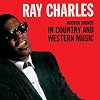
Modern Sounds In Country & Western Music Vol.1
1 Bye Bye Love
2 You Don't Know Me
3 Half As Much
4 I Love You So Much It Hurts
5 Just A Little Lovin'
6 Born To Lose
7 Worried Mind
8 It Makes No Difference Now
9 You Win Again
10 Careless Love
11 I Can't Stop Loving You
12 Hey, Good Lookin'
13 You Are My Sunshine
14 Here We Go Again
15 That Lucky Old Sun
1 Bye Bye Love
2 You Don't Know Me
3 Half As Much
4 I Love You So Much It Hurts
5 Just A Little Lovin'
6 Born To Lose
7 Worried Mind
8 It Makes No Difference Now
9 You Win Again
10 Careless Love
11 I Can't Stop Loving You
12 Hey, Good Lookin'
13 You Are My Sunshine
14 Here We Go Again
15 That Lucky Old Sun
Lists
Awards


You May Also Like


Associated Authors
Statistics
- Works
- 284
- Also by
- 18
- Members
- 1,073
- Popularity
- #23,963
- Rating
- 4.0
- Reviews
- 21
- ISBNs
- 67
- Languages
- 6


