
Xosé Neira Vilas
Author of Memoirs of a Peasant Boy
About the Author
Image credit: Xosé Neira Vilas. Photo by Santos-Díez (Ollo de Vidro-ACAB).
Series
Works by Xosé Neira Vilas
Associated Works
Antoloxia do conto galego: Seculo XX (Coleccion literaria) (1989) — Contributor — 22 copies, 1 review
Tagged
Common Knowledge
- Canonical name
- Neira Vilas, Xosé
- Gender
- male
- Nationality
- Spain
Members
Reviews
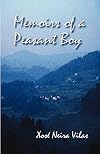
This is a story of Galicia, an area in NW Spain, isolated and poor. It is the notebook of Balbino, a peasant boy. He writes about his day to day experiences and his musings. Balbino is very smart, his thoughts are full of richness and they give the reader a picture of this area and life. We know that Balbino was able to go to school. He also does some substitute teaching. He talks about the unfairness of having to take abuse from the landowners mean son. The joy of his friendship that is show more interrupted when the boy moves to America with his parents. He often mentions that he is a boy not meant to have good fortune. The author is Galician but he moved to Argentina before writing this book. Galician is a separate language and people from Spain. The author wrote in Galician. It was translated to English.
First sentence: I am….Balbino.
Quotes:
“Our life will keep on fermenting with strange, borrowed yeast.”
“because time both treats injuries and make trees rot.”
Last words: Let him take it away. show less
First sentence: I am….Balbino.
Quotes:
“Our life will keep on fermenting with strange, borrowed yeast.”
“because time both treats injuries and make trees rot.”
Last words: Let him take it away. show less
This charming novella purports to be the journal of a poor boy from a rural community in Galicia, Spain. The perspective is that of the young man looking back on his lonely childhood in a small village from his current position as a servant in a larger town. Because no one understands him, he empties his thoughts and feelings into a notebook. The narration is a simple, straightforward portrayal of his life, each chapter/memory is almost a self-contained story but together they encompass the show more hardships and comforts of life in 1930s Spain. show less

RESUMEN
Lelo vén sendo aquel amigo de Balbino (o das Memorias dun neno labrego), o que con el xuntaba herbas para o fumazo da noite de San Xoán, o que o salvou de morrer afogado no río, o que soñaba con ser músico, ou mariñeiro ou aviador.
Lelo vén sendo aquel amigo de Balbino (o das Memorias dun neno labrego), o que con el xuntaba herbas para o fumazo da noite de San Xoán, o que o salvou de morrer afogado no río, o que soñaba con ser músico, ou mariñeiro ou aviador.
Awards


You May Also Like


Associated Authors
Statistics
- Works
- 47
- Also by
- 3
- Members
- 266
- Popularity
- #86,735
- Rating
- 3.5
- Reviews
- 8
- ISBNs
- 68
- Languages
- 2