
Randolph Caldecott (1846–1886)
Author of The House That Jack Built
About the Author
Heralded as the greatest artist of the triumvirate of modern illustrators that included Greenaway and Crane, Randolph Caldecott is highly praised for introducing techniques of animation into picture book art and for his humorous, satiric extensions of the text in his illustrations. Caldecott's fame show more centers on 16 books, often referred to as the "Toy Books," reprinted by Edmund Evans in his innovative printing techniques, featuring mainly traditional nursery rhymes and songs, and published in pairs. They include: The House That Jack Built (1865), The Diverting History of John Gilpin (written by William Cowper) (1878), Elegy on the Death of a Mad Dog (written by Oliver Goldsmith) (1979), Babes in the Wood (1879), Sing a Song of Sixpence (1880), The Three Jovial Huntsmen (1880), The Farmer's Boy (1881), The Queen of Hearts (1881), The Milkmaid (1882), Hey Diddle Diddle with Baby Bunting (1882), A Frog He Would a-Wooing Go (1883), and The Fox Jumps over the Parson's Gate (1884). Caldecott generally drew his illustrations in sepia applied with a brush rather than a pen; he included an average of three uncolored illustrations for each colored one. He has received praise for his fluid style, which created a sense of movement across a page and from one page to another; he is also lauded for his insight into human nature and instinctive grasp of what appeals to children. Each year the American Library Association awards a highly coveted medal in his name to the best illustrated book by an American author. (Bowker Author Biography) show less
Series
Works by Randolph Caldecott
R Caldecott's Picture Book No 3. Hey Diddle Diddle andnd Baby Bunting. Ride A Cock Horse To Banbury Cross. The Milkmaid. A Frog He Would A-Wooing Go (4-in-1) (1906) 27 copies, 1 review
R Caldecott's Picture Book No 2. Three Jovial Huntsmen. Sing a Song for Sixpence. The Queen of Hearts. The Farmers Boy (4-in-1) (1881) 24 copies, 1 review
A Second Caldecott Collection: Sing a Song for Sixpence / The Three Jovial Huntsmen (1986) 19 copies
A First Caldecott Collection: The House That Jack Built / A Frog He Would A-Wooing Go (1986) 9 copies, 1 review
A Sketch-Book of R. Caldecott's 3 copies
R Caldecott's Picture Book No 2. The House that Jack Built. Sing A Song for Sixpence. The Queen of Hearts (3-in-1) (1950) 3 copies
R. Caldecott's Picture Book 2 copies
Randolph Caldecott's Painting Book 2 copies
R.Caldecott's picture book 2 copies
R Caldecott's Picture Book No 1: John Gilpin, The Three Jovial Huntsmen & The Mad Dog (3-in-1) 2 copies
Some of Aesop's fables : with modern instances shewn in designs by Randolph Caldecott (2012) 2 copies
Gleanings from the Graphic 1 copy
Picture book 1 copy
Last "Graphic" Pictures 1 copy
Associated Works
The Annotated Mother Goose: Nursery Rhymes Old and New, Arranged and Explained (1962) — Illustrator — 684 copies, 10 reviews
Tomfoolery! Randolph Caldecott and the Rambunctious Coming-of-Age of Children's Books (2023) — Illustrator — 85 copies, 7 reviews
Washington Irving: A Treasury: Rip Van Winkle, The Legend of Sleepy Hollow, Old Christmas (2012) — Illustrator, some editions — 23 copies
Tagged
Common Knowledge
- Birthdate
- 1846-03-22
- Date of death
- 1886-02-12
- Gender
- male
- Education
- Manchester School of Art
- Occupations
- clerk (bank)
artist
illustrator - Organizations
- Brasenose Club
- Awards and honors
- Caldecott Medal
- Relationships
- du Maurier, George (associate)
Rossetti, Dante Gabriel (associate)
Irving, Washington (associate) - Nationality
- UK
- Birthplace
- Chester, Cheshire, England, UK
- Places of residence
- Chester, Cheshire, England, UK (birth)
Whitchurch, Shropshire, England, UK
Manchester, England, UK
London, England, UK
Wybournes house, Kent, England, UK (near Sevenoaks) - Place of death
- St. Augustine, Florida, USA
- Burial location
- Evergreen Cemetery, St. Augustine, Florida, USA
- Associated Place (for map)
- England, UK
Members
Reviews

Utterly morbid. I know stories for children in earlier times spoke more freely about subjects like death, but this was just awful. And then after turning the final page I read this promo for Caldecott's books - “The humour of Randolph Caldecott’s drawings is simply irresistible, no healthy-minded man, woman, or child could look at them without laughing.” Well only a nutter would laugh at this.

This lovely book - a beautifully produced hardcover with substantial paper stock and an appealing earth-tone palette - reproduces eight of Randolph Caldecott's classic picture books, taken from the collection of the Huntington Library in San Marino, California. A late nineteenth-century English artist, Caldecott belonged - like his contemporaries Walter Crane and Kate Greenaway - to what is often called the "Golden Age" of children's book illustration. American readers will undoubtedly show more recognize his name, which the American Library Association chose for its annual Caldecott Medal - awarded to the best-illustrated children's book of the year.
The texts Caldecott chose for his picture books includes such classic nursery rhymes as The House That Jack Built, Sing a Song of Sixpence, The Queen of Hearts, and Hey Diddle Diddle, as well as songs like The Milkmaid, The Farmer's Boy, and The Three Jovial Huntsmen. William Cowper's poem, The Diverting History of John Gilpin, also makes an appearance. I'm not sure that today's children will find these books especially appealing, as stories, but the artwork is simply gorgeous! Alternating between color plates and simple drawings, they have a distinctly Victorian aesthetic, while also being sprightly and humorous.
I savored this book, delighting in the illustrations (particularly those for The Queen of Hearts), and am grateful to my friend Kathryn for recommending this one. Anyone with an interest in the history of children's literature, and its accompanying illustrations, would do well to familiarize themselves with Caldecott's work. This handy volume is a step in that direction! show less
The texts Caldecott chose for his picture books includes such classic nursery rhymes as The House That Jack Built, Sing a Song of Sixpence, The Queen of Hearts, and Hey Diddle Diddle, as well as songs like The Milkmaid, The Farmer's Boy, and The Three Jovial Huntsmen. William Cowper's poem, The Diverting History of John Gilpin, also makes an appearance. I'm not sure that today's children will find these books especially appealing, as stories, but the artwork is simply gorgeous! Alternating between color plates and simple drawings, they have a distinctly Victorian aesthetic, while also being sprightly and humorous.
I savored this book, delighting in the illustrations (particularly those for The Queen of Hearts), and am grateful to my friend Kathryn for recommending this one. Anyone with an interest in the history of children's literature, and its accompanying illustrations, would do well to familiarize themselves with Caldecott's work. This handy volume is a step in that direction! show less
The Three Jovial Huntsmen (Illustrated Edition) (Dodo Press): One Of A Series Of Classic Victorian Children's Books By The British Artist And Author. ... His Art Chiefly In Book Illustrations, by Randolph Caldecott
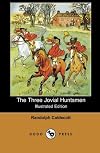
More of a poetic, than an illustrated book, this is written and illustrated by the originator of the Caldecott Awards for illustrations.
the text and illustrations are old and dated, but overall worth reading.
the text and illustrations are old and dated, but overall worth reading.
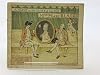
The sad story of Mrs Mary Blaize conveyed with some irony, 'at church, in silks ands satins new, with hoop of monstrous size, she never slumber'd in her pew', accompanied by excellent illustration in her crinoline
Lists
Awards

You May Also Like


Associated Authors
Statistics
- Works
- 74
- Also by
- 10
- Members
- 826
- Popularity
- #30,877
- Rating
- 3.7
- Reviews
- 23
- ISBNs
- 124