
Lawrence Norfolk
Author of Lemprière's Dictionary
About the Author
Image credit: The Daily(ish) Millbrook
Works by Lawrence Norfolk
Associated Works
Tagged
Common Knowledge
- Canonical name
- Norfolk, Lawrence
- Birthdate
- 1963-10-01
- Gender
- male
- Education
- King's College, London
- Occupations
- builder
barman
poetry reviewer
teacher
freelance writer - Awards and honors
- Granta's Best of Young British Novelists (1993)
- Agent
- Carole Blake (Blake Friedmann Literary Agency)
- Nationality
- UK
- Birthplace
- London, England, UK
- Places of residence
- Iraq
Chicago, Illinois, USA
London, England, UK - Associated Place (for map)
- London, England, UK
Members
Reviews
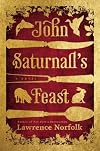
John Saturnall’s Feast is an odd but intriguing book. Richly sensuous language describes elaborate 17th century foods and every imaginable smell. Arcane vocabulary, possibly not used in print since Jacobean times, proliferates in these descriptions. The intricacies of food preparation in a great English castle of the period are on full and detailed display while we follow John’s life story. He spends childhood in an obscure village and later arrives in Sir William’s kitchen where his show more nose and his past win him favor with the slightly sinister Master Cook Scovell. Then the Cromwellian Civil War stirs up enough trouble to blur the social boundaries and bring John and Sir William’s daughter Lucretia into more contact than either of them would have imagined but for the extraordinary circumstances of the war’s deprivations and violence.
At the center of this mildly confusing narrative is John Saturnall, heir to an extraordinary sense of scent. He can identify all the ingredients of a complex sauce or spiced wine just by sniffing it. From where did he inherit this heightened olfactory sense? According to his mother, a mysterious wise-woman accused of being a witch, he and she are some of Saturnus’s people, who created a feast of all the fruits and foods of the earth, a feast eaten by all at a common table as equals. “We keep the feast for all in amity,” his mother tells him shortly before she dies of frost and starvation. John finds this a hard lesson to believe, having been driven out of the village by a crazed and hateful mob—how is he supposed to prepare a feast happily for the likes of such enemies? You may have guessed by now that there is more than a hint of allegory to this novel.
There are rewards to be gained as reader of this book. Norfolk’s website says he thinks “every book is a collaboration with the people that I imagine turning the pages…a dialogue with the reader.” You’ll need to collaborate with Norfolk, to work at interpreting—your part isn’t always easy—but there are gems to be gained and the story of John and Lucretia holds the reader’s interest. show less
At the center of this mildly confusing narrative is John Saturnall, heir to an extraordinary sense of scent. He can identify all the ingredients of a complex sauce or spiced wine just by sniffing it. From where did he inherit this heightened olfactory sense? According to his mother, a mysterious wise-woman accused of being a witch, he and she are some of Saturnus’s people, who created a feast of all the fruits and foods of the earth, a feast eaten by all at a common table as equals. “We keep the feast for all in amity,” his mother tells him shortly before she dies of frost and starvation. John finds this a hard lesson to believe, having been driven out of the village by a crazed and hateful mob—how is he supposed to prepare a feast happily for the likes of such enemies? You may have guessed by now that there is more than a hint of allegory to this novel.
There are rewards to be gained as reader of this book. Norfolk’s website says he thinks “every book is a collaboration with the people that I imagine turning the pages…a dialogue with the reader.” You’ll need to collaborate with Norfolk, to work at interpreting—your part isn’t always easy—but there are gems to be gained and the story of John and Lucretia holds the reader’s interest. show less
Lawrence Norfolk llevaba doce años sin publicar una novela, sin duda una larga espera para uno de los escritores con los que más he disfrutado. Ahí está ‘El diccionario de Lemprière’, una de mis novelas favoritas, que recomiendo encarecidamente.
‘El festín de John Saturnall’ es la cuarta y esperadísima novela de este autor británico. Es la historia de la lucha personal de un joven por abrirse camino en un mundo que se lo había puesto todo en contra. Pero también una historia show more de un amor lleno de dificultades. La historia transcurre en Inglaterra, en el siglo XVII, y el protagonista es John Saturnall, un cocinero que tuvo que huir junto con su madre, acusada de brujería. Entre las pertenencias más preciadas de su madre, se encuentra un libro que narra la historia de un antiguo festín mantenido en secreto durante generaciones. La trama se complicará cuando John llegué a Bucland Manor, la residencia de Sir William Fremantle, y de su hija Lady Lucretia. Resulta interesante que una novela histórica no tenga por protagonista a un soldado o tenga por escenario un ambiente de intrigas palaciegas. El mundo culinario está muy presente y realmente parece que estés entre fogones, utensilios y viandas. Como es habitual, Norfolk se ha documentado exhaustivamente y sabe transmitir con naturalidad todo tipo de gastronomía, de tal manera que a veces es inevitable salivar en según qué plato. El conflicto bélico, político y religioso iniciado por Oliver Cromwell, en esta época tan convulsa, donde primaban la venganza y las persecuciones, también tienen un papel importante en la trama.
Tengo sentimientos encontrados con esta nueva y esperada novela de Lawrence Norfolk. Hay momentos muy brillantes, pero el inicio se hace un tanto monótono, y el argumento sufre de continuos altibajos. Se nota que la cocina es importante en la trama, porque, como los buenos platos, esta se prepara a fuego lento. De igual manera, la novela no tiene la brillantez de los primeros dos libros, donde el ingenio, la imaginación, la erudición y la estructura eran inigualables. Sin ser una obra excepcional, sí creo que es una novela que merece la pena ser leída. show less
‘El festín de John Saturnall’ es la cuarta y esperadísima novela de este autor británico. Es la historia de la lucha personal de un joven por abrirse camino en un mundo que se lo había puesto todo en contra. Pero también una historia show more de un amor lleno de dificultades. La historia transcurre en Inglaterra, en el siglo XVII, y el protagonista es John Saturnall, un cocinero que tuvo que huir junto con su madre, acusada de brujería. Entre las pertenencias más preciadas de su madre, se encuentra un libro que narra la historia de un antiguo festín mantenido en secreto durante generaciones. La trama se complicará cuando John llegué a Bucland Manor, la residencia de Sir William Fremantle, y de su hija Lady Lucretia. Resulta interesante que una novela histórica no tenga por protagonista a un soldado o tenga por escenario un ambiente de intrigas palaciegas. El mundo culinario está muy presente y realmente parece que estés entre fogones, utensilios y viandas. Como es habitual, Norfolk se ha documentado exhaustivamente y sabe transmitir con naturalidad todo tipo de gastronomía, de tal manera que a veces es inevitable salivar en según qué plato. El conflicto bélico, político y religioso iniciado por Oliver Cromwell, en esta época tan convulsa, donde primaban la venganza y las persecuciones, también tienen un papel importante en la trama.
Tengo sentimientos encontrados con esta nueva y esperada novela de Lawrence Norfolk. Hay momentos muy brillantes, pero el inicio se hace un tanto monótono, y el argumento sufre de continuos altibajos. Se nota que la cocina es importante en la trama, porque, como los buenos platos, esta se prepara a fuego lento. De igual manera, la novela no tiene la brillantez de los primeros dos libros, donde el ingenio, la imaginación, la erudición y la estructura eran inigualables. Sin ser una obra excepcional, sí creo que es una novela que merece la pena ser leída. show less
John Sandall grows up with his mother, the village wise woman, during the reign of Charles I in the fictitious Vale of Buckland. With his mother labelled as a witch, they are forced to flee into the woods after several of the villagers, among them children, have died. During the following harsh winter out in the open, John's mother dies, and he is sent to the Manor of Buckland to be taken in by its owner, Sir William Fremantle. Ending up in the big house's kitchen, John is able to show more demonstrate that he is possessed of an extraordinary sense of smell. Thus begins his ascendancy from kitchen boy to Master Cook himself.
This is a strange concoction of a book which defies easy categorisation. So far I had only read Norfolk's Lemprière's Dictionary before (in a German translation) which I struggled to get on with and comprehend, so ambitious was its scope. John Saturnall's Feast, in contrast, still shows the author's ambition when it comes to scope (this is particularly evident when he talks about Bellicca's Feast and how its notion still reverberates down the centuries), yet it is so much more accessible. Each chapter is preceded by a short excerpt of John Saturnall's (fictitious) book and a recipe that often bears a connection to the events happening within the house or the larger world without. As we get to the narration as such, I was amazed to find that Lawrence Norfolk had waved a magic wand and transported me right into the middle of the plot, shivering in the freezing rain as a mute and invisible observer. He describes the hectic ant hill of the manor's enormous kitchen wing and the dishes they produce with the most sensuous language, so that I experienced the red, rough and chapped hands in the scullery, the din of the clattering pots and pans, the symphony of smells assaulting the nostrils and the delicate textures and tastes of the ingenious dishes myself. When John's mother reads to him from the book which describes the ancient Feast of Bellicca, John's hunger in the frosty woods is suppressed, yet I experienced the exact opposite whilst reading this book! The English Civil War makes a brief appearance in the book, but mostly the kitchen staff only experience the tumultuous times third hand through news sheets or the reports of passing drivers, the kitchens and the wider environment of the manor house and its gardens, ponds, orchards and fields constituting a sequestered and self-contained world in itself. This is no page-turner in the usual sense, yet I found it nearly impossible to put the book down, the pages turning as if by themselves, the slow-cooked plot following John from childhood to mature adulthood with a tender love story hidden therein. It contains a manifold of layers and allegories which will probably only emerge after repeated readings. I only have one minor criticism: I wish Lawrence Nofolk had found other adjectives to describe Charles I than just "sad-eyed". If I have counted correctly, it appears at least three times! Surely a writer of his calibre has got a wider vocabulary at his disposal; yet it is not enough to deter from the enjoyment of reading this novel and it still justly deserves its rating of five stars. This is a novel that has to be experienced, not read. Enjoy!
(This review was originally written as part of Amazon's Vine programme.) show less
This is a strange concoction of a book which defies easy categorisation. So far I had only read Norfolk's Lemprière's Dictionary before (in a German translation) which I struggled to get on with and comprehend, so ambitious was its scope. John Saturnall's Feast, in contrast, still shows the author's ambition when it comes to scope (this is particularly evident when he talks about Bellicca's Feast and how its notion still reverberates down the centuries), yet it is so much more accessible. Each chapter is preceded by a short excerpt of John Saturnall's (fictitious) book and a recipe that often bears a connection to the events happening within the house or the larger world without. As we get to the narration as such, I was amazed to find that Lawrence Norfolk had waved a magic wand and transported me right into the middle of the plot, shivering in the freezing rain as a mute and invisible observer. He describes the hectic ant hill of the manor's enormous kitchen wing and the dishes they produce with the most sensuous language, so that I experienced the red, rough and chapped hands in the scullery, the din of the clattering pots and pans, the symphony of smells assaulting the nostrils and the delicate textures and tastes of the ingenious dishes myself. When John's mother reads to him from the book which describes the ancient Feast of Bellicca, John's hunger in the frosty woods is suppressed, yet I experienced the exact opposite whilst reading this book! The English Civil War makes a brief appearance in the book, but mostly the kitchen staff only experience the tumultuous times third hand through news sheets or the reports of passing drivers, the kitchens and the wider environment of the manor house and its gardens, ponds, orchards and fields constituting a sequestered and self-contained world in itself. This is no page-turner in the usual sense, yet I found it nearly impossible to put the book down, the pages turning as if by themselves, the slow-cooked plot following John from childhood to mature adulthood with a tender love story hidden therein. It contains a manifold of layers and allegories which will probably only emerge after repeated readings. I only have one minor criticism: I wish Lawrence Nofolk had found other adjectives to describe Charles I than just "sad-eyed". If I have counted correctly, it appears at least three times! Surely a writer of his calibre has got a wider vocabulary at his disposal; yet it is not enough to deter from the enjoyment of reading this novel and it still justly deserves its rating of five stars. This is a novel that has to be experienced, not read. Enjoy!
(This review was originally written as part of Amazon's Vine programme.) show less
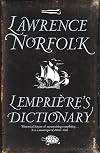
An extraordinary book in every sense - this one is a challenge both to read and to review. To start, how should we categorise it? It mixes so many genres - historical fiction, fantasy, classical allusions, grand conspiracy thriller, parody and even romance - a real postmodern mash-up.
I first heard of Norfolk several years ago when I read A.S. Byatt's book of literary criticism On Histories and Stories, in which she extolled him as one of the cleverest young writers around. This is probably show more the book she had most in mind, though The Pope's Rhinoceros is equally complex and ambitious.
Some of the pivotal events are real enough, the story of the East India Company, the siege of La Rochelle and the build-up to the French revolution, but the conceit of Norfolk's story is so outrageous that it can only be seen as a sort of self-parody. The two books it reminded me most of, for very different reasons, were Gravity's Rainbow and The Count of Monte Cristo.
The hero (or at least the pivotal character) is John Lemprière, a young scholar from Jersey whose primary interest is studying Greek and Roman classics. His story is interleaved with a grand conspiracy - in Norfolk's version of history the East India Company is almost ruined when its first expedition in 1600 comes back with a cargo of pepper which is worthless in London because the Dutch have flooded the market, and its investors are rescued by a shadowy "cabbala" of traders from the Huguenot free port of La Rochelle who are unable to trade with the East directly. Most of the action takes place in the 1780s, when their descendants draw Lemprière into their intrigues by staging reenactments of scenes from the classics, the first of which involves the grisly murder of his father by fox-hounds. They also persuade him to start writing a dictionary of classical mythology (this is also something real, as are some of Lemprière's biographical details).
The plot gets more and more complex, and veers further into the realms of fantasy, but Norfolk clearly loves the classics and has a fine command of arcane language. For all that, much of the book is quite readable and the storytelling is compulsive. show less
I first heard of Norfolk several years ago when I read A.S. Byatt's book of literary criticism On Histories and Stories, in which she extolled him as one of the cleverest young writers around. This is probably show more the book she had most in mind, though The Pope's Rhinoceros is equally complex and ambitious.
Some of the pivotal events are real enough, the story of the East India Company, the siege of La Rochelle and the build-up to the French revolution, but the conceit of Norfolk's story is so outrageous that it can only be seen as a sort of self-parody. The two books it reminded me most of, for very different reasons, were Gravity's Rainbow and The Count of Monte Cristo.
The hero (or at least the pivotal character) is John Lemprière, a young scholar from Jersey whose primary interest is studying Greek and Roman classics. His story is interleaved with a grand conspiracy - in Norfolk's version of history the East India Company is almost ruined when its first expedition in 1600 comes back with a cargo of pepper which is worthless in London because the Dutch have flooded the market, and its investors are rescued by a shadowy "cabbala" of traders from the Huguenot free port of La Rochelle who are unable to trade with the East directly. Most of the action takes place in the 1780s, when their descendants draw Lemprière into their intrigues by staging reenactments of scenes from the classics, the first of which involves the grisly murder of his father by fox-hounds. They also persuade him to start writing a dictionary of classical mythology (this is also something real, as are some of Lemprière's biographical details).
The plot gets more and more complex, and veers further into the realms of fantasy, but Norfolk clearly loves the classics and has a fine command of arcane language. For all that, much of the book is quite readable and the storytelling is compulsive. show less
Lists
Awards


You May Also Like


Associated Authors
Statistics
- Works
- 11
- Also by
- 7
- Members
- 2,809
- Popularity
- #9,141
- Rating
- 3.6
- Reviews
- 67
- ISBNs
- 104
- Languages
- 15
- Favorited
- 8