
Lane Moore
Author of How to Be Alone: If You Want To, and Even If You Don't
Works by Lane Moore
You Will Find Your People: How to Make Meaningful Friendships as an Adult (2023) 98 copies, 4 reviews
Tagged
Common Knowledge
- Gender
- female
Members
Reviews

A series of essays about Moore's life and the trauma she experienced growing up in an abusive family, then experiencing other abusive relationships and encounters.
From the title, I had expected something more like essays on a theme, whereas this book turned out to be more just a regular memoir, albeit with themes of loneliness and longing running through it. Moore's style is caustic, bitter, and authentic, and certain parts of it resonated strongly with me. On the other hand, Moore show more occasionally comes across as dismissive of people who may have experienced different sorts of trauma than she. I'd hesitate to recommend this, because I think Moore's narrative voice is not going to be for everyone. If you're intrigued, maybe read the first chapter and see if you like it. show less
From the title, I had expected something more like essays on a theme, whereas this book turned out to be more just a regular memoir, albeit with themes of loneliness and longing running through it. Moore's style is caustic, bitter, and authentic, and certain parts of it resonated strongly with me. On the other hand, Moore show more occasionally comes across as dismissive of people who may have experienced different sorts of trauma than she. I'd hesitate to recommend this, because I think Moore's narrative voice is not going to be for everyone. If you're intrigued, maybe read the first chapter and see if you like it. show less
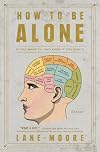
Beautifully written and sitting somewhere between memoir and self-help, which may turn some people off, but not to fear: there's no checklists or journaling exercises here, just some heartfelt messages from an author who wants her readers to love themselves.
This is what it's like to fumble your way through adulthood when you spent your childhood with dysfunctional, broken people who hurt you and blamed you for making them hurt you. Even when everything looks like you've got it all together show more and you can't help but think that if you were really that special, or even basically acceptable, your own parents would have liked you--right?--so you must just have fooled everyone.
In one section she talks about the self-help industry's obsession with telling traumatized people to stop blaming their abusive parents for abusing them; it was spot on and reminded me of my own review of one such book. The parts about seeking out unsafe partners and situations because they were familiar? Yep. The parts about having a broken fear response because you've already been through terrible things that somehow didn't kill you? Yep. The parts about not knowing how to remove yourself from an unsafe situation because honestly that's never been an option before and you hadn't even considered it? Yep.
It's hard to tell for me, having skimmed a bunch of the reviews, how many readers and reviewers are coming from a similar background. Maybe a few? Normally I focus on the negative reviews because that's how I learn quickly about whether or not I'll like something: for example, if there's a lot of 1 or 2 star reviews complaining that the book is obviously part of a SJW plot to destroy natural, god-given sex or race hierarchies, I know I'm going to love that book. You can learn a lot about a story by noting what people consistently complain about in it.
Here what I mostly see in the negative reviews, is a lot of people justifying Lane's fears about being honest about the burdens of this kind of childhood abuse, by being awful and derogatory not about the book, but about the author. It's the stigma and shame in action that keep most people from sharing these stories in action. It's really sad. show less
This is what it's like to fumble your way through adulthood when you spent your childhood with dysfunctional, broken people who hurt you and blamed you for making them hurt you. Even when everything looks like you've got it all together show more and you can't help but think that if you were really that special, or even basically acceptable, your own parents would have liked you--right?--so you must just have fooled everyone.
In one section she talks about the self-help industry's obsession with telling traumatized people to stop blaming their abusive parents for abusing them; it was spot on and reminded me of my own review of one such book. The parts about seeking out unsafe partners and situations because they were familiar? Yep. The parts about having a broken fear response because you've already been through terrible things that somehow didn't kill you? Yep. The parts about not knowing how to remove yourself from an unsafe situation because honestly that's never been an option before and you hadn't even considered it? Yep.
It's hard to tell for me, having skimmed a bunch of the reviews, how many readers and reviewers are coming from a similar background. Maybe a few? Normally I focus on the negative reviews because that's how I learn quickly about whether or not I'll like something: for example, if there's a lot of 1 or 2 star reviews complaining that the book is obviously part of a SJW plot to destroy natural, god-given sex or race hierarchies, I know I'm going to love that book. You can learn a lot about a story by noting what people consistently complain about in it.
Here what I mostly see in the negative reviews, is a lot of people justifying Lane's fears about being honest about the burdens of this kind of childhood abuse, by being awful and derogatory not about the book, but about the author. It's the stigma and shame in action that keep most people from sharing these stories in action. It's really sad. show less
Less a How to be Alone and more Why I Am Alone, the author chronicles her growing up with awful parents and dating awful people. It’s funny in the ironic way you’d expect from an Onion writer and made me very glad I never had to navigate dating the the digital age because it sounds dreadful.
Lane Moore is someone who has been hurt over and over, in ways very different from me and in some ways so similar it's scary. I waited for that final essay, the one that gives advice on being alone, and it hurt so much because I wanted it to have some epiphany or something I haven't heard before. But it's always the same: being with yourself is actually better than you think, you can [insert really depressing upside that isn't actually an upside if you don't want this thing]. I know, it's a show more matter of perspective, and maybe (probably, definitely) I'm just resisting something that needs to change in me
It also doesn't help that Lane Moore has an audience and professional connections, so her consolations are a lot more glamorous than the average user, and her access to people who can and would meet her needs is significantly larger than most people, despite how her trauma frames it. I'm of course happy for her that she has this recognition. But I'm not doing stand-up with David Cross or getting my music positively reviewed by Pitchfork. I can't visit a random city and text someone to come over and spend time with me when I'm feeling alone
So in the end, the advice of this book is this: be someone who is talented and get recognition, so that the paltry advice your therapist gives you will feel better in context show less
It also doesn't help that Lane Moore has an audience and professional connections, so her consolations are a lot more glamorous than the average user, and her access to people who can and would meet her needs is significantly larger than most people, despite how her trauma frames it. I'm of course happy for her that she has this recognition. But I'm not doing stand-up with David Cross or getting my music positively reviewed by Pitchfork. I can't visit a random city and text someone to come over and spend time with me when I'm feeling alone
So in the end, the advice of this book is this: be someone who is talented and get recognition, so that the paltry advice your therapist gives you will feel better in context show less
You May Also Like


Statistics
- Works
- 3
- Members
- 361
- Popularity
- #66,479
- Rating
- 3.6
- Reviews
- 13
- ISBNs
- 11