
Wesley Hill
Author of Washed and Waiting: Reflections on Christian Faithfulness and Homosexuality
About the Author
Wesley Hill is assistant professor of biblical studies at Trinity School for Ministry in Ambridge, Pennsylvania, and a regular columnist for Christianity Today. He is also the author of Washed and Waiting: Reflections on Christian Faithfulness and Homosexuality.
Works by Wesley Hill
Washed and Waiting: Reflections on Christian Faithfulness and Homosexuality (2010) 587 copies, 6 reviews
Spiritual Friendship: Finding Love in the Church as a Celibate Gay Christian (2015) 220 copies, 2 reviews
Our Father In Heaven 1 copy
Associated Works
Costly Obedience: What We Can Learn from the Celibate Gay Christian Community (2019) — Foreword — 54 copies, 2 reviews
Tagged
Common Knowledge
- Gender
- male
- Education
- Wheaton College, Illinois (BA), 2004
Durham University (MA), 2008
Bethlehem College and Seminary (MA|Biblical and Pastoral Studies), 2012
Durham University (PhD), 2012 - Occupations
- Assistant Professor of Biblical Studies, Trinity School for Ministry
- Nationality
- USA
- Associated Place (for map)
- USA
Members
Reviews
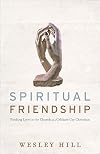
Wesley Hill self identifies as a gay, celibate Christian. That is, he is same-sex attracted but his theological convictions preclude him from joining in a romantic, sexual partnership with another man. His early book, Washed and Waiting (Zondervan, 2010) tells of his journey of seeking to follow God with his Christian faith and sexual orientation in tension. In his new book, Spiritual Friendship: Finding Love in the Church as a Celibate Gay Christian, he explores the importance of friendship show more in the Christian life, especially for those in the LGBT community. Hill is bookish and thoughtful. He is also vulnerable about his struggles to form deep non-sexual friendships with other men. Despite the heartache he feels in pursuing the ideal of Christian friendship, he sees it as a gift to gay Christians. And us all.
This is a short book, consisting of six chapters, divided into two parts. In part one, 'Reading Friendship', Hill explores the necessity of friendship in the Christian life. Chapter one explores some of the ways that friendship has been marginalized and eclipsed in contemporary culture (6). Hill weaves together a narrative of himself naming his need of friends (on the eve of his confirmation) with theological reflections from Benjamin Myers, C.S. Lewis and seveal literary references. As a gay Christian, he feels the need for friendships acutely but the lack of cultural space for friendships impoverishes everyone.
Chapter two explores deeper the special dispensation of friendship and the cultural history of it. Hill points to Bethge and Bonhoeffer's friendship and how they saw how fragile friendship was and the ways it was not recognized by others (25). A later readings of Bethge and Bonhoeffer's relationship claim that it was 'really a homosexual partnership'. Whatever the nature of that relationship (text and subtext), it does speak volumes that later audiences can't conceive of such a close, male friendship without speculating about their sexuality (25,26). Hill delves into the Christian tradition, exploring the insights on Spiritual Friendship in the writings of twelfth century Cistercian, Aelred of Rievaulx. Aelred wrote On Spiritual Friendship (which this book's title alludes to) and described the value and same-sex, celibate friendships with the context of monastic life. And of course C.S. Lewis's reflections on love, friendship (and homosexuality) are woven through these chapters. Chapter three explores the language of friendship (and family) in the New Testament.
Part two explores the practical side of 'living friendship.' Chapter four describes some of the challenges to developing friendships (especially the challenges to those who are same-sex attracted). Chapter five discusses suffering in love and relates a particular difficult loss of a friendship for Hill (when a heterosexual friend got engaged). Chapter six gives six concrete suggestions for recovering friendship as a Christian discipline:
1. Admit our need for friends.
2. Start renewing the practice of friendship with the friends we have (not the idealized friendships we want).
3. Remind ourselves that friendship flourishes best in community.
4. Realize that friendships strengthen communities.
5. Imagine specific ways friendships are doorways to the practice of hospitality and welcoming the stranger.
6. Look for ways to avoid the lure of mobility--staying put and investing in relationships with people where you are.
It should be evident from this list that Hill sees the importance of friendship for everyone. It would be impossible to read this book and not feel the call to deeper friendships. Hill is realistic on both the joys and sorrow, blessings and difficulties involved in cultivating friendships. Hill is in tune with how his sexual orientation informs his call to friendship, "I want to explore the way my same-sex attractions are inescapably bound with my gift and calling to friendship. My question, at root, is how I can steward and sanctify my homosexual orientation in such a way that it can be a doorway to blessing and grace"(79). He also writes, "My being gay and saying no to gay sex may lead me to more of a friend, not less"(81).
This is a great book for the way it roots the challenges and blessings of friendship in Hill's own experience as a gay Christian. Too often sex is seen as the ultimate expression of human love, leaving those who are celibate (by choice or circumstance) feeling less than human. I think many traditional Christian apologetic of marriage and heterosexual love are pastorally insensitive on this point, describing the virtues of marital love as God's design but declaring it off-limits to gay people. Hill presents a vision of friendship that is not 'second best' but considers orientation, vocation and love together. This commendation to friendship is not a 'less-than' proposition but is every bit as life-giving and challenging as marital vows. Those of us who hold to a more traditional stance on marriage need to have this sort of compelling alternative to offer to those who don't have that option.
But this is not a book about gay friendships as the subtitle implies. This is a book about friendship. Hill thinks through the implications from his own perspective as a gay and celibate Christian, but friendship is necessary for us all to thrive in our Christian life whether we be single, married, gay or straight. There is so much here! I give this book five stars. ★★★★★
Notice of material connection: I received this book from Brazos Press in exchange for my honest review. show less
This is a short book, consisting of six chapters, divided into two parts. In part one, 'Reading Friendship', Hill explores the necessity of friendship in the Christian life. Chapter one explores some of the ways that friendship has been marginalized and eclipsed in contemporary culture (6). Hill weaves together a narrative of himself naming his need of friends (on the eve of his confirmation) with theological reflections from Benjamin Myers, C.S. Lewis and seveal literary references. As a gay Christian, he feels the need for friendships acutely but the lack of cultural space for friendships impoverishes everyone.
Chapter two explores deeper the special dispensation of friendship and the cultural history of it. Hill points to Bethge and Bonhoeffer's friendship and how they saw how fragile friendship was and the ways it was not recognized by others (25). A later readings of Bethge and Bonhoeffer's relationship claim that it was 'really a homosexual partnership'. Whatever the nature of that relationship (text and subtext), it does speak volumes that later audiences can't conceive of such a close, male friendship without speculating about their sexuality (25,26). Hill delves into the Christian tradition, exploring the insights on Spiritual Friendship in the writings of twelfth century Cistercian, Aelred of Rievaulx. Aelred wrote On Spiritual Friendship (which this book's title alludes to) and described the value and same-sex, celibate friendships with the context of monastic life. And of course C.S. Lewis's reflections on love, friendship (and homosexuality) are woven through these chapters. Chapter three explores the language of friendship (and family) in the New Testament.
Part two explores the practical side of 'living friendship.' Chapter four describes some of the challenges to developing friendships (especially the challenges to those who are same-sex attracted). Chapter five discusses suffering in love and relates a particular difficult loss of a friendship for Hill (when a heterosexual friend got engaged). Chapter six gives six concrete suggestions for recovering friendship as a Christian discipline:
1. Admit our need for friends.
2. Start renewing the practice of friendship with the friends we have (not the idealized friendships we want).
3. Remind ourselves that friendship flourishes best in community.
4. Realize that friendships strengthen communities.
5. Imagine specific ways friendships are doorways to the practice of hospitality and welcoming the stranger.
6. Look for ways to avoid the lure of mobility--staying put and investing in relationships with people where you are.
It should be evident from this list that Hill sees the importance of friendship for everyone. It would be impossible to read this book and not feel the call to deeper friendships. Hill is realistic on both the joys and sorrow, blessings and difficulties involved in cultivating friendships. Hill is in tune with how his sexual orientation informs his call to friendship, "I want to explore the way my same-sex attractions are inescapably bound with my gift and calling to friendship. My question, at root, is how I can steward and sanctify my homosexual orientation in such a way that it can be a doorway to blessing and grace"(79). He also writes, "My being gay and saying no to gay sex may lead me to more of a friend, not less"(81).
This is a great book for the way it roots the challenges and blessings of friendship in Hill's own experience as a gay Christian. Too often sex is seen as the ultimate expression of human love, leaving those who are celibate (by choice or circumstance) feeling less than human. I think many traditional Christian apologetic of marriage and heterosexual love are pastorally insensitive on this point, describing the virtues of marital love as God's design but declaring it off-limits to gay people. Hill presents a vision of friendship that is not 'second best' but considers orientation, vocation and love together. This commendation to friendship is not a 'less-than' proposition but is every bit as life-giving and challenging as marital vows. Those of us who hold to a more traditional stance on marriage need to have this sort of compelling alternative to offer to those who don't have that option.
But this is not a book about gay friendships as the subtitle implies. This is a book about friendship. Hill thinks through the implications from his own perspective as a gay and celibate Christian, but friendship is necessary for us all to thrive in our Christian life whether we be single, married, gay or straight. There is so much here! I give this book five stars. ★★★★★
Notice of material connection: I received this book from Brazos Press in exchange for my honest review. show less
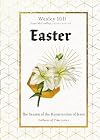
Summary: Explores the history and significance of Easter, not only as a day but as a season of celebration of the resurrection of Jesus.
“He is risen!” “He is risen indeed”
This call and response captures the incredible news of Easter, that the crucified One lives, that death is defeated, and in Him, we live. Yet, amid our flurry of Easter finery and family gatherings, the words lose their import. There is even a danger that they will become “ho-hum.”
That’s why the reading of show more Wesley Hill’s Easter was so good for me. Hill explores the history, traditions and significance of our Eastertide celebrations. And did you notice I said “Eastertide”? Easter isn’t one day of celebration after the forty days of Lent. It is a season of fifty days, filled with the appearances of the risen Lord, his restorative and commissioning work with the apostles, his ascension, culminating in Pentecost. In sum, it is a season of celebration and in this slim volume, Wesley Hill walks us through that season.
He begins with the Easter Vigils some churches hold where believers gather in the darkness of waiting. New believers are baptized, and then with the rising of the sun, the proclamation “He is risen!” rings forth to the accompaniment of noisemakers. Let the celebrations begin!
Hill takes us back to the first Easter and to the resurrection appearances, first to Mary and the other women, to most of the gathered disciple, then to Thomas, and finally the lakeside restoration of Peter, the repentant betrayer. He then explores the implication of the resurrection, that “we shall also live with Him.” He reminds us of our baptism, the picture of cleansing, dying, and resurrection as an ongoing reality into which we live. Hill delves into the history of how Easter became one of the “moveable feasts” of the church and all the ways saints have celebrated it. Hill then recounts how the proclamation of the resurrection has turned the world upside down throughout history.
Finally, the concluding chapters reflect on the significance of the Ascension and Pentecost. He notes how we’ve neglected the meaning of the Ascension. In ascending, the risen Lord takes up his rule over all things. Not only that, but as the Incarnate lord, he presents our humanity to the Father, going before us. Then, in Pentecost, we celebrate that Jesus has kept his promise to always be with us. He sends his Holy Spirit to indwell and empower us.
This slim volume makes for perfect devotional reading for Eastertide. Hill combines story with historical and theological reflection. And he invites us into a celebration lasting not one day but fifty. Most of all, he reminds us of how the awesome event of the resurrection turns the world upside down.
____________________
Disclosure of Material Connection: I received a complimentary copy of this book from the publisher for review. show less
“He is risen!” “He is risen indeed”
This call and response captures the incredible news of Easter, that the crucified One lives, that death is defeated, and in Him, we live. Yet, amid our flurry of Easter finery and family gatherings, the words lose their import. There is even a danger that they will become “ho-hum.”
That’s why the reading of show more Wesley Hill’s Easter was so good for me. Hill explores the history, traditions and significance of our Eastertide celebrations. And did you notice I said “Eastertide”? Easter isn’t one day of celebration after the forty days of Lent. It is a season of fifty days, filled with the appearances of the risen Lord, his restorative and commissioning work with the apostles, his ascension, culminating in Pentecost. In sum, it is a season of celebration and in this slim volume, Wesley Hill walks us through that season.
He begins with the Easter Vigils some churches hold where believers gather in the darkness of waiting. New believers are baptized, and then with the rising of the sun, the proclamation “He is risen!” rings forth to the accompaniment of noisemakers. Let the celebrations begin!
Hill takes us back to the first Easter and to the resurrection appearances, first to Mary and the other women, to most of the gathered disciple, then to Thomas, and finally the lakeside restoration of Peter, the repentant betrayer. He then explores the implication of the resurrection, that “we shall also live with Him.” He reminds us of our baptism, the picture of cleansing, dying, and resurrection as an ongoing reality into which we live. Hill delves into the history of how Easter became one of the “moveable feasts” of the church and all the ways saints have celebrated it. Hill then recounts how the proclamation of the resurrection has turned the world upside down throughout history.
Finally, the concluding chapters reflect on the significance of the Ascension and Pentecost. He notes how we’ve neglected the meaning of the Ascension. In ascending, the risen Lord takes up his rule over all things. Not only that, but as the Incarnate lord, he presents our humanity to the Father, going before us. Then, in Pentecost, we celebrate that Jesus has kept his promise to always be with us. He sends his Holy Spirit to indwell and empower us.
This slim volume makes for perfect devotional reading for Eastertide. Hill combines story with historical and theological reflection. And he invites us into a celebration lasting not one day but fifty. Most of all, he reminds us of how the awesome event of the resurrection turns the world upside down.
____________________
Disclosure of Material Connection: I received a complimentary copy of this book from the publisher for review. show less
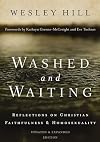
Summary: An updated narrative of a celibate, gay Christian man, including thoughts about the recovery of the place of celibacy and the importance of spiritual friendship.
Wesley Hill was one of the first to articulate a distinctive perspective in discussions on homosexuality and Christian faith. At a time when people on one side were simply advocating against same-sex intimacy, and for ministries helping gay and lesbian persons develop opposite sex attractions, and those on the other side show more were affirming LGBT persons in their identities and choices of who they would love, Hill took a different stance. He admitted that he was attracted to men and self identified as gay in orientation, but that as a Christian he was committed to a celibate life, the only option he believed open to him.
When Washed and Waiting was first published in 2010, it gained a great deal of notice for its honest and painful narrative of Hill's growing awareness that there was something "different" about him, even as he also became aware of God's call to ministry. He narrates how hard it was to "come out" to a trusted professor who responded with grace, and connected him with a counselor who began to help him sort out what to do with this. He learned the importance of having people in his life wherever he went who knew his story and were willing to share his journey. He describes the peculiar sense of loneliness and shame he believes many LGBT people feel, even while seeking, and often finding community.
In the original work, he explains why, not seeing a change in orientation likely for him, he chooses celibacy. For him, it is not just the prohibitions, which he believes are clear, but also the larger story of creation, fall, and redemption he finds himself in, and the place given to marriage in that story. He also sees his own condition as emblematic of life between the already and the not yet, where we are washed in the waters of baptism (1 Corinthians 6), but living in what can be the painful tension of embodied life touched by the fall, waiting for the redemption of those bodies spoken of in Romans 8.
He punctuates his story with vignettes of Henri Nouwen and the poet priest Gerard Manley Hopkins, both who experienced homosexual attractions and chose celibate lives. One has a sense in reading of both the real pain these men knew, and yet the real gift their lives became as they lived within the washed and waiting tension.
Hill's afterword takes on the challenge of his critics of writing such things as a young man with much life ahead. In "Washed and Still Waiting" we hear more mature reflections ten years after the original manuscript. Hill's focus is on the celibate call. He contends first, in a society where you are thought not to be fulfilled without sexual intimacy, for restoring the dignity of the celibate calling, noting the biblical commendation of celibacy including the examples of Jesus and Paul as well the honorable instances of celibacy in church history. He also thinks there needs to be frank discussion of stewarding one's sexuality while refraining from sexual intimacy. Finally, he discusses the importance for the celibate of living in community, and enjoy within that "spiritual friendship" (an idea he develops more fully in his book Spiritual Friendship, also reviewed on this blog [https://bobonbooks.com/2015/06/09/review-spiritual-friendship/]).
Hill's work is helpful in several ways. He helps us understand something of the journey of gay persons -- the unsettling awareness, feelings of loneliness and shame, "coming out," and growing in a Christ-shaped acceptance of himself. It strikes me that his was an instance where Christians around him got it right, lavishing grace rather than shame, and giving him the space to come to his own convictions within caring, yet hardly perfect communities which is the most any of us gets. Finally, he challenges us with the reality of the struggle any of us faces who truly tries to live into the tension of the already and the not yet--those of us who refuse the Christian success dreams of white suburbia and the prosperity gospel. He writes:
"More and more, I have the sense that what many of us need is a new conception of our perseverance in faith. We need to reimagine ourselves and our struggles. The temptation for me is to look at my bent and broken sexuality and conclude that, with it, I will never be able to please God, to walk in a manner worthy of his calling, to hear his praise. But what if I had a conception of God-glorifying faith, holiness, and righteousness that included within it a profound element of struggle and stumbling? What if I were to view my sexual orientation, temptations, and occasional failures not as damning disqualifications for living a Christian life but rather as part and parcel of what it means to live by faith in a world that is fallen and scarred by sin and death."
While I do not share Hill's sexual orientation, I identify with every other word in this paragraph. Who of us cannot, if we are honest with ourselves and before God? The calling Hill speaks of here is both gift and challenge to us all, and the only way for any of us to life. We stand together, washed and waiting. show less
Wesley Hill was one of the first to articulate a distinctive perspective in discussions on homosexuality and Christian faith. At a time when people on one side were simply advocating against same-sex intimacy, and for ministries helping gay and lesbian persons develop opposite sex attractions, and those on the other side show more were affirming LGBT persons in their identities and choices of who they would love, Hill took a different stance. He admitted that he was attracted to men and self identified as gay in orientation, but that as a Christian he was committed to a celibate life, the only option he believed open to him.
When Washed and Waiting was first published in 2010, it gained a great deal of notice for its honest and painful narrative of Hill's growing awareness that there was something "different" about him, even as he also became aware of God's call to ministry. He narrates how hard it was to "come out" to a trusted professor who responded with grace, and connected him with a counselor who began to help him sort out what to do with this. He learned the importance of having people in his life wherever he went who knew his story and were willing to share his journey. He describes the peculiar sense of loneliness and shame he believes many LGBT people feel, even while seeking, and often finding community.
In the original work, he explains why, not seeing a change in orientation likely for him, he chooses celibacy. For him, it is not just the prohibitions, which he believes are clear, but also the larger story of creation, fall, and redemption he finds himself in, and the place given to marriage in that story. He also sees his own condition as emblematic of life between the already and the not yet, where we are washed in the waters of baptism (1 Corinthians 6), but living in what can be the painful tension of embodied life touched by the fall, waiting for the redemption of those bodies spoken of in Romans 8.
He punctuates his story with vignettes of Henri Nouwen and the poet priest Gerard Manley Hopkins, both who experienced homosexual attractions and chose celibate lives. One has a sense in reading of both the real pain these men knew, and yet the real gift their lives became as they lived within the washed and waiting tension.
Hill's afterword takes on the challenge of his critics of writing such things as a young man with much life ahead. In "Washed and Still Waiting" we hear more mature reflections ten years after the original manuscript. Hill's focus is on the celibate call. He contends first, in a society where you are thought not to be fulfilled without sexual intimacy, for restoring the dignity of the celibate calling, noting the biblical commendation of celibacy including the examples of Jesus and Paul as well the honorable instances of celibacy in church history. He also thinks there needs to be frank discussion of stewarding one's sexuality while refraining from sexual intimacy. Finally, he discusses the importance for the celibate of living in community, and enjoy within that "spiritual friendship" (an idea he develops more fully in his book Spiritual Friendship, also reviewed on this blog [https://bobonbooks.com/2015/06/09/review-spiritual-friendship/]).
Hill's work is helpful in several ways. He helps us understand something of the journey of gay persons -- the unsettling awareness, feelings of loneliness and shame, "coming out," and growing in a Christ-shaped acceptance of himself. It strikes me that his was an instance where Christians around him got it right, lavishing grace rather than shame, and giving him the space to come to his own convictions within caring, yet hardly perfect communities which is the most any of us gets. Finally, he challenges us with the reality of the struggle any of us faces who truly tries to live into the tension of the already and the not yet--those of us who refuse the Christian success dreams of white suburbia and the prosperity gospel. He writes:
"More and more, I have the sense that what many of us need is a new conception of our perseverance in faith. We need to reimagine ourselves and our struggles. The temptation for me is to look at my bent and broken sexuality and conclude that, with it, I will never be able to please God, to walk in a manner worthy of his calling, to hear his praise. But what if I had a conception of God-glorifying faith, holiness, and righteousness that included within it a profound element of struggle and stumbling? What if I were to view my sexual orientation, temptations, and occasional failures not as damning disqualifications for living a Christian life but rather as part and parcel of what it means to live by faith in a world that is fallen and scarred by sin and death."
While I do not share Hill's sexual orientation, I identify with every other word in this paragraph. Who of us cannot, if we are honest with ourselves and before God? The calling Hill speaks of here is both gift and challenge to us all, and the only way for any of us to life. We stand together, washed and waiting. show less
I will be recommending Spiritual Friendship to everyone I meet, whether they're married or single or something in between. His message is so, so important, and his prose just so happens to be lovely and easy on the eyes, even for someone like me who struggles with nonfiction.
Where Hill really succeeds is his unique writing approach. Most of the expository nonfiction I've read projects contagious confidence; the author has done all the research and means to answer every question in one fell show more swoop. You're meant to come away with a concrete sense of what you had wrong and what you should change. For better or worse, Wesley Hill does not do that.
Instead of confidence, Hill feeds you passion and empathy. Stories, from his own life as well as the lives of historic Christians, pad out his argument regarding the issue of loneliness and the hope of friendship. And then, when he's convinced you to care, he gives you a direction to explore and lets your hand go. Maybe this will infuriate some people, but I find that it accomplishes Hill's goal perfectly, whether he meant it to or not. Perhaps Hill doesn't give us all the answers because he wants us to go out into community and figure it out with others. Perhaps, instead of getting annoyed that he didn't address every question, we're meant to call up a friend and ask them to help puzzle out an answer.
It's a romantic notion, I know, but I just sincerely appreciate how Hill connects form and function so elegantly. And I love the idea of a book about friendship that forces you to talk to others. show less
Where Hill really succeeds is his unique writing approach. Most of the expository nonfiction I've read projects contagious confidence; the author has done all the research and means to answer every question in one fell show more swoop. You're meant to come away with a concrete sense of what you had wrong and what you should change. For better or worse, Wesley Hill does not do that.
Instead of confidence, Hill feeds you passion and empathy. Stories, from his own life as well as the lives of historic Christians, pad out his argument regarding the issue of loneliness and the hope of friendship. And then, when he's convinced you to care, he gives you a direction to explore and lets your hand go. Maybe this will infuriate some people, but I find that it accomplishes Hill's goal perfectly, whether he meant it to or not. Perhaps Hill doesn't give us all the answers because he wants us to go out into community and figure it out with others. Perhaps, instead of getting annoyed that he didn't address every question, we're meant to call up a friend and ask them to help puzzle out an answer.
It's a romantic notion, I know, but I just sincerely appreciate how Hill connects form and function so elegantly. And I love the idea of a book about friendship that forces you to talk to others. show less
You May Also Like


Associated Authors
Statistics
- Works
- 8
- Also by
- 1
- Members
- 1,015
- Popularity
- #25,389
- Rating
- 4.4
- Reviews
- 10
- ISBNs
- 17
- Languages
- 1