
Ba Jin (1904–2005)
Author of Family
About the Author
Disambiguation Notice:
Chinese: 李尧棠 Li Yaotang (1904-2005), Chinese author; used pen name of Ba Jin (巴金, also Pa Chin). Ba Jin was also an Esperantist and adopted the Esperanto name Bakin, which is used for all Esperanto versions of his novels. However, as Bakin is also the surname of other writers represented on LibraryThing, please do not combine that author page with this. Thank you.
Series
Works by Ba Jin
Aŭtuno en La Printempo 4 copies
Living Amongst Heroes 2 copies
Yang, el boig 1 copy
家 (下) (岩波文庫) 1 copy
家/经典名著深度导读 1 copy
A Battle or Life 1 copy
Fa de gu shi 1 copy
Nopți reci 1 copy
Nuit glacée: roman 1 copy
Star 1 copy
Associated Works
Tagged
Common Knowledge
- Canonical name
- Ba Jin
- Legal name
- 李堯棠
Li Yaotang (English) - Other names
- Feigan (courtesy name)
Li Fei-Kan (pseudonym)
Li Pei-Kan (pseudonym)
Pa Kin (pseudonym) - Birthdate
- 1904-11-25
- Date of death
- 2005-10-17
- Gender
- male
- Education
- Chengdu Foreign Language Specialist School (English)
Southeast University (1927) - Occupations
- novelist
Vice-President (Chinese Esperanto League) - Organizations
- American Academy of Arts and Letters (Foreign Honorary ∙ Literature ∙ 1985)
Equality Society - Awards and honors
- Fukuoka Asian Culture Prize (1990)
- Nationality
- China
- Birthplace
- Chengdu, Sichuan, China
- Place of death
- Shanghai, China
- Disambiguation notice
- Chinese: 李尧棠 Li Yaotang (1904-2005), Chinese author; used pen name of Ba Jin (巴金, also Pa Chin). Ba Jin was also an Esperantist and adopted the Esperanto name Bakin, which is used for all Esperanto versions of his novels. However, as Bakin is also the surname of other writers represented on LibraryThing, please do not combine that author page with this. Thank you.
- Associated Place (for map)
- China
Members
Reviews
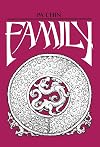
gonna be so for real i think i'm like the rare person in my class who actually kind of didn't hate this book. YES it is CONFUSING and i'm not sure i have any idea who is who at all i have literally no idea who the cousins are and half the time i mixed the brothers up when they were called by their names and not just "__ Brother" but there were some moments when i was like okay so this isn't that bad. sure it deals with revolutionary chinese era problems that i don't necessarily get a century show more later and sure it's just DEPRESSING! but also i was kind of invested. don't know why. i don't do family sagas at all (i read ken follett's when i was a kid and immediately decided never to again anyway uhh yeah time to write a forums reaction post on this book sigh show less

Tracta del pas de l'època medieval a la modernitat a la Xina exemplificat en una família de classe alta. Les ànsies de llibertat topen amb el conservadorisme extrem que porta a acceptar la tradició com a una de les màximes autoritats juntament amb la del cap de família. També exemplifica molt bé l'estructura familiar xinesa de l'època.
El llibre és molt il·lustratiu d'un temps de la història xinesa, de la manera de viure, dels valors imperants. La traducció i les notes de la show more traductora són boníssimes per situar-te. El ritme del llibre també m'ha semblat xinès, contemplatiu en alguns aspectes. És un bon llibre per conèixer la Xina, més que per l'argument en si. show less
El llibre és molt il·lustratiu d'un temps de la història xinesa, de la manera de viure, dels valors imperants. La traducció i les notes de la show more traductora són boníssimes per situar-te. El ritme del llibre també m'ha semblat xinès, contemplatiu en alguns aspectes. És un bon llibre per conèixer la Xina, més que per l'argument en si. show less
Describes about three years in the life of a wealthy family in China during the early 1920s. Main character Chueh-hui finds himself increasingly stifled and dissatisfied with traditional family life, particularly with the rigid structure and the costs incurred by innocent youth. Translation seems a bit stiff, though perhaps this is a reflection of the style of the original.
Lists
Awards

You May Also Like


Associated Authors
Statistics
- Works
- 52
- Also by
- 1
- Members
- 735
- Popularity
- #34,565
- Rating
- 3.7
- Reviews
- 5
- ISBNs
- 150
- Languages
- 9
- Favorited
- 5