
Elizabeth Spires
Author of The Mouse of Amherst
About the Author
Image credit: Poems Out Loud
Works by Elizabeth Spires
Boardwalk 2 copies
Associated Works
Poetry Speaks Expanded: Hear Poets Read Their Own Work from Tennyson to Plath (2007) — Contributor — 158 copies, 2 reviews
You Don't Have to Be Everything: Poems for Girls Becoming Themselves (2021) — Contributor — 87 copies, 2 reviews
The Poets' Grimm: 20th Century Poems from Grimm Fairy Tales (2003) — Contributor — 70 copies, 1 review
Tagged
Common Knowledge
- Birthdate
- 1952-05-28
- Gender
- female
- Awards and honors
- Amy Lowell Travelling Fellowship in Poetry (1986-1987)
Whiting Writers' Award (1996) - Relationships
- Bell, Madison Smartt (husband)
- Birthplace
- Lancaster, Ohio, USA
- Associated Place (for map)
- Ohio, USA
Members
Reviews
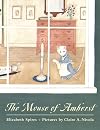
The only way this book could be more adorable is if it were also a stuffed animal.
The main character mouse in question is so flippin' cute, I found myself wishing this book were a stuffed animal, or at least came along with one so you could hug it while you were reading and maybe ask if it was ready for you to turn the page yet.
Wow. It's official. If a book is charming enough, it will turn me into a blithering idiot.
Anyway. Although the delicately expressive line drawings of Claire A. Nivola show more would have sufficed to win me over, Elizabeth Spires' story is outstanding. At one point, I was howling with laughter. (I'll tell you which point in a minute.)
Emmaline is a well-bred but adventurous mouse who moves into a New England house. She soon realizes that she is sharing a chamber with a most unusual housemate: Emily Dickinson.
Dickinson teaches Emmaline to love poetry and even to turn her paw to versification herself. These two shy, mischievous, nature-loving creatures communicate by leaving one another poems on bits of paper placed where no one else will find them.
Dickinson favors helpless mice over marauding cats (a fancy supported by her verse as well as by her niece's recollections), and keeps Emmaline safe from harm. In exchange, Emmaline is fiercely loyal to her dear Emily. When writer/editor Thomas Wentworth Higginson pays a visit and doesn't properly appreciate the genius of Dickinson's work, Emmaline is so furious she knocks a vase over, "missing him by a hair."
That's when I laughed. The ferocious expression the artist gives Emmaline's usually delicate features on this page is worth the price of the book, even if the rest of it weren't absolutely wonderful. The good news? It is.
Emily and Emmaline are loyal, loving friends; but eventually Emmaline realizes that it's time for her to make a choice:
I saw I must decide once and for all whether to leave the Dickinsons' – as Emily never would. For although she was content with her life's "circumference," narrow but infinitely deep, I felt stirred to see more of life.
I love that the author references the geographical smallness of Dickinson's existence while also acknowledging that this was what Dickinson had chosen, and what she needed in order to work – and her work was her life.
I'm also deeply impressed that the poetry Emmaline writes doesn't present as mediocre next to Dickinson's verse, but in fact is so good that at one point I had to check and see if one of Emmaline's poems wasn't actually one of Dickinson's.
I'm still in the middle of my Dickinson research, so I'm not sure what tragedy of ED's life Spires is referring to when she has Dickinson reacting with great agitation to the arrival of a letter. (Nerd outburst: I think it might be the death of Judge Otis Lord, but in this book ED's father is still alive when the letter arrives, and in real life Mr. Dickinson had died before Lord, who loved and was loved by Dickinson, passed on.) But the scene is beautifully handled, and shows a tender friendship between mouse and poet. After Emily falls asleep at her writing desk, Emmaline composes a lovely poem to console her, then carefully extinguishes the candle (another adorable illustration).
The next time you're at the library, check this book out and treat yourself to 15 minutes of absolute delight. Even if you've never been especially interested in Dickinson, or poetry, or mice, this book is irresistible – and it's a terrific introduction to the life and work of the great poet of Amherst. show less
The main character mouse in question is so flippin' cute, I found myself wishing this book were a stuffed animal, or at least came along with one so you could hug it while you were reading and maybe ask if it was ready for you to turn the page yet.
Wow. It's official. If a book is charming enough, it will turn me into a blithering idiot.
Anyway. Although the delicately expressive line drawings of Claire A. Nivola show more would have sufficed to win me over, Elizabeth Spires' story is outstanding. At one point, I was howling with laughter. (I'll tell you which point in a minute.)
Emmaline is a well-bred but adventurous mouse who moves into a New England house. She soon realizes that she is sharing a chamber with a most unusual housemate: Emily Dickinson.
Dickinson teaches Emmaline to love poetry and even to turn her paw to versification herself. These two shy, mischievous, nature-loving creatures communicate by leaving one another poems on bits of paper placed where no one else will find them.
Dickinson favors helpless mice over marauding cats (a fancy supported by her verse as well as by her niece's recollections), and keeps Emmaline safe from harm. In exchange, Emmaline is fiercely loyal to her dear Emily. When writer/editor Thomas Wentworth Higginson pays a visit and doesn't properly appreciate the genius of Dickinson's work, Emmaline is so furious she knocks a vase over, "missing him by a hair."
That's when I laughed. The ferocious expression the artist gives Emmaline's usually delicate features on this page is worth the price of the book, even if the rest of it weren't absolutely wonderful. The good news? It is.
Emily and Emmaline are loyal, loving friends; but eventually Emmaline realizes that it's time for her to make a choice:
I saw I must decide once and for all whether to leave the Dickinsons' – as Emily never would. For although she was content with her life's "circumference," narrow but infinitely deep, I felt stirred to see more of life.
I love that the author references the geographical smallness of Dickinson's existence while also acknowledging that this was what Dickinson had chosen, and what she needed in order to work – and her work was her life.
I'm also deeply impressed that the poetry Emmaline writes doesn't present as mediocre next to Dickinson's verse, but in fact is so good that at one point I had to check and see if one of Emmaline's poems wasn't actually one of Dickinson's.
I'm still in the middle of my Dickinson research, so I'm not sure what tragedy of ED's life Spires is referring to when she has Dickinson reacting with great agitation to the arrival of a letter. (Nerd outburst: I think it might be the death of Judge Otis Lord, but in this book ED's father is still alive when the letter arrives, and in real life Mr. Dickinson had died before Lord, who loved and was loved by Dickinson, passed on.) But the scene is beautifully handled, and shows a tender friendship between mouse and poet. After Emily falls asleep at her writing desk, Emmaline composes a lovely poem to console her, then carefully extinguishes the candle (another adorable illustration).
The next time you're at the library, check this book out and treat yourself to 15 minutes of absolute delight. Even if you've never been especially interested in Dickinson, or poetry, or mice, this book is irresistible – and it's a terrific introduction to the life and work of the great poet of Amherst. show less
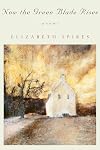
Nella posta di qualche giorno fa ho ricevuto questa poesia sull'autunno intitolata "In Cielo è sempre Autunno". Un titolo davvero strano per una poesia, scritta da una poetessa americana vivente di cui non avevo mai sentito parlare: Elizabeth Spires. Ad una prima lettura ho capito subito che quei versi hanno qualcosa di trascendentale. Come l'ha questa stagione autunnale che è un vero e proprio spartiacque temporale, una terra di confine tra la vita e la morte. Già, perché l'autunno show more segna solo in apparenza la fine della vita nella natura che spegne il suo soffio vitale sul creato. Lo spegne per poi riaccenderlo in maniera diversa sia per chi resta che per chi se ne va. Per Elizabeth Spires l'autunno è come "heaven", "Cielo", anticamera del Paradiso, uno spazio rigenerante e purificativo di una condizione umana che va vista come trasformazione.
La domanda è: ci possono essere momenti nella vita di ognuno di noi quando si avverte una presenza spirituale, qualcosa di ultra terreno, in un certo qual modo quasi "divina"? L'autunno è certamente uno di questi momenti. In questa stagione si comprende di più, e forse meglio, il senso dell'esistenza. Una presenza spirituale che può prendere anche il nome di "creatore", qualunque possa essere il significato che diamo a questo termine. Il grande poeta metafisico inglese del seicento John Donne ebbe a dire in uno dei suoi famosi sermoni: "Dio non fa distinzioni tra le stagioni della sua grazia: in paradiso, i frutti erano maturi sin dal principio, e in cielo è sempre autunno, le sue grazie sono sempre pronte a maturare".
La poetessa americana Elizabeth Spires ha usato la citazione di John Donne in testa a questa sua poesia per confermare questa intuizione che fa dell'autunno un mese privilegiato, contrariamente a quello che si crede e a quanto molti altri poeti e scrittori di tutti i tempi hanno detto di questa stagione, considerata triste, malinconica e mortale: la stagione dei morti. Leggetevi la poesia che ho liberamente tradotto e poi ne parleremo, se volete commentando questo post. Eccola nella sua integralità la citazione di John Donne: "God hath made no decree to distinguish the seasons of his mercies; in Paradise, the fruits were ripe the first minute, and in heaven it is always autumn, his mercies are ever in their maturity."
Elizabeth Spires
“In Heaven It Is Always Autumn”
- John Donne
In heaven it is always autumn. The leaves are always near
to falling there but never fall, and pairs of souls out walking
heaven's path no longer feel the weight of years upon them.
Safe in heaven's calm, they take each other's arm,
the light shining through them, all joy and terror gone.
In cielo è sempre autunno. Le foglie sono sempre pronte
a cadere là ma non cadono mai, e le coppie di anime in cammino
sui sentieri del cielo non avvertono il peso degli anni.
Sicure, nella calma del cielo, si prendono sotto braccio,
alla luce che le illumina, gioiose e libere dalla paura.
But we are far from heaven here, in a garden ragged and unkept
as Eden would be with the walls knocked down, the paths littered
with the unswept leaves of many years, bright keepsakes
for children of the Fall. The light is gold, the sun pulling
the long shadow soul out of each thing, disclosing an outcome.
Ma noi siamo qui lontani dal cielo, in un giardino incolto e selvaggio
come sarebbe l'Eden con mura abbattute, sentieri selvaggi
ricoperti di foglie secche di anni, ricordi lucidi
per bambini della Caduta. La luce è dorata, il sole getta
la lunga ombra dell'anima su ogni cosa e provoca conseguenze.
The last roses of the year nod their frail heads,
like listeners listening to all that's said, to ask,
What brought us here? What seed? What rain? What light?
What forced us upward through dark earth? What made us bloom?
What wind shall take us soon, sweeping the garden bare?
Le ultime rose dell'anno piegano la loro fragile testa
come ascoltatrici che odono tutto ciò che è stato detto
per chiedere: cosa ci ha portato qui? Quale seme?
Quale pioggia? Quale luce? Cosa ci ha spinto nella terra oscura?
Cosa ci fece fiorire? Quale vento dovrà presto portarci via dal giardino?
Their voiceless voices hang there, as ours might,
if we were roses, too. Their beds are blanketed with leaves,
tended by an absent gardener whose life is elsewhere.
It is the last of many last days. Is it enough?
To rest in this moment? To turn our faces to the sun?
Le voci senza voce si sentono come potrebbero udirsi
le nostre, se fossimo rose. Le loro teste prive di foglie,
curate da un giardineiere assente la cui vita è altrove.
E' l'ultimo di molti giorni rimasti. E' abbastanza?
Fermarsi ora? Voltare la faccia verso il sole?
To watch the lineaments of a world passing?
To feel the metal of a black iron chair, cool and eternal,
press against our skin? To apprehend a chill as clouds
pass overhead, turning us to shivering shade and shadow?
And then to be restored, small miracle, the sun shining brightly as before?
Guardare i lineamenti di un mondo che scompare?
Sentire il metallo di una nera sedia d'acciaio, fredda ed eterna,
premere contro la nostra pelle? Vedere passare addosso nuvole alte,
che ci fanno ombre e fantasmi tremanti?
E poi essere trasformati, piccolo miracolo, il sole che brilla come prima?
We go on, you leading the way, a figure
leaning on a cane that leaves its mark on the earth.
My friend, you have led me farther than I have ever been.
To a garden in autumn. To a heaven of impermanence
where the final falling off is slow, a slow and radiant happening.
Andiamo avanti, tu ci guidi, curvo
su di un bastone che lascia il segno sul terreno.
Amico mio, mi hai condotto più lontano di quanto io sia mai stato.
In un giardino, in autunno. In un cielo di transitorietà
dove la caduta finale è lenta, un lento e radioso accadimento.
The light is gold. And while we're here, I think it must be heaven.
La luce è dorata. E mentre siamo qui, io penso che debba essere il cielo.
- Elizabeth Spires from: Now the Green Blade Rises show less
La domanda è: ci possono essere momenti nella vita di ognuno di noi quando si avverte una presenza spirituale, qualcosa di ultra terreno, in un certo qual modo quasi "divina"? L'autunno è certamente uno di questi momenti. In questa stagione si comprende di più, e forse meglio, il senso dell'esistenza. Una presenza spirituale che può prendere anche il nome di "creatore", qualunque possa essere il significato che diamo a questo termine. Il grande poeta metafisico inglese del seicento John Donne ebbe a dire in uno dei suoi famosi sermoni: "Dio non fa distinzioni tra le stagioni della sua grazia: in paradiso, i frutti erano maturi sin dal principio, e in cielo è sempre autunno, le sue grazie sono sempre pronte a maturare".
La poetessa americana Elizabeth Spires ha usato la citazione di John Donne in testa a questa sua poesia per confermare questa intuizione che fa dell'autunno un mese privilegiato, contrariamente a quello che si crede e a quanto molti altri poeti e scrittori di tutti i tempi hanno detto di questa stagione, considerata triste, malinconica e mortale: la stagione dei morti. Leggetevi la poesia che ho liberamente tradotto e poi ne parleremo, se volete commentando questo post. Eccola nella sua integralità la citazione di John Donne: "God hath made no decree to distinguish the seasons of his mercies; in Paradise, the fruits were ripe the first minute, and in heaven it is always autumn, his mercies are ever in their maturity."
Elizabeth Spires
“In Heaven It Is Always Autumn”
- John Donne
In heaven it is always autumn. The leaves are always near
to falling there but never fall, and pairs of souls out walking
heaven's path no longer feel the weight of years upon them.
Safe in heaven's calm, they take each other's arm,
the light shining through them, all joy and terror gone.
In cielo è sempre autunno. Le foglie sono sempre pronte
a cadere là ma non cadono mai, e le coppie di anime in cammino
sui sentieri del cielo non avvertono il peso degli anni.
Sicure, nella calma del cielo, si prendono sotto braccio,
alla luce che le illumina, gioiose e libere dalla paura.
But we are far from heaven here, in a garden ragged and unkept
as Eden would be with the walls knocked down, the paths littered
with the unswept leaves of many years, bright keepsakes
for children of the Fall. The light is gold, the sun pulling
the long shadow soul out of each thing, disclosing an outcome.
Ma noi siamo qui lontani dal cielo, in un giardino incolto e selvaggio
come sarebbe l'Eden con mura abbattute, sentieri selvaggi
ricoperti di foglie secche di anni, ricordi lucidi
per bambini della Caduta. La luce è dorata, il sole getta
la lunga ombra dell'anima su ogni cosa e provoca conseguenze.
The last roses of the year nod their frail heads,
like listeners listening to all that's said, to ask,
What brought us here? What seed? What rain? What light?
What forced us upward through dark earth? What made us bloom?
What wind shall take us soon, sweeping the garden bare?
Le ultime rose dell'anno piegano la loro fragile testa
come ascoltatrici che odono tutto ciò che è stato detto
per chiedere: cosa ci ha portato qui? Quale seme?
Quale pioggia? Quale luce? Cosa ci ha spinto nella terra oscura?
Cosa ci fece fiorire? Quale vento dovrà presto portarci via dal giardino?
Their voiceless voices hang there, as ours might,
if we were roses, too. Their beds are blanketed with leaves,
tended by an absent gardener whose life is elsewhere.
It is the last of many last days. Is it enough?
To rest in this moment? To turn our faces to the sun?
Le voci senza voce si sentono come potrebbero udirsi
le nostre, se fossimo rose. Le loro teste prive di foglie,
curate da un giardineiere assente la cui vita è altrove.
E' l'ultimo di molti giorni rimasti. E' abbastanza?
Fermarsi ora? Voltare la faccia verso il sole?
To watch the lineaments of a world passing?
To feel the metal of a black iron chair, cool and eternal,
press against our skin? To apprehend a chill as clouds
pass overhead, turning us to shivering shade and shadow?
And then to be restored, small miracle, the sun shining brightly as before?
Guardare i lineamenti di un mondo che scompare?
Sentire il metallo di una nera sedia d'acciaio, fredda ed eterna,
premere contro la nostra pelle? Vedere passare addosso nuvole alte,
che ci fanno ombre e fantasmi tremanti?
E poi essere trasformati, piccolo miracolo, il sole che brilla come prima?
We go on, you leading the way, a figure
leaning on a cane that leaves its mark on the earth.
My friend, you have led me farther than I have ever been.
To a garden in autumn. To a heaven of impermanence
where the final falling off is slow, a slow and radiant happening.
Andiamo avanti, tu ci guidi, curvo
su di un bastone che lascia il segno sul terreno.
Amico mio, mi hai condotto più lontano di quanto io sia mai stato.
In un giardino, in autunno. In un cielo di transitorietà
dove la caduta finale è lenta, un lento e radioso accadimento.
The light is gold. And while we're here, I think it must be heaven.
La luce è dorata. E mentre siamo qui, io penso che debba essere il cielo.
- Elizabeth Spires from: Now the Green Blade Rises show less
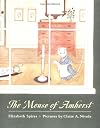
A charming, but not saccharine story of a white mouse named Emmaline who takes up resident in Emily Dickinson's bedroom and starts writing poetry. The pen and ink illustrations add much to the story.

This is the true story of Kate Görtler Kaird, who, after the death of her first husband, moved with her young son Jacob to New Jersey from Germany in 1882. In 1885 she married John Walker, who became the lighthouse keeper at Robbins Reef, located in New York Bay between Manhattan and Staten Island.
Kate and John enlarged their family with a daughter, Mae. But a few years later John died and Kate was left with two young children to support. She convinced the Lighthouse Board to keep her on as show more Lightkeeper, and she was able to hire her son Jacob, then grown, as Assistant Keeper. By the time Kate retired at age 71, she had lived at Robbins Reef for thirty-three years and rescued more than fifty people.
Back matter includes more about Kate as well as a guide to additional sources.
Lovely watercolors by Emily Arnold McCully ably depict the difficult and sometimes harrowing circumstances of Kate’s time as Lightkeeper. McCully brings to life the storms at sea as well as what Kate did to maintain safety and rescue capsized sailors in those moments.
Evaluation: This interesting book for readers aged 6 and up leaves no doubt about the bravery and perseverance of its heroine, who overcame adversity repeatedly to live the best life she could with the cards she was dealt.
The US National Park Service has an online history lesson for middle school learners about Kate Walker and the importance of lighthouses, here. show less
Kate and John enlarged their family with a daughter, Mae. But a few years later John died and Kate was left with two young children to support. She convinced the Lighthouse Board to keep her on as show more Lightkeeper, and she was able to hire her son Jacob, then grown, as Assistant Keeper. By the time Kate retired at age 71, she had lived at Robbins Reef for thirty-three years and rescued more than fifty people.
Back matter includes more about Kate as well as a guide to additional sources.
Lovely watercolors by Emily Arnold McCully ably depict the difficult and sometimes harrowing circumstances of Kate’s time as Lightkeeper. McCully brings to life the storms at sea as well as what Kate did to maintain safety and rescue capsized sailors in those moments.
Evaluation: This interesting book for readers aged 6 and up leaves no doubt about the bravery and perseverance of its heroine, who overcame adversity repeatedly to live the best life she could with the cards she was dealt.
The US National Park Service has an online history lesson for middle school learners about Kate Walker and the importance of lighthouses, here. show less
Awards


You May Also Like


Associated Authors
Statistics
- Works
- 18
- Also by
- 12
- Members
- 861
- Popularity
- #29,720
- Rating
- 3.9
- Reviews
- 26
- ISBNs
- 43