
Mindy Dwyer
Author of The Salmon Princess: An Alaska Cinderella Story
Works by Mindy Dwyer
Associated Works
Chia and the Fox Man: An Alaskan Dena'ina Fable (2020) — Illustrator, some editions — 27 copies, 2 reviews
Tagged
Common Knowledge
- Gender
- female
Members
Reviews
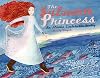
There are hundreds of cultural variants of the Cinderella story. Two of the earliest such narratives are the Ancient Greek story of Rhodopis from the 6th-century BC and a 9th-century Chinese version, Yeh-Shen. Mindy Dwyer’s The Salmon Princess is not a traditional cultural variation of Cinderella; rather, it’s the author-illustrator’s own creative reworking of it a non-indigenous Alaskan context.
Dwyer’s heroine, Cinder, named for her gray eyes with a spark of fire in them, is the show more daughter of a salmon fisherman. The author tells us something of her happy early family life. While Cinder’s father fished, the girl and her mother cleaned and smoked the salmon, singing old songs of miracles and possibilities as they worked. Alas, Cinder’s mother died.
In Dwyer’s telling, Cinder’s father remarries years later. Cinder’s stepmother is a modern woman from south of the 48th parallel, strikingly dressed in purple, a real contrast to Cinder’s mother who’s depicted in trousers, plaid shirt, and kerchief. Instead of stepsisters, Cinder gets two fisherman brothers. They’re not as vindictive as the nasty step siblings in the well-known fairytale, just very greedy.
Cinder’s story revolves not around a ball but the “Silver Salmon Festival”, which includes a dance and a raffle for a prize of real silver bars. Of course, Cinder isn’t allowed to attend, as there are so many fish that need gutting and smoking. Fairy godmothers not being a thing in Alaska, a magical eagle comes to the poor girl’s aid. The bird delivers a shimmering silver dress for Cinder to wear to the festival but is apparently unconcerned about appropriate footwear. No glass slippers in Alaska! Luckily, the long dress supplied hides the girl’s “Sitka Slippers”—rubber boots—one of which is left behind when Cinder later flees the festival to return her silver dress before dawn.
The boy who finds the stranded boot (along with the young woman’s winning raffle ticket) is not a prince, but he is the son of the owner of King Salmon Cannery. He travels to a hundred coastal islands in a 24-hour period to locate the owner of the boot. Of course, he finds Cinder and the two live happily ever after.
While I found Dwyer’s illustrations attractive, I was unimpressed with her narrative. In spite of the sometimes lyrical prose (which seemed a bit forced and precious to me, often drawing on fishing and water metaphors), the telling lacked magic. There’s no spark between Cinder and the boy, for one thing.
There are some wonderful variations on the Cinderella tale: Robert San Souci’s moving Sootface: an Ojibwa Cinderella Story and Shirley Climo’s lovely The Persian Cinderella come to mind. Dwyer’s The Salmon Princess, however, is not in that class. It’s competently told, but I found it uninspired and lacking in charm.
2.5 rounded up (for the illustrations) show less
Dwyer’s heroine, Cinder, named for her gray eyes with a spark of fire in them, is the show more daughter of a salmon fisherman. The author tells us something of her happy early family life. While Cinder’s father fished, the girl and her mother cleaned and smoked the salmon, singing old songs of miracles and possibilities as they worked. Alas, Cinder’s mother died.
In Dwyer’s telling, Cinder’s father remarries years later. Cinder’s stepmother is a modern woman from south of the 48th parallel, strikingly dressed in purple, a real contrast to Cinder’s mother who’s depicted in trousers, plaid shirt, and kerchief. Instead of stepsisters, Cinder gets two fisherman brothers. They’re not as vindictive as the nasty step siblings in the well-known fairytale, just very greedy.
Cinder’s story revolves not around a ball but the “Silver Salmon Festival”, which includes a dance and a raffle for a prize of real silver bars. Of course, Cinder isn’t allowed to attend, as there are so many fish that need gutting and smoking. Fairy godmothers not being a thing in Alaska, a magical eagle comes to the poor girl’s aid. The bird delivers a shimmering silver dress for Cinder to wear to the festival but is apparently unconcerned about appropriate footwear. No glass slippers in Alaska! Luckily, the long dress supplied hides the girl’s “Sitka Slippers”—rubber boots—one of which is left behind when Cinder later flees the festival to return her silver dress before dawn.
The boy who finds the stranded boot (along with the young woman’s winning raffle ticket) is not a prince, but he is the son of the owner of King Salmon Cannery. He travels to a hundred coastal islands in a 24-hour period to locate the owner of the boot. Of course, he finds Cinder and the two live happily ever after.
While I found Dwyer’s illustrations attractive, I was unimpressed with her narrative. In spite of the sometimes lyrical prose (which seemed a bit forced and precious to me, often drawing on fishing and water metaphors), the telling lacked magic. There’s no spark between Cinder and the boy, for one thing.
There are some wonderful variations on the Cinderella tale: Robert San Souci’s moving Sootface: an Ojibwa Cinderella Story and Shirley Climo’s lovely The Persian Cinderella come to mind. Dwyer’s The Salmon Princess, however, is not in that class. It’s competently told, but I found it uninspired and lacking in charm.
2.5 rounded up (for the illustrations) show less

This book was beautiful. The story of how Coyote the trickster fell in love with a star. He serenaded her nightly. When the star laughs off his marriage proposal, he climbs to the top of a mountain and he touches the star, the star grabs him. She scolds him and drags him into the heavens. She drops him to the earth and he crashes into the mountain and leaves a gaping crater. Coyotes cries enough tears to fill the crater. This is the creation story of how Crater Lake was formed.
The traditional tales of Cinderella tend to have the same story line among the various versions of this traditional folktale. However, this Alaskan version of the Cinderella story is one to remember because it uses different characters and story line. I really liked this book because of the plot. Instead of using two evil step sisters, the author decided to use step brothers in order to enhance the quality of the story. If the author used two step sisters instead of brothers, the story would show more not make much sense because the story line consists occupations of fishermen (which tend to be men). I really liked how the author decided to use an Eagle in the replacement of the fairy god mother because it only makes sense to use an Eagle when the setting takes place in a "fishy" area. The story line is humorous and relate-able to the original Cinderella story which will be a good book to present that is considered a piece of traditional literature. The purpose of this story was to present to the reader a different version of Cinderella and why the name Cinderella came to be. According to this version of Cinderella, Cinderella's "real name" is Cinder. The purpose of this story is to tell young readers that anything is possible as long as you dream and strive for it. show less

Northern Lights A to Z will appeal mainly to older children (aged five and up) particularly those who have a special interest in the night sky or legends. Beautifully illustrated, the author seamlessly mixes science and myths and shares her knowledge in an engaging, accessible format. I can still remember the emotions I felt when I saw the aurora borealis. This special alphabet book captures the extraordinary experience beautifully.
Lists
el (1)
Awards


You May Also Like


Statistics
- Works
- 11
- Also by
- 1
- Members
- 523
- Popularity
- #47,533
- Rating
- 3.8
- Reviews
- 18
- ISBNs
- 26