
Douwe Draaisma
Author of Why Life Speeds Up As You Get Older: How Memory Shapes our Past
About the Author
Douwe Draaisma is Heymans Professor of the History of Psychology University of Groningen. He is the author of several internationally acclaimed books, including Disturbances of the Mind (2006) and Why Life Speeds Up As You Get Older (2004). He lives in Groningen, Netherlands.
Works by Douwe Draaisma
Lichaam en geest in psychologie en geneeskunde : waarneming, geheugen, motivatie, placebo's, anorexia (1989) 3 copies
De mechanisering van de ziel 2 copies
Een laboratorium voor de ziel Gerard Heymans en het begin van de experimentele psychologie (1992) 2 copies
Las metaforas de la memoria / Memory's Metaphors: Una Historia De La Mente / a Mind History (El Libro Universitario. Ensayo) (1999) 1 copy
Kennis en methode 1988 4 1 copy
Ziekteverzuim en het bedrijf : achtergronden, registratie, onderzoek en mogelijke maatregelen (1978) 1 copy
Kennis en methode 1988 1 1 copy
Kennis en methode 1988 3 1 copy
Kennis en methode 1988 2 1 copy
Kennis en methode 1989 3 1 copy
Why Life Speeds Up As You Get Older: How Memory Shapes our Past by Draaisma, Douwe (2004) Hardcover 1 copy
Kennis en methode 1989 4 1 copy
Kennis en methode 1989 2 1 copy
Kennis en methode 1990 4 1 copy
Kennis en methode 1990 3 1 copy
Kennis en methode 1990 2 1 copy
Kennis en methode 1991 4 1 copy
Kennis en methode 1991 3 1 copy
Kennis en methode 1991 2 1 copy
Kennis en methode 1992 3 1 copy
Kennis en methode 1992 2 1 copy
De bovenkamer 1 copy
Associated Works
De vreugdeloze wetenschap waarom nieuwe inzichten vaak weerstand wekken (2004) — Contributor — 13 copies
Tagged
Common Knowledge
- Canonical name
- Draaisma, Douwe
- Birthdate
- 1953
- Gender
- male
- Occupations
- Bijzonder hoogleraar geschiedenis van de psychologie (Rijksuniversiteit Groningen)
- Organizations
- University of Groningen
- Awards and honors
- Heymans Prijs (1990)
Jan Greshoffprijs (2002)
Jan Hanlo Essayprijs (2003)
Eureka! prijs (2003) - Short biography
- Douwe Draaisma (Nijverdal, 1953) is een Nederlands psycholoog die gespecialiseerd is in de aard en mechanismen van het menselijk geheugen. Hij is bijzonder hoogleraar in de geschiedenis van de psychologie aan de Rijksuniversiteit Groningen. Draaisma is de auteur van een aantal zeer succesvolle boeken die veelvuldig zijn vertaald. Met zijn Waarom het leven sneller gaat als je ouder wordt won hij meerdere prijzen. Het boek werd vertaald in het Engels (Why Life Speeds Up As You Get Older), het Frans (Pourquoi la vie passe plus vite à mesure qu'on vieillit) en het Duits (Warum das Leben schneller vergeht, wenn man älter wird: von den Rätseln unserer Erinnerung).
In het najaar van 2010 heeft Draaisma in samenwerking met het dagblad Trouw de Schrijfwedstrijd Vergeten uitgeschreven met 438 inzendingen, die te lezen zijn op de externe link naar Trouw.
http://nl.wikipedia.org/wiki/Douwe_Dr... - Nationality
- Netherlands
- Birthplace
- Nijverdal, Overijssel, Nederland
- Associated Place (for map)
- Netherlands
Members
Reviews
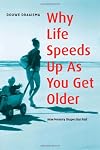
Really a series of connected but discrete essays opening up a relatively new area for psychology - autobiographical memory. This book should be of great value to creative writers and Draaisma (an academic) is not afraid to go beyond science into literature to try and demonstrate a point. Well worth reading if you are interested in how you see the world yourself and why you might do so. A start in respecting subjectivity that one hopes others, with equal communications skills, will develop.
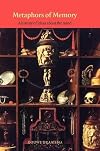
4.0 out of 5 stars Our memory of memory research, April 19, 2010
By Emre Sevinc "Software Developer, Cognitive Sc... (Antwerp, Belgium) - See all my reviews
This review is from: Metaphors of Memory: A History of Ideas about the Mind (Hardcover)
This is a highly accessible account of the history of brain research that focuses on memory and how our views on memory changed throughout the ages as we invented new metaphors while 'forgetting' some old ones. The author tracks the subtle changes in the show more use of metaphors in describing the nature of memory and he compares the explanatory power of metaphors using beautiful examples. He also touches upon the point of whether using metaphors are really useful in explaining scientific theories and then provides some surprising examples from the writings of Hooke. I owe the author my enlightenment on the topic of Hooke's memory research. I certainly was not aware of some very interesting papers by Robert Hooke in which he tried to describe the functioning of human memory. This example alone is more than enough to show the depth of Douwe Draaisma's research into the history of psychology. But he does not stop there and goes on to provide astonishing parts from that history, especially in the chapters related to the period before and after Hermann Ebbinghaus.
While keeping a very strong narrative on the history of memory, Draaisma never forgets to touch upon the psychological and socio-economical dynamics that shape the scientists and the world they live in. The part about the connections between the holographic memory theory and the modern connectionism / neural network theories is worth reading more than once because it is a very good example of science history, a history that is still alive.
This book will probably satisfy both the layman and the educated reader, both will learn different things and gain a better perspective on the deep and humane subject of memory. show less
By Emre Sevinc "Software Developer, Cognitive Sc... (Antwerp, Belgium) - See all my reviews
This review is from: Metaphors of Memory: A History of Ideas about the Mind (Hardcover)
This is a highly accessible account of the history of brain research that focuses on memory and how our views on memory changed throughout the ages as we invented new metaphors while 'forgetting' some old ones. The author tracks the subtle changes in the show more use of metaphors in describing the nature of memory and he compares the explanatory power of metaphors using beautiful examples. He also touches upon the point of whether using metaphors are really useful in explaining scientific theories and then provides some surprising examples from the writings of Hooke. I owe the author my enlightenment on the topic of Hooke's memory research. I certainly was not aware of some very interesting papers by Robert Hooke in which he tried to describe the functioning of human memory. This example alone is more than enough to show the depth of Douwe Draaisma's research into the history of psychology. But he does not stop there and goes on to provide astonishing parts from that history, especially in the chapters related to the period before and after Hermann Ebbinghaus.
While keeping a very strong narrative on the history of memory, Draaisma never forgets to touch upon the psychological and socio-economical dynamics that shape the scientists and the world they live in. The part about the connections between the holographic memory theory and the modern connectionism / neural network theories is worth reading more than once because it is a very good example of science history, a history that is still alive.
This book will probably satisfy both the layman and the educated reader, both will learn different things and gain a better perspective on the deep and humane subject of memory. show less
The question in the title of the book is tackled only towards the end very briefly but that doesn't render the book irrelevant. On the contrary, it is a unique blend of historical perspective on the psychology of memory and literature. Even though the text is generally relaxed and targeted toward the casual interested reader it provides good references on memory studies. Especially the chapter on near-death experiences provide some good and competing hypotheses which try to link the data to show more what we currently know about brain.
What struck me most and took me by surprise was a passage related to the metaphor of 'viewing one's whole life as a film in fast motion'. The author showed that long before the invention of cinema the metaphor of 'panorama' was used for that kind of near-death experiences however now that the cinema is so much established everybody who had that kind of dramatic experience refers to what happened in terms of cinema and this may be leading to the loss of some details which cannot be expressed in the language of cinema (such as seeing different part of life, of memory all at once, which is possible in the panorama metaphor but not so using the metaphor of cinema). show less
What struck me most and took me by surprise was a passage related to the metaphor of 'viewing one's whole life as a film in fast motion'. The author showed that long before the invention of cinema the metaphor of 'panorama' was used for that kind of near-death experiences however now that the cinema is so much established everybody who had that kind of dramatic experience refers to what happened in terms of cinema and this may be leading to the loss of some details which cannot be expressed in the language of cinema (such as seeing different part of life, of memory all at once, which is possible in the panorama metaphor but not so using the metaphor of cinema). show less
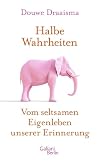
Erinnerungen sind flexibel und ein Produkt unseres Gehirns, das diese permanent umschreibt und neu ausrichtet.
Wenn man über die Geschichte der Menschheit liest (in Büchern oder Sendungen, TV, Radio etc.), dann hat die Dimension der Fantasie eine ganz besondere Bedeutung! Sich an zuvor liegende Begebenheiten zu erinnern, heißt eben die Umstände wiederum ganz individuell und völlig anders zusammenzusetzen. Jeder, der historische Bücher kennt und ihre unterschiedlichen Interpretationen show more vergangener Zeiten oft mit Staunen aufnimmt, weiß das.
Für mich sind die Gedanken bzw. Abhandlungen des Autors über variable Erinnerungen mehr als nachvollziehbar, da er diese vor allem auch an der Lektüre von Büchern festmacht. Ich als Bibliophiler weiß: mit der eigenen Lebensentwicklung und den eintretenden Erfahrungen verändern sich Bücher mit, Erinnerungen an sie bzw. Lehren daraus sind nie fix, sondern ebenso im Fluss wie alles andere. Nimmt man in jüngeren Jahren eher Aspekte des Gerechten, des Abenteuerlichen oder der Liebe auf, so entsteht im Alter eine größere Gesamtschau, mit realistischem Blick auf Ereignisse und Zusammenhänge. In jungen Jahren steht man mehr zwischen den Dingen, während man später eher beginnt, darüber zu schweben.
Douwe Draaisma geht in sechs, in sich abgeschlossenen Kapiteln der Frage nach, was unsere Erinnerungen beeinflusst und wie sicher diese sind. Unterschiedliche Beeinflussungsfaktoren bzw. Lebensphasen werden beleuchtet, und mit Spannung folgt man den Schilderungen des sog. Unna-Bombers, der als Bombenbastler 18 Jahre lang nicht gefasst wurde. Woher kommen Überzeugungen, Werte und das individuelle Handeln eines Menschen? Wie ist unsere Erinnerung, unser Gedächtnis an frühere Ereignisse gekoppelt und wie entwickeln wir uns weiter?
Das Buch ist kein streng wissenschaftliches oder die Beleuchtung eines Status quo der Gedächtnisforschung, sondern wirft in sechs Essays Fragen auf, die einen selbst weiterdenken und fantasieren lassen! Sehr anregend und gesprächsfördernd! „Wenn es um unser Gedächtnis geht, sind die Begriffe Wahrheit und Lüge nicht sehr hilfreich“, meint der Autor.
In der Tat: Erinnerungen sind ein fragiles Gewebe, dessen Inhalte so beweglich sind wie ein Blatt im Wind und die oft von anderen in die Luft geschleudert, verändert und autosuggestiv adaptiert werden: an individuelle Lebenssituationen und neue Notwendigkeiten des Überlebens. Tatsächlich sind Erinnerungen also auch manipulierbar und wie weit das gehen kann, beleuchtet dieses Buch auch. Ja, man kann sich etwas einreden, Dinge, Ereignisse, die nie passiert sind. Und ja, jeder Menschen würde eine Situation auch in der Nahbetrachtung ganz anders erinnern: als eine Funktion aus Lebensalter, Erfahrung, Bildung, Wissen, Emotion und Charaktereigenschaften.
Bei mir wirft ein solches Buch die Frage nach der Güte und der Zuverlässigkeit von Gerichtsgutachtern auf bzw. der Frage, wie sie Erinnerungen bewerten. Darf man wirklich nur einem vertrauen oder müsste hier nicht ein ganzes Bündel unterschiedlichster Lebenserfahrungen beteiligt sein? Interessant immer wieder die Einlassungen von Gerd Postel [[ASIN:B01LZC1B9H Doktorspiele: Geständnisse eines Hochstaplers]], der auch eine Reihe von vermeintlich exzellenten Gutachten schrieb und in diesem Zusammenhang zu fatalen Ergebnissen kommt. show less
Wenn man über die Geschichte der Menschheit liest (in Büchern oder Sendungen, TV, Radio etc.), dann hat die Dimension der Fantasie eine ganz besondere Bedeutung! Sich an zuvor liegende Begebenheiten zu erinnern, heißt eben die Umstände wiederum ganz individuell und völlig anders zusammenzusetzen. Jeder, der historische Bücher kennt und ihre unterschiedlichen Interpretationen show more vergangener Zeiten oft mit Staunen aufnimmt, weiß das.
Für mich sind die Gedanken bzw. Abhandlungen des Autors über variable Erinnerungen mehr als nachvollziehbar, da er diese vor allem auch an der Lektüre von Büchern festmacht. Ich als Bibliophiler weiß: mit der eigenen Lebensentwicklung und den eintretenden Erfahrungen verändern sich Bücher mit, Erinnerungen an sie bzw. Lehren daraus sind nie fix, sondern ebenso im Fluss wie alles andere. Nimmt man in jüngeren Jahren eher Aspekte des Gerechten, des Abenteuerlichen oder der Liebe auf, so entsteht im Alter eine größere Gesamtschau, mit realistischem Blick auf Ereignisse und Zusammenhänge. In jungen Jahren steht man mehr zwischen den Dingen, während man später eher beginnt, darüber zu schweben.
Douwe Draaisma geht in sechs, in sich abgeschlossenen Kapiteln der Frage nach, was unsere Erinnerungen beeinflusst und wie sicher diese sind. Unterschiedliche Beeinflussungsfaktoren bzw. Lebensphasen werden beleuchtet, und mit Spannung folgt man den Schilderungen des sog. Unna-Bombers, der als Bombenbastler 18 Jahre lang nicht gefasst wurde. Woher kommen Überzeugungen, Werte und das individuelle Handeln eines Menschen? Wie ist unsere Erinnerung, unser Gedächtnis an frühere Ereignisse gekoppelt und wie entwickeln wir uns weiter?
Das Buch ist kein streng wissenschaftliches oder die Beleuchtung eines Status quo der Gedächtnisforschung, sondern wirft in sechs Essays Fragen auf, die einen selbst weiterdenken und fantasieren lassen! Sehr anregend und gesprächsfördernd! „Wenn es um unser Gedächtnis geht, sind die Begriffe Wahrheit und Lüge nicht sehr hilfreich“, meint der Autor.
In der Tat: Erinnerungen sind ein fragiles Gewebe, dessen Inhalte so beweglich sind wie ein Blatt im Wind und die oft von anderen in die Luft geschleudert, verändert und autosuggestiv adaptiert werden: an individuelle Lebenssituationen und neue Notwendigkeiten des Überlebens. Tatsächlich sind Erinnerungen also auch manipulierbar und wie weit das gehen kann, beleuchtet dieses Buch auch. Ja, man kann sich etwas einreden, Dinge, Ereignisse, die nie passiert sind. Und ja, jeder Menschen würde eine Situation auch in der Nahbetrachtung ganz anders erinnern: als eine Funktion aus Lebensalter, Erfahrung, Bildung, Wissen, Emotion und Charaktereigenschaften.
Bei mir wirft ein solches Buch die Frage nach der Güte und der Zuverlässigkeit von Gerichtsgutachtern auf bzw. der Frage, wie sie Erinnerungen bewerten. Darf man wirklich nur einem vertrauen oder müsste hier nicht ein ganzes Bündel unterschiedlichster Lebenserfahrungen beteiligt sein? Interessant immer wieder die Einlassungen von Gerd Postel [[ASIN:B01LZC1B9H Doktorspiele: Geständnisse eines Hochstaplers]], der auch eine Reihe von vermeintlich exzellenten Gutachten schrieb und in diesem Zusammenhang zu fatalen Ergebnissen kommt. show less
Feb 24, 2023German
Lists
Awards


You May Also Like


Associated Authors
Statistics
- Works
- 44
- Also by
- 3
- Members
- 975
- Popularity
- #26,421
- Rating
- 3.7
- Reviews
- 14
- ISBNs
- 105
- Languages
- 15
- Favorited
- 1