
Colin Meloy
Author of Wildwood
About the Author
Colin Meloy was born in Helena, Montana on October 5, 1974. He graduated from the creative writing program at the University of Montana in Missoula in 1998. He became the singer and songwriter for the band the Decemberists. In 2004, he wrote a 100-page book on The Replacements' third album, Let It show more Be. He is also the author of the children's series The Wildwood Chronicles, which is illustrated by his wife Carson Ellis. (Bowker Author Biography) show less
Series
Works by Colin Meloy
Tagged
Common Knowledge
- Birthdate
- 1974-10-05
- Gender
- male
- Occupations
- musician
writer - Organizations
- The Decemberists
- Relationships
- Ellis, Carson (wife)
Meloy, Maile (sister) - Nationality
- USA
- Places of residence
- Portland, Oregon, USA
- Associated Place (for map)
- Oregon, USA
Members
Reviews
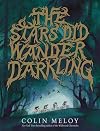
Maybe Archie Coomes has been watching too many horror movies.
The story follows teenager Archie Coomes and a group of his pals as they investigate the sinister happenings that are quickly taking over their peaceful seaside Oregon town. What's going on with the appearance of three strangers who seem new to being human? Why do old photographs indicate some ancient evil at the heart of the town’s founding? And why are all the adults suddenly replaced with sticky, odd-smelling replicants? It's show more up to our kid protagonists to find out and save the day!
I found The Stars Did Wander Darkling to be a fun, creepy, attention-grabbing story, that has echoes of Stephen King, Ray Bradbury, Stranger Things, and the Goonies in its DNA. It's 1980s Oregon setting was engrossing for me (I love the state of Oregon). I love the folk horror vibes - and even the folk horror/black metal stylings of the cover text. It's squarely in my aesthetic wheel house- so kuddos, to Carson Ellis. However, a long and slow buildup culminates in a rushed climax and resolution (that's a bit ambiguous) which is keeping me from getting this book a glowing 5 star review.
I will say I found the final chapter to be cinematic, disturbing, and sad. SO it does end in an effective manner. It just rushes to get there.
The book references a lot of nostalgic media that younger readers wouldn't know but it's a fun bit of a trip for older readers. This book is full of authentic chills and splashes of gore (which surprised me!) - and I think is suitable for middle school readers on up.
I'd be curious to read a sequel to this book, as I think there were a lot of great seeds planted for expanding the lore Meloy sets up.
The Stars Did Wander Darkling by Colin Meloy is an enjoyable classic coming of age horror novel about the bonds of friendship, respecting the land, and the horrors of history. It's ending is a bit rushed but overall, the book is a spooky and nostalgic delight. show less
The story follows teenager Archie Coomes and a group of his pals as they investigate the sinister happenings that are quickly taking over their peaceful seaside Oregon town. What's going on with the appearance of three strangers who seem new to being human? Why do old photographs indicate some ancient evil at the heart of the town’s founding? And why are all the adults suddenly replaced with sticky, odd-smelling replicants? It's show more up to our kid protagonists to find out and save the day!
I found The Stars Did Wander Darkling to be a fun, creepy, attention-grabbing story, that has echoes of Stephen King, Ray Bradbury, Stranger Things, and the Goonies in its DNA. It's 1980s Oregon setting was engrossing for me (I love the state of Oregon). I love the folk horror vibes - and even the folk horror/black metal stylings of the cover text. It's squarely in my aesthetic wheel house- so kuddos, to Carson Ellis. However, a long and slow buildup culminates in a rushed climax and resolution (that's a bit ambiguous) which is keeping me from getting this book a glowing 5 star review.
I will say I found the final chapter to be cinematic, disturbing, and sad. SO it does end in an effective manner. It just rushes to get there.
The book references a lot of nostalgic media that younger readers wouldn't know but it's a fun bit of a trip for older readers. This book is full of authentic chills and splashes of gore (which surprised me!) - and I think is suitable for middle school readers on up.
I'd be curious to read a sequel to this book, as I think there were a lot of great seeds planted for expanding the lore Meloy sets up.
The Stars Did Wander Darkling by Colin Meloy is an enjoyable classic coming of age horror novel about the bonds of friendship, respecting the land, and the horrors of history. It's ending is a bit rushed but overall, the book is a spooky and nostalgic delight. show less
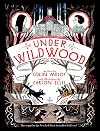
(spoilers related to the first book in the Wildwood series)
The second book in Colin Meloy’s Wildwood series isn’t as satisfying as the first but it was still pretty addictive and I’ll read the third one. Part of the problem is ‘second book syndrome’ – there’s more left unresolved and a number of large plot points are mentioned but not touched on since they’ll probably appear in the conclusion. I also found the villains rather thin; this was a problem because more time was show more spent narrating from their POV compared to the first one. On the other hand, it was good to catch up with the characters and to go back to the setting – the magical woods located inside the city of Portland. The book is relatively long for a children’s book and it gives Meloy the space to follow his amusing tangents. There’s still some Portland-related local color and Meloy seems to be referring to current events in the plot turns and characters. The illustrations by Carson Ellis are again very nice.
It opens a couple months after Prue and Curtis saved Prue’s baby brother and led the overthrow of both the corrupt South Wood government and Alexandra, the former South Wood ruler bent on world domination. Curtis is still living the life of a Wildwood bandit-in-training and the scenes in the bandit camp are entertaining and humorous. Prue is bored in school and at home. She’s been practicing the ability she discovered in the Impassable Wilderness – hearing and communicating with plants. However, Prue soon finds herself in danger and has to return to Wildwood. The ineffectual new government of South Wood has brought on an economic crisis that has affected the Wildwood bandits and the North Wood citizens and a shadowy nefarious group has targeted Prue and Curtis. The pair goes on the run and eventually starts searching for some individuals connected to Alexandra. It was nice to see Curtis get more of a backbone – he challenges Prue and has his own motivations and loyalties now. In the other book, it seemed that his plotline was the boring one.
Another complaint I had about Wildwood was the dearth of female characters (pretty much just Prue and Alexandra) but in Under Wildwood, the second storyline follows Curtis’ sisters, Elsie and Rachel. I initially had some issues with their plot since the twists that land them in a Dickensian orphanage were unbelievable. While there’s a lot of suspense as it’s a standard evil orphanage, I found the first part of the Elsie/Rachel sections to be clichéd and weaker than the Prue/Curtis line. Later on, though, it becomes pretty interesting and we learn a lot more about the Impassable Wilderness. Elsie and Rachel have run-ins with one of the main bad characters, Joffrey Unthank, also Dickensian in name and occupation. He’s a generic evil businessman/industrialist which doesn’t make him very interesting (although amusingly he reads The 1% Journal). Alexandra was also a type, the evil witch/queen, but at least she had an over-the-top intensity and a baroquely tragic backstory. There also wasn’t too much narration from her point of view. The South Wood bureaucrats were petty and dull but they were supposed to be interchangeable as part of the satire of bureaucracy. There were too many Unthank sections for me though his girlfriend and partner in evil, Desdemona, a former Ukrainian actress with a passionate desire to make movies, is the most interesting of the various villains. Wigman, Unthank’s boss and another dull evil businessman, and Darla, a vicious Wildwood killer, are both rather boring and undeveloped.
There’s less humor in this one as the stakes are higher and many conflicts are left unresolved. Most of the middle section doesn’t further the ultimate plot but allows Meloy to develop the setting. He convincingly describes the labyrinthine pathways under Wildwood and the civil war that Prue and Curtis interrupt is almost funny and appropriately horrifying. The underground is related to Portland’s Underground Tour and further connections are drawn between the magical and ordinary worlds. Meloy alludes to current issues – the denizens of the Impassible Wilderness also have an economic crisis which isn’t being helped by squabbling politicians. Corrupt one percenters are broadly caricatured and the problems of starting a new government after the old one has fallen in a popular revolution are mentioned. show less
The second book in Colin Meloy’s Wildwood series isn’t as satisfying as the first but it was still pretty addictive and I’ll read the third one. Part of the problem is ‘second book syndrome’ – there’s more left unresolved and a number of large plot points are mentioned but not touched on since they’ll probably appear in the conclusion. I also found the villains rather thin; this was a problem because more time was show more spent narrating from their POV compared to the first one. On the other hand, it was good to catch up with the characters and to go back to the setting – the magical woods located inside the city of Portland. The book is relatively long for a children’s book and it gives Meloy the space to follow his amusing tangents. There’s still some Portland-related local color and Meloy seems to be referring to current events in the plot turns and characters. The illustrations by Carson Ellis are again very nice.
It opens a couple months after Prue and Curtis saved Prue’s baby brother and led the overthrow of both the corrupt South Wood government and Alexandra, the former South Wood ruler bent on world domination. Curtis is still living the life of a Wildwood bandit-in-training and the scenes in the bandit camp are entertaining and humorous. Prue is bored in school and at home. She’s been practicing the ability she discovered in the Impassable Wilderness – hearing and communicating with plants. However, Prue soon finds herself in danger and has to return to Wildwood. The ineffectual new government of South Wood has brought on an economic crisis that has affected the Wildwood bandits and the North Wood citizens and a shadowy nefarious group has targeted Prue and Curtis. The pair goes on the run and eventually starts searching for some individuals connected to Alexandra. It was nice to see Curtis get more of a backbone – he challenges Prue and has his own motivations and loyalties now. In the other book, it seemed that his plotline was the boring one.
Another complaint I had about Wildwood was the dearth of female characters (pretty much just Prue and Alexandra) but in Under Wildwood, the second storyline follows Curtis’ sisters, Elsie and Rachel. I initially had some issues with their plot since the twists that land them in a Dickensian orphanage were unbelievable. While there’s a lot of suspense as it’s a standard evil orphanage, I found the first part of the Elsie/Rachel sections to be clichéd and weaker than the Prue/Curtis line. Later on, though, it becomes pretty interesting and we learn a lot more about the Impassable Wilderness. Elsie and Rachel have run-ins with one of the main bad characters, Joffrey Unthank, also Dickensian in name and occupation. He’s a generic evil businessman/industrialist which doesn’t make him very interesting (although amusingly he reads The 1% Journal). Alexandra was also a type, the evil witch/queen, but at least she had an over-the-top intensity and a baroquely tragic backstory. There also wasn’t too much narration from her point of view. The South Wood bureaucrats were petty and dull but they were supposed to be interchangeable as part of the satire of bureaucracy. There were too many Unthank sections for me though his girlfriend and partner in evil, Desdemona, a former Ukrainian actress with a passionate desire to make movies, is the most interesting of the various villains. Wigman, Unthank’s boss and another dull evil businessman, and Darla, a vicious Wildwood killer, are both rather boring and undeveloped.
There’s less humor in this one as the stakes are higher and many conflicts are left unresolved. Most of the middle section doesn’t further the ultimate plot but allows Meloy to develop the setting. He convincingly describes the labyrinthine pathways under Wildwood and the civil war that Prue and Curtis interrupt is almost funny and appropriately horrifying. The underground is related to Portland’s Underground Tour and further connections are drawn between the magical and ordinary worlds. Meloy alludes to current issues – the denizens of the Impassible Wilderness also have an economic crisis which isn’t being helped by squabbling politicians. Corrupt one percenters are broadly caricatured and the problems of starting a new government after the old one has fallen in a popular revolution are mentioned. show less
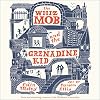
I listened to this on accident mostly, trying to find something to occupy myself in the middle of a migraine, but ooo boy is this story good. I think I prefer having listened to it, actually, than I would have reading the book--the performer (Bronson Pinchot) did an incredible job with all of the voices of the characters and the accents. That being said, I will probably have to look at this in physical book form to see the art, which I'm sure is beautiful.
The story gripped me pretty show more immediately, and the tone of the reading did that kind of interact-y way that MG books sometimes do without coming across as particularly patronizing or even annoying to my adult ears. Charlie was a pretty interesting main character and I can see kids really being drawn to him, and the world is just delightful. The class politics are a little all over the place (the Whiz Mob paint themselves initially as folks pursuing a kind of redistribution of wealth but that all rapidly falls apart) but it's not like I can super demand certain kinds of class politics from an MG book. The ending was a little difficult to listen to because it was so intense and while I had parts of it figured out, I felt like I had to sit through material I would have otherwise kind of skimmed past. But clearly I enjoyed this book, and I blew through it in a pretty fast time! show less
The story gripped me pretty show more immediately, and the tone of the reading did that kind of interact-y way that MG books sometimes do without coming across as particularly patronizing or even annoying to my adult ears. Charlie was a pretty interesting main character and I can see kids really being drawn to him, and the world is just delightful. The class politics are a little all over the place (the Whiz Mob paint themselves initially as folks pursuing a kind of redistribution of wealth but that all rapidly falls apart) but it's not like I can super demand certain kinds of class politics from an MG book. The ending was a little difficult to listen to because it was so intense and while I had parts of it figured out, I felt like I had to sit through material I would have otherwise kind of skimmed past. But clearly I enjoyed this book, and I blew through it in a pretty fast time! show less

Originally reviewed here
In the vein of Chronicles Of Narnia comes Wildwood by Colin Meloy, illustrated by Carson Ellis (The Mysterious Benedict Society), a tale in which Prue’s baby brother Mac is abducted by a murder of crows and taken to the Impassable Wilderness, otherwise known as Wildwood. Joining Prue in her quest to save Mac is Curtis, a classmate who doesn’t quite fit in. Wildwood, like Narnia, is a vibrant world fit to bursting with an intriguing sociology and diverse residents. show more However, Wildwood does stand well on it’s own two feet.
I loved the language of Wildwood. Colin Meloy’s debut is absolutely a book for readers and people who love vocabulary. It does use some advanced language, however, I felt the language was no more difficult than Narnia, The Phantom Tollbooth, or The Girl Who Circumnavigated Fairyland In A Ship Of Her Own Making. Meloy treats young readers with trust and intelligence. This is not a book that has been dumbed down for it’s audience. There are context clues for the vocabulary as well. I really enjoyed Meloy’s style because it did remind me of the sort of fantasy I loved as a child.
Inside of Wildwood are lovely illustrations by Carson Ellis. The pen and ink drawings help to bring the story to life. It’s absolutely a treat to see as well. I think my favorite were the drawings of the coyotes and the bandits. Ellis is definitely an illustrator on my watch list.
Yet, a story needs more than pretty pictures and words to stand on it’s own. Friends, Wildwood is totally an epic story. The scope is big, yet I think there are enough pages to cover the discontent and rival factions of Wildwood as well as Prue’s quest and Curtis’s self-discovery. I think Meloy does a wonderful job of framing the story. Further, the backdrop of the Impassable Wilderness/Wildwood itself is well done. Actual world building takes place, and as a reader I do have a sense of the geography of the Wildwood. You see, Wildwood has it’s own different types of governments. There’s bureaucracy, town halls, tyranny, anarchy, and monarchy in the different segments of the forest. It’s brilliant. I would say this might as well be a book of bigger ideas on politics, but I am not the analytical type and would rather leave that up to more inclined minds, however, I could see this book having a bit of a fun use in a government/citizenship studies class.
From my grown up perspective, Wildwood totally has adult appeal. It hearkens back to that grand tradition of hero journey books that I grew up with. Books that treated you with respect, that make you think. It’s absolutely worth the amount of time it takes to read Colin Meloy’s 560 pages if you want middle grade that isn’t trite or unintelligent. show less
In the vein of Chronicles Of Narnia comes Wildwood by Colin Meloy, illustrated by Carson Ellis (The Mysterious Benedict Society), a tale in which Prue’s baby brother Mac is abducted by a murder of crows and taken to the Impassable Wilderness, otherwise known as Wildwood. Joining Prue in her quest to save Mac is Curtis, a classmate who doesn’t quite fit in. Wildwood, like Narnia, is a vibrant world fit to bursting with an intriguing sociology and diverse residents. show more However, Wildwood does stand well on it’s own two feet.
I loved the language of Wildwood. Colin Meloy’s debut is absolutely a book for readers and people who love vocabulary. It does use some advanced language, however, I felt the language was no more difficult than Narnia, The Phantom Tollbooth, or The Girl Who Circumnavigated Fairyland In A Ship Of Her Own Making. Meloy treats young readers with trust and intelligence. This is not a book that has been dumbed down for it’s audience. There are context clues for the vocabulary as well. I really enjoyed Meloy’s style because it did remind me of the sort of fantasy I loved as a child.
Inside of Wildwood are lovely illustrations by Carson Ellis. The pen and ink drawings help to bring the story to life. It’s absolutely a treat to see as well. I think my favorite were the drawings of the coyotes and the bandits. Ellis is definitely an illustrator on my watch list.
Yet, a story needs more than pretty pictures and words to stand on it’s own. Friends, Wildwood is totally an epic story. The scope is big, yet I think there are enough pages to cover the discontent and rival factions of Wildwood as well as Prue’s quest and Curtis’s self-discovery. I think Meloy does a wonderful job of framing the story. Further, the backdrop of the Impassable Wilderness/Wildwood itself is well done. Actual world building takes place, and as a reader I do have a sense of the geography of the Wildwood. You see, Wildwood has it’s own different types of governments. There’s bureaucracy, town halls, tyranny, anarchy, and monarchy in the different segments of the forest. It’s brilliant. I would say this might as well be a book of bigger ideas on politics, but I am not the analytical type and would rather leave that up to more inclined minds, however, I could see this book having a bit of a fun use in a government/citizenship studies class.
From my grown up perspective, Wildwood totally has adult appeal. It hearkens back to that grand tradition of hero journey books that I grew up with. Books that treated you with respect, that make you think. It’s absolutely worth the amount of time it takes to read Colin Meloy’s 560 pages if you want middle grade that isn’t trite or unintelligent. show less
Lists
Awards


You May Also Like


Associated Authors
Statistics
- Works
- 15
- Members
- 5,425
- Popularity
- #4,591
- Rating
- 3.6
- Reviews
- 180
- ISBNs
- 127
- Languages
- 10
- Favorited
- 3