

Nicholas Stargardt
Author of The German War: A Nation Under Arms, 1939-45
About the Author
Nicholas Stargardt is one of Britain's foremost scholars of Nazi Germany. He is a professor of modem European history at Magdalen College, Oxford, and a fellow of the Royal Historical Society. The author of Witnesses of War: Children's Lives Under the Nazis, Stargardt lives in Oxford, England.
Works by Nicholas Stargardt
Tagged
Common Knowledge
- Canonical name
- Stargardt, Nicholas
- Other names
- Stargardt, Nick
- Birthdate
- 1962
- Gender
- male
- Education
- King's College, Cambridge (Ph.D)
- Occupations
- professor
historian - Organizations
- Magdalen College, University of Oxford
Royal Holloway, University of London - Relationships
- Roper, Lyndal (wife)
- Nationality
- Australia
- Birthplace
- Melbourne, Victoria, Australia
- Places of residence
- Oxford, Oxfordshire, England, UK
Germany
Japan
Melbourne, Victoria, Australia - Associated Place (for map)
- Oxford, Oxfordshire, England, UK
Members
Reviews
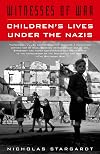
Author Nicholas Stargardt comments that many Holocaust and war memoirs are “restrained” and “matter-of-fact”. I find this applies to his account Witnesses of War: Children’s Lives Under the Nazis. Individual stories cover German, Jewish, and Polish boys and girls; Hitler Youth, ghetto and camp inmates, and civilians – Germans and Poles - caught up in the war and the aftermath. As much as possible is taken from testimony and diaries of the children themselves. (In the front show more matter, Stargardt apologizes that privacy laws prevent using the real names of some of the children).
The stories are ordered chronologically. In the early days, German boys and girls are enthusiastic about serving the Reich. In the end, they are disillusioned by bombing and Allied armies. And, of course, in the middle is brutal occupation for the Poles.
And The Holocaust. I find it difficult to write anything about children and The Holocaust.
I’ll have to read some more about Himmler. The SS maintained a “showpiece” camp at Theresienstadt (now Terezín), stocked with families and the elderly. The International Red Cross was allowed to inspect it and reported favorably. Himmler apparently believed his own propaganda, thinking that “International Jewry” actually wielded enough power to stop the Allied bombing campaign or even sign a separate peace if offered the Theresienstadt inmates in exchange. It isn’t clear if the offer was ever made; at any rate as things ran down it became irrelevant and Theresienstadt was liquidated.
“Childish innocence” is a cliché. The German kids play at Germans and Jews. The Polish kids play at Poles and Germans. The Jewish kids play at Kapos and prisoners. Sooner or later the survivors of all the groups play at having enough to eat.
One of the most disquieting chapters – in the whole ghastly litany of disquiet – was the discussion of the T-4 program. Just before the war a couple wrote the Führer about their handicapped son; he was becoming too difficult to care for; could he be euthanized? Whoever was in charge of the reading the mail decided this was worthy of attention, and the T-4 program was initiated – handicapped children were collected at regional centers and gassed (later, they were simply locked up and starved to death). Some parents, like the original petitioners, were glad to get rid of their burden. Others attempted to visit, but were told that the military had priority over railroads and they couldn’t get travel passes; eventually they received a little package of their child’s possessions, after death from “natural causes”. The technicians who had built the T-4 gas chambers later helped out the SS with their own construction problems.
Extensively researched and footnoted, with a long bibliography. Maps of places under discussion; two photograph sections. Not an easy read, for obvious reasons, but worthwhile. show less
The stories are ordered chronologically. In the early days, German boys and girls are enthusiastic about serving the Reich. In the end, they are disillusioned by bombing and Allied armies. And, of course, in the middle is brutal occupation for the Poles.
And The Holocaust. I find it difficult to write anything about children and The Holocaust.
I’ll have to read some more about Himmler. The SS maintained a “showpiece” camp at Theresienstadt (now Terezín), stocked with families and the elderly. The International Red Cross was allowed to inspect it and reported favorably. Himmler apparently believed his own propaganda, thinking that “International Jewry” actually wielded enough power to stop the Allied bombing campaign or even sign a separate peace if offered the Theresienstadt inmates in exchange. It isn’t clear if the offer was ever made; at any rate as things ran down it became irrelevant and Theresienstadt was liquidated.
“Childish innocence” is a cliché. The German kids play at Germans and Jews. The Polish kids play at Poles and Germans. The Jewish kids play at Kapos and prisoners. Sooner or later the survivors of all the groups play at having enough to eat.
One of the most disquieting chapters – in the whole ghastly litany of disquiet – was the discussion of the T-4 program. Just before the war a couple wrote the Führer about their handicapped son; he was becoming too difficult to care for; could he be euthanized? Whoever was in charge of the reading the mail decided this was worthy of attention, and the T-4 program was initiated – handicapped children were collected at regional centers and gassed (later, they were simply locked up and starved to death). Some parents, like the original petitioners, were glad to get rid of their burden. Others attempted to visit, but were told that the military had priority over railroads and they couldn’t get travel passes; eventually they received a little package of their child’s possessions, after death from “natural causes”. The technicians who had built the T-4 gas chambers later helped out the SS with their own construction problems.
Extensively researched and footnoted, with a long bibliography. Maps of places under discussion; two photograph sections. Not an easy read, for obvious reasons, but worthwhile. show less
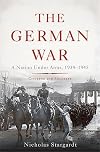
This is an extraordinarily engaging analysis of the German home front during the Second World War. A few things quickly emerge, such as the virtually universal feeling that the end of WWI and the Versailles Treaty were dishonorable insults which had to be overcome. Also, even when there was hesitation about the genocidal conduct of the war, the Nazi world view was internalized by virtually the entire nation. The terror bombing of Gernan cities, for example. was viewed as revenge by "World show more Jewry" for the death camps. The barbaric way Poles and Russians were treated was accepted because these peoples were sub-human and constituted a Jewish Bolshevik threat to Christian Germany. Religious leaders in the face of rampant barbarism were almost completely silent. This is a damning indictment of the most murderous regime in history, and reveals the total domestic support the Party and the armed forces enjoyed. show less
The German War by Nicholas Stargardt, Professor of Modern European History at Magdalen College, Oxford, published in late 2015.
This book, I highly recommend to all those like myself who accept that WW2 was a result of WW1 but could not comprehend why the German people followed Hitler’s will so completely, even to the eventual total destruction of their homeland.
This book, is moreover a great read and the 570pp of the body of this book are consumed rapaciously. At the same time the book is show more an academic tour de force. The strict chronological and well headed chapter titles have been aptly chosen. Even though the war ended over 70 years ago, the thoughts of the German public are captured like never before. Stargardt achieved all this through extensive original research into mostly Western archives from which the interchanges of correspondence between 16 pairs or more of responding German letter writers is analyzed throughout the six years of German WW2 warmongering. At the outset of WW2, the German people believed that it was the British who wished that the war be waged against the peace-loving Germans. Hitler’s propaganda chief Herr Goebbels exploited the premise that it was the warmongering British, supported by the French, who declared war on the peace-loving Germans, who only wanted to defend the interests of the Third Reich against those dastardly Poles who had allegedly attacked the home-land of the German State. Hitler expected England to rapidly capitulate just as the other six western European countries had. How could an Anglo-Saxon state such as England not join hands with its like- minded Germanic peoples!
The concentration camps that eventually killed some six million Jews were originally instituted to house those Germans who disagreed with or offended Hitler’s wishes. Each large German community had one of these camps originally to house Union Organizers, Homosexuals, Communists and Jehovah’s Witnesses and all others who disapproved of Hitler’s intentions and moves to achieve total control from 1933 forward.
In essence, Stargardt supports the premise that Germany lost the war in December 1941, not due to Hitler’s declaration of War on the US, but due to the German Army’s loss of momentum due to the weather and poor overall military planning for the war against Russia. Hitler had told the German people that the war against Russia would be a very short war(less than 6 months). “All we have to do is knock the front door in and Russia would fall apart.” Hitler had greatly under-estimated the overall population of the USSR and had no concept of the USSR’s massive industrial capacity that eventually enabled the USSR to out-produce the numbers of tanks and planes compared to the previously formidable German wartime equipment production.
This book is not a standard account of the war but excels in reporting the early successes and happiness of the German people, and thereafter the gradual diminishment of those early glories into the sadness engendered by the of loss of life, the destruction of towns and infrastructure and to the eventual war-weariness with extreme shortages of food and loss of the hopes for peace. Moreover the total annihilation of the townships and their infra-structures as the allied bombing campaigns achieved their ends resulting in the German people becoming desolate and war weary. The position of the various churches is also well recounted and documented. The Protestants in Hamburg and the north and the Catholics in the south and Austria are closely analyzed.
The book is replete with 10 most readable maps collected in the front of the book and 52 photos within the body of the book, a 42pp bibliography and an excellent index plus 68pp of notes. show less
This book, I highly recommend to all those like myself who accept that WW2 was a result of WW1 but could not comprehend why the German people followed Hitler’s will so completely, even to the eventual total destruction of their homeland.
This book, is moreover a great read and the 570pp of the body of this book are consumed rapaciously. At the same time the book is show more an academic tour de force. The strict chronological and well headed chapter titles have been aptly chosen. Even though the war ended over 70 years ago, the thoughts of the German public are captured like never before. Stargardt achieved all this through extensive original research into mostly Western archives from which the interchanges of correspondence between 16 pairs or more of responding German letter writers is analyzed throughout the six years of German WW2 warmongering. At the outset of WW2, the German people believed that it was the British who wished that the war be waged against the peace-loving Germans. Hitler’s propaganda chief Herr Goebbels exploited the premise that it was the warmongering British, supported by the French, who declared war on the peace-loving Germans, who only wanted to defend the interests of the Third Reich against those dastardly Poles who had allegedly attacked the home-land of the German State. Hitler expected England to rapidly capitulate just as the other six western European countries had. How could an Anglo-Saxon state such as England not join hands with its like- minded Germanic peoples!
The concentration camps that eventually killed some six million Jews were originally instituted to house those Germans who disagreed with or offended Hitler’s wishes. Each large German community had one of these camps originally to house Union Organizers, Homosexuals, Communists and Jehovah’s Witnesses and all others who disapproved of Hitler’s intentions and moves to achieve total control from 1933 forward.
In essence, Stargardt supports the premise that Germany lost the war in December 1941, not due to Hitler’s declaration of War on the US, but due to the German Army’s loss of momentum due to the weather and poor overall military planning for the war against Russia. Hitler had told the German people that the war against Russia would be a very short war(less than 6 months). “All we have to do is knock the front door in and Russia would fall apart.” Hitler had greatly under-estimated the overall population of the USSR and had no concept of the USSR’s massive industrial capacity that eventually enabled the USSR to out-produce the numbers of tanks and planes compared to the previously formidable German wartime equipment production.
This book is not a standard account of the war but excels in reporting the early successes and happiness of the German people, and thereafter the gradual diminishment of those early glories into the sadness engendered by the of loss of life, the destruction of towns and infrastructure and to the eventual war-weariness with extreme shortages of food and loss of the hopes for peace. Moreover the total annihilation of the townships and their infra-structures as the allied bombing campaigns achieved their ends resulting in the German people becoming desolate and war weary. The position of the various churches is also well recounted and documented. The Protestants in Hamburg and the north and the Catholics in the south and Austria are closely analyzed.
The book is replete with 10 most readable maps collected in the front of the book and 52 photos within the body of the book, a 42pp bibliography and an excellent index plus 68pp of notes. show less
How did the Germans during the 1930s and 1940s view their government? How did they view Hitler? Did Hitler's level of support drop as Germany began to suffer defeat on the battlefields? What were German feelings about the war, especially at the end where their cities were being bombed, their armies destroyed and their population subjected to violence, rape and hunger? What did they know about the killing of millions of Jews? How did Germans handle every day life during the war?
Stargardt show more viewed letters, diaries, correspondence and various other materials from common German people as part of his research to answer the questions above. What surprised me the most was the level of support that Hitler continued to receive even until April 1945 when he committed suicide. I marvel at the success of German propaganda led by Joseph Goebbels who was able to convince many if not most of the German people that Germany had no recourse but to declare war and defend themselves against Jews and Bolsheviks.
There is an incredible level of violence in this book. You have the Holocaust and then indiscriminate killing of the elderly, mentally ill, Germans labeled as traitors, prisoners of war etc.
Ultimately I ask myself, could this happen in the United States? Prior to November 2016, I would've answered "Absolutely Not!" Now I'm not so sure. I see a lot of similarities in how Hitler gained and maintained his power and the current United States political environment.
This is a long and sobering story. Excellently researched. Very well written. I bought this book from Amazon Kindle for $14.99. Intellectually, a great investment of my time. show less
Stargardt show more viewed letters, diaries, correspondence and various other materials from common German people as part of his research to answer the questions above. What surprised me the most was the level of support that Hitler continued to receive even until April 1945 when he committed suicide. I marvel at the success of German propaganda led by Joseph Goebbels who was able to convince many if not most of the German people that Germany had no recourse but to declare war and defend themselves against Jews and Bolsheviks.
There is an incredible level of violence in this book. You have the Holocaust and then indiscriminate killing of the elderly, mentally ill, Germans labeled as traitors, prisoners of war etc.
Ultimately I ask myself, could this happen in the United States? Prior to November 2016, I would've answered "Absolutely Not!" Now I'm not so sure. I see a lot of similarities in how Hitler gained and maintained his power and the current United States political environment.
This is a long and sobering story. Excellently researched. Very well written. I bought this book from Amazon Kindle for $14.99. Intellectually, a great investment of my time. show less
Awards


You May Also Like


Associated Authors
Statistics
- Works
- 7
- Members
- 907
- Popularity
- #28,274
- Rating
- 4.2
- Reviews
- 20
- ISBNs
- 45
- Languages
- 7
