
Edward Einhorn
Author of Fractions in Disguise: A Math Adventure
About the Author
Image credit: Photo by Tanya Khordoc
Series
Works by Edward Einhorn
Associated Works
Tagged
Common Knowledge
- Canonical name
- Einhorn, Edward
- Birthdate
- 1970-09-06
- Gender
- male
- Nationality
- USA
- Places of residence
- New York. New York, USA
- Associated Place (for map)
- New York. New York, USA
Members
Reviews

Having enjoyed Paradox in Oz, my kids and I went straight on to Edward Einhorn's other Oz novel, The Living House of Oz. This is a sequel in that sense that it follows up some characters and situations from the earlier book: just like in Paradox, a bit of the action takes place in Tonsoria; Tempus the Parrot-Ox puts in a brief appearance; one of the characters comes from the same dark, alternate Oz that Ozma journeyed to in Paradox. But it's not a sequel in the sense that it's the same show more thing again. Einhorn isn't invested in solving Oz continuity discrepancies this time (not that he was particularly interested in doing so the first time around, to be honest... though he does explain one discrepancy he didn't squeeze into Paradox).
Here, he's interested in doing two things, I would say. The first is providing a "traditional" Oz quest story in the mold of Patchwork Girl, Rinkitink, or, of course, Wonderful Wizard: in order to protect and/or return to their family, a child protagonist is forced to set out on a dangerous journey. The main character here is Buddy, who lives in the mysterious Living House, where every piece of furniture is alive... and so is the house itself! He lives with his mother, a sorceress, and like many young protagonists, yearns for adventure.
The second thing Einhorn is up to here is interrogating some aspects of Oz; specifically, Ozma's ban on magic practiced by anyone other than herself, the Wizard, and Glinda. Is this actually just? Is it right to ban people from doing the thing they're good at because it might hurt other people? Einhorn follows up various aspects of several of Baum's Oz books, most notably Emerald City (the Phanfasms reappear), Patchwork Girl (the little-used Emerald City jail and its mistress, Tollydiggle), and Glinda (the Flatheads and the Adepts at Magic). This kind of thing can feel gratuitous in the hands of later authors, but because it's all in service of one central idea, the return appearances by stuff from earlier books feel quite organic.
Like Paradox, the book has two sub-adventures, but I thought that structure worked a bit better here. In the first, the Living House comes to Tonsoria, in the Gillikin Country. Buddy goes out to explore, but ends up kidnapped when he's at the wrong place at the wrong time, along with Ayala, the princess of Tonsoria (who was a minor character in Paradox). He works to free himself while his mother, Mordra, also works to free him. It turns out that in Tonsoria, there's a guy who really like making wigs, but people in Tonsoria like doing their own hair, and so he thinks if he kidnaps the ruler, he can force everyone to wear his wigs. It's goofy but fun; Tonsoria, with its squabbling advisors and cute animal (the flutefly) has a touch of the Ruth Plumly Thompson about it (in a good way), but the whole adventure also reminded me of John R. Neill's Oz novels. Though they were never great, what I liked about Neill's Oz novels (particularly Wonder City and Scalawagons) is that I think they capture what living in Oz must be like. It's just nuts, weird things are happening all the time. Einhorn does the same thing here. Sure, the cranky old man who owns a wig factory is going around kidnapping people? Why not? It provides a bit of diversion. Will he be punished? Well, not much, and not if he says he's sorry, because people need to learn from their mistakes. And besides, life in Oz would be dull if things like this didn't happen.
This half is basically just an excuse for the second half, though. With Mordra drawn out of the Living House, she attracts the attention of Glinda, and is taken back to the Emerald City for trial. Buddy, though, thinks Ozma is likely to treat his mother unfairly, and so sets out on a quest to rescue her, with several misadventures on the way; this culminates in a reveal of Buddy's true parentage and a moment of supreme temptation for Buddy, who must learn to do the right thing. More than any Oz author other than Eloise McGraw, I would say, Einhorn is interested in the psychology of his child protagonist. The entire book hinges not just on an act of heroism by him, but him learning how the world works. It's a great moment, very well done.
Other than that, the second half of the book is just full of nice touches. More than most of Baum's imitators, Einhorn has a great sense of humor, with inspired jokes. I particularly liked the Flathead whose head is so full of information about carpentry, he doesn't know any words that begin with X, Y, or Z, so he has to contort his sentences around saying you and your. But he also can't say extra... because he's not a very good speller! The trial of Mordra is also hilarious; the Scarecrow is assigned as prosecution... but they decide it's unfair to Modra if her defense lawyer is less smart, so he also serves in that role, arguing against himself. They're the kind of jokes one could imagine Baum writing, but he never did.
My kids particularly loved the Earl of Haberdashery, the living hatstand in the Living House, who occasionally accompanies Buddy on his adventures, and is always telling lies about things he knows and places he's been and deed he's accomplished. He's the kind of delightful, kooky character who fits right alongside all the other weirdos of Oz without feeling derivative of them. And it all pays off with an amazing moment in the end where he comes through when it's clutch.
Plus, we have of course excellent illustrations from our man, Eric Shanower. Overall, this is an excellently done Oz book; had it been one of the "Famous Forty" it surely would have been in my top ten at least. I liked Paradox a lot, but this beats it for me. I'd happily read more Edward Einhorn (I gather he has a couple short stories, which hopefully we'll come to), but it's been twenty years since this book, so perhaps he's said all he has to say about the world of Oz. show less
Here, he's interested in doing two things, I would say. The first is providing a "traditional" Oz quest story in the mold of Patchwork Girl, Rinkitink, or, of course, Wonderful Wizard: in order to protect and/or return to their family, a child protagonist is forced to set out on a dangerous journey. The main character here is Buddy, who lives in the mysterious Living House, where every piece of furniture is alive... and so is the house itself! He lives with his mother, a sorceress, and like many young protagonists, yearns for adventure.
The second thing Einhorn is up to here is interrogating some aspects of Oz; specifically, Ozma's ban on magic practiced by anyone other than herself, the Wizard, and Glinda. Is this actually just? Is it right to ban people from doing the thing they're good at because it might hurt other people? Einhorn follows up various aspects of several of Baum's Oz books, most notably Emerald City (the Phanfasms reappear), Patchwork Girl (the little-used Emerald City jail and its mistress, Tollydiggle), and Glinda (the Flatheads and the Adepts at Magic). This kind of thing can feel gratuitous in the hands of later authors, but because it's all in service of one central idea, the return appearances by stuff from earlier books feel quite organic.
Like Paradox, the book has two sub-adventures, but I thought that structure worked a bit better here. In the first, the Living House comes to Tonsoria, in the Gillikin Country. Buddy goes out to explore, but ends up kidnapped when he's at the wrong place at the wrong time, along with Ayala, the princess of Tonsoria (who was a minor character in Paradox). He works to free himself while his mother, Mordra, also works to free him. It turns out that in Tonsoria, there's a guy who really like making wigs, but people in Tonsoria like doing their own hair, and so he thinks if he kidnaps the ruler, he can force everyone to wear his wigs. It's goofy but fun; Tonsoria, with its squabbling advisors and cute animal (the flutefly) has a touch of the Ruth Plumly Thompson about it (in a good way), but the whole adventure also reminded me of John R. Neill's Oz novels. Though they were never great, what I liked about Neill's Oz novels (particularly Wonder City and Scalawagons) is that I think they capture what living in Oz must be like. It's just nuts, weird things are happening all the time. Einhorn does the same thing here. Sure, the cranky old man who owns a wig factory is going around kidnapping people? Why not? It provides a bit of diversion. Will he be punished? Well, not much, and not if he says he's sorry, because people need to learn from their mistakes. And besides, life in Oz would be dull if things like this didn't happen.
This half is basically just an excuse for the second half, though. With Mordra drawn out of the Living House, she attracts the attention of Glinda, and is taken back to the Emerald City for trial. Buddy, though, thinks Ozma is likely to treat his mother unfairly, and so sets out on a quest to rescue her, with several misadventures on the way; this culminates in a reveal of Buddy's true parentage and a moment of supreme temptation for Buddy, who must learn to do the right thing. More than any Oz author other than Eloise McGraw, I would say, Einhorn is interested in the psychology of his child protagonist. The entire book hinges not just on an act of heroism by him, but him learning how the world works. It's a great moment, very well done.
Other than that, the second half of the book is just full of nice touches. More than most of Baum's imitators, Einhorn has a great sense of humor, with inspired jokes. I particularly liked the Flathead whose head is so full of information about carpentry, he doesn't know any words that begin with X, Y, or Z, so he has to contort his sentences around saying you and your. But he also can't say extra... because he's not a very good speller! The trial of Mordra is also hilarious; the Scarecrow is assigned as prosecution... but they decide it's unfair to Modra if her defense lawyer is less smart, so he also serves in that role, arguing against himself. They're the kind of jokes one could imagine Baum writing, but he never did.
My kids particularly loved the Earl of Haberdashery, the living hatstand in the Living House, who occasionally accompanies Buddy on his adventures, and is always telling lies about things he knows and places he's been and deed he's accomplished. He's the kind of delightful, kooky character who fits right alongside all the other weirdos of Oz without feeling derivative of them. And it all pays off with an amazing moment in the end where he comes through when it's clutch.
Plus, we have of course excellent illustrations from our man, Eric Shanower. Overall, this is an excellently done Oz book; had it been one of the "Famous Forty" it surely would have been in my top ten at least. I liked Paradox a lot, but this beats it for me. I'd happily read more Edward Einhorn (I gather he has a couple short stories, which hopefully we'll come to), but it's been twenty years since this book, so perhaps he's said all he has to say about the world of Oz. show less

I read this book aloud to my kids. I know I read it before at some point, but I didn't own it until my sister bought it for me as a present a couple years ago (along with the sequel, The Living House of Oz), and it doesn't appear on my my reading list, which goes back to September 2003, so I must have borrowed it from the library when I was in high school.
The big selling point of Paradox in Oz is that it promises to reconcile disparate elements of Oz continuity. This is a good selling show more point, sure, but the thing that makes it a good book is that this isn't really the focus. The focus is on fun Oz adventures... but ones of a different sort than you've read before.
One of the things that's interested me about rereading the Oz books as an adult is that there are a lot of elements in them that respond very directly to the historical forces and pop culture of the time they were written... but if you read them as a kid, this is largely invisible to you, because the books are a fantasy world and/or vaguely old-fashioned. For example, L. Frank Baum wrote two different novels about demagogues stirring up previously peaceful groups on a warlike footing during World War I. As a kid, that connection would have never occurred to me. Along similar but not identical lines, Ruth Plumly Thompson's novels often take contemporary pop culture as a jumping-off point; she has two different novels that riff on Hitchcock thrillers, for example. I think not only is this invisible to Oz readers, but it's also often invisible to Oz writers. Many of the post–Famous Forty pastiche writers focus, I think, on recapturing Oz as it was written c. 1900-20, seemingly not realizing that if Baum (or Thompson, or whomever) had continued writing Oz novels up to the 1990s that wouldn't just been doing the same thing over and over again, essentially pastiching themselves, but continually refracting what was going on around them through an Oz lens.
All of this is leading up to me saying that if someone wrote an Oz book now, it would incorporate contemporary culture just as Baum and Thompson did, and in the 2020s, that would be complicated stories of time travel and the multiverse... and in 1999, Edward Einhorn did just that. In Paradox in Oz, the anti-aging enchantment ceases working, and Ozma must travel back in time in order to figure out what the issue is, only she inadvertently changes history, resulting in a new timeline where Oz is a dystopia ruled by a tyrannical Wizard. The book has stuff in it like Ozma doubling back on herself again and again, and Ozma seeing into the cracks in the "Ozziverse" as it starts to collapse around her. For my kids, they know this stuff so well from pop culture that the seven-year-old was predicting turns of events! Einhorn threads the needle of doing something new and fun, while still keeping it recognizable Ozzy. There are no other Oz books about time travel... but he perfectly nails how to write one.
My kids and I particularly enjoyed Tempus, the titular "parrot-ox," who can only do impossible things. (These include being born; they are half-parrot, half-ox, but there are no parrots in Oz!) He says lots of crazy stuff which makes a weird sort of sense. (My favorite paradox, though, was probably the barber who can't cut his own hair nor let anyone else cut it.) The trip to the "dark Oz" is good without going too far; the only complaint I have about it is that it 1) it kinds of peters out, Ozma just leaves, and 2) it seems to me to be a bit more exciting than the trip to Absurd City that follows it. Not that the trip to Absurd City is bad, but dark Oz is more interesting; this means the book has the same problem as Star Trek III or Doctor Who's "The Runaway Bride," in that the most exciting part of the story is done with only halfway in, meaning everything that follows is mildly anticlimactic even when it's well done. The encounter with Tip and Mombi in the past is also interesting, and delves into an area many Oz writers have not done a lot with. I liked Dr. Majestico, and I wish we had seen more of him. (I gather there's a short story Einhorn wrote with him; I'll have to seek it out.)
As for the continuity issues—Paradox both does and does not explain them. Early in the book, Ozma summons a parrot-ox by thinking of a paradox; in this case, that in Marvelous Land she knew what a horse looked like but in Dorothy and the Wizard, a horse came to Oz for the first time. The book doesn't explain this so much as just draw attention to the fact that this kind of thing happens in Oz a lot: is the Munchkin Country in the East or the West? do people in Oz use money or not? You get different answers to these questions depending on when you ask them. But the novel also indicates that 1) Oz history is changing all the time, and 2) there are many other Ozzes. So any continuity error you think of might be answered in any one of these ways. The book also provides an explanation for why people don't age or die in Oz, when this didn't seem to be the case in early books. (It's somewhat complicated, and has to work around how come the Tin Woodman didn't die when he chopped himself up; it also doesn't totally fit with some evidence here and there that would indicate aging stopped quite some time ago... but the great thing about the book is that it provides for itself an explanation for why its explanations aren't totally consistent!) In some cases, Einhorn doesn't explain so much as just poke fun at, such as when Ozma thinks about what a stupid name "Wantowin Battles" is.
Eric Shanower's illustrations are, of course, as great as always. Tempus is great, and so are all the images we see of the dark Oz. I did think he somewhat fell short capturing the visual anarchy of Absurd City; Einhorn does his best to render a bunch of visual paradoxes in prose, but I wanted the pictures to give us more of these than it did. (It was interesting to realize my kids' understanding of perspective isn't far enough along for them to understand why an M. C. Escher illustration doesn't make any sense.)
Probably the thing that makes Paradox work more than anything else is that, like the other good writers of Oz continuations, Einhorn is an author who happens to be writing an Oz book (e.g., Eloise McGraw, Sherwood Smith), rather than someone who's just writing an Oz book (e.g., Dick Martin, Gina Wickwar). The book is lively and thoughtful and well-constructed. show less
The big selling point of Paradox in Oz is that it promises to reconcile disparate elements of Oz continuity. This is a good selling show more point, sure, but the thing that makes it a good book is that this isn't really the focus. The focus is on fun Oz adventures... but ones of a different sort than you've read before.
One of the things that's interested me about rereading the Oz books as an adult is that there are a lot of elements in them that respond very directly to the historical forces and pop culture of the time they were written... but if you read them as a kid, this is largely invisible to you, because the books are a fantasy world and/or vaguely old-fashioned. For example, L. Frank Baum wrote two different novels about demagogues stirring up previously peaceful groups on a warlike footing during World War I. As a kid, that connection would have never occurred to me. Along similar but not identical lines, Ruth Plumly Thompson's novels often take contemporary pop culture as a jumping-off point; she has two different novels that riff on Hitchcock thrillers, for example. I think not only is this invisible to Oz readers, but it's also often invisible to Oz writers. Many of the post–Famous Forty pastiche writers focus, I think, on recapturing Oz as it was written c. 1900-20, seemingly not realizing that if Baum (or Thompson, or whomever) had continued writing Oz novels up to the 1990s that wouldn't just been doing the same thing over and over again, essentially pastiching themselves, but continually refracting what was going on around them through an Oz lens.
All of this is leading up to me saying that if someone wrote an Oz book now, it would incorporate contemporary culture just as Baum and Thompson did, and in the 2020s, that would be complicated stories of time travel and the multiverse... and in 1999, Edward Einhorn did just that. In Paradox in Oz, the anti-aging enchantment ceases working, and Ozma must travel back in time in order to figure out what the issue is, only she inadvertently changes history, resulting in a new timeline where Oz is a dystopia ruled by a tyrannical Wizard. The book has stuff in it like Ozma doubling back on herself again and again, and Ozma seeing into the cracks in the "Ozziverse" as it starts to collapse around her. For my kids, they know this stuff so well from pop culture that the seven-year-old was predicting turns of events! Einhorn threads the needle of doing something new and fun, while still keeping it recognizable Ozzy. There are no other Oz books about time travel... but he perfectly nails how to write one.
My kids and I particularly enjoyed Tempus, the titular "parrot-ox," who can only do impossible things. (These include being born; they are half-parrot, half-ox, but there are no parrots in Oz!) He says lots of crazy stuff which makes a weird sort of sense. (My favorite paradox, though, was probably the barber who can't cut his own hair nor let anyone else cut it.) The trip to the "dark Oz" is good without going too far; the only complaint I have about it is that it 1) it kinds of peters out, Ozma just leaves, and 2) it seems to me to be a bit more exciting than the trip to Absurd City that follows it. Not that the trip to Absurd City is bad, but dark Oz is more interesting; this means the book has the same problem as Star Trek III or Doctor Who's "The Runaway Bride," in that the most exciting part of the story is done with only halfway in, meaning everything that follows is mildly anticlimactic even when it's well done. The encounter with Tip and Mombi in the past is also interesting, and delves into an area many Oz writers have not done a lot with. I liked Dr. Majestico, and I wish we had seen more of him. (I gather there's a short story Einhorn wrote with him; I'll have to seek it out.)
As for the continuity issues—Paradox both does and does not explain them. Early in the book, Ozma summons a parrot-ox by thinking of a paradox; in this case, that in Marvelous Land she knew what a horse looked like but in Dorothy and the Wizard, a horse came to Oz for the first time. The book doesn't explain this so much as just draw attention to the fact that this kind of thing happens in Oz a lot: is the Munchkin Country in the East or the West? do people in Oz use money or not? You get different answers to these questions depending on when you ask them. But the novel also indicates that 1) Oz history is changing all the time, and 2) there are many other Ozzes. So any continuity error you think of might be answered in any one of these ways. The book also provides an explanation for why people don't age or die in Oz, when this didn't seem to be the case in early books. (It's somewhat complicated, and has to work around how come the Tin Woodman didn't die when he chopped himself up; it also doesn't totally fit with some evidence here and there that would indicate aging stopped quite some time ago... but the great thing about the book is that it provides for itself an explanation for why its explanations aren't totally consistent!) In some cases, Einhorn doesn't explain so much as just poke fun at, such as when Ozma thinks about what a stupid name "Wantowin Battles" is.
Eric Shanower's illustrations are, of course, as great as always. Tempus is great, and so are all the images we see of the dark Oz. I did think he somewhat fell short capturing the visual anarchy of Absurd City; Einhorn does his best to render a bunch of visual paradoxes in prose, but I wanted the pictures to give us more of these than it did. (It was interesting to realize my kids' understanding of perspective isn't far enough along for them to understand why an M. C. Escher illustration doesn't make any sense.)
Probably the thing that makes Paradox work more than anything else is that, like the other good writers of Oz continuations, Einhorn is an author who happens to be writing an Oz book (e.g., Eloise McGraw, Sherwood Smith), rather than someone who's just writing an Oz book (e.g., Dick Martin, Gina Wickwar). The book is lively and thoughtful and well-constructed. show less
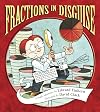
Fractions in Disguise is a clever and engaging story that turns math into a mystery! The book follows George Cornelius Factor, a young inventor and fraction expert, as he tracks down a valuable fraction that has been stolen and disguised. With creative gadgets and quick thinking, he uncovers the mystery while reinforcing key math concepts in a fun, kid-friendly way. This story not only makes fractions feel exciting but also helps middle school readers see math in a new light. The vibrant show more illustrations and playful tone make this a great pick for math-loving students or reluctant learners alike. show less
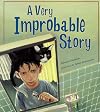
A higher-level book on probability and odds. There is good terminology throughout that make sense in the context of the story. In a nice blend of math terminology and rich story-telling language Einhorn manages a helpful, but also enjoyable story. For younger students with an interesting this story could prove valuable for exploring ideas like odds, fractions, and the likelihood of an outcome. Ethan, the narrator, explains what he is doing and the idea of probability to his younger sister, show more helping illustrate the idea in a clever way. You could perform some of the same probability experiments or games that the narrator attempts to get the cat off his head. show less
Lists
Awards


You May Also Like


Associated Authors
Statistics
- Works
- 8
- Also by
- 3
- Members
- 578
- Popularity
- #43,350
- Rating
- 3.9
- Reviews
- 52
- ISBNs
- 21
