
Bruce Page (1936–2022)
Author of The Philby Conspiracy
About the Author
Works by Bruce Page
"Do you sincerely want to be rich?" The full story of Bernard Cornfeld and IOS (1971) 55 copies, 2 reviews
Heroic Fantasy 1 copy
Tagged
Common Knowledge
- Birthdate
- 1936-12-01
- Date of death
- 2022-03-11
- Gender
- male
- Education
- University of Melbourne
- Occupations
- journalist
magazine editor - Organizations
- The Sunday Times, Insight Team
New Statesman - Nationality
- UK
- Birthplace
- London, England, UK
- Associated Place (for map)
- England, UK
Members
Reviews

While this book has one author, it is actually the work of three English journalists covering the election. The "Melodrama" in the title plays on their structure of "XII" "acts" and a coda. I think they would have been better dropping that idea, but the depth of coverage makes this a revealing look at presidential politics from primaries to election. It is also interesting how much has changed. Primaries were not universal, yet, and two-party politics more so with George Wallace & Curtis show more LeMay
nabbing an electoral vote of 46 for the American Independent party and a vocal advocacy for racial segregation in public schools and a viable option for the hawks.
The Republican nominee, former Vice President Richard Nixon, won the election over the Democratic nominee, incumbent Vice President Hubert Humphrey. This made a winner out of Nixon the loser and showed Humphrey could not get out of Johnson's shadow.
The bulk of this book is on the primaries which is where the drama was, despite the October surprise of Paris peace talks shenanigans around Johnson and Nixon.
On the Democratic side, those primaries had the late entry of Senator Robert F. Kennedy, assassinated June 6, 1968 on the night of a California victory. Many of his follower threw in with Eugene McCarthy
as an anti-war candidate with others flocking to Senator George McGovern for his outspoken opposition to the growing U.S. involvement in the Vietnam War. These two became much more viable without RFK and with President Lyndon B. Johnson withdrawing Mar 31, 1968. This all came to a head at the 1968 Chicago convention and its hippy-bashing police riot.
On the Republican side we had primary contestants Governor Ronald Reagan of California, when that state was basically Republican and Governor Nelson Rockefeller of New York trying to defeat his own image as plutocrat and Governor George Romney of Michigan on the scene until he withdrew Feb 28, 1968.
It makes me think our election year is even less about hawks and doves and spawning less violence and protests and, in a sense, less present and fierce.
Like Alexis de Tocqueville, these European correspondents over in their reportage much that was true then and rings true now, like
"...personal influence is probable the most effective means of persuading people who are uncertain about voting at all that they should vote. And voters of low motivation, once brought to the polls, are more likely than not to be Democrats. Similarly, the more people vote, the better for the Democrats, since there are more of them."
On the Republican side, a bluening state map and a failure to disavow or reign in the most radical right-wingers proves to be a long, long problem for Republicans and it would seem a party split or triumphant third party may prove the ultimate reckoning. show less
nabbing an electoral vote of 46 for the American Independent party and a vocal advocacy for racial segregation in public schools and a viable option for the hawks.
The Republican nominee, former Vice President Richard Nixon, won the election over the Democratic nominee, incumbent Vice President Hubert Humphrey. This made a winner out of Nixon the loser and showed Humphrey could not get out of Johnson's shadow.
The bulk of this book is on the primaries which is where the drama was, despite the October surprise of Paris peace talks shenanigans around Johnson and Nixon.
On the Democratic side, those primaries had the late entry of Senator Robert F. Kennedy, assassinated June 6, 1968 on the night of a California victory. Many of his follower threw in with Eugene McCarthy
as an anti-war candidate with others flocking to Senator George McGovern for his outspoken opposition to the growing U.S. involvement in the Vietnam War. These two became much more viable without RFK and with President Lyndon B. Johnson withdrawing Mar 31, 1968. This all came to a head at the 1968 Chicago convention and its hippy-bashing police riot.
On the Republican side we had primary contestants Governor Ronald Reagan of California, when that state was basically Republican and Governor Nelson Rockefeller of New York trying to defeat his own image as plutocrat and Governor George Romney of Michigan on the scene until he withdrew Feb 28, 1968.
It makes me think our election year is even less about hawks and doves and spawning less violence and protests and, in a sense, less present and fierce.
Like Alexis de Tocqueville, these European correspondents over in their reportage much that was true then and rings true now, like
"...personal influence is probable the most effective means of persuading people who are uncertain about voting at all that they should vote. And voters of low motivation, once brought to the polls, are more likely than not to be Democrats. Similarly, the more people vote, the better for the Democrats, since there are more of them."
On the Republican side, a bluening state map and a failure to disavow or reign in the most radical right-wingers proves to be a long, long problem for Republicans and it would seem a party split or triumphant third party may prove the ultimate reckoning. show less

In the early 1950s, two British intelligence agents defected to the Soviet Union, throwing suspicion on one of Britain's highest-placed intelligence officers, Kim Philby, whom many thought to have warned the defectors of their imminent arrest. But Philby was cleared, and it was not until several years later that he himself defected and the world learned the scope o the greatest disaster and embarrassment in the history of British national intelligence. Philby and the two other agents (Guy show more Burgess and Donald Maclean) had been fellow students at Cambridge and had there been recruited by the Soviets. Though each man was bedeviled by alcoholism, they all three rose to positions of prominence in the intelligence service, and all three cost England and the United States badly in terms of information and the lives of agents. This book, written not long after Philby's defection, was published before the full extent of the double-agent ring was known and the British government further humiliated. But it covers the lives of all three spies most effectively, and the story is richly detailed (despite the difficulties of researching the secret world of intelligence and counter-intelligence). This is a fascinating read. show less
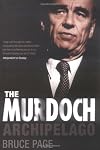
Bruce Page obviously loves the profession of journalism and has written a fine book about the business in it's political environment, specifically relating to Rupert Murdoch.
Murdoch's father Keith became an Australian hero by attacking the "Establishment" with populist lies about the ill fated Gallipoli landings and his son follows in his footsteps, also posing as an outsider while attaching himself to any political group in power.
Page amply illustrates the fiction of editorial independence show more at News International and shows beyond dispute that the group has achieved it's dominance by trading populist press support for political favours.
I think that it helps to have a familiarity with Anglo/American/Australian politics and press history from the 1970's onwards, but if you do have this interest, then it's an extremely valuable reflection on the real life power plays, idealism, responsibilities, confusions and compromises of journalism - in fact the best that I've read. show less
Murdoch's father Keith became an Australian hero by attacking the "Establishment" with populist lies about the ill fated Gallipoli landings and his son follows in his footsteps, also posing as an outsider while attaching himself to any political group in power.
Page amply illustrates the fiction of editorial independence show more at News International and shows beyond dispute that the group has achieved it's dominance by trading populist press support for political favours.
I think that it helps to have a familiarity with Anglo/American/Australian politics and press history from the 1970's onwards, but if you do have this interest, then it's an extremely valuable reflection on the real life power plays, idealism, responsibilities, confusions and compromises of journalism - in fact the best that I've read. show less
Do You Sincerely Want to be Rich?: Bernard Cornfeld and International Overseas Services by Charles Raw

The authors provide a great account of the rise and fall of Investors Overseas Services (IOS) from its involvement in the first mutual funds of the early 1960's to its eventual bankruptcy in the early 1970's. As they say, "The real lesson of the IOS story is an old one: it is that human communication is so fragile that a man can put out whatever propaganda he likes in his own interest and be sure that enough of it will be believed to make his fortune."
IOS was essentially Bernie Cornfeld and show more Edward Cowett using Cornfeld's sales line that they were the first to provide top class investment advice to the small man. The IOS funds used a committed and well paid international sales force to market this concept and it was the cost of this along with desperate performance chasing investments that eventually sank them.
This is one of my favourite books and just as enjoyable as Eichenwald's "Conspiracy of Fools" (Enron story) for the high quality research and stranger than fiction main characters. show less
IOS was essentially Bernie Cornfeld and show more Edward Cowett using Cornfeld's sales line that they were the first to provide top class investment advice to the small man. The IOS funds used a committed and well paid international sales force to market this concept and it was the cost of this along with desperate performance chasing investments that eventually sank them.
This is one of my favourite books and just as enjoyable as Eichenwald's "Conspiracy of Fools" (Enron story) for the high quality research and stranger than fiction main characters. show less
Awards

You May Also Like


Associated Authors
Statistics
- Works
- 6
- Members
- 555
- Popularity
- #44,975
- Rating
- 3.4
- Reviews
- 11
- ISBNs
- 26
- Languages
- 2