
Elisabeth Elliot (1926–2015)
Author of Through Gates of Splendor
About the Author
Elisabeth Elliot (1926-2015) was one of the most perceptive and popular Christian writers of the last century. The author of more than twenty books, including Passion and Purity, The Journals of Jim Elliot, and These Strange Ashes, Elliot offered guidance and encouragement to millions of readers show more worldwide. For more information about Elisabeth's books, visit elisabethelliot.org. show less
Image credit: Used by permission of Baker Publishing Group, copyright © 2008. All rights to this material are reserved. Materials are not to be distributed to other web locations for retrieval, published(see © info.)
Works by Elisabeth Elliot
On Asking God Why: And Other Reflections on Trusting God in a Twisted World (1989) 798 copies, 3 reviews
A Path Through Suffering: Discovering the Relationship Between God's Mercy and Our Pain (1990) 637 copies, 1 review
Made for the Journey: One Missionary's First Year in the Jungles of Ecuador (2018) 34 copies, 6 reviews
Elisabeth Elliot Omnibus: "Through Gates of Splendour", "Shadow of the Almighty", "No Graven Image" (1997) 24 copies
Through Gates of Splendor 4 copies
THE SAVAGE MY KINSMEN 3 copies
Love of the world [sound recording] 3 copies
U sjeni Svemogućeg (22 Ell) 2 copies
Through Gates of Splendor 2 copies
The Elisabeth Elliot Newsletter 2 copies
A Peaceful Home, Part Two 2 copies
Passion and Purity, cy. 2 1 copy
What My Parents Did Right 1 copy
The Inner Child 1 copy
Walk as He Walked 1 copy
Through Gates of Splendor 1 copy
Salbaticii- Rudele Mele 1 copy
Cararea Singuratatii 1 copy
A talk with Elisabeth Elliot 1 copy
Umbra Celui Atotputernic 1 copy
Through gates of Splender — Author — 1 copy
Shadow of the Almighty 1 copy
Music of His Promises, The 1 copy
The Great Commission 1 copy
Bringing Up Baby 1 copy
郵遞真愛--熱情與純潔的對話 1 copy
Zwischen Gesetz und Freiheit 1 copy
denn ich bin der Herr 1 copy
Operasjon Auca 1 copy
Elisabeth Elliot: A Heart For God – An Inspirational DaySpring DayBrightener – Perpetual Calendar (2022) 1 copy
The Foundation of Faith 1 copy
Blessed Inconveniences 1 copy
Associated Works
Tagged
Common Knowledge
- Canonical name
- Elliot, Elisabeth
- Legal name
- Elliot, Elisabeth Howard
- Other names
- 麗莎. 艾莉亞特
伊麗莎白. 艾略特
伊麗沙白.伊略
麗莎. 艾莉亞特 - Birthdate
- 1926-12-21
- Date of death
- 2015-06-15
- Gender
- female
- Education
- Wheaton College (BA|1948)
- Occupations
- missionary
Christian author
public speaker - Organizations
- Gordon-Conwell Theological Seminary
- Relationships
- Howard, Philip E. (father)
Leitch, Addison H (spouse)
Howard, Thomas T. (brother)
Howard, David (brother) - Cause of death
- complications of dementia
- Nationality
- Belgium (birth)
USA (birth) - Birthplace
- Brussels, Belgium
- Places of residence
- Franconia, New Hampshire, USA
Philadelphia, Pennsylvania, USA
Moorestown, New Jersey, USA
Ecuador (missionary)
Quito, Ecuador (marriage ∙ 1953)
Franconia, New Hampshire, USA (1963) (show all 7)
Gloucester, Massachusetts, USA - Place of death
- Gloucester, Massachusetts, USA
- Burial location
- Hamilton Cemetery, Hamilton, Massachusetts, USA
- Associated Place (for map)
- USA
Members
Reviews

I truly enjoyed this fictional portrayal of a single missionary in rural south America. Elliot uses fiction to explore ideas in missionary work that for whatever reason were not being discussed elsewhere. It is a nuanced look at the desire of Christians to be personal saviors, and what happens when the results of our efforts are neutral or even negative. It is not hostile to mission work, but is critical of overly sentimental views of missions, including meddling with a culture, and show more evaluating success based on results. I'm shocked thiat this book has not be rediscovered. It is timely and would be worthwhile discussing, no matter who wrote it. May be a good book club selection. show less
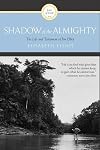
This was one of the best biographies I have ever read. Instead of simply telling us about Jim, Mrs. Elliot shows us who Jim was through his writings providing a far more poignant effect than most biographies. Reading through this, I felt like I honestly knew Jim. There were points when I would say, "That is totally a Jim thing to do." because I just felt like he was one of my friends and not just some person I was reading about.
More importantly, this book is spiritual inspiring and show more restoring. Reading this helped make Jesus more real to me again. It reminded me that I can take anything and everything to Him. It also encouraged me to yearn for more of God than what I've been getting. God has so much more in store for me if I would just let go and trust Him.
Beyond that, I also felt that this book is a good relationship guide. Jim and Betty's earnest desire to seek God's will above all else is a grand example of how everybody should go about pursuing a romantic relationship. I think, their experience has opened my eyes to some things about my own decisions and views on relationships that needed to change.
Basically, this was an amazing book, and the Epilogue was an absolutely perfect ending. It was like a summary of who Jim was and where his heart lay. show less
More importantly, this book is spiritual inspiring and show more restoring. Reading this helped make Jesus more real to me again. It reminded me that I can take anything and everything to Him. It also encouraged me to yearn for more of God than what I've been getting. God has so much more in store for me if I would just let go and trust Him.
Beyond that, I also felt that this book is a good relationship guide. Jim and Betty's earnest desire to seek God's will above all else is a grand example of how everybody should go about pursuing a romantic relationship. I think, their experience has opened my eyes to some things about my own decisions and views on relationships that needed to change.
Basically, this was an amazing book, and the Epilogue was an absolutely perfect ending. It was like a summary of who Jim was and where his heart lay. show less
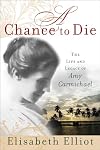
“Missionary life is simply a chance to die.”
This eight-word quote, from which Elisabeth Elliot takes the title of this biography, well summarizes Amy Carmichael’s life. Born into an Irish Presbyterian family in 1867, Amy spent eight decades pouring out her life for her beloved Crucified One in service to the least of his little ones. As she put it when urged to moderate her activity for her own health’s sake, “I would rather burn out than rust out.”
Elisabeth Elliot — a gifted show more writer, speaker, and missionary in her own right — was well-suited to write this biography. Having lost her own husband Jim to Kichwa spears, she understood something of sacrificing everything for the sake of the one who sacrificed himself for us.
I suspect Amy may have envied Jim Elliot the chance to die, literally, in the battle for souls. She conceived of Christianity in militant terms. In dozens of beautifully-written books, she wrote often of a spiritual war, of the need for soldiers, of opening fronts against Satan or defending against his attacks.
In part, she was no doubt encouraged in this by the nature of her work. Though she arrived in India as an itinerant preacher, intent on conversion through gospel preaching, her mission grew to include into the salvation of young girls from the temple prostitution she abhorred as satanic slavery.
That said, this was not the wellspring of her militant spirit, as much as she deplored the prospect of girls sold without consent or escape into a lifetime of slaking sacred lust. For Amy, material reality was just the reverse side of a spiritual reality animated by war between God and his unseen adversaries.
This might cause discomfort to Christians who, when it comes to theology, are more interested in the “logy” than the “theo.” Amy can’t be understood apart from the Keswick movement in which her soul was formed, and which blew through picky doctrinal distinctives in favor of an immanent spiritual life.
Like the Christian pietists and mystics she read and admired, Amy believed in prayer, in asking for and receiving signs, and in the power of God to intimate his will through dreams. She even believed that, for a fleeting and unrepeated period of time, she had been granted the gift of healing.
This never devolved into fronting herself as a prophet, or into attempts to call up miracles like Saul summoning the spirit of Samuel. Amy was grounded in Scripture as true revelation, and in the sovereign will of God who moves in his time as he chooses. Ours is but to ask, expect, accept, and act.
This may grate the nerves of some, but no less than they would grate hers. Amy had no patience with a faith satisfied by systematic precision and refined Sunday mornings. God is loving and living and active; so it makes no sense for his people, like the tide pools of her childhood, merely to exist in rock-solid sanctity growing lichens.
Amy died in 1951, but her ministry lives on. On the website of her Dohnavur Fellowship, now in its second century, you can read of the fellowship’s mission to engage in “Child Development, Education, Health care, Community Development & Conservation of Nature” for the purpose of “sharing the love of Jesus Christ with others in need.”
One of Amy’s favorite verses was John 12:24: “Verily, verily, I say unto you, Except a corn of wheat fall into the ground and die, it abideth alone: but if it die, it bringeth forth much fruit.” Three quarters of a century after her death, her spiritual descendants continue to prove the value of a life spent dying. show less
This eight-word quote, from which Elisabeth Elliot takes the title of this biography, well summarizes Amy Carmichael’s life. Born into an Irish Presbyterian family in 1867, Amy spent eight decades pouring out her life for her beloved Crucified One in service to the least of his little ones. As she put it when urged to moderate her activity for her own health’s sake, “I would rather burn out than rust out.”
Elisabeth Elliot — a gifted show more writer, speaker, and missionary in her own right — was well-suited to write this biography. Having lost her own husband Jim to Kichwa spears, she understood something of sacrificing everything for the sake of the one who sacrificed himself for us.
I suspect Amy may have envied Jim Elliot the chance to die, literally, in the battle for souls. She conceived of Christianity in militant terms. In dozens of beautifully-written books, she wrote often of a spiritual war, of the need for soldiers, of opening fronts against Satan or defending against his attacks.
In part, she was no doubt encouraged in this by the nature of her work. Though she arrived in India as an itinerant preacher, intent on conversion through gospel preaching, her mission grew to include into the salvation of young girls from the temple prostitution she abhorred as satanic slavery.
That said, this was not the wellspring of her militant spirit, as much as she deplored the prospect of girls sold without consent or escape into a lifetime of slaking sacred lust. For Amy, material reality was just the reverse side of a spiritual reality animated by war between God and his unseen adversaries.
This might cause discomfort to Christians who, when it comes to theology, are more interested in the “logy” than the “theo.” Amy can’t be understood apart from the Keswick movement in which her soul was formed, and which blew through picky doctrinal distinctives in favor of an immanent spiritual life.
Like the Christian pietists and mystics she read and admired, Amy believed in prayer, in asking for and receiving signs, and in the power of God to intimate his will through dreams. She even believed that, for a fleeting and unrepeated period of time, she had been granted the gift of healing.
This never devolved into fronting herself as a prophet, or into attempts to call up miracles like Saul summoning the spirit of Samuel. Amy was grounded in Scripture as true revelation, and in the sovereign will of God who moves in his time as he chooses. Ours is but to ask, expect, accept, and act.
This may grate the nerves of some, but no less than they would grate hers. Amy had no patience with a faith satisfied by systematic precision and refined Sunday mornings. God is loving and living and active; so it makes no sense for his people, like the tide pools of her childhood, merely to exist in rock-solid sanctity growing lichens.
Amy died in 1951, but her ministry lives on. On the website of her Dohnavur Fellowship, now in its second century, you can read of the fellowship’s mission to engage in “Child Development, Education, Health care, Community Development & Conservation of Nature” for the purpose of “sharing the love of Jesus Christ with others in need.”
One of Amy’s favorite verses was John 12:24: “Verily, verily, I say unto you, Except a corn of wheat fall into the ground and die, it abideth alone: but if it die, it bringeth forth much fruit.” Three quarters of a century after her death, her spiritual descendants continue to prove the value of a life spent dying. show less
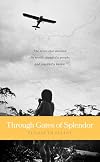
This is a memoir written by a missionary, about her now deceased husband and four other missionaries in his team. The five-member missionary team died in 1956 in the middle of their attempt to befriend aborigines living in Ecuadoran jungle. They were killed by the aborigines. I've heard this five-member team mentioned in church sermons, and I know their story was made into a movie The End of the Spear. The book gives a deeper, more realistic, and more detailed account of the lives of the show more five men and their mission work. Not as melodramatic. More thoughtful. I like it a lot. My favorite parts are the excerpts from the diaries and letters written by the five men in various stages of their lives. You get this really intimate encounter with the hearts and minds of these men of faith. I also really like the second epilogue written in 1996, in which the author communicated it is over-simplistic to say it was worth it for the five men to die since people from that aboriginal tribe received the Christian faith through continued missionary work, some performed by two of the five widows. She says there were problems with the missionary work she engaged in as well; things were not picture perfect. But God is sovereign; God is the God of human history. And to rest in that understanding and trust, instead of looking for an over-simplified, positive interpretation of tragedy is what she got out of this experience, 40 years after the incident. This is a book I would ask my kids to read some day, along with The Hiding Place by Corrie ten Boom.
But there is A LOT of details on jungle life and the daily dealings of a missionary living in the jungle. They teach, they treat the sick, the drive airplanes around the jungle to deliver necessities, they build things, the airdrop gifts to yet unreached people groups, they build houses, they build runways for airplanes.....No exciting adventure here. In this sense, the book was not a page turner. show less
But there is A LOT of details on jungle life and the daily dealings of a missionary living in the jungle. They teach, they treat the sick, the drive airplanes around the jungle to deliver necessities, they build things, the airdrop gifts to yet unreached people groups, they build houses, they build runways for airplanes.....No exciting adventure here. In this sense, the book was not a page turner. show less
Lists
Awards


You May Also Like


Associated Authors
Statistics
- Works
- 130
- Also by
- 2
- Members
- 25,401
- Popularity
- #823
- Rating
- 4.1
- Reviews
- 143
- ISBNs
- 376
- Languages
- 11
- Favorited
- 21