

Christine Schutt
Author of All Souls
About the Author
Image credit: David Kersey
Works by Christine Schutt
Associated Works
The Artists' and Writers' Cookbook: A Collection of Stories with Recipes (2016) — Contributor — 19 copies
Tagged
Common Knowledge
- Birthdate
- 1948
- Gender
- female
- Occupations
- novelist
short story writer - Relationships
- Schutt, Will (son)
- Nationality
- USA
- Birthplace
- Wisconsin
- Associated Place (for map)
- USA
Members
Reviews
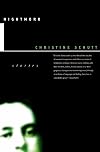
In the story of our lives, nothing much happens but that we drive past the same town sometimes and remember.Schutt���s prose shines here, and it���s something I tried to examine at some length in my review of her most recent novel Prosperous Friends, so I���ll point you there; in sum, though, Schutt���s use of poetic rhythm, discordant clauses, and lush, often archaic textures to sentences are the true focal point of her prose���the narrative is simply a boon.
In show more her collection Nightwork, Schutt���s stories center almost exclusively on the erotic lives of women and children, and also the ways in which violence, economics, and internalized gender expectations are interwoven in one���s relationships, be they with lovers or with siblings. ������Schutt���s prose is unflinching, and her subject matter is often oppressive: here we have, among other subjects, a woman being intimate with her father in the opening (and strongest) story in the collection; ���sisters��� fleeing from a seemingly misogynistic cult; a woman who plays at kissing with her son so that he will learn the art; daughters facing their mother���s mortality as they sift through all of the objects she has collected; and a lament for a teacher with whom one narrator has had an affair throughout both of their adult lives, a moving and disturbing story whose title is taken from Emily Dickinson���s poem ���Because I Could Not Stop for Death.���
A master craftsman and an impeccable, wholly original prose stylist, Schutt���s work demands to be read carefully for the luminous ways in which it renders textually the psychological and perverse cadences she tackles thematically.
4.5 stars show less
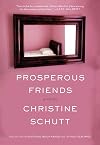
David Winters wrote a sound, glowing review for this book in the LARB. While it had been on my radar, his review is what made me take the plunge.
While the story here is fairly commonplace, about the trappings and miscommunications in interpersonal relationships, Schutt's prose is magisterial: it truly is the primary focus in Prosperous Friends.
There is a temptation perhaps to call Schutt's prose poetic, but this is a phrase so often used when discussing novelists' prose that it's hardly show more fitting here. By "poetic" I don't mean lush or flowery; I don't mean an attempt to suggest dreams or fantasies (although there is some of that here, too). What I mean by Schutt's poetic prose is that it's very technical and formal, yet at the same time loose and fluid—fluid, at least, in adherence to its own rhythms. Assonance, dissonance, syntactical ruptures: all of these formal and technical elements abound in this novel, causing us to be both within and without the characters: as Winters says in his review, "Schutt has mastered an intricate indirectness."
There is a Jamesian distancing here, and I think this might well frustrate some readers who may have picked up Prosperous Friends based on the plot summary; however, the prose is something to be marveled at, relished, and also puzzled over at times. I definitely look forward to reading more of Schutt's work after this wonderful performance—for there's no other word to describe the skill evident here, a truly wonderful performance. show less
While the story here is fairly commonplace, about the trappings and miscommunications in interpersonal relationships, Schutt's prose is magisterial: it truly is the primary focus in Prosperous Friends.
There is a temptation perhaps to call Schutt's prose poetic, but this is a phrase so often used when discussing novelists' prose that it's hardly show more fitting here. By "poetic" I don't mean lush or flowery; I don't mean an attempt to suggest dreams or fantasies (although there is some of that here, too). What I mean by Schutt's poetic prose is that it's very technical and formal, yet at the same time loose and fluid—fluid, at least, in adherence to its own rhythms. Assonance, dissonance, syntactical ruptures: all of these formal and technical elements abound in this novel, causing us to be both within and without the characters: as Winters says in his review, "Schutt has mastered an intricate indirectness."
There is a Jamesian distancing here, and I think this might well frustrate some readers who may have picked up Prosperous Friends based on the plot summary; however, the prose is something to be marveled at, relished, and also puzzled over at times. I definitely look forward to reading more of Schutt's work after this wonderful performance—for there's no other word to describe the skill evident here, a truly wonderful performance. show less
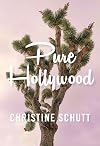
"....into this just-right night of Los Angeles in....? Let's just say it was May in the first decade of the hardly promising twenty -first century..."
For those of us who love short stories and Literary Fiction, starting a new collection is always a risk. The short stories don't really allow you to truly know a character, to fully connect with the situations depicted. The writing is dense and the underlying themes require the readers' full attention. This is why I love short stories so much show more and the reason I tend to be quite picky. In this marvellous collection by Christine Schutt, there are characters that open their hearts to us readers, there are themes that concern us on a daily basis, there is poetry and pain. So, it's not an easy read. If you're looking for a collection to spend some quality time, then "Pure Hollywood" is there for you. If you don't feel like investing time and thought, then I'm not sure you'll enjoy it.
I always associate Hollywood with vanity. Vanity and the hypocrisy of appearance and decorum are central in the stories. The characters are trapped by choices that are influenced by the terror of growing old, unwanted and unloved. Families come apart either by their own fault or by Death and the pain feels like heavy shackles. There is no "pure" narrator in those stories. The only thing that is "pure" is the desire to change what cannot be changed.
"At this hour, the road is not much travelled; its residents living far apart and withdrawn into their woods and behind their fences, are abed."
Isolation is almost tangible in these stories. Even the couples are only technically together. In terms of emotion and connection they couldn't be further apart. No one opens heart and soul, no one dares to give voice to feelings. They are isolated from each other and from themselves. However, they speak to the reader, their cry for help, their cry of regret is loud and clear.
"Death: will it be sudden and will we be smiling? Will we know ourselves and the life we have lived?"
This collection has Death as one of its central themes. Physical and emotional death, the loss of a loved one, the loss of innocence, the loss of all meaning. Flowery images and garden sceneries become a metaphor for the need of preservation, the need to have something alive and beautiful that will eventually go to waste because we never open ourselves to anyone.
I don't have much to say about Schutt's writing. In my opinion, it is exquisite in all levels. Poetic, literary, dark, balanced. In a few pages, there are so many themes and questions. The characters are mysterious, each one could very well live inside their own book. There is very little dialogue, but many inner monologues that are almost theatrical in nature. There are traces of Groff, of Watkins and Offill, of Fitzgerald and Woolf.
All the stories of this collection are very, very good, but there are some that really stood out for me:
"Pure Hollywood" : A complex relationship between a sister and a brother and the complications of a marriage of convenience.
"The Hedges" : A tragic tale about motherhood and the demanding nature of parenthood.
"Species of Special Concern" : An elderly gardener in love with his brother's dying wife. There are some beautiful images of life, love and death told through the use of flowers.
"A Happy Rural Seat of Various View: Lucinda's Garden" : Striking title, isn't it? There are elements of Fitzgerald in this story. A newly married couple is in charge of a famous garden which becomes a metaphor for their marriage.
"The Duchess of Albany" : A recently widowed woman struggles to cope with loss, thinking that drinking and writing poetry are the means to escape.
"Where You Live, When You Need Me" : One of the most enigmatic stories about a mysterious, imposing woman who has a deep love for children.
"Burst Ponds, Gone-By, Tangled Aster" : A mother who struggles with loss and a son who's good for nothing. A story about acceptance, tolerance and the severe lack of both in today's society.
"Oh, the Obvious" : An elderly woman, dissatisfied with her life and her appearance, is on vacation in the countryside. A story that focuses on the merciless passing of Time with underlying sexual themes.
"The Lady From Connecticut" : This story reminded me of Virginia Woolf's "Mrs Dalloway" from the first paragraph.
These short stories are among the best I've read. However, I hesitate to recommend "Pure Hollywood" without reservations because I am aware that some of the themes incorporated in it may seem depressing and disturbing to the most sensitive of readers. But if you desire to invest in poetic, cryptic writing and contemplate on questions that shape our choices and lives, then you should definitely try your luck with this book whose content is as beautiful as its cover.
Many thanks to Grove Atlantic and NetGalley for this ARC in exchange for an honest review. show less
For those of us who love short stories and Literary Fiction, starting a new collection is always a risk. The short stories don't really allow you to truly know a character, to fully connect with the situations depicted. The writing is dense and the underlying themes require the readers' full attention. This is why I love short stories so much show more and the reason I tend to be quite picky. In this marvellous collection by Christine Schutt, there are characters that open their hearts to us readers, there are themes that concern us on a daily basis, there is poetry and pain. So, it's not an easy read. If you're looking for a collection to spend some quality time, then "Pure Hollywood" is there for you. If you don't feel like investing time and thought, then I'm not sure you'll enjoy it.
I always associate Hollywood with vanity. Vanity and the hypocrisy of appearance and decorum are central in the stories. The characters are trapped by choices that are influenced by the terror of growing old, unwanted and unloved. Families come apart either by their own fault or by Death and the pain feels like heavy shackles. There is no "pure" narrator in those stories. The only thing that is "pure" is the desire to change what cannot be changed.
"At this hour, the road is not much travelled; its residents living far apart and withdrawn into their woods and behind their fences, are abed."
Isolation is almost tangible in these stories. Even the couples are only technically together. In terms of emotion and connection they couldn't be further apart. No one opens heart and soul, no one dares to give voice to feelings. They are isolated from each other and from themselves. However, they speak to the reader, their cry for help, their cry of regret is loud and clear.
"Death: will it be sudden and will we be smiling? Will we know ourselves and the life we have lived?"
This collection has Death as one of its central themes. Physical and emotional death, the loss of a loved one, the loss of innocence, the loss of all meaning. Flowery images and garden sceneries become a metaphor for the need of preservation, the need to have something alive and beautiful that will eventually go to waste because we never open ourselves to anyone.
I don't have much to say about Schutt's writing. In my opinion, it is exquisite in all levels. Poetic, literary, dark, balanced. In a few pages, there are so many themes and questions. The characters are mysterious, each one could very well live inside their own book. There is very little dialogue, but many inner monologues that are almost theatrical in nature. There are traces of Groff, of Watkins and Offill, of Fitzgerald and Woolf.
All the stories of this collection are very, very good, but there are some that really stood out for me:
"Pure Hollywood" : A complex relationship between a sister and a brother and the complications of a marriage of convenience.
"The Hedges" : A tragic tale about motherhood and the demanding nature of parenthood.
"Species of Special Concern" : An elderly gardener in love with his brother's dying wife. There are some beautiful images of life, love and death told through the use of flowers.
"A Happy Rural Seat of Various View: Lucinda's Garden" : Striking title, isn't it? There are elements of Fitzgerald in this story. A newly married couple is in charge of a famous garden which becomes a metaphor for their marriage.
"The Duchess of Albany" : A recently widowed woman struggles to cope with loss, thinking that drinking and writing poetry are the means to escape.
"Where You Live, When You Need Me" : One of the most enigmatic stories about a mysterious, imposing woman who has a deep love for children.
"Burst Ponds, Gone-By, Tangled Aster" : A mother who struggles with loss and a son who's good for nothing. A story about acceptance, tolerance and the severe lack of both in today's society.
"Oh, the Obvious" : An elderly woman, dissatisfied with her life and her appearance, is on vacation in the countryside. A story that focuses on the merciless passing of Time with underlying sexual themes.
"The Lady From Connecticut" : This story reminded me of Virginia Woolf's "Mrs Dalloway" from the first paragraph.
These short stories are among the best I've read. However, I hesitate to recommend "Pure Hollywood" without reservations because I am aware that some of the themes incorporated in it may seem depressing and disturbing to the most sensitive of readers. But if you desire to invest in poetic, cryptic writing and contemplate on questions that shape our choices and lives, then you should definitely try your luck with this book whose content is as beautiful as its cover.
Many thanks to Grove Atlantic and NetGalley for this ARC in exchange for an honest review. show less
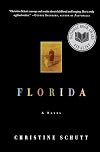
In this slender novel, Christine Schutt has written a poem to loss and loneliness, to the anguish of losing parents, to the threat of heredity ("you're just like your mother") to the ephemeral joy of connecting, in some small way, even in fantasies; and to the saving grace of words.
The novel is told, in short, fragmented chapters, by Alice Fivey, who opens the novel remembering a happier time, when her father was still alive and her mother was living at home:
"One winter afternoonƒ??an entire show more winterƒ??it was my father who was taking us. Father and Mother and I, we were going to Floridaƒ??who knew for how long? I listened in at the breakfast table whenever I heard talk of sunshine. I asked questions about our living there that made them smile. We all smiled a lot at the breakfast table. We ate sectioned fruit capped with bleedy maraschinosƒ??my favorite! The squeezed juice of the grapefruit was grainy with sugar and pulpy, sweet, pink. 'Could I have more?' I asked, and my father said sure. In Florida, he said it was good health all the time. No winter coats in Florida, no boots, no chains, no salt, no plows and shovels. In the balmy state of Florida, fruit fell in the meanest yard. Sweets, nuts, saltwater taffies in seashell colors. In the Florida we were headed for the afternoon was swizzled drinks and cherries to eat, stem and all: 'Hereƒ??s to you, hereƒ??s to me, hereƒ??s to our new home!' One winter afternoon in our favorite restaurant, there was Florida in our future while I was licking at the foam on the fluted glass, biting the rind and licking sugar, waiting for what was promised: the maraschino cherry, ever-sweet every time."
Alice's father dies in an accident soon after this memory, drowning after he drove his car into a lake. Alice is only five when he dies. For two years afterwards, her mother (also named Alice) and Alice cling to the promise of a Florida where life is easy and the sun is warm, in the face of frigidly cold winters, a succession of brutal boyfriends (all of whom Alice and her mother call Walter), and an extended family that looks down on Alice Sr.'s erratic behavior. Alice's mother is loud, while her brother and mother are quiet. She is profligate in her generosity to others, while her brother and mother carefully hoard their wealth. She makes public scenes, while her brother and mother are careful to avoid unpleasant topics and keep their voices down. When Alice is seven, the family chauffeur and handyman, Arthur, drives her to The San, where she remains throughout her daughter's childhood.
Schutt is masterful in using a few words and phrases to evoke Alice's life without her mother. Living first with her wealthy Uncle Billy and Aunt Frances, and briefly in a huge mansion with her bedridden grandmother, Alice is haunted by the specter of her mother. She and her relatives continually compare her to her mother -- both are loud, "all mouth." Soon after her mother is admitted to The San, the following scene takes place: "As soon as Uncle Billy was gone, Aunt Frances caught me at the cupboards, finding my thumb in Motherƒ??s thumb-cut crystal glasses. 'Snooping!' she said. 'Your mother liked to snoop, too. Did you know that? Next time, ask.'ƒ?� Aunt Frances and Uncle Billy constantly criticize Alice's mother for being a spendthrift, suggesting that Alice may follow in her footsteps: "Aunt Frances spoke of money, of Uncle Billyƒ??s, Nonnaƒ??s, and her own, but not my motherƒ??s; what was left of my motherƒ??s was knotted in trusts and Nonna was paying for meƒ??didnƒ??t I know that? Aunt Frances said, and said often, 'Didnƒ??t your mother teach you?' Simple economies and healthful ways. There were rules, manners. Made beds and sailing spoons. 'Napkins first and last,' she said, 'and the napkin ring is yours,' and so it was, handwrought and hammered, a gothic napkin ring with my motherƒ??s name, which was also mine, Alice.
"Alice, Alice, Alice, Alice!" Throughout the novel, Schutt eloquently -- and painfully -- depicts Alice's conflict between fearing she is like her mother, and hoping she is like her mother.
Schutt's writing is breathtakingly eerie, sad, beautiful, strange. With not a wasted word, she paints indelible images. The San is described as having: "Wavy grounds, old trees, floating nurses." She depicts Alice's mother just before she was driven to The San: "Mother was wearing the falling-leaves coat in the falling-leaf colors, a thing blown it was she seemed, past its season, a brittle skittering across the icy snow to where Arthur stood by the car, fogged in." Schutt lends the same deft touch to her descriptions of weather, houses, landscapes: "The air then was coppery with music...." Schutt's prose elevates this novel above its relatively simple plot.
As the book progresses, we trace Alice's life after she is living on her own in New York. As she struggles with the Walters in her own life, flies across the country to visit her mother, and seeks to become a poet, as she believes her father wanted to be, Alice must come to terms with her inheritances as well as with her individuality. There are no easy solutions to Alice's dilemmas, because they are part of life. Schutt's ability to convey the mess and uncertainty of an adult life, the tenuous ties to the past and the hesitant hopes for future, and to turn that life into poetry, is richly rewarding. This novel is highly recommended.
Many thanks to Open Road and to Netgalley for sending me this ARC. show less
The novel is told, in short, fragmented chapters, by Alice Fivey, who opens the novel remembering a happier time, when her father was still alive and her mother was living at home:
"One winter afternoonƒ??an entire show more winterƒ??it was my father who was taking us. Father and Mother and I, we were going to Floridaƒ??who knew for how long? I listened in at the breakfast table whenever I heard talk of sunshine. I asked questions about our living there that made them smile. We all smiled a lot at the breakfast table. We ate sectioned fruit capped with bleedy maraschinosƒ??my favorite! The squeezed juice of the grapefruit was grainy with sugar and pulpy, sweet, pink. 'Could I have more?' I asked, and my father said sure. In Florida, he said it was good health all the time. No winter coats in Florida, no boots, no chains, no salt, no plows and shovels. In the balmy state of Florida, fruit fell in the meanest yard. Sweets, nuts, saltwater taffies in seashell colors. In the Florida we were headed for the afternoon was swizzled drinks and cherries to eat, stem and all: 'Hereƒ??s to you, hereƒ??s to me, hereƒ??s to our new home!' One winter afternoon in our favorite restaurant, there was Florida in our future while I was licking at the foam on the fluted glass, biting the rind and licking sugar, waiting for what was promised: the maraschino cherry, ever-sweet every time."
Alice's father dies in an accident soon after this memory, drowning after he drove his car into a lake. Alice is only five when he dies. For two years afterwards, her mother (also named Alice) and Alice cling to the promise of a Florida where life is easy and the sun is warm, in the face of frigidly cold winters, a succession of brutal boyfriends (all of whom Alice and her mother call Walter), and an extended family that looks down on Alice Sr.'s erratic behavior. Alice's mother is loud, while her brother and mother are quiet. She is profligate in her generosity to others, while her brother and mother carefully hoard their wealth. She makes public scenes, while her brother and mother are careful to avoid unpleasant topics and keep their voices down. When Alice is seven, the family chauffeur and handyman, Arthur, drives her to The San, where she remains throughout her daughter's childhood.
Schutt is masterful in using a few words and phrases to evoke Alice's life without her mother. Living first with her wealthy Uncle Billy and Aunt Frances, and briefly in a huge mansion with her bedridden grandmother, Alice is haunted by the specter of her mother. She and her relatives continually compare her to her mother -- both are loud, "all mouth." Soon after her mother is admitted to The San, the following scene takes place: "As soon as Uncle Billy was gone, Aunt Frances caught me at the cupboards, finding my thumb in Motherƒ??s thumb-cut crystal glasses. 'Snooping!' she said. 'Your mother liked to snoop, too. Did you know that? Next time, ask.'ƒ?� Aunt Frances and Uncle Billy constantly criticize Alice's mother for being a spendthrift, suggesting that Alice may follow in her footsteps: "Aunt Frances spoke of money, of Uncle Billyƒ??s, Nonnaƒ??s, and her own, but not my motherƒ??s; what was left of my motherƒ??s was knotted in trusts and Nonna was paying for meƒ??didnƒ??t I know that? Aunt Frances said, and said often, 'Didnƒ??t your mother teach you?' Simple economies and healthful ways. There were rules, manners. Made beds and sailing spoons. 'Napkins first and last,' she said, 'and the napkin ring is yours,' and so it was, handwrought and hammered, a gothic napkin ring with my motherƒ??s name, which was also mine, Alice.
"Alice, Alice, Alice, Alice!" Throughout the novel, Schutt eloquently -- and painfully -- depicts Alice's conflict between fearing she is like her mother, and hoping she is like her mother.
Schutt's writing is breathtakingly eerie, sad, beautiful, strange. With not a wasted word, she paints indelible images. The San is described as having: "Wavy grounds, old trees, floating nurses." She depicts Alice's mother just before she was driven to The San: "Mother was wearing the falling-leaves coat in the falling-leaf colors, a thing blown it was she seemed, past its season, a brittle skittering across the icy snow to where Arthur stood by the car, fogged in." Schutt lends the same deft touch to her descriptions of weather, houses, landscapes: "The air then was coppery with music...." Schutt's prose elevates this novel above its relatively simple plot.
As the book progresses, we trace Alice's life after she is living on her own in New York. As she struggles with the Walters in her own life, flies across the country to visit her mother, and seeks to become a poet, as she believes her father wanted to be, Alice must come to terms with her inheritances as well as with her individuality. There are no easy solutions to Alice's dilemmas, because they are part of life. Schutt's ability to convey the mess and uncertainty of an adult life, the tenuous ties to the past and the hesitant hopes for future, and to turn that life into poetry, is richly rewarding. This novel is highly recommended.
Many thanks to Open Road and to Netgalley for sending me this ARC. show less
Lists
Awards


You May Also Like


Associated Authors
Statistics
- Works
- 8
- Also by
- 7
- Members
- 665
- Popularity
- #37,922
- Rating
- 3.5
- Reviews
- 28
- ISBNs
- 26
- Languages
- 1
- Favorited
- 3