
Catherine Chidgey
Author of Pet
About the Author
Catherine Chidgey was born in 1970 and grew up in New Zealand. Her first novel, In a Fishbone Church, was published in 1999 and won Best First Book at the New Zealand Book Awards and at the Commonwealth Writers' Prize. It also won a Betty Trask Award and was longlisted for the Orange Prize. Her show more second novel, Golden Deeds, was chosen by Time Out magazine asa book of the year, and was a 2002 Best Book in the La Times Book Review and a 2002 Notable Book in the New York Times Book Review. Her third novel, The Transformation, was chosen by Barnes & Noble as a Discover Pick in 2005. In 2013 she won the BNZ Katherine Mansfield Award. Catherine has held the Sargeson Fellowship; the Todd New Writers¿ Bursary; the Katherine Mansfield Memorial Fellowship to Menton, France; the Rathcoola Residency to Cork, Ireland; the NZSA Peter and Dianne Beatson Fellowship; and the University of Otago Wallace Residency at the Pah Homestead in Auckland. In 2002 she won the inaugural Prize in Modern Letters and in 2003 she was named as the best New Zealand under 40. (Bowker Author Biography) show less
Image credit: Chidgey in November 2019
Works by Catherine Chidgey
Associated Works
Are Angels OK?: The Parallel Universes of New Zealand Writers and Scientists (2006) — Contributor — 16 copies, 1 review
The Colour of Distance: New Zealand Writers in France, French Writers in New Zealand (2006) — Contributor — 3 copies
Tagged
Common Knowledge
- Birthdate
- 1970-04-08
- Gender
- female
- Education
- Victoria University of Wellington, New Zealand
- Occupations
- novelist
- Awards and honors
- Katherine Mansfield Memorial Fellow (2001)
Glenn Schaeffer Prize in Modern Letters (2002)
Ursula Bethell Residency in Creative Writing (2003)
Robert Burns Fellowship (2005)
Robert Burns Fellowship (2006)
DAAD scholarship - Agent
- Kim Witherspoon (InkWell Management)
- Nationality
- New Zealand
- Birthplace
- New Zealand
- Places of residence
- Lower Hutt, New Zealand
Berlin, Germany
Dunedin, New Zealand
Ngaruawahia, Waikato, New Zealand - Associated Place (for map)
- New Zealand
Members
Reviews
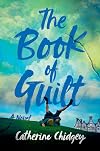
This is speculative fiction evoking a sinister society that could have evolved in post-war Britain during the late 70’s. Despite describing an alternative history, as well as a different time and place, one can easily see similarities with today that are raising concern globally. Questions about excessive surveillance, medical ethics, authoritarian control and inequality suggest uncertain futures in many societies. Along with these ideas, Chidgey deftly explores the time-honored theme of show more nature vs nurture in both societal and personal contexts. Furthermore, she considers the state’s responsibility for truth-telling.
Three voices narrate the story. Along with Lawrence and William, Vincent is one triplet living in a state-run care facility known as the Captain Scott Home for Boys. Nancy is an only child living an isolated existence with excessively protective parents. And Sylvia Dalton, known as the Minister of Loneliness, is a government official tasked with humanely dismantling a national network of outdated care facilities called the Sycamore Homes.
The plot is complex with multiple twists and surprises that should not be revealed here. However, the use of multiple voices and perspectives seems ill-advised because they tend to muddle an already complicated story. This is especially the case during the beginning chapters when Chidgey very slowly and deliberately builds a dark and unnerving mood. Some might find this unhurried and diffuse development of the various plot elements to be too slow, yet it effectively does build tension and suspense. One wonders if that aim could have been achieved with better use of narration and management of pace. Notwithstanding this obvious flaw, the novel’s clear strength is that it incorporates multiple challenging ideas with an engaging plot that resolves in a satisfying conclusion. show less
Three voices narrate the story. Along with Lawrence and William, Vincent is one triplet living in a state-run care facility known as the Captain Scott Home for Boys. Nancy is an only child living an isolated existence with excessively protective parents. And Sylvia Dalton, known as the Minister of Loneliness, is a government official tasked with humanely dismantling a national network of outdated care facilities called the Sycamore Homes.
The plot is complex with multiple twists and surprises that should not be revealed here. However, the use of multiple voices and perspectives seems ill-advised because they tend to muddle an already complicated story. This is especially the case during the beginning chapters when Chidgey very slowly and deliberately builds a dark and unnerving mood. Some might find this unhurried and diffuse development of the various plot elements to be too slow, yet it effectively does build tension and suspense. One wonders if that aim could have been achieved with better use of narration and management of pace. Notwithstanding this obvious flaw, the novel’s clear strength is that it incorporates multiple challenging ideas with an engaging plot that resolves in a satisfying conclusion. show less
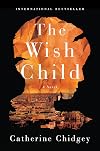
This title has been haunting since I finished reading (hearing) it. I know at least on person I'll be giving it to this year at Christmas.
The Wish Child is set primarily in Nazi Berlin with movement to a few other locations and up into East Berlin and post-wall Berlin. This book examines the ways in which we can perceive as clearly right actions that in retrospect are appalling. It also wrestles with the question of historical forgetting that can follow such atrocities. It's a painful read, show more but also beautiful and essential. Read it when you're ready to do hard thinking and reflecting—but definitely read it.
I won an audio book copy of this title in a Library Thing Early Reviewers giveaway. show less
The Wish Child is set primarily in Nazi Berlin with movement to a few other locations and up into East Berlin and post-wall Berlin. This book examines the ways in which we can perceive as clearly right actions that in retrospect are appalling. It also wrestles with the question of historical forgetting that can follow such atrocities. It's a painful read, show more but also beautiful and essential. Read it when you're ready to do hard thinking and reflecting—but definitely read it.
I won an audio book copy of this title in a Library Thing Early Reviewers giveaway. show less
 This review was written for LibraryThing Early Reviewers.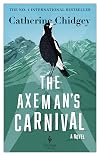
Of course I was tempted to pick this one up: a talking magpie, are you kidding me? After having become enamored of our own local magpie-adjacent winged ones many moons ago, I am an eager beaver for stories revolving around them, any of them.
Hence, Tama. That's the name of the baby magpie who falls out of a tree and is rescued by a softie woman named Marnie. Why Tama? Endearingly, the chick reminds Marnie of a certain Japanese toy from her childhood named Tamagochi.
Now mind, the entire show more novel is told in Tama's voice. And a witless fan of corvids I might be, but I did dither for a bit. Was the whole thing going to be too twee? Too out there? Too...something? Quaking with dread yet hoping for redemption, in I plunged.
And what I found is, Tama's voice is evocative, a little surreal, and even unique. That's when he's telling us about his original bird-self, his lost family, his adoption of Marnie as mother. But there's also his other voice. The voice that emerges once he decides to 'talk' to the humans, i.e. Marnie and the wife-beater, Rob. Turns out Tama is supremely gifted as one of those talking birds who can perfectly mimic a human voice and means to do it day in day out, like it or not.
Well, Marnie likes it. She loves it. She loves him, zipping up the fluffball in her jacket (who wouldn't) and caring for him like she would have cared for the baby she lost recently. Then she starts putting him in little outfits and sticking his antics on Twitter. Naturally, he breaks the internet and racks up zillions of followers who hang on his every word.
Now meanwhile, all is not well in Marnie's world. No, wifebeater Rob is a sheep farmer who's having tough luck. Their inherited house is literally falling down around them. Then Rob is also a jealous idiot who drinks a bit too much and refuses to take advice and help from next-door neighbors, Marnie's sister and brother in law. Oh, and he's also nine-time champion at the Axeman's Carnival, which event consists of Men Splitting Logs and is a matter of Great Manly Prestige in their small New Zealand town.
In this chaotic time Tama and Marnie bond tenderly. Poor Tama! The details about the little outfits she makes for him broke my heart: fireman, nurse? Come on! Tama is a witness to the sod Rob beating Marnie, but remember, Tama is a wild bird. Much as we want him to rescue Marnie, he doesn't. Sometimes he does things that seem to enrage Rob, who's already resentful of the bird in the first place. But when they hire a marketing consultant to 'monetize' *shudder* Tama's exploits, he chills out a bit because they finally start making money.
Tama foreshadows certain dire events once or twice. The sense of dread is faint but building throughout. But when the ending arrives, all is not as expected. That is all I will say without spoilers, but by then I was invested so deeply that I was racing to the ending anyway. The thing is, Tama and Marnie come alive in the pages: Tama is so strong a presence that I'll be thinking of him for days to come. What a feat, eh? Make a magpie the central character and then have him break your heart a little at a time, give him not one but two distinct voices, make you wish wildly that you had a Tama of your own.
Regrettably I finished the tale too fast. Wish I'd savored it a bit more. But now that I am done, let me step on to the balcony. I spot several black silhouettes on the wire. I hear some cacophonous cawing. The time is ripe for me to stretch my arm out, look like an idiot, and hope some kindhearted bird (ha, fat chance) comes by to befriend me. show less
Hence, Tama. That's the name of the baby magpie who falls out of a tree and is rescued by a softie woman named Marnie. Why Tama? Endearingly, the chick reminds Marnie of a certain Japanese toy from her childhood named Tamagochi.
Now mind, the entire show more novel is told in Tama's voice. And a witless fan of corvids I might be, but I did dither for a bit. Was the whole thing going to be too twee? Too out there? Too...something? Quaking with dread yet hoping for redemption, in I plunged.
And what I found is, Tama's voice is evocative, a little surreal, and even unique. That's when he's telling us about his original bird-self, his lost family, his adoption of Marnie as mother. But there's also his other voice. The voice that emerges once he decides to 'talk' to the humans, i.e. Marnie and the wife-beater, Rob. Turns out Tama is supremely gifted as one of those talking birds who can perfectly mimic a human voice and means to do it day in day out, like it or not.
Well, Marnie likes it. She loves it. She loves him, zipping up the fluffball in her jacket (who wouldn't) and caring for him like she would have cared for the baby she lost recently. Then she starts putting him in little outfits and sticking his antics on Twitter. Naturally, he breaks the internet and racks up zillions of followers who hang on his every word.
Now meanwhile, all is not well in Marnie's world. No, wifebeater Rob is a sheep farmer who's having tough luck. Their inherited house is literally falling down around them. Then Rob is also a jealous idiot who drinks a bit too much and refuses to take advice and help from next-door neighbors, Marnie's sister and brother in law. Oh, and he's also nine-time champion at the Axeman's Carnival, which event consists of Men Splitting Logs and is a matter of Great Manly Prestige in their small New Zealand town.
In this chaotic time Tama and Marnie bond tenderly. Poor Tama! The details about the little outfits she makes for him broke my heart: fireman, nurse? Come on! Tama is a witness to the sod Rob beating Marnie, but remember, Tama is a wild bird. Much as we want him to rescue Marnie, he doesn't. Sometimes he does things that seem to enrage Rob, who's already resentful of the bird in the first place. But when they hire a marketing consultant to 'monetize' *shudder* Tama's exploits, he chills out a bit because they finally start making money.
Tama foreshadows certain dire events once or twice. The sense of dread is faint but building throughout. But when the ending arrives, all is not as expected. That is all I will say without spoilers, but by then I was invested so deeply that I was racing to the ending anyway. The thing is, Tama and Marnie come alive in the pages: Tama is so strong a presence that I'll be thinking of him for days to come. What a feat, eh? Make a magpie the central character and then have him break your heart a little at a time, give him not one but two distinct voices, make you wish wildly that you had a Tama of your own.
Regrettably I finished the tale too fast. Wish I'd savored it a bit more. But now that I am done, let me step on to the balcony. I spot several black silhouettes on the wire. I hear some cacophonous cawing. The time is ripe for me to stretch my arm out, look like an idiot, and hope some kindhearted bird (ha, fat chance) comes by to befriend me. show less
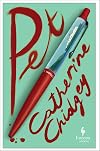
"Pet" is, from a certain perspective, yet another sensitive, well-crafted junior Bildungsroman, a study of a character's passing from childhood into a wiser, more emotionally complex adolescence. Those aren't exactly rare, either in fiction or in autobiographical non-fiction: you can curl up with Roddy Doyle's "Paddy Clarke Ha Ha Ha" anytime you like. But this novel's main character, Justine, faces more threats than average to her body and soul than average. "Pet", if not quite a noir, might show more be described as a surprisingly deep interrogation into innocence, evil, and desire. It's the first of Catherine Chidgey's novel's I've read, and it's a very, very a solid piece of work.
It isn't that the author doesn't give us a chance to giggle at the novel's villain, Mrs. Price, who just so happens to be Justine's beautiful and charismatic teacher at St. Michael's. It's 1984, so we hear about Mrs. Price's Corvette and her brilliant neon athletic wear. Her living room's even got a seventies-era conversation pit! Even so, many men in the New Zealand town where this one is set desire Mrs. Price, and most of her female students want to be just like her. Describing Justine and Amy's friendship, author shows describes how much of growing into young womanhood involves meeting society's current expectations — thinness, enticing self-presentation, suppressed emotion. This isn't, in itself, exactly new, but "Pet" isn't — or at least isn't solely — a morality play or a social critique. Chidgey rather deftly makes the reader understand why these examples of social and material success might seem obviously desirable to the average twelve-year-old, which is to say, Justine, who has recently lost her mother, detected the first ominous rumbles of puberty within her body, and faces a precarious present and an uncertain future. Everyone at St. Michael's School loves Mrs. Price, and, for much of the book, we can certainly see why. Justine is honest enough with herself, and with her best friend, to admit that she wants Mrs. Price to like her, to be one of her pets. And is that, really so wrong?
It's won't be hard for readers of any experience to see right from its early going that "Pet" won't end well. At twelve, Justine misses a lot of these same signs, but then, so do this book's adult characters. "Pet" still surprised me by supplying a more morally ambiguous ending than I had expected, or, given the characters involved, even thought possible. Far more than a mere comment on Justine's innocence — which, given her age, is to be expected — this very much a novel that asks questions about the deficiencies of people's moral imaginations, not just their responses to its more obvious manifestations. Many people have good reasons for staying quiet when they sense that something is wrong with Mrs. Price — one character admits that the fact that she has six other young children to get through the school more-or-less buys her silence. But others seem to lack the moral imagination to see how somebody as charming, as attractive, as talented, and as seemingly kind as Mrs. Price is might also be capable of doing terrible things. But even characters that sense something sinister in Mrs. Price are not necessarily able to resist her influence or escape negative consequences. To paraphrase Oscar Wilde, temptation wouldn't be temptation if it were that easy to resist.
In some ways, "Pet" reminded me of director Rian Johnson's fast-talking schoolyard farce "Brick," but I feel that Chidgey's novel is more serious, taking a harder look at uncomfortable moral and ethical questions that are, most of the time, rather beyond the purview of twelve-year-olds without necessarily sliding into implausibility. Recommended. I'll have to check more of Ms. Chidgey's books out. show less
It isn't that the author doesn't give us a chance to giggle at the novel's villain, Mrs. Price, who just so happens to be Justine's beautiful and charismatic teacher at St. Michael's. It's 1984, so we hear about Mrs. Price's Corvette and her brilliant neon athletic wear. Her living room's even got a seventies-era conversation pit! Even so, many men in the New Zealand town where this one is set desire Mrs. Price, and most of her female students want to be just like her. Describing Justine and Amy's friendship, author shows describes how much of growing into young womanhood involves meeting society's current expectations — thinness, enticing self-presentation, suppressed emotion. This isn't, in itself, exactly new, but "Pet" isn't — or at least isn't solely — a morality play or a social critique. Chidgey rather deftly makes the reader understand why these examples of social and material success might seem obviously desirable to the average twelve-year-old, which is to say, Justine, who has recently lost her mother, detected the first ominous rumbles of puberty within her body, and faces a precarious present and an uncertain future. Everyone at St. Michael's School loves Mrs. Price, and, for much of the book, we can certainly see why. Justine is honest enough with herself, and with her best friend, to admit that she wants Mrs. Price to like her, to be one of her pets. And is that, really so wrong?
It's won't be hard for readers of any experience to see right from its early going that "Pet" won't end well. At twelve, Justine misses a lot of these same signs, but then, so do this book's adult characters. "Pet" still surprised me by supplying a more morally ambiguous ending than I had expected, or, given the characters involved, even thought possible. Far more than a mere comment on Justine's innocence — which, given her age, is to be expected — this very much a novel that asks questions about the deficiencies of people's moral imaginations, not just their responses to its more obvious manifestations. Many people have good reasons for staying quiet when they sense that something is wrong with Mrs. Price — one character admits that the fact that she has six other young children to get through the school more-or-less buys her silence. But others seem to lack the moral imagination to see how somebody as charming, as attractive, as talented, and as seemingly kind as Mrs. Price is might also be capable of doing terrible things. But even characters that sense something sinister in Mrs. Price are not necessarily able to resist her influence or escape negative consequences. To paraphrase Oscar Wilde, temptation wouldn't be temptation if it were that easy to resist.
In some ways, "Pet" reminded me of director Rian Johnson's fast-talking schoolyard farce "Brick," but I feel that Chidgey's novel is more serious, taking a harder look at uncomfortable moral and ethical questions that are, most of the time, rather beyond the purview of twelve-year-olds without necessarily sliding into implausibility. Recommended. I'll have to check more of Ms. Chidgey's books out. show less
Lists
Netgalley Reads (1)
Awards


You May Also Like


Associated Authors
Statistics
- Works
- 11
- Also by
- 6
- Members
- 1,154
- Popularity
- #22,275
- Rating
- 4.0
- Reviews
- 62
- ISBNs
- 91
- Languages
- 3
