
Géza Gárdonyi (1863–1922)
Author of Eclipse of the Crescent Moon
About the Author
Image credit: Bust of Géza Gárdonyi, Szeged, Hungary. Photo by user Csanády / Wikimedia Commons.
Works by Géza Gárdonyi
Szegény ember jó órája elbeszélések 6 copies
Egri csillagok II. 5 copies
Egri csillagok I. 5 copies
Du kokcinelo, La montro 3 copies
Ki-ki a párjával regény 3 copies
Dávidkáné : kisregények : 1894-1904 3 copies
Aggyisten Biri! 3 copies
Tarka-barka történetek 3 copies
Dávidkáné regény 2 copies
Átkozott józanság 2 copies
Annuska színmű 2 copies
Két katica-bogár 2 copies
Földre néző szem intelmek fiaimhoz 2 copies
Az a hatalmas harmadik 2 copies
Vakarts 1 copy
A világjáró angol 1 copy
móka meg a fia 1 copy
Contract de casatorie 1 copy
Bibi 1 copy
Öreg tekintetes regény 1 copy
Tizenkét novella 1 copy
Kék pille 1 copy
Egri csillagok I-III. 1 copy
Állatmesék gyerekeknek 1 copy
Kátsa - Tapasztalatok 1 copy
Die Lampe 1 copy
Szüleim gyémántja 1 copy
Mi erősebb a halálnál? 1 copy
Ákozott józanság regény 1 copy
Göre Gábor újabb kalandjai 1 copy
Egri csillagok 1 copy
Göre Gábor kalandjai 1 copy
Nägematu inimene : romaan 1 copy
Egerske zvijezde 1 copy
A bor 1 copy
A kapitány regény 1 copy
Zivatar pékéknél regény 1 copy
Mai csodák 1 copy
Hallatlan kiváncsiság 1 copy
Vallomás regény 1 copy
A kürt regény 1 copy
Összes költeményei 1 copy
Zéta 1 copy
Boldog halál szekerén 1 copy
Két menyasszony regény 1 copy
Egri csillagok regény 1 copy
A Pesti úr 1 copy
Associated Works
Tagged
Common Knowledge
- Canonical name
- Gárdonyi, Géza
- Legal name
- Gárdonyi, Géza (Western name order)
Géza, Gárdonyi (Hungarian name order) - Other names
- Vigole, Don
Göre, Gábor
Mummery, Róbert
Nemeskéry, Sándor
Ziegler, Géza (birth name)
Gardonyi, Geza (show all 7)
Géza, Gárdonyi - Birthdate
- 1863-08-03
- Date of death
- 1922-10-30
- Gender
- male
- Occupations
- teacher
- Nationality
- Hungary
- Birthplace
- Agárdpuszta, Hungary
- Places of residence
- Eger, Hungary
- Place of death
- Eger, Hungary
- Burial location
- Eger, Hungary
- Map Location
- Hungary
Members
Reviews
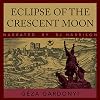
This is on the 1001 Books list simply because it is a Hungarian classic chronicling the successful defence of Eger Castle from the Ottoman Turks by a vastly outnumbered army.
My main interest in it was the siege itself as I’ve visited Eger, which is a lovely town with some stunning Baroque architecture, and remember well our visit to the castle and the tales we heard there of its defence.
But Gardonyi is no Max Hastings. Anyone coming here looking for historical accuracy is going to have to show more find another book to reference in order to sort the fact from the fiction. The novel was written by a Hungarian, for Hungarians, about Hungary. As anyone knows who has ever travelled there or spent much time talking to people from that lovely and unique nation, if Hungarians like to talk about anything, it’s Hungary.
Gardonyi is a national treasure and the siege of Eger a source of national pride that cannot be underestimated. Mix these two together and you’d be forgiven that thinking Eclipse is the sacred text of Hungary.
For that reason alone, the novel is important. This is a good thing because it’s not historically accurate nor is it particularly well-written. Gardonyi takes artistic license liberally to ensure that every Hungarian is a hero and every Turk a villain. This is so true to type that the Disney version has every villainous Turk speaking with a British accent.
While that last sentence wasn’t necessarily accurate, the impression you get of Gardonyi’s writing is that you are in fact reading a description of a Disney animation. That’s the best way I can describe it. There is a naivety about the descriptions of people and places, how everyone and every action is so clearly either good or evil, how melodrama suffuses everything, and how, despite apparently insuperable odds, everything turns out fine in the end.
If you’re going to visit Hungary or mix with Hungarians, you should definitely have read this before you do. It will give you an instant bond and help you understand that, deep down in every Hungarian heart, there’s at least a little drop of Bull’s Blood mixed with the human. show less
My main interest in it was the siege itself as I’ve visited Eger, which is a lovely town with some stunning Baroque architecture, and remember well our visit to the castle and the tales we heard there of its defence.
But Gardonyi is no Max Hastings. Anyone coming here looking for historical accuracy is going to have to show more find another book to reference in order to sort the fact from the fiction. The novel was written by a Hungarian, for Hungarians, about Hungary. As anyone knows who has ever travelled there or spent much time talking to people from that lovely and unique nation, if Hungarians like to talk about anything, it’s Hungary.
Gardonyi is a national treasure and the siege of Eger a source of national pride that cannot be underestimated. Mix these two together and you’d be forgiven that thinking Eclipse is the sacred text of Hungary.
For that reason alone, the novel is important. This is a good thing because it’s not historically accurate nor is it particularly well-written. Gardonyi takes artistic license liberally to ensure that every Hungarian is a hero and every Turk a villain. This is so true to type that the Disney version has every villainous Turk speaking with a British accent.
While that last sentence wasn’t necessarily accurate, the impression you get of Gardonyi’s writing is that you are in fact reading a description of a Disney animation. That’s the best way I can describe it. There is a naivety about the descriptions of people and places, how everyone and every action is so clearly either good or evil, how melodrama suffuses everything, and how, despite apparently insuperable odds, everything turns out fine in the end.
If you’re going to visit Hungary or mix with Hungarians, you should definitely have read this before you do. It will give you an instant bond and help you understand that, deep down in every Hungarian heart, there’s at least a little drop of Bull’s Blood mixed with the human. show less

A regény a 16. századi magyar történelem egyik legdicsőbb eseményét, az 1552-es egri ostromot dolgozza fel Bornemissza Gergely életútján keresztül. A történet a főhős gyermekkorától, a török rabságba eséstől indul, majd bemutatja kalandos életét és szerelmét Cecey Évával, végül pedig a hatalmas török túlerővel szembeni hősies várvédelmet. Gárdonyi mesterműve nemcsak izgalmas kalandregény, hanem a hazaszeretet, a hűség és az önfeláldozás örök show more érvényű szimbóluma. show less

Kedvenc kamaszkori olvasmány - már akkor faltam a betűket és nagyon magával ragadott a két gyermek sorsa, a török világ, a felnőtté válás, a politikai csatározások és az egyéni történetek egybefonódása, egymásra hatása.
Nagy élmény volt ismét elolvasni, több mint 3 évtizeddel később. Sok feledésbe merült részlet, sok érdekes összefüggés - mint amikor egy fekete-fehér fotó színessé válik...
Nagy élmény volt ismét elolvasni, több mint 3 évtizeddel később. Sok feledésbe merült részlet, sok érdekes összefüggés - mint amikor egy fekete-fehér fotó színessé válik...

As national epics go, it fell a bit flat. I'm not sure if the fault lies with the book or the translation. It's written in a very simple, unadorned style as if it were meant to be juvenile fiction, but on the other hand it is very detailed about siege warfare. Since the translator is extremely knowledgeable about military matters, I suppose it's in the original.
The tale is also extremely long and consists mostly of disjointed episodes from the life of Gergely Bornemissza. None of them is show more crucial to the understanding of the siege which takes up the last part of the book.
I assume the protagonists are household names in Hungary. For myself I wish there had been more than the slapdash glossary at the back. Ideally, some information about the author, the times in which he wrote this, the historical background of the siege, the workings of the Turkish and Hungarian armies etc. And maps! Decent maps of Hungary and the fortress of Eger!
Sienkiewicz did this much better with “With fire and sword”. show less
The tale is also extremely long and consists mostly of disjointed episodes from the life of Gergely Bornemissza. None of them is show more crucial to the understanding of the siege which takes up the last part of the book.
I assume the protagonists are household names in Hungary. For myself I wish there had been more than the slapdash glossary at the back. Ideally, some information about the author, the times in which he wrote this, the historical background of the siege, the workings of the Turkish and Hungarian armies etc. And maps! Decent maps of Hungary and the fortress of Eger!
Sienkiewicz did this much better with “With fire and sword”. show less
Lists
My TBR (1)
Awards


You May Also Like


Associated Authors
Statistics
- Works
- 109
- Also by
- 2
- Members
- 748
- Popularity
- #33,982
- Rating
- 4.0
- Reviews
- 13
- ISBNs
- 175
- Languages
- 7
- Favorited
- 3
