
Ellen Emerson White
Author of Voyage on the Great Titanic: The Diary of Margaret Ann Brady, RMS Titanic, 1912
About the Author
Disambiguation Notice:
Wrote stories about the Echo Company in the midst of the Vietnam War under the pseudonym Zack Emerson.
Writes the Santa Paws series under the pseudonym Nicolas Edwards.
Series
Works by Ellen Emerson White
Voyage on the Great Titanic: The Diary of Margaret Ann Brady, RMS Titanic, 1912 (1998) 3,471 copies, 39 reviews
The Journal of Patrick Seamus Flaherty: United States Marine Corps, Khe Sanh, Vietnam, 1968 (2002) 775 copies, 12 reviews
Where Have All the Flowers Gone? The Diary of Molly MacKenzie Flaherty, Boston, Massachusetts, 1968 (2002) 623 copies, 4 reviews
The Story of Paul Bunyan 1 copy
Associated Works
Tagged
Common Knowledge
- Other names
- Edwards, Nicholas (the Santa Paws books)
Emerson, Zack - Birthdate
- 1961-08-28
- Gender
- female
- Education
- Tufts University
- Nationality
- USA
- Birthplace
- Rhode Island, USA
- Places of residence
- New York, New York, USA
Narragansett, Rhode Island, USA - Disambiguation notice
- Wrote stories about the Echo Company in the midst of the Vietnam War under the pseudonym Zack Emerson.
Writes the Santa Paws series under the pseudonym Nicolas Edwards. - Associated Place (for map)
- Rhode Island, USA
Members
Reviews

This has some tense moments, but otherwise feels a bit lighter -- and that’s a welcome change of pace after everything the characters have been through. Michael spends a lot of time moping over correspondence (or lack thereof) from a nurse he’s met once -- but in context, his reactions are very understandable. He so desperately needs something positive and hopeful to focus on, and something that isn’t far away, like his dog back home.
Michael is quite persistent in pursuing Rebecca, but show more there’s a line he won’t cross -- he’ll stop and walk away when she tells him to. I like that their initial interactions aren’t easy, because that feels realistic for these two particular people in this situation, and because it’s a positive sign that they’re able to get through awkward conversations -- to deal with Rebecca being standoffish and Michael being moody. I think it sets them up to be honest with each other, something they both desperately need.
“You know, anything you wanted to tell me, you could,” he said. “I mean, anything.”
She didn’t answer right away.
“I mean it,” he said.
Finally, she nodded. Miserably. “I know. But, I’m not — let’s just leave it out there, okay?”
The bush, and all its dark secrets. “I might be an okay person to tell, though,” he said. “I might really understand.”
Since he’d had a few bad moments of his own. Cowardice, and venality, and everything else he’d ever prayed that he wasn’t.
“It’s a war story, Mike,” she said quietly. “I don’t like war stories.”
He wasn’t too crazy about them himself. War stories were very — personal. Things you didn’t want to know — forget tell. show less
Michael is quite persistent in pursuing Rebecca, but show more there’s a line he won’t cross -- he’ll stop and walk away when she tells him to. I like that their initial interactions aren’t easy, because that feels realistic for these two particular people in this situation, and because it’s a positive sign that they’re able to get through awkward conversations -- to deal with Rebecca being standoffish and Michael being moody. I think it sets them up to be honest with each other, something they both desperately need.
“You know, anything you wanted to tell me, you could,” he said. “I mean, anything.”
She didn’t answer right away.
“I mean it,” he said.
Finally, she nodded. Miserably. “I know. But, I’m not — let’s just leave it out there, okay?”
The bush, and all its dark secrets. “I might be an okay person to tell, though,” he said. “I might really understand.”
Since he’d had a few bad moments of his own. Cowardice, and venality, and everything else he’d ever prayed that he wasn’t.
“It’s a war story, Mike,” she said quietly. “I don’t like war stories.”
He wasn’t too crazy about them himself. War stories were very — personal. Things you didn’t want to know — forget tell. show less
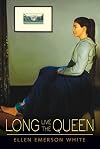
Such a visceral and compelling account, both in the violence and pain of the kidnapping and the aftershocks and depression of recovery. White writes phenomenal dialogue and her characters, both heroes and villains, are well written and convincing. Meg's struggles with PTSD are all the more believable since the events of the kidnapping are vividly portrayed. While this book does contain significant violence and sexual threat, the triumphs of this character are the real focus of LONG LIVE THE show more QUEEN. I've read both the original and the "updated" version, I'm not sure it was necessary to revise the pop culture and technology references.
2/6/2012 - Chatting with a coworker about books we read over and over again, of course this series came up. Imagine my surprise when she immediately recognized my description (and her surprise when I was able to tell her White had written a new Meg book since our high school years). Of course, that excitement sent me back for a re-read. I know it's wish fulfillment in the most basic sense, Meg is as strong and capable as I could ever hope to be, but I still love this book.
3/3/2013 - I gave this book to my niece for Christmas and just got around to giving her my pitch for why she should read it. I don't know if I convinced her (I'm of the mind that it's better to make the book available and let someone fall into rather than build up a big sell and force them in), but just seeing LONG LIVE THE QUEEN on the shelf planted the seed. I found myself plucking my copy off the shelf and settling into a chair to enjoy. Love this book. I'm happy to find more and more of the series is available on eBook, reading LONG MAY SHE REIGN on my phone as I type this. There is something different about having eBook access to a book I've formerly only enjoyed in the quiet of my home. I'm happy to have as many White books in as many forms as I can... but part of me wishes I were curled up in my living room reading right now. show less
2/6/2012 - Chatting with a coworker about books we read over and over again, of course this series came up. Imagine my surprise when she immediately recognized my description (and her surprise when I was able to tell her White had written a new Meg book since our high school years). Of course, that excitement sent me back for a re-read. I know it's wish fulfillment in the most basic sense, Meg is as strong and capable as I could ever hope to be, but I still love this book.
3/3/2013 - I gave this book to my niece for Christmas and just got around to giving her my pitch for why she should read it. I don't know if I convinced her (I'm of the mind that it's better to make the book available and let someone fall into rather than build up a big sell and force them in), but just seeing LONG LIVE THE QUEEN on the shelf planted the seed. I found myself plucking my copy off the shelf and settling into a chair to enjoy. Love this book. I'm happy to find more and more of the series is available on eBook, reading LONG MAY SHE REIGN on my phone as I type this. There is something different about having eBook access to a book I've formerly only enjoyed in the quiet of my home. I'm happy to have as many White books in as many forms as I can... but part of me wishes I were curled up in my living room reading right now. show less

Fast-paced, compelling and unexpectedly fascinating. Eighteen year old Michael Jennings is conscripted to fight in Vietnam.
When faced with all-male narratives, I am inclined to wonder: “But where are the female characters?” I suspect what I really mean is: “I haven’t found any characters that I relate to yet”. But I didn’t feel that way here. I wasn’t impatiently waiting for the female protagonist to show up. I just wanted to see Michael to find his feet, make friends and show more survive.
I can relate to how much he cares about his dog, and his sense of humour makes him an entertaining character to spend time with, even though he’s been thrown into a terrible, terrifying situation. Even knowing what wars can be like, I was still surprised by some of the conditions the soldiers faced.
I was also surprised by how interesting I found it all. It left me thinking about a lot. Such as how Michael, like most of the people around him, hasn’t chosen to enlist nor has he joined up with all his buddies. He doesn’t believe that he is doing the right thing. In other wars I’ve read about -- the world wars or fictional wars in SFF -- people fighting tend to believe that what they’re doing is noble and heroic and worthwhile. That doesn’t make the hardships any less terrible, but I think sometimes it makes enduring them a bit easier.
This book also left me wanting to immediately embark upon the sequel. I ended up reading all five books in two days.
The guys seem —
Like every guy everywhere, and like no guys he had ever met. What was the word for that? Began with “d”? Oh, hell, he wasn’t a book guy. He should just use a word he knew.
— cool.
Oh, yeah, great word choice. Anyway. They seemed like kids, and they seemed like tired old men. They made jokes, but they were also very serious. show less
When faced with all-male narratives, I am inclined to wonder: “But where are the female characters?” I suspect what I really mean is: “I haven’t found any characters that I relate to yet”. But I didn’t feel that way here. I wasn’t impatiently waiting for the female protagonist to show up. I just wanted to see Michael to find his feet, make friends and show more survive.
I can relate to how much he cares about his dog, and his sense of humour makes him an entertaining character to spend time with, even though he’s been thrown into a terrible, terrifying situation. Even knowing what wars can be like, I was still surprised by some of the conditions the soldiers faced.
I was also surprised by how interesting I found it all. It left me thinking about a lot. Such as how Michael, like most of the people around him, hasn’t chosen to enlist nor has he joined up with all his buddies. He doesn’t believe that he is doing the right thing. In other wars I’ve read about -- the world wars or fictional wars in SFF -- people fighting tend to believe that what they’re doing is noble and heroic and worthwhile. That doesn’t make the hardships any less terrible, but I think sometimes it makes enduring them a bit easier.
This book also left me wanting to immediately embark upon the sequel. I ended up reading all five books in two days.
The guys seem —
Like every guy everywhere, and like no guys he had ever met. What was the word for that? Began with “d”? Oh, hell, he wasn’t a book guy. He should just use a word he knew.
— cool.
Oh, yeah, great word choice. Anyway. They seemed like kids, and they seemed like tired old men. They made jokes, but they were also very serious. show less

I stayed up stupidly late reading this, on a school night too, and I’ve lost count of the number of times I’ve reread parts of it in the last two months. I’ve said this before: White is so good at writing about people dealing with the aftermath of trauma, and about smart, difficult people making an effort to build relationships -- friendships as well as romances.
On Christmas morning, Rebecca lost her moral virginity, her sense of humor — and her two best friends. But, other than show more that, it was a hell of a holiday.
The Road Home is about Rebecca’s final six months serving as a nurse in Vietnam, and then the months which follow. It’s about the things that get her through the war (letters from a certain soldier, friendships, alcohol) and the difficulties of adjusting to life back home, especially when that means facing the circumstances which meant she chose to go to war in the first place (a close friend died fighting in Vietnam, her brother was drafted and she helped him run away to Canada, and her relationship with her parents is complicated by how they’ve responded to her career ambitions).
I love how this book deals realistically but hopefully with so many things. (If I hadn’t already spent so long reviewing this series, I would be inclined to babble even more about this particular book!) I have a lot of feelings and a lot of favourite passages.
There was so much liquor in Vietnam, and it was so unbelievably cheap, that most of the people she knew seemed to be turning into borderline — or even beyond — alcoholics. Certainly, she had never thought that she would gulp the stuff down like there was no tomorrow. Then again, around here, tomorrow was a pretty uncertain commodity.
How well did she actually know him? Sometimes, she worried that they might be figments of each other’s despairing imaginations. show less
On Christmas morning, Rebecca lost her moral virginity, her sense of humor — and her two best friends. But, other than show more that, it was a hell of a holiday.
The Road Home is about Rebecca’s final six months serving as a nurse in Vietnam, and then the months which follow. It’s about the things that get her through the war (letters from a certain soldier, friendships, alcohol) and the difficulties of adjusting to life back home, especially when that means facing the circumstances which meant she chose to go to war in the first place (a close friend died fighting in Vietnam, her brother was drafted and she helped him run away to Canada, and her relationship with her parents is complicated by how they’ve responded to her career ambitions).
I love how this book deals realistically but hopefully with so many things. (If I hadn’t already spent so long reviewing this series, I would be inclined to babble even more about this particular book!) I have a lot of feelings and a lot of favourite passages.
There was so much liquor in Vietnam, and it was so unbelievably cheap, that most of the people she knew seemed to be turning into borderline — or even beyond — alcoholics. Certainly, she had never thought that she would gulp the stuff down like there was no tomorrow. Then again, around here, tomorrow was a pretty uncertain commodity.
How well did she actually know him? Sometimes, she worried that they might be figments of each other’s despairing imaginations. show less
Lists
Awards


You May Also Like


Associated Authors
Statistics
- Works
- 29
- Also by
- 1
- Members
- 7,873
- Popularity
- #3,087
- Rating
- 3.9
- Reviews
- 134
- ISBNs
- 85
- Languages
- 2
- Favorited
- 11