
Erika Robuck
Author of Call Me Zelda
About the Author
Erika Robuck self-published her first novel Receive Me Falling. Her other novels include Hemingway's Girl, Call Me Zelda, and Fallen Beauty. She is a contributor to Grand Central, a short story anthology set at Grand Central Terminal in New York, following World War II. She also writes about and show more reviews historical fiction at her blog, Muse, and is a contributor to fiction blog, Writer Unboxed. (Bowker Author Biography) show less
Image credit: erickarobuck.com
Works by Erika Robuck
Associated Works
Author in Progress: A No-Holds-Barred Guide to What It Really Takes to Get Published (2016) — Contributor — 72 copies, 1 review
Tagged
Common Knowledge
- Birthdate
- 1977
- Gender
- female
- Nationality
- USA
- Birthplace
- Annapolis, Maryland, USA
- Associated Place (for map)
- Maryland, USA
Members
Reviews
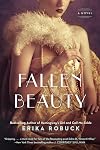
What could be more fitting on Pulitzer Prize winning poet Edna St. Vincent Millay's 122nd birthday than a book about the poet herself and the young woman who so understood the heart of Millay's poetry that she created the exquisite costumes that Millay wore on her readings around the country.
It's 1928, the middle of Prohibition, the Roaring Twenties and the era of flappers, a seemingly wild and giddy time where licentiousness laughs and thumbs its nose against the strict convention and show more staid morals of much of the era. Laura Kelley is just nineteen. She works in the dress shop that her parents started in the sleepy little town of Austerlitz, NY. She's generally a good daughter, but she has one secret. She's in love with a man she cannot have. And as the novel opens, she sneaks out of the home she shares with her widower father and her younger sister to meet this man and to see the scandalous Ziegfeld Follies. The evening is magical and Laura is swept up in it. But it has repercussions that last forever.
Edna St. Vincent Millay, who preferred to be called Vincent, is living nearby to Austerlitz at Steepletop House. Neither she nor her husband cares to hide the parties and debauchery that take place there from the judgmental town, bringing friends and lovers to their mountaintop retreat as often as the muse requires. Vincent is in search of a new lover who will inspire her words and enflame her body. She finds such a lover in a young poet named George Dillon but he is neither as compliant nor as accommodating to the famous poet as her previous lovers have been.
A couple of years further on in the midst of the Great Depression, Laura is struggling to support her daughter in the dress shop and is still keeping the baby's father's name secret. She has retreated from the town as much as the town has branded her for her indiscretion. Vincent glimpses Laura on the day that her sister marries. She is standing to the side of the bride and groom with a lonely and melancholy expression on her face and she captures the imagination of the poet, who is still struggling with her lover's intransigence. Eventually introduced to Laura's sister Marie and her husband, Everette, a rising politician, Millay invites them to Steepletop to one of her famous parties where she intentionally entices Everette into her bed, an invitation he does not refuse. And with this action, she forges a bond between herself and Laura, one built on anger and loyalty but also ultimately desperation and creative desire.
Robuck has drawn Millay as a sensuous, extravagant, demanding woman. She lives a bohemian life without care for the mores of society but she feels deeply and is easily wounded. She loves with her whole heart but can be unthinking and capriciously cruel. She is a study in opposites. Laura, on the other hand, is a mostly conventional woman whose only transgression ends up defining her. She dreams of more but is bound first by the opinion of the town and then by her loyalty and love for her family, so she pushes that dream down under the more prosaic need to feed and clothe herself and her daughter. Her capacity for love is boundless but she has been damaged by her secret lover's silent disavowal of her and their daughter, losing the ability to trust openly and learning to fear the withholding of forgiveness.
Robuck has taken two very different, and yet in some ways similar, "fallen beauties" whose lives intersected in interesting ways and contrasted them with each other. Even the structure of the novel reflects that contrast, narrated in the first person first by Laura and then by Vincent in each chapter. This gives the reader insight into what drives each character and how they view not only their own lives but those of the people around them. And it showcases both the cost of convention and the cost of creative freedom. Robuck has done a good job of describing and detailing what it cost women in particular to live in the 1920s and 30s. She's created a surprisingly sympathetic portrait of Millay, who despite her oftentimes selfish and unthinking excesses flouting society's tight rules, was actually a fragile and emotionally insecure genius who craved love and devotion. Although each woman's back story was necessary, especially to show Laura's fierce determination to avoid Millay and then extreme reluctance to do as bidden despite her desperate financial straits, in terms of narrative pace, it took too long for the women to meet. Once they did though, the pacing picked up and although the reader knew that Laura must eventually ignore her scruples and make the luscious creations asked of her, the tension of the interactions between Laura and Vincent and how their relationship would eventually play out was compelling. A tale of creativity, redemption, and convention, readers intrigued by Millay and her scandalous lifestyle as well as those who are fascinated by the cost that society extracts on those who ignore its rules will quite enjoy this historical fiction. show less
It's 1928, the middle of Prohibition, the Roaring Twenties and the era of flappers, a seemingly wild and giddy time where licentiousness laughs and thumbs its nose against the strict convention and show more staid morals of much of the era. Laura Kelley is just nineteen. She works in the dress shop that her parents started in the sleepy little town of Austerlitz, NY. She's generally a good daughter, but she has one secret. She's in love with a man she cannot have. And as the novel opens, she sneaks out of the home she shares with her widower father and her younger sister to meet this man and to see the scandalous Ziegfeld Follies. The evening is magical and Laura is swept up in it. But it has repercussions that last forever.
Edna St. Vincent Millay, who preferred to be called Vincent, is living nearby to Austerlitz at Steepletop House. Neither she nor her husband cares to hide the parties and debauchery that take place there from the judgmental town, bringing friends and lovers to their mountaintop retreat as often as the muse requires. Vincent is in search of a new lover who will inspire her words and enflame her body. She finds such a lover in a young poet named George Dillon but he is neither as compliant nor as accommodating to the famous poet as her previous lovers have been.
A couple of years further on in the midst of the Great Depression, Laura is struggling to support her daughter in the dress shop and is still keeping the baby's father's name secret. She has retreated from the town as much as the town has branded her for her indiscretion. Vincent glimpses Laura on the day that her sister marries. She is standing to the side of the bride and groom with a lonely and melancholy expression on her face and she captures the imagination of the poet, who is still struggling with her lover's intransigence. Eventually introduced to Laura's sister Marie and her husband, Everette, a rising politician, Millay invites them to Steepletop to one of her famous parties where she intentionally entices Everette into her bed, an invitation he does not refuse. And with this action, she forges a bond between herself and Laura, one built on anger and loyalty but also ultimately desperation and creative desire.
Robuck has drawn Millay as a sensuous, extravagant, demanding woman. She lives a bohemian life without care for the mores of society but she feels deeply and is easily wounded. She loves with her whole heart but can be unthinking and capriciously cruel. She is a study in opposites. Laura, on the other hand, is a mostly conventional woman whose only transgression ends up defining her. She dreams of more but is bound first by the opinion of the town and then by her loyalty and love for her family, so she pushes that dream down under the more prosaic need to feed and clothe herself and her daughter. Her capacity for love is boundless but she has been damaged by her secret lover's silent disavowal of her and their daughter, losing the ability to trust openly and learning to fear the withholding of forgiveness.
Robuck has taken two very different, and yet in some ways similar, "fallen beauties" whose lives intersected in interesting ways and contrasted them with each other. Even the structure of the novel reflects that contrast, narrated in the first person first by Laura and then by Vincent in each chapter. This gives the reader insight into what drives each character and how they view not only their own lives but those of the people around them. And it showcases both the cost of convention and the cost of creative freedom. Robuck has done a good job of describing and detailing what it cost women in particular to live in the 1920s and 30s. She's created a surprisingly sympathetic portrait of Millay, who despite her oftentimes selfish and unthinking excesses flouting society's tight rules, was actually a fragile and emotionally insecure genius who craved love and devotion. Although each woman's back story was necessary, especially to show Laura's fierce determination to avoid Millay and then extreme reluctance to do as bidden despite her desperate financial straits, in terms of narrative pace, it took too long for the women to meet. Once they did though, the pacing picked up and although the reader knew that Laura must eventually ignore her scruples and make the luscious creations asked of her, the tension of the interactions between Laura and Vincent and how their relationship would eventually play out was compelling. A tale of creativity, redemption, and convention, readers intrigued by Millay and her scandalous lifestyle as well as those who are fascinated by the cost that society extracts on those who ignore its rules will quite enjoy this historical fiction. show less
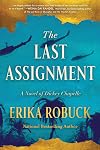
Erika Robuck is one of my 'must read' authors because she does such a fantastic job with her WWII historical fiction. The Last Assignment wasn't about WWII but it was a book that I couldn't put down based on the life of photojournalist Dickey Chapelle who was another brave and caring women who made a big difference in our country that we never learned about in school.
The book started in 1954 when Dickey was floundering. Her credentials had been revoked from the military because she disobeyed show more orders on Iwo Jima at the end of WWII. Her marriage was crumbling and none of the magazines were interested in giving her a job. She finally got a job at the IRC (International Rescue Committee) that helped families in crisis in war torn areas. At first she was writing press releases and gathering information for Congress. In 1956, there was an uprising in Hungary and she begged her boss to send her there to take photos to publicize what was really going on. She ends up in deep trouble with the Hungarian government and thrown in prison. The description of her time in prison is heart wrenching as the reader hopes she'll survive. After her time in Hungary, she is no longer wanted at the IRC for disobeying orders. She ends up being hired by Reader's Digest and sent to Cuba to report on the revolution being lead by Fidel Castro against Batista. After her initial belief in Castro, she soon realizes that he is turning anti-American and she is no longer welcome in Cuba. In 1961, she went to Laos to report on the fighting. Her next assignment was Vietnam where her heart went out to the soldiers who were fighting as well as the innocent Vietnamese families who were in constant danger.
Dickey Chapelle was a true American hero. She often put herself in danger to make sure that Americans could see what was going on in war zones. Even though she could have been tough and uncaring, her heart went out to children and families that were affected by the wars - she often put herself in danger to help a family or a child. She was discriminated against by the male photo journalists and often had to prove her worth to them when in actuality, she was often braver and more tenacious than her male counterparts. Her legacy lives on in the pictures that she left for us.
After I finished the Last Assignment, I spent a lot of time on Google, reading more about Dickey Chapelle and looking at the pictures that she took in various war areas. She put herself in danger over and over with the hopes of showing Americans what war really looked like so that maybe we could have peace in the world. show less
The book started in 1954 when Dickey was floundering. Her credentials had been revoked from the military because she disobeyed show more orders on Iwo Jima at the end of WWII. Her marriage was crumbling and none of the magazines were interested in giving her a job. She finally got a job at the IRC (International Rescue Committee) that helped families in crisis in war torn areas. At first she was writing press releases and gathering information for Congress. In 1956, there was an uprising in Hungary and she begged her boss to send her there to take photos to publicize what was really going on. She ends up in deep trouble with the Hungarian government and thrown in prison. The description of her time in prison is heart wrenching as the reader hopes she'll survive. After her time in Hungary, she is no longer wanted at the IRC for disobeying orders. She ends up being hired by Reader's Digest and sent to Cuba to report on the revolution being lead by Fidel Castro against Batista. After her initial belief in Castro, she soon realizes that he is turning anti-American and she is no longer welcome in Cuba. In 1961, she went to Laos to report on the fighting. Her next assignment was Vietnam where her heart went out to the soldiers who were fighting as well as the innocent Vietnamese families who were in constant danger.
Dickey Chapelle was a true American hero. She often put herself in danger to make sure that Americans could see what was going on in war zones. Even though she could have been tough and uncaring, her heart went out to children and families that were affected by the wars - she often put herself in danger to help a family or a child. She was discriminated against by the male photo journalists and often had to prove her worth to them when in actuality, she was often braver and more tenacious than her male counterparts. Her legacy lives on in the pictures that she left for us.
After I finished the Last Assignment, I spent a lot of time on Google, reading more about Dickey Chapelle and looking at the pictures that she took in various war areas. She put herself in danger over and over with the hopes of showing Americans what war really looked like so that maybe we could have peace in the world. show less
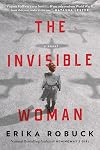
I don't read a lot of historical fiction, but Erika Robuck's THE INVISIBLE WOMAN fit into my particular interests of war and the military. It tells the story of American Virginia Hall, one of the most respected espionage agents of WWII, who worked closely with the French Resistance in effecting the withdrawal of Nazi troops from France. She engaged in acts of sabotage and taught young French resistors how to do the same, all while secretly sending important data back to UK Headquarters and show more arranging air drops of supplies and weapons via her portable wireless set. And yes, Hall worked for both the US and UK at various times during the war, at one time escaping on foot from Nazi forces over the frozen Pyrenees, a difficult and treacherous journey, and all this with a prosthetic wooden leg she called 'Cuthbert' (the result of a hunting accident before the war). Robuck manages to weave in much of Hall's backstory and earlier missions as she follows her day to day efforts in the final year of the war, before and after the D-Day landing of Allied forces at Normandy. Erika Robuck has done her homework, seamlessly combining the factual with fiction, giving us a compelling and believable picture of Virginia Hall's exploits behind enemy lines, and even a bit about her post-war career with the OSS and the CIA, where she was the victim of gender discrimination despite her distinguished war record. A terrific read for history buffs, both men and women. Very highly recommended.
- Tim Bazzett, author of the memoir, BOOKLOVER show less
- Tim Bazzett, author of the memoir, BOOKLOVER show less
The publishing world seems saturated by WWII novels. And yet there always seems to be one more story to be told, a story unlike the others we have read. The Invisible Woman offers readers a character so amazing that it is hard to believe she is based on a real woman.
In The Invisible Woman, Erika Robuck brings to life Virginia Hall Goillot who went into occupied France as a "pianist," coordinating and supplying the Marquis as they sabotaged the Nazis. She was the only civilian woman to be show more award the U. S. Distinguished Service Cross, and one of the first women to work for the C.I.A.
It is a riveting read.
The average lifespan of a pianist was six weeks. "You will receive no praise or accolades for your service," Virginia was warned, "Without military uniform, if captured, you will not fall under Geneva protection." She would starve. She would feel guilt over the deaths of those involved in her work. She could be jailed, raped, tortured, or put to death.
Virginia accepted the challenge. She had a debt to pay.
Virginia wore a prosthetic leg but it did not stop her from her work. Masquerading as an elderly woman, she rode a bicycle for hours, trekked through deep mountain snow, endured danger and grief, gained the trust of the boys and men she worked with, and was aided by women and children.
The "nameless and faceless" army of common folks were true heros, enduring suffering and loss unfalteringly. A village of pacifist Christians hid thousands of evacuated Jewish children.
Virginia struggles with what she has seen. How do men become monsters? Is humanity redeemable? Can small acts overpower it? Was resisting worth dying for? Will her humanity be another victim of the war?
Readers will be gratified by the ending.
I received a free egalley from the publisher through NetGalley. My review is fair and unbiased. show less
In The Invisible Woman, Erika Robuck brings to life Virginia Hall Goillot who went into occupied France as a "pianist," coordinating and supplying the Marquis as they sabotaged the Nazis. She was the only civilian woman to be show more award the U. S. Distinguished Service Cross, and one of the first women to work for the C.I.A.
It is a riveting read.
The average lifespan of a pianist was six weeks. "You will receive no praise or accolades for your service," Virginia was warned, "Without military uniform, if captured, you will not fall under Geneva protection." She would starve. She would feel guilt over the deaths of those involved in her work. She could be jailed, raped, tortured, or put to death.
Virginia accepted the challenge. She had a debt to pay.
Virginia wore a prosthetic leg but it did not stop her from her work. Masquerading as an elderly woman, she rode a bicycle for hours, trekked through deep mountain snow, endured danger and grief, gained the trust of the boys and men she worked with, and was aided by women and children.
The "nameless and faceless" army of common folks were true heros, enduring suffering and loss unfalteringly. A village of pacifist Christians hid thousands of evacuated Jewish children.
Virginia struggles with what she has seen. How do men become monsters? Is humanity redeemable? Can small acts overpower it? Was resisting worth dying for? Will her humanity be another victim of the war?
Readers will be gratified by the ending.
I received a free egalley from the publisher through NetGalley. My review is fair and unbiased. show less
Lists
Awards


You May Also Like


Associated Authors
Statistics
- Works
- 10
- Also by
- 1
- Members
- 1,452
- Popularity
- #17,698
- Rating
- 3.9
- Reviews
- 111
- ISBNs
- 55
- Languages
- 2