

Arthur Ocean Waskow (1933–2025)
Author of Seasons of Our Joy: A Modern Guide to the Jewish Holidays
About the Author
Rabbi Arthur Ocean Waskow, PhD, founded and directs The Shalom Center-a prophetic-activist voice in Jewish, multireligious, and American life. He has written many books, including the original Freedom Seder, Godwrestling-Round 2, and Seasons of Our Joy.
Disambiguation Notice:
Arthur Ocean Waskow was born Arthur Irwin Waskow.
Image credit: Photo by jane d. / Flickr
Series
Works by Arthur Ocean Waskow
The Tent of Abraham: Stories of Hope and Peace for Jews, Christians, and Muslims (2006) 163 copies, 3 reviews
From Race Riot to Sit-In 1919 and the 1960s: A Study in the Connections Between Conflict and Violence (1975) 41 copies
Torah of the Earth: Exploring 4,000 Years of Ecology in Jewish Thought, Volumes 1-2 (2000) — Editor — 24 copies
The Bush Is Burning! Radical Judaism Faces the Pharaohs of the Modern Superstate (1971) 16 copies, 1 review
America in Hiding: From Backyard Bomb Shelters to the Plan for Underground Cities, A Surprising and Controversial Look at the Shelter Mania (1962) 4 copies
Toward a Peacemakers Academy: A Proposal for a First Step Toward a United Nations Transnational Peacemaking Force (1967) 1 copy
Associated Works
Take Back Your Time: Fighting Overwork and Time Poverty in America (2003) — Contributor — 90 copies, 2 reviews
Wrestling with Zion: Progressive Jewish-American Responses to the Israeli-Palestinian Conflict (2003) — Contributor — 84 copies, 1 review
Tagged
Common Knowledge
- Other names
- Waskow, Arthur Irwin (birth name)
- Birthdate
- 1933-10-12
- Date of death
- 2025-10-20
- Gender
- male
- Disambiguation notice
- Arthur Ocean Waskow was born Arthur Irwin Waskow.
Members
Reviews
The tent of Abraham : stories of hope and peace for Jews, Christians, and Muslims by Joan Chittister
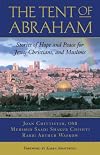
The Tent of Abraham: Stories of Hope and Peace for Jews, Christians, and Muslims (2006) by Rabbi Arthur Waskow, Joan Chittister, OSB, and Murshid Saadi Shakur Chisti tells the scriptural stories of Abraham and the conflict that rages between the peoples descended from his two sons, Jewish from Isaac and Islamic from Ishmael. The book begins with two tellings of Abraham's journey, one from the Jewish scriptures and midrash and one from the Quran. Toward the end of the book there is a combined show more account that acts as a guide for beginning to find common ground.
The heart of the book is where each of the authors takes turns writing interpretations of Abraham's journey from the perspective of their religion. These take the form of series of short, interelated essays both on scriptural studies and the current crisis among the Israelis and Palestinians. These essays can be very beautiful and insightful as well as educational offering new takes on Abraham's story in the Bible and the completely new-to-me Islamic telling of Abraham's story. Rabbi Waskow has an interesting take on Abraham being the most dangerous person in the lives of his two sons: one he banished into the desert the other he tried to sacrifice. Both would have died if not for divine intervention. Sr. Joan reflects on many conferences of Israeli and Palestine woman working to end the killing of all their children.
The appendices of the book include resources for "pitching your own tent" and working toward peace among the peoples of all three faiths as well as some related essays by other authors.
The heart of the book is where each of the authors takes turns writing interpretations of Abraham's journey from the perspective of their religion. These take the form of series of short, interelated essays both on scriptural studies and the current crisis among the Israelis and Palestinians. These essays can be very beautiful and insightful as well as educational offering new takes on Abraham's story in the Bible and the completely new-to-me Islamic telling of Abraham's story. Rabbi Waskow has an interesting take on Abraham being the most dangerous person in the lives of his two sons: one he banished into the desert the other he tried to sacrifice. Both would have died if not for divine intervention. Sr. Joan reflects on many conferences of Israeli and Palestine woman working to end the killing of all their children.
The appendices of the book include resources for "pitching your own tent" and working toward peace among the peoples of all three faiths as well as some related essays by other authors.
Favorite Passages
When either community mourns the death only of those on "its side" who have been killed by those on "the other side," the outcome is often more rage, more hatred, and more death. If we can share the grief for those dead on both "sides," we are more likely to see each other as human beings and move toward ending the violence. - p. 59-60, Rabbi Arthur Waskow
Now, thousands of years later, Israelis and Palestinians are locked in mortal battle over the precise measurement of whose land is whose. The painful attempt not to be cheated is, ironically, cheating both of them out of peace and fellowship and trust. And all the while, it was precisely Abraham's decision not to invoke his right as the elder to chose the land that would be his. It is a painful lesson lost. The even greater concern is that unless both peoples discover that less can be more, the more their rights they get - unlike Abraham, who was willing to trust the soul of the other - the poorer in spirit they will all be. - p. 97, Joan Chittistershow less
A human being is capable of holding vastly different and paradoxical points of view at the same time. We seem to have so many different voices within us, and our motivations are often unconscious. So simply nodding in agreement is no guarantee that I will act the way I intend. ... So I find myself called not to more thoughts but bigger thoughts and feelings accompanied by real action, based on the experience of a greater reality we all share. - p. 132-33. Murshid Saadi Shakur Chisti
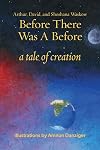
Arthur Waskow and his two children have brought to life the orchestra of sounds and panoply of colors and smells of the seven days of creation. Their language is as unique and vibrant as the creation story. Together with Amnon Danziger's beautiful black and while illustrations, creation is revealed as a soul-stirring act of love and need, showing anew the interrelatedness of all life. - from the book cover
This reflection on the meaning of the Exodus story through history and today gave me some fresh insights into the story and its meaning for our time. I was also interested in the examples of Jewish interpretation of specific parts of the story through history.
Speaking for Jewish renewal with an eco-feminist ethic, the author seeks to show Jewish tradition relevant to modern life--how Judaism allows us to find God in the concrete and the everyday aspects of life.
Lists
Spirituality (1)
Awards


You May Also Like


Associated Authors
Statistics
- Works
- 31
- Also by
- 5
- Members
- 1,162
- Popularity
- #22,116
- Rating
- 4.0
- Reviews
- 10
- ISBNs
- 46