

Simonetta Agnello Hornby
Author of The Almond Picker
About the Author
Image credit: readme.cc
Works by Simonetta Agnello Hornby
Agnello Hornby Simonetta 1 copy
The Almond Picker 1 copy
Tagged
Common Knowledge
- Legal name
- Agnello Hornby, Simonetta
- Birthdate
- 1945
- Gender
- female
- Nationality
- Italy
- Birthplace
- Palerm
- Associated Place (for map)
- Italy
Members
Reviews
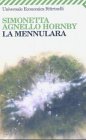
La stessa Sicilia del Gattopardo, solo qualche anno dopo, e ci sembra persa nei secoli, con la sua rigida divisione in caste, il cui ascensore sociale formato da una miscela di furberia, furto, prevaricazione. La totale mancanza di solidarietà, la maldicenza come modo di vita, la mollezza e l'ignoranza.
Sulla base di questo affresco sapientemente dipinto dalla scrittrice, si muove la Mennulara, bimba selvatica e violata, donna orgogliosa, intelligente e permalosa nella sua ignoranza, capace show more di annullarsi per amore, fino a farsi carico di persone a lei tanto inferiori, servendoli e facendone la fortuna, senza mai smettere di essere, dentro di sè, quella stessa bambina.
Bellissimo. show less
Sulla base di questo affresco sapientemente dipinto dalla scrittrice, si muove la Mennulara, bimba selvatica e violata, donna orgogliosa, intelligente e permalosa nella sua ignoranza, capace show more di annullarsi per amore, fino a farsi carico di persone a lei tanto inferiori, servendoli e facendone la fortuna, senza mai smettere di essere, dentro di sè, quella stessa bambina.
Bellissimo. show less

Having read and enjoyed Simonetta Agnello Hornby's first book, "The Almond Picker," I was eager to read this second novel set in Sicily in the late 1800's. The review I read of it was disappointing...hinting at slow-moving prose and a cast of confusing characters. Fortunately, I decided to see for myself and was so happily surprised! (Lesson learned: always judge for yourself...someone's trash is someone else's treasure!) I love this book. As a second generation Italian-American I have a show more fascination with the island of Sicily, the home of my grandparents. I have visited my ancestral village and am in contact with distant cousins. Reading this book was like having a glimpse into the times, culture, customs, attitudes of all strata of society at the time when my grandparents were born. Remnants of these elements exist in the Sicily and in the Sicilians of today. The story was a wonderful weaving of the relationships...convoluted at times, hidden at times, volatile at times...of the aristocratic Safamita family and the tenants, servants, cousins, mafiosi with whom they interacted. The main character, Costanza, is a strong woman who often finds herself in the center of an intrigue that she doesn't understand. Her coming-of-age struggle to find happiness within herself is the action that carries the story. As the reader comes to know the individual characters, insight into the workings of the Sicilian culture are revealed...for better or worse. Yes, the pace was slow but so is life in rural Sicily. Memories hold forever, conversations are lived and relived, stories told and retold, honor upheld and defended, family preserved and protected. I appreciated the pace of the book and gained tremendous insight into an often misunderstood and misjudged culture. For me, it was a valuable read. show less
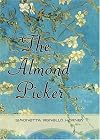
Maria Rosalia Inzerillo, otherwise known as Mennulara, is a mystery. Born into poverty in Western Sicily, she grew up picking almonds with her farming family. As soon as she was of age, Mennulara became the maid for the rich and powerful Alfallipe family. Over time, she became an indispensable administrator of all their affairs, financial and even personal. She had a talent for investments and became a shrewd businesswoman. Rumors surrounded Mennulara: her wealth, her position in the show more Alfallipe family, even her rumored connections with the mafia. In life, Mennulara was described as outspoken, brash, brave, rude, unique, bad tempered, devoted, dignified, diffident, distant, unpleasant, imperious, ugly, beautiful, complex, secretive, a tyrant. When she dies at a relatively young age the entire community clamors for answers. Who was this woman? How odd that a seemingly common servant's death would reverberate through the Italian community and no group is more obsessed than the Alfallipe family. Convinced she owes them her inheritance and then-some, they scheme and squabble to find it. The final outcome is brilliant.
Starting on Monday, September 23rd, 1963 The Almond Picker documents a month in time. The accounts are daily (skipping Saturday, September 28th, 1963)until October 1st, 1963 with a final entry on October 23rd of that same year. show less
Starting on Monday, September 23rd, 1963 The Almond Picker documents a month in time. The accounts are daily (skipping Saturday, September 28th, 1963)until October 1st, 1963 with a final entry on October 23rd of that same year. show less

Nonostante i fatti narrati siano frutto di invenzione, le vicende sono realistiche e credibili, frutto della profonda conoscenza che la Agnello Horby ha dell'argomento che tratta, al punto che la lettura assomiglia molto a un rapporto giornalistico.
Il tutto per far capire quali abissi di distorsione mentale ha prodotto la piaga della pedofilia, il cui sospetto ormai avvelena anche i più innocenti rapporti tra adulti e bambini, supportato dalle miserie e dalle ambizioni personali di chi show more quella piaga dovrebbe sconfiggere, e invece non solo non la combatte, ma distrugge persone e famiglie normalissime. show less
Il tutto per far capire quali abissi di distorsione mentale ha prodotto la piaga della pedofilia, il cui sospetto ormai avvelena anche i più innocenti rapporti tra adulti e bambini, supportato dalle miserie e dalle ambizioni personali di chi show more quella piaga dovrebbe sconfiggere, e invece non solo non la combatte, ma distrugge persone e famiglie normalissime. show less
Lists
Awards


You May Also Like


Associated Authors
Statistics
- Works
- 33
- Members
- 1,694
- Popularity
- #15,157
- Rating
- 3.3
- Reviews
- 68
- ISBNs
- 146
- Languages
- 13