
Sherrie A. Inness (1965–2014)
Author of Action Chicks: New Images of Tough Women in Popular Culture
About the Author
Sherrie A. Inness is Professor of English at Miami University.
Works by Sherrie A. Inness
Associated Works
Looking Queer: Body Image and Identity in Lesbian, Bisexual, Gay, and Transgender Communities (1998) — Contributor — 112 copies
Tagged
Common Knowledge
- Birthdate
- 1965-03-16
- Date of death
- 2014-08-11
- Gender
- female
- Education
- Wellesley College (BA)
University of California, San Diego (MA)
University of California, San Diego (PhD) - Occupations
- professor
- Organizations
- Miami University of Ohio
- Short biography
- [from Prabook website]
Sherrie Inness was an instructor in writing and in dimensions of culture at the University of California, San Diego, La Jolla from 1989 to 1993. In 1993 she became an assistant professor of English at Miami University in Hamilton, Ohio. Additionally, Inness was a lecturer at colleges and universities, including the University of Manitoba, Arizona State University, University of Prince Edward Island, University of Alberta, and Rhode Island College.
Moreover, she was the author and editor of a number of books, including Kitchen Culture in America and Breaking Boundaries: New Perspectives on Women's Regional Writing (1997). - Cause of death
- Huntington's disease
- Birthplace
- Palo Alto, California, USA
- Associated Place (for map)
- California, USA
Members
Reviews
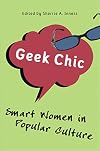
I am a nerd. Anyone who has met me or anyone with whom I share more than 5% of my DNA is not surprised by this statement. I am a nerd. I don’t apologize for it or make excuses for it. Growing up, I had very few fellow nerd role models. Sure, there was Jessie from “Saved by the Bell,” but she was just a smart girl, not a full blown nerd. But times are changing. Ads, articles, and buzz abound about the rise of the female nerd. Sci-fi and animation were huge driving forces in the show more presentation of the smart woman on screen. Is this a reflection of more nerd women, an acceptance of female intelligence, a recognition of women's buying power and consumerism? And should we expect a backlash for it in the form of bitch jokes and increasing visibility of the "dumb blonde"?
Geek Chic examines both the pop culture images seen on the screen and how it reflects the real world of smart women, women in glasses, and all-around geekiness. Each essay is an in-depth analysis of various portrayals of the smart woman, ranging from the physics nerd Fred in the TV show “Angel” to the adorable butt-kicking “Powerpuff Girls," and the real-life issues that relate to smart women.
In “You can see things that other people can’t,” odd phenomenon of the glasses makeover is dissected (this is best satirized, in my opinion, in the movie Not Another Teen Movie). Take a frumpy girl, remove her glasses, and all the sudden she’s hot-and must get her comeuppance. If she keeps her glasses, she is forever to remain an outcast (Daria).
It also examines the problems that face smart women, or at least the problems networks think ought to be suffered by smart women, including relationship issues, parenting issues, a general lack of domestic bliss, and sexual harassment. It is interesting note is that the smart girl must also be nice if she is to be a protagonist, or at least not the antihero. If she is sarcastic, mean, self-serving, or anything other than self-depricatingly sweet, she cannot be the lead character and something must be done to shut her up.
Many articles also delve into whether networks think women ought to value intelligence at all, as evinced in “Beauty and the Geek,”in which the men are always the geeks and it’s the women who realize how much they are getting in a geek-it is never reversed. Hunky guys never get to realize how much they can get from a geeky gal. It might also be suggestive of the culture that smart women must be somehow supernatural-witches (Charmed, Willow from Buffy) or vampire hunters-because a smart woman just couldn't exist in the real world.
For the most part, however, the essays do not consider the portrayal of men in these same situations, though. It’s difficult to know how shabbily smart women are treated unless it’s also clear that smart men are treated better. In fact, they ignore the fact that often times, when a woman is being shown as being smart, a man is shown as being dumb and weak, suggesting that the two cannot ever both be smart. One of my favorite articles examines this in-depth. In “Heckling Hillary,” jokes about the erstwhile presidential nominee are compared to George W. Bush jokes. While both are told to discredit the subjects, jokes about Clinton are often just blonde or Polish jokes with the names changed, while jokes about Dubya are actually related to his policies and his history. The author clearly makes her point about the differences between how we discuss women in politics and men, however, it’s unclear how this fits in with the idea of a female geek and the author gets bogged down in discussing the use of Clinton’s maiden name.
Overall, this is a well-researched and organized collection of essays. It’s useful when examining the portrayal of women in popular culture, especially educated and smart women. Most of the articles are strong, though some fall short of their mark. There are some glaring omissions (to my mind), including Dr. Brennan from “Bones” and Herminone Granger from Harry Potter.
Overall, interesting and leaves plenty of room for book club or classroom discussion. show less
Geek Chic examines both the pop culture images seen on the screen and how it reflects the real world of smart women, women in glasses, and all-around geekiness. Each essay is an in-depth analysis of various portrayals of the smart woman, ranging from the physics nerd Fred in the TV show “Angel” to the adorable butt-kicking “Powerpuff Girls," and the real-life issues that relate to smart women.
In “You can see things that other people can’t,” odd phenomenon of the glasses makeover is dissected (this is best satirized, in my opinion, in the movie Not Another Teen Movie). Take a frumpy girl, remove her glasses, and all the sudden she’s hot-and must get her comeuppance. If she keeps her glasses, she is forever to remain an outcast (Daria).
It also examines the problems that face smart women, or at least the problems networks think ought to be suffered by smart women, including relationship issues, parenting issues, a general lack of domestic bliss, and sexual harassment. It is interesting note is that the smart girl must also be nice if she is to be a protagonist, or at least not the antihero. If she is sarcastic, mean, self-serving, or anything other than self-depricatingly sweet, she cannot be the lead character and something must be done to shut her up.
Many articles also delve into whether networks think women ought to value intelligence at all, as evinced in “Beauty and the Geek,”in which the men are always the geeks and it’s the women who realize how much they are getting in a geek-it is never reversed. Hunky guys never get to realize how much they can get from a geeky gal. It might also be suggestive of the culture that smart women must be somehow supernatural-witches (Charmed, Willow from Buffy) or vampire hunters-because a smart woman just couldn't exist in the real world.
For the most part, however, the essays do not consider the portrayal of men in these same situations, though. It’s difficult to know how shabbily smart women are treated unless it’s also clear that smart men are treated better. In fact, they ignore the fact that often times, when a woman is being shown as being smart, a man is shown as being dumb and weak, suggesting that the two cannot ever both be smart. One of my favorite articles examines this in-depth. In “Heckling Hillary,” jokes about the erstwhile presidential nominee are compared to George W. Bush jokes. While both are told to discredit the subjects, jokes about Clinton are often just blonde or Polish jokes with the names changed, while jokes about Dubya are actually related to his policies and his history. The author clearly makes her point about the differences between how we discuss women in politics and men, however, it’s unclear how this fits in with the idea of a female geek and the author gets bogged down in discussing the use of Clinton’s maiden name.
Overall, this is a well-researched and organized collection of essays. It’s useful when examining the portrayal of women in popular culture, especially educated and smart women. Most of the articles are strong, though some fall short of their mark. There are some glaring omissions (to my mind), including Dr. Brennan from “Bones” and Herminone Granger from Harry Potter.
Overall, interesting and leaves plenty of room for book club or classroom discussion. show less
G. I. Joe in Barbie Land: Recontextualizing Butch in Twentieth-Century Lesbian Culture {article} by Sherrie A. Inness

Very interesting analysis of the contested role of butch in lesbian culture

A collection of essays on feminism in popular culture, again focusing on action and science fiction genres. A more detailed review is forthcoming.
women in mass media, popular culture
Awards

You May Also Like


Associated Authors
Statistics
- Works
- 18
- Also by
- 2
- Members
- 402
- Popularity
- #60,415
- Rating
- 3.6
- Reviews
- 4
- ISBNs
- 44
- Languages
- 1