
Katherine Milhous (1894–1977)
Author of The Egg Tree
About the Author
Works by Katherine Milhous
Herodia, The Lovely Puppet 1 copy
Associated Works
Tagged
Common Knowledge
- Canonical name
- Milhous, Katherine
- Birthdate
- 1894-11-27
- Date of death
- 1977-12-05
- Gender
- female
- Education
- Pennsylvania Academy of the Fine Arts
Pennsylvania Museum School of Industrial Art - Organizations
- American Institute of Graphic Arts
- Awards and honors
- Cresson Traveling Fellowship
- Short biography
- [from Wikipedia]
Katherine Milhous (1894–1977) was an American artist, illustrator, and writer. She is known best as the author and illustrator of The Egg Tree, which won the 1951 Caldecott Medal for U.S. picture book illustration. Born into a Quaker family active in the printing industry in Philadelphia, Milhous is also known for her graphic designs for the Works Progress Administration (WPA). Her work has been exhibited at the 1939 New York World's Fair and at the Pennsylvania Academy of the Fine Arts. - Nationality
- USA
- Places of residence
- Philadelphia, Pennsylvania, USA
Pitman, New Jersey, USA - Associated Place (for map)
- USA
Members
Reviews

Spending their first Easter at Grandmom's farm in the country, Katy and Carl join in the Easter Egg Hunt with their cousins, but find that they're not very successful at tracking down those brightly colored treats. Then Katy finds her way to the attic, where she discovers an old hatbox full of gorgeously decorated eggs, made by Grandmom when she was a little girl. Painted in traditional folk styles, these eggs are so lovely that the children ask to be taught how to create them themselves, show more and when they have learned the skill, create enough to make a gorgeous egg-tree...
Originally published in 1950, and awarded the Caldecott Medal in 1951, The Egg Tree is a lovely book, one which pairs an engaging story of Pennsylvania Dutch (German-American) Easter traditions with beautiful folk-art illustrations. Before picking the book up, I was unaware of the German Ostereierbaum (Easter Egg Tree) tradition, but apparently it is many centuries old, and was brought by German immigrants to the United States. Although I have some German ancestry on my father's side, this tradition is unknown in my family, so I was happy to learn of it. Apparently, the most well-known example of an Ostereierbaum is the one in Saalfeld, Thuringia, which is decorated every year with thousands of eggs:
In any case, I found the story here sweetly appealing, enjoyed learning about a new-to-me Easter tradition, and found the folk-style artwork beautiful. Recommended to picture-book readers looking for Easter stories, or for tales with a Pennsylvania Dutch cultural backdrop. show less
Originally published in 1950, and awarded the Caldecott Medal in 1951, The Egg Tree is a lovely book, one which pairs an engaging story of Pennsylvania Dutch (German-American) Easter traditions with beautiful folk-art illustrations. Before picking the book up, I was unaware of the German Ostereierbaum (Easter Egg Tree) tradition, but apparently it is many centuries old, and was brought by German immigrants to the United States. Although I have some German ancestry on my father's side, this tradition is unknown in my family, so I was happy to learn of it. Apparently, the most well-known example of an Ostereierbaum is the one in Saalfeld, Thuringia, which is decorated every year with thousands of eggs:
In any case, I found the story here sweetly appealing, enjoyed learning about a new-to-me Easter tradition, and found the folk-style artwork beautiful. Recommended to picture-book readers looking for Easter stories, or for tales with a Pennsylvania Dutch cultural backdrop. show less
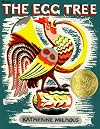
First published in 1950 and awarded The Caldecott Medal in 1951, The Egg Tree by Katherine Milhous, is a delightful picture book, history lesson and celebration of springtime that I think you'll love sharing with your children.
This short, uncomplicated picture book features the farm traditions and holiday folk art of the Spring/Easter season as practiced by the Pennsylvania Dutch people in the early 1930s-1950s. The traditions date much further back to Germany, the country of origin of the show more Pennsylvania Dutch. These people were the original German immigrants in Pennsylvania before the Revolutionary War. Familiar symbols of Easter/Spring such as eggs and rabbits or hares have been used to celebrate the Spring Equinox since 1500s in Germany.
The book describes the excitement of Katy and Carl, two Pennsylvania Dutch children who are old enough to participate for the first time in the children's Easter Egg Hunt. They know that the Easter Rabbit will bring colored eggs and hide them for all the good boys and girls. Katy sprinkles flower petals across the lawn to attract the Easter Bunny. They enjoy special Easter treats that Grandmom bakes for them and they have a wonderful time racing around with the other children on the day of the big hunt. At first Katy is a bit disappointed because as the youngest she is having trouble finding very many eggs.
"Who would think that the Rabbit had left eggs in the feed bin, in the watering trough, and even up in the hayloft?"
It's no easier for Katy in the garden or in the kitchen. The cousins are piling up the eggs but Katy is coming up empty-handed...until she decides to look up in the attic. There she finds a clutch of the most beautiful eggs she has ever seen.
The eggs turn out to be some beautiful hand-painted, fragile eggs that Grandmom had blown and decorated herself when she was just a girl. Long forgotten the eggs seem to have been left just for Katy by the Easter Rabbit but Grandmom tells the children the history of the eggs and explains the symbols that are painted on them. She also teaches them how to make their own. The boys are taught the art of "scratching" their designs on the eggshells while the girls learn first to dye the eggs and then to hand paint designs on them. Grandmom goes outside and cuts a small tree and brings it in. She hangs the painted eggs and puts other Easter symbols underneath the little tree.
"It is such a beautiful tree!" said Katy. "I wish that everyone in the world could see it!"
"Yes," said Grandmom. "It makes a body feel as if Spring has come right into the house. We must give a party for it."
Friends and relatives are invited over to see the tree and this leads to the tradition of the Egg Tree that keeps growing bigger and better every Easter/Spring to come.
The writing is evocative and easy for children to follow. It is a suitable story for children from 4-9 years of age but if you make the book a part of your annual Spring celebration as we do in our home even older children will want to hear its familiar tale each year. Last year when it was taken out for my 5 year old granddaughter Gigi who was inspired by it, I noticed my 34 year old son just happened to have some pressing business in the kitchen in ear-shot of our storytime. I think this is a book that definitely pulls on the heartstrings and has the rosy glow of sentimental tradition. "Are we, I mean, is Gigi making an Egg Tree this year, Mom?"
The illustrations are mostly single full-page with a few partial and a few double-page spreads. There is most often one page of text to one page of illustration. So many visually-cued sentences move the story forward that even though it is agrarian, old-time action it easily holds the attention of children.
I also like this book very much for how it cleverly inserts information about Pennsylvania Dutch traditions into the action of the story rather than describing these things in a how-to format. The decorations on the bottoms of the pages are actual folk art patterns passed down by the hand of tradition. The illustrations are all done in the manner of Pennsylvania Dutch hex signs and all of the ones in this book use simple pastel colors of peach, yellow, white, green and a slate blue. Grandmom's old-fashioned heirloom eggs feature the designs called The Bright and Morning Star, The Deer On the Mountain, The Cooing Dove, The Pomegranate and The Horn-blowing Rooster and several others. A traditional cookie rabbit sometimes called a Rabbit Cake is shown in the story. Lots of details from a working farm of that era are shown and the characters all dress in the traditional style which looks similar to what you would see today in Amish country.
I think this is a beautiful book and I love the arts and crafts it suggests. I love the Spring fertility and hopeful promise traditions and iconography it highlights. This is a book that is perfect for this time of year regardless of one's particular religious beliefs because what it really celebrates is Spring and renewal and the joys associated with those concepts.
I think it succeeds beautifully as a children's book due to its excellence in art, story fun and story learning. I recommend it highly but I think that materialistic present day Easter holiday trends might make the simpler times and practices depicted here seem, for a modern child, a tad dull by comparison. We've kept the old ways alive in my family so we do consistently love this book, generation after generation. The back of the book jacket has simple directions for making an Egg Tree and there are numerous tips within the story for the other Easter/Spring crafts. I do suspect that the innocent heart of childhood will embrace it now as much as ever if given half a chance. show less
This short, uncomplicated picture book features the farm traditions and holiday folk art of the Spring/Easter season as practiced by the Pennsylvania Dutch people in the early 1930s-1950s. The traditions date much further back to Germany, the country of origin of the show more Pennsylvania Dutch. These people were the original German immigrants in Pennsylvania before the Revolutionary War. Familiar symbols of Easter/Spring such as eggs and rabbits or hares have been used to celebrate the Spring Equinox since 1500s in Germany.
The book describes the excitement of Katy and Carl, two Pennsylvania Dutch children who are old enough to participate for the first time in the children's Easter Egg Hunt. They know that the Easter Rabbit will bring colored eggs and hide them for all the good boys and girls. Katy sprinkles flower petals across the lawn to attract the Easter Bunny. They enjoy special Easter treats that Grandmom bakes for them and they have a wonderful time racing around with the other children on the day of the big hunt. At first Katy is a bit disappointed because as the youngest she is having trouble finding very many eggs.
"Who would think that the Rabbit had left eggs in the feed bin, in the watering trough, and even up in the hayloft?"
It's no easier for Katy in the garden or in the kitchen. The cousins are piling up the eggs but Katy is coming up empty-handed...until she decides to look up in the attic. There she finds a clutch of the most beautiful eggs she has ever seen.
The eggs turn out to be some beautiful hand-painted, fragile eggs that Grandmom had blown and decorated herself when she was just a girl. Long forgotten the eggs seem to have been left just for Katy by the Easter Rabbit but Grandmom tells the children the history of the eggs and explains the symbols that are painted on them. She also teaches them how to make their own. The boys are taught the art of "scratching" their designs on the eggshells while the girls learn first to dye the eggs and then to hand paint designs on them. Grandmom goes outside and cuts a small tree and brings it in. She hangs the painted eggs and puts other Easter symbols underneath the little tree.
"It is such a beautiful tree!" said Katy. "I wish that everyone in the world could see it!"
"Yes," said Grandmom. "It makes a body feel as if Spring has come right into the house. We must give a party for it."
Friends and relatives are invited over to see the tree and this leads to the tradition of the Egg Tree that keeps growing bigger and better every Easter/Spring to come.
The writing is evocative and easy for children to follow. It is a suitable story for children from 4-9 years of age but if you make the book a part of your annual Spring celebration as we do in our home even older children will want to hear its familiar tale each year. Last year when it was taken out for my 5 year old granddaughter Gigi who was inspired by it, I noticed my 34 year old son just happened to have some pressing business in the kitchen in ear-shot of our storytime. I think this is a book that definitely pulls on the heartstrings and has the rosy glow of sentimental tradition. "Are we, I mean, is Gigi making an Egg Tree this year, Mom?"
The illustrations are mostly single full-page with a few partial and a few double-page spreads. There is most often one page of text to one page of illustration. So many visually-cued sentences move the story forward that even though it is agrarian, old-time action it easily holds the attention of children.
I also like this book very much for how it cleverly inserts information about Pennsylvania Dutch traditions into the action of the story rather than describing these things in a how-to format. The decorations on the bottoms of the pages are actual folk art patterns passed down by the hand of tradition. The illustrations are all done in the manner of Pennsylvania Dutch hex signs and all of the ones in this book use simple pastel colors of peach, yellow, white, green and a slate blue. Grandmom's old-fashioned heirloom eggs feature the designs called The Bright and Morning Star, The Deer On the Mountain, The Cooing Dove, The Pomegranate and The Horn-blowing Rooster and several others. A traditional cookie rabbit sometimes called a Rabbit Cake is shown in the story. Lots of details from a working farm of that era are shown and the characters all dress in the traditional style which looks similar to what you would see today in Amish country.
I think this is a beautiful book and I love the arts and crafts it suggests. I love the Spring fertility and hopeful promise traditions and iconography it highlights. This is a book that is perfect for this time of year regardless of one's particular religious beliefs because what it really celebrates is Spring and renewal and the joys associated with those concepts.
I think it succeeds beautifully as a children's book due to its excellence in art, story fun and story learning. I recommend it highly but I think that materialistic present day Easter holiday trends might make the simpler times and practices depicted here seem, for a modern child, a tad dull by comparison. We've kept the old ways alive in my family so we do consistently love this book, generation after generation. The back of the book jacket has simple directions for making an Egg Tree and there are numerous tips within the story for the other Easter/Spring crafts. I do suspect that the innocent heart of childhood will embrace it now as much as ever if given half a chance. show less
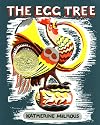
Milhous tells a story of a long ago Easter, when the children spend time at their grandparents’ Pennsylvania farm. Along with their cousins Katy and Carl hunt for Easter eggs, but Katy isn’t having much luck, until she heads for the attic and finds a treasure trove of beautifully decorated eggs in a hatbox.
This was a delightful story that tells of a long-time family tradition. I like how the children become interested and then eager to participate in this tradition that had fallen by show more the wayside. The book shows the family working together to decorate the eggs, and even bringing in other people from the area.
I was somewhat disappointed in the illustrations. Given the topic, and knowing that Milhous won the Caldecott Medal for this book, I was expecting more vibrant coloring. Instead, she uses a rather muted palette. Still, I do like the expressions on the faces of the people (adults and children, alike), as well as the detailed drawings of some of the traditional egg designs. show less
This was a delightful story that tells of a long-time family tradition. I like how the children become interested and then eager to participate in this tradition that had fallen by show more the wayside. The book shows the family working together to decorate the eggs, and even bringing in other people from the area.
I was somewhat disappointed in the illustrations. Given the topic, and knowing that Milhous won the Caldecott Medal for this book, I was expecting more vibrant coloring. Instead, she uses a rather muted palette. Still, I do like the expressions on the faces of the people (adults and children, alike), as well as the detailed drawings of some of the traditional egg designs. show less

The art is the best part of this old book that takes place in an even older time. But the story is worth reading, too. I like that every child has an opportunity to shine. (The implication is clear that children who can't draw or cut as well as others will get their work spotlighted another time, in math, spelling, music, or writing....) I did predict the recipient of the girl's valentine incorrectly, though, and I think it would have been a stronger story if the author had done what I show more expected.
openlibrary.org
I will consider others by Milhous, as I really like the pictures. show less
openlibrary.org
I will consider others by Milhous, as I really like the pictures. show less
Lists
Awards


You May Also Like


Associated Authors
Statistics
- Works
- 11
- Also by
- 4
- Members
- 1,267
- Popularity
- #20,252
- Rating
- 3.6
- Reviews
- 23
- ISBNs
- 12