
Jens Christian Grøndahl
Author of Silence in October
About the Author
Works by Jens Christian Grøndahl
Det ¤fordømte menneske 1 copy
Tagged
Common Knowledge
- Other names
- Tombakke, Christian (Pseudonyme)
- Birthdate
- 1959-11-09
- Gender
- male
- Education
- Ecole nationale de cinéma du Danemark (Diplôme, Réalisateur, 19 81 | 19 84)
Université de Copenhague (Philosophie, 19 77 | 19 79)
Lycée N. Zahles, Copenhague (Diplôme) - Occupations
- writer
- Organizations
- Pen Club Danemark (Vice-président, 19 90 | 19 91)
Théâtre d'Aarhus, Danemark (Dramaturge) - Awards and honors
- Chevalier des Arts et des Lettres
- Nationality
- Denmark
- Birthplace
- Lyngby, Denmark
- Map Location
- Denmark
Members
Reviews
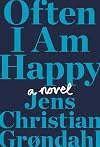
Other reviewers did not find aspects of this novel credible. I did.
The main character, Ellinor had a friend Anna, a friend of her young adulthood, who died young and unexpectedly. After Anna's death, Ellinor discovered a betrayal by her friend.
There is something special about those friendships that begin when we are young adults, just beginning to make our life's path and becoming ourselves. Those friendships, even if not extraordinarily long, are uniquely important. So, even decades later, show more Ellinor, at 70, still longed for the solace of that friendship with Anna. It was not surprising she would turn once again to talking to Anna, or rather talking to her memory of Anna.
It was after Anna's death and after the simultaneous death of Ellinor's first husband that she as a widow became close to Anna's widowed husband Georg. In time she married him and raised Anna's children. It was after Georg's death when Ellinor began wishing she could share with her friend the ways she loved Georg and the problematic relationships with Anna's boys as grown men. She directed her thoughts to Anna, thoughts about her detoured life, the one created specifically because Anna's ended.
Ellinor had forgiven Anna. She could even acknowledge that Anna might have cared deeply for those she hurt and been torn herself by those acts of betrayal. That's not surprising. My experience is that when a person dies and after sufficient time has passed, many grudges and hurt feelings die too, leaving the best parts, the love in that relationship, alive. We forgive the dead.
I liked Ellinor. She seemed real to me: decent, likeable, not perfect. She was a person who had long postponed thinking too deeply.
The novel's interwoven drama concerning the remaining living family members was petty and unpleasant. It illustrated the significant aspect of Ellinor's lifelong story of feeling a fraud, ashamed for being who she was by no fault of her own. Once she found she could disconnect with one of the sons, a man negatively astonished by, in his opinion, her radical relocation and insulted by her new expression of frank but accurate opinions, she was free to let go -- like her spare new apartment, she was becoming free of all that which was not-Ellinor.
I enjoyed Grøndahl's style. It is also praise-worthy that he wrote convincingly from a woman's point of view. I have mixed feelings making that observation. But let's acknowledge that happens more rarely than it probably should or could, and I want to give kudos when done well.
Ellinor's journey at 70 is to become herself, to find fresh fulfilments among her heartbreaks. I am reminded of another novel I read this year, Memento Mori featuring also a septuagenarian who said this about a long life's journey, "We all appear to ourselves frustrated in our old age, Alec, because we cling to everything so much. But in reality we are still fulfilling our lives." show less
The main character, Ellinor had a friend Anna, a friend of her young adulthood, who died young and unexpectedly. After Anna's death, Ellinor discovered a betrayal by her friend.
There is something special about those friendships that begin when we are young adults, just beginning to make our life's path and becoming ourselves. Those friendships, even if not extraordinarily long, are uniquely important. So, even decades later, show more Ellinor, at 70, still longed for the solace of that friendship with Anna. It was not surprising she would turn once again to talking to Anna, or rather talking to her memory of Anna.
It was after Anna's death and after the simultaneous death of Ellinor's first husband that she as a widow became close to Anna's widowed husband Georg. In time she married him and raised Anna's children. It was after Georg's death when Ellinor began wishing she could share with her friend the ways she loved Georg and the problematic relationships with Anna's boys as grown men. She directed her thoughts to Anna, thoughts about her detoured life, the one created specifically because Anna's ended.
Ellinor had forgiven Anna. She could even acknowledge that Anna might have cared deeply for those she hurt and been torn herself by those acts of betrayal. That's not surprising. My experience is that when a person dies and after sufficient time has passed, many grudges and hurt feelings die too, leaving the best parts, the love in that relationship, alive. We forgive the dead.
I liked Ellinor. She seemed real to me: decent, likeable, not perfect. She was a person who had long postponed thinking too deeply.
The novel's interwoven drama concerning the remaining living family members was petty and unpleasant. It illustrated the significant aspect of Ellinor's lifelong story of feeling a fraud, ashamed for being who she was by no fault of her own. Once she found she could disconnect with one of the sons, a man negatively astonished by, in his opinion, her radical relocation and insulted by her new expression of frank but accurate opinions, she was free to let go -- like her spare new apartment, she was becoming free of all that which was not-Ellinor.
I enjoyed Grøndahl's style. It is also praise-worthy that he wrote convincingly from a woman's point of view. I have mixed feelings making that observation. But let's acknowledge that happens more rarely than it probably should or could, and I want to give kudos when done well.
Ellinor's journey at 70 is to become herself, to find fresh fulfilments among her heartbreaks. I am reminded of another novel I read this year, Memento Mori featuring also a septuagenarian who said this about a long life's journey, "We all appear to ourselves frustrated in our old age, Alec, because we cling to everything so much. But in reality we are still fulfilling our lives." show less
Seventy year-old Ellinor, whose husband has just died, feels the need to confide in someone and decides upon her dead best friend Anna. In the very first line of the novel, Ellinor refers to the recent death of her husband, of “their” husband. Right then, any curious reader is firmly caught in the net of this novel.
There is something terribly compelling, strangely refreshing in Eleanor’s open, honest and direct narration; she knows she’s talking to a dead woman but continues to show more unburden herself of her joys, regrets, long-held secrets—certainly with some surprises for the reader.
“I walked about at random from one neighborhood to the next. If it started raining, I would simply button up my coat and allow my hair to become wet. It always dried again, Anna. There isn't a thing that doesn’t pass off. It strikes me that my account must seem sad to you but I am not a sad person, you know that. Often I am happy, as the song goes, happy inside, even if I can’t always show it. It is all just something that passes you by, You’re being pushed and pressed, sometimes even crushed, and you can be knocked off your course, but you remain the same on the inside….”
So much is contained in these 165 small pages. And one cannot read this novel without looking at the people around us, the people we think we know, and not wonder what they carry within. show less
There is something terribly compelling, strangely refreshing in Eleanor’s open, honest and direct narration; she knows she’s talking to a dead woman but continues to show more unburden herself of her joys, regrets, long-held secrets—certainly with some surprises for the reader.
“I walked about at random from one neighborhood to the next. If it started raining, I would simply button up my coat and allow my hair to become wet. It always dried again, Anna. There isn't a thing that doesn’t pass off. It strikes me that my account must seem sad to you but I am not a sad person, you know that. Often I am happy, as the song goes, happy inside, even if I can’t always show it. It is all just something that passes you by, You’re being pushed and pressed, sometimes even crushed, and you can be knocked off your course, but you remain the same on the inside….”
So much is contained in these 165 small pages. And one cannot read this novel without looking at the people around us, the people we think we know, and not wonder what they carry within. show less
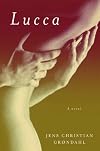
The story begins in a hospital in Denmark where a 32-year old woman, an actress, has been brought in from a horrible automobile accident and is critical condition. Her name is Lucca Montale. Her arms and legs are plastered and her eyes are bandaged. It falls to Robert, her doctor, to tell her she will not see again. From this point, the story generally moves back in time to tell the individual stories of these two people before and up to where they meet in the hospital.
Grøndahl's writing is show more emotionally dense, penetrating and perceptive. I'm not sure if he is empathetic to his characters or just offering the reader the opportunity of being so. He tells their stories through their relationships with others; parents, friends, lovers, co-workers, children. The book seems dense beyond the page count and I took it slowly. Admittedly, at one point, I got frustrated with Lucca—ready to throw the book because I could see the car wreck coming—but I'm fairly sure the author intended that. Robert's story is far less firery but no less interesting. Eventually, Grøndahl brilliantly brings the story of the two people around to the present for what I thought was an exquisite ending. show less
Grøndahl's writing is show more emotionally dense, penetrating and perceptive. I'm not sure if he is empathetic to his characters or just offering the reader the opportunity of being so. He tells their stories through their relationships with others; parents, friends, lovers, co-workers, children. The book seems dense beyond the page count and I took it slowly. Admittedly, at one point, I got frustrated with Lucca—ready to throw the book because I could see the car wreck coming—but I'm fairly sure the author intended that. Robert's story is far less firery but no less interesting. Eventually, Grøndahl brilliantly brings the story of the two people around to the present for what I thought was an exquisite ending. show less
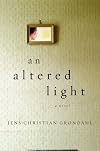
Irene Beckman, age 50+, seems to have a perfect life in Denmark. She’s beautiful, successful, happily married with two now adult children. She works as a lawyer and the family is well off financially….quite comfortable And then, very unexpectedly, Irene’s husband wants a divorce, and while processing that news, her mother is taken ill.
It’s a lot at once, but more so, in a bedside conversation with her ill mother, Irene is told that her father is not her biological father, but it was show more another man, who fled Copenhagen for Sweden at the beginning of the war. Understandably, Irene is shocked by the news.
This is a immersive story of one woman’s transformation through personal crisis (or two or three). It starts out a bit slow as the author introduces Irene to us. Interesting to read HER story written by a male author…. hmmmm.
I have read all of Grondahl’s novels available in translation now. He’s another on my list of authors who infuse their storytelling with great compassion. show less
It’s a lot at once, but more so, in a bedside conversation with her ill mother, Irene is told that her father is not her biological father, but it was show more another man, who fled Copenhagen for Sweden at the beginning of the war. Understandably, Irene is shocked by the news.
This is a immersive story of one woman’s transformation through personal crisis (or two or three). It starts out a bit slow as the author introduces Irene to us. Interesting to read HER story written by a male author…. hmmmm.
I have read all of Grondahl’s novels available in translation now. He’s another on my list of authors who infuse their storytelling with great compassion. show less
Lists
Awards


You May Also Like


Associated Authors
Statistics
- Works
- 45
- Members
- 1,476
- Popularity
- #17,398
- Rating
- 3.5
- Reviews
- 65
- ISBNs
- 240
- Languages
- 14
- Favorited
- 6


